Starting an Australian Shepherd on Sheep
Many Australian Shepherd owners dream of seeing their amazing dogs engage with sheep, tapping into that deep-seated instinct the breed is famous for. However, the idea of actually taking your Aussie to a working farm and introducing them to livestock can feel incredibly daunting. You might wonder if your beloved companion even has the instinct, or if you'll somehow mess up their natural drive. It’s a common worry, and it’s completely understandable to feel a bit overwhelmed by the whole prospect. This guide is designed to ease those anxieties, offering a clear, realistic, and encouraging approach to safely and effectively starting your Australian Shepherd on sheep work, making it a positive and enriching experience for both of you.
Understanding Your Australian Shepherd's Herding Instinct
Before you even think about putting your Aussie in a pen with sheep, it's crucial to understand what "herding instinct" truly means and how it manifests in our wonderful companions. It's more than just a desire to chase; it's a deeply ingrained set of behaviors that make Australian Shepherds uniquely suited for working livestock.
What is "Herding Instinct"?
Herding instinct isn't just about a dog running after animals. It's a complex, finely-tuned predatory sequence that has been modified over generations to control prey, rather than catch and kill it. Imagine the natural hunt sequence: searching, stalking, chasing, grabbing, killing, and consuming. For a herding dog, this sequence is intentionally interrupted and redirected. They’re driven to search, stalk, and chase, but then they apply pressure to move the stock, using their body, stare ("the eye"), and position to influence the flock. It's a dance of pressure and release, a conversation between dog and sheep. This innate drive is the very "operating system" of an Australian Shepherd, as we often discuss when we look at Why Herding Instinct Is the Aussie Operating System. It’s a powerful engine, and understanding it is the first step to channeling it productively.
This isn't just some vague concept; it's tangible behaviors rooted in their history. Australian Shepherds were developed to be versatile ranch dogs, moving everything from cattle to sheep, often in vast, open spaces. They needed to think independently, manage unruly stock, and adapt to different situations. This historical role has hardwired them with a desire to gather, to contain, and to direct. It’s a job they were literally bred to do, and for many Aussies, it provides profound mental and physical fulfillment that a simple walk or game of fetch simply cannot.
Recognizing Natural Herding Behaviors in Your Aussie
You might be seeing signs of herding instinct in your Aussie already, without even realizing it. Does your dog try to "organize" the other dogs at the park, circling them tightly or pushing them together? An Aussie That Organizes the Dogs at the Park Or perhaps they playfully nip at the heels of children or other pets in the house, a behavior that, while sometimes annoying, is a direct echo of their ancestral job. Maybe they stalk squirrels in the yard with intense focus, or try to gather toys into a neat pile. These aren't just quirks; they are clues, flashing lights that point to a natural desire to control and move.
Even an Australian Shepherd that seems utterly oblivious to a flock of sheep might still have the instinct buried deep down. Sometimes it takes the right environment and the right type of sheep to awaken it. I've seen Aussies who were couch potatoes at home transform into focused, driven workers the moment they step into a herding arena. The key is to observe their natural tendencies – the way they move, their intense stare, their desire to keep things together. These everyday behaviors, redirected and refined, are the raw material of a good stock dog.
It’s important to remember that not every Australian Shepherd will be a champion trial dog, nor will every Aussie have the same level of intense working instinct. Some will have a strong, "sticky" eye and a relentless gather, while others might be softer, preferring to push from behind. What's crucial is that most have some level of this instinct. Your role is not to create it, but to identify it and provide a safe, constructive outlet for it.
Whether a Pet Aussie Can Learn to Herd
There's a common misconception that only "working line" Australian Shepherds can truly herd, and that show-bred or pet Aussies are somehow less capable. Let me tell you, this simply isn't true across the board. While working lines are intentionally bred for strong, consistent instinct, many Aussies from pet homes or show lines still carry a robust herding drive. We’ve covered this before in Whether a Pet Aussie Can Learn to Herd, and the answer is a resounding "yes" for many. The instinct is a fundamental part of the breed's genetic makeup, not exclusive to a specific breeding program.
I’ve personally witnessed many "pet" Aussies, whose owners never intended for them to work stock, absolutely light up when given the chance. Their enthusiasm and natural aptitude often surprise their handlers. What matters more than a fancy pedigree is the individual dog's attitude, confidence, and desire. A keen, intelligent, and biddable pet Aussie with good nerves often makes a fantastic beginner herding dog.
The key is to approach it with an open mind and realistic expectations. You might not produce a national champion, but you will undoubtedly deepen your bond with your dog, provide them with unparalleled mental and physical stimulation, and witness them express their truest self. It's an incredible journey of discovery for both of you, regardless of their background or ultimate skill level.
Preparing Your Aussie for the First Encounter
Before you drive out to a sheep farm, there’s some crucial groundwork you can do at home to set your Australian Shepherd up for success. Think of it as building a strong foundation for a house; you wouldn’t want to build on shaky ground, and the same goes for introducing your dog to a high-drive activity like herding.
Foundation Obedience and Control
Solid basic obedience is not just a nice-to-have; it's absolutely non-negotiable for safety, control, and effective communication around livestock. Imagine your Aussie getting over-excited in a pen with live animals – you need to be able to call them off, ask them to stop, or direct their movement instantly. A strong recall, a reliable "stay" or "down-stay," and an immediate "leave it" or "out" command are paramount. These aren't just commands for the park; they are your safety brakes in a high-stakes environment.
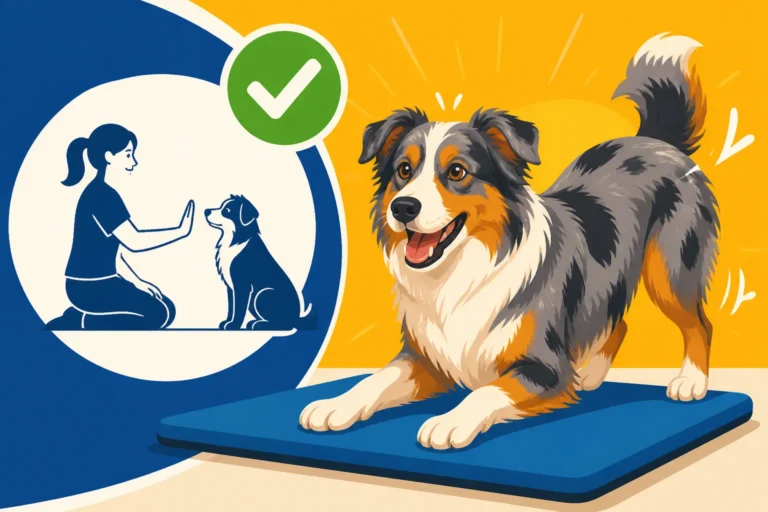
Think about it: when your Aussie's herding drive kicks in, it can be incredibly powerful. If they ignore you in the backyard when a squirrel runs by, they are even more likely to ignore you when a flock of sheep is moving in front of them. The commands you practice at home, like waiting at the door or settling on a mat, build the muscle memory for impulse control. This isn't just about managing the dog; it’s about protecting the sheep from an overly enthusiastic (or clumsy) beginner, and protecting your dog from potential injury or negative experiences.
Many trainers, myself included, recommend having these foundation skills truly rock-solid before stepping onto a herding field. If you're looking for a structured way to build these skills, programs like BAXTER & Bella offer excellent online resources that can help you achieve that crucial level of control and communication. Investing in this early training will pay dividends in safety and confidence once you introduce sheep.
Physical Conditioning and Health
Sheep work is a physically demanding sport, often requiring bursts of speed, quick turns, and sustained endurance. Your Australian Shepherd needs to be in good physical condition to safely engage in herding without risking injury. Just like an athlete, they need to be fit, not just enthusiastic. Regular exercise that builds stamina and agility—like brisk walks, hikes, or appropriate games of fetch—is important.
Before your first session, a thorough vet check is highly recommended. You’ll want to ensure your Aussie’s joints are healthy, especially if they are a younger dog. Conditions like hip or elbow dysplasia, which can sometimes be found in the breed, can be exacerbated by the demands of herding. Understanding your dog's physical limitations is key to preventing injury and ensuring their comfort. Australian Shepherd Hip Dysplasia and Working Joints delves into joint health, which is particularly relevant here. Don't push a dog that isn't physically ready.
Beyond their internal health, think about the right gear. A sturdy, well-fitting harness that allows for full range of motion without chafing is ideal. A long line (15-30 feet) is absolutely essential for safety and control during those early sessions, allowing the trainer to guide your dog without you needing to be right on top of them. You can find excellent options for these types of practical training tools readily available on Amazon, ensuring you have reliable equipment from day one. Collars are generally discouraged for initial herding work as they can put pressure on the trachea or slip off during intense movement.
Mental Preparation and Confidence Building
Herding is a novel experience for many dogs, filled with new sights, sounds, and smells. Preparing your Aussie mentally means exposing them to a variety of environments in a positive way, building their confidence and resilience to new situations. Take them to different parks, busy areas (at a comfortable distance), or even just new walking trails. The goal isn't to desensitize them to sheep specifically, but to help them cope with novelty without becoming overwhelmed or reactive.
A well-socialized dog, one that has had positive experiences with different people, places, and appropriate dog interactions, will be more confident when faced with the excitement of livestock. Avoid forcing interactions or putting your dog in situations where they are clearly uncomfortable. The aim is to create a dog that is curious, resilient, and ready to engage, rather than one that is easily startled or overly anxious.
This mental preparedness also ties into the temperament of the Australian Shepherd. The breed standard calls for a dog that is intelligent, keen, and alert, but also reserved with strangers. The Temperament the Aussie Standard Requires This natural wariness can be an asset on the farm, as it means they're observant, but it also means you need to gently guide them through new experiences to build confidence, rather than letting Australian Shepherd Reactivity and Overarousal take over. A calm, confident demeanor in varied situations will serve your Aussie well when they meet their first flock.
The First Steps on Sheep: From Instinct Test to Controlled Exposure
You've done your homework, your Aussie has a solid foundation of obedience, and you're both ready. Now comes the exciting part: the actual introduction to sheep. This is usually a carefully orchestrated process, starting with an instinct test and moving into controlled, supervised sessions.
The Herding Instinct Test
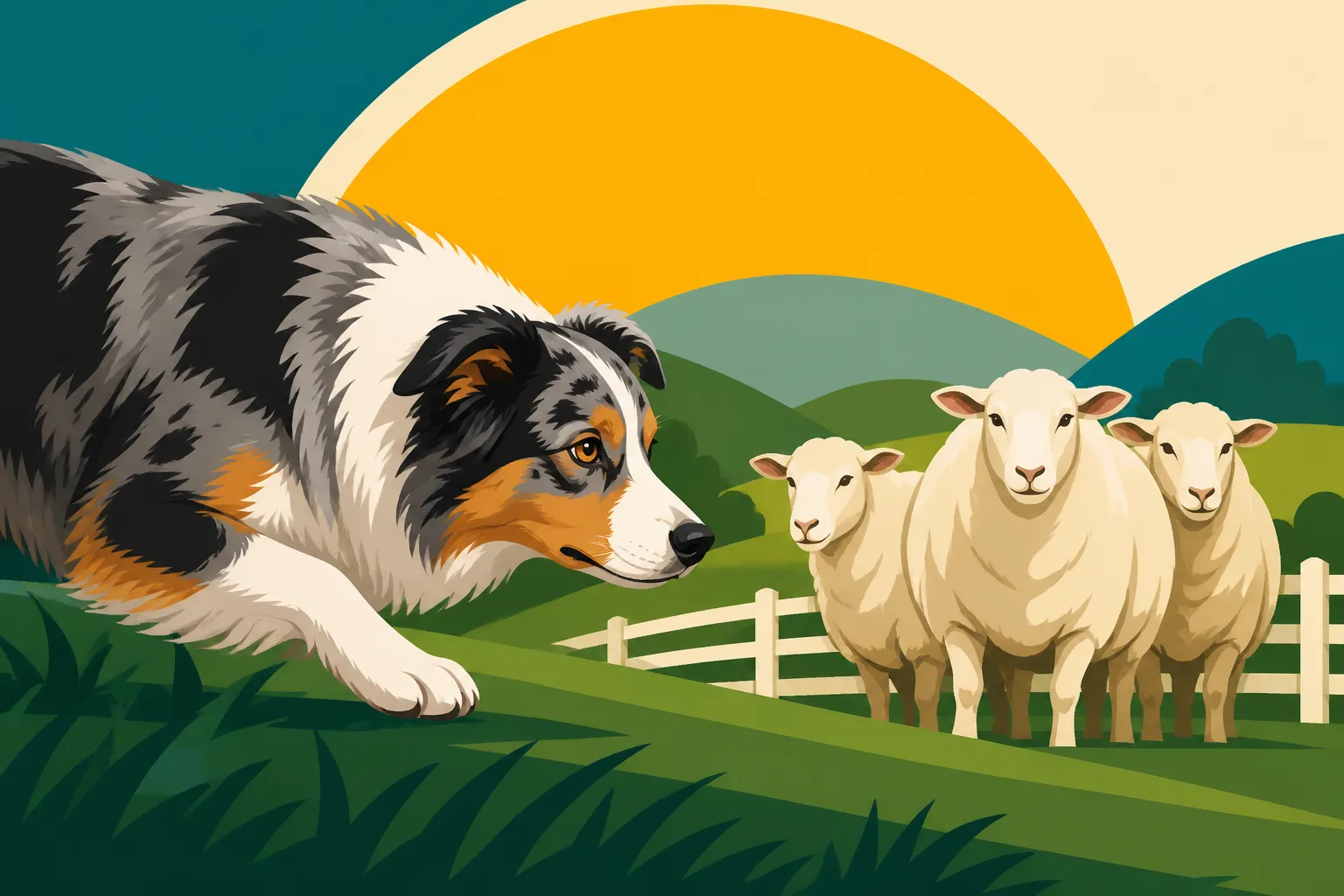
Think of a herding instinct test not as a full training session, but as a diagnostic tool. Its primary purpose is to see if your Australian Shepherd possesses the innate drive and behaviors necessary for herding. It’s a low-pressure way for an experienced trainer to observe your dog's natural reactions to stock. Typically, your dog will be introduced to a small flock of sheep (usually 3-5 head) in a confined, round pen, often with the trainer in the middle or along the fence line. The sheep are usually calm, experienced "training" sheep that won't panic or run wildly.
The trainer will watch for specific behaviors: does your dog show interest in the sheep, or ignore them? Do they try to gather the sheep, pushing them into a group? Do they exhibit "eye"—that intense, focused stare that is a hallmark of many herding breeds, as discussed in An Australian Shepherd That Stares at Everything? Do they try to move the sheep from behind, or do they naturally "flank," moving around the sides to change direction? There's no "right" or "wrong" way for an Aussie to initially react; some dogs burst in with confidence, while others are more hesitant, carefully assessing the situation.
It's crucial to understand that during an instinct test, your role is often to simply observe and allow the trainer to work with your dog. You shouldn't be giving commands or interfering unless instructed. The goal is to see what your dog does naturally. Getting an Australian Shepherd Herding Instinct Tested provides more insight into what this initial step entails. The test helps the trainer determine if your dog has the basic "ingredients" for herding and how best to proceed with their training. What Happens at an Aussie Herding Instinct Test will give you a clearer picture of the actual experience.
Controlled Introduction to Livestock
Once an instinct is confirmed, the next phase usually involves more controlled, supervised introductions, still typically in a round pen. Safety is always the paramount concern for both your dog and the sheep. The round pen allows the trainer to manage the sheep's movement and your dog's position, preventing overwhelming chases or aggressive lunging.
In these early sessions, the trainer will guide your Aussie, often using a long line attached to the harness, to teach them how to apply pressure to the sheep and how to release it. They'll start to introduce basic directional commands ("come bye" for clockwise, "away to me" for counter-clockwise), or simply guide the dog to move around the flock in a controlled manner. The aim is for your Aussie to learn to think and work the sheep, rather than just chase them aimlessly. This involves teaching them to stop, lie down, and change direction on command, even when their instinct is screaming to keep moving.
Sessions are kept short and positive. A good trainer understands that too much pressure or too long a session can overwhelm a young or inexperienced dog, leading to burnout or negative associations. The goal is to build confidence and desire, session by session, celebrating every small success, from a tentative flank to a momentary stop. This slow, deliberate approach ensures that the dog learns to enjoy the work and builds a strong partnership with the handler.
Reading Your Aussie's Body Language
A huge part of successful herding is learning to read your dog’s body language, and conversely, the body language of the sheep. In these initial encounters, watch your Aussie closely. Are they showing intense focus with a low, predatory posture? Are their ears forward, eyes locked on the sheep? This indicates appropriate interest. Or are they showing signs of fear (tail tucked, trying to escape), or over-excitement (barking excessively, wild rushing, nipping without direction)?
The trainer will help you interpret these signals. You'll learn what a developing "eye" looks like – that intense, almost hypnotic stare that can stop a flock in its tracks. You'll also learn to recognize stress signals: panting heavily when not exerting themselves, licking lips, yawning, or turning their head away. These are signs your dog might be getting overwhelmed and needs a break. Understanding these nuances is critical for effective communication and for ensuring a positive experience. The beauty of herding is that it forces you to become incredibly attuned to your dog, deepening your bond and understanding of each other.
Finding the Right Trainer and Training Environment
Embarking on the herding journey with your Australian Shepherd is a significant step, and finding the right guide is just as important as having a dog with instinct. A good trainer and a suitable facility can make all the difference in fostering your Aussie's natural abilities safely and effectively.
Qualities of a Good Herding Trainer
Choosing a herding trainer is perhaps the most critical decision you'll make. Look for someone with extensive experience, particularly with herding breeds like Australian Shepherds. They should have a deep understanding not only of dog behavior but also of livestock behavior, as safe and ethical stock handling is paramount. A good trainer knows how to read both dog and sheep, anticipating movements and adjusting the session to ensure safety and progress. We've discussed the importance of finding a trainer who truly understands the breed in Finding a Trainer Who Understands an Aussie, and this applies tenfold to herding.
Beyond experience, look for patience and clear communication. The trainer should be able to explain why they are doing something, not just what they are doing. They should use positive reinforcement methods, building your dog's confidence and desire to work, rather than relying on harsh corrections. Herding is a partnership, and a good trainer facilitates that, coaching both dog and handler. They should prioritize the welfare of both the dog and the sheep, ensuring the stock is treated respectfully and the dog is never put in a dangerous situation. Be wary of anyone who promises instant results or uses overly aggressive techniques.
What to Look for in a Herding Facility
The training environment itself plays a huge role. When visiting a potential herding facility, pay attention to the details. Are the pens safe, well-maintained, and appropriately sized for initial training (often round pens)? Are the fences secure to prevent escapes? What kind of sheep do they use – are they calm and "dog-broke" (meaning they are used to working with dogs) or are they skittish and prone to panicking? Well-suited training sheep are crucial for a positive first experience.
A supportive and encouraging community can also make a huge difference. You'll likely be training alongside other handlers, and a positive atmosphere where people share tips and celebrate each other's successes is invaluable. While you'll start with sheep, some facilities also offer access to other types of livestock like ducks or goats as your Aussie progresses, which can be great for building versatility and problem-solving skills. Ensure the facility is clean and that the animals are healthy and well-cared for.
Moving Beyond Instinct: Learning the Fundamentals of Work
Once your Aussie's instinct has been awakened and they've had a few positive, controlled introductions to sheep, the real training begins. This is where you start to layer structure onto their natural drive. Your trainer will guide you in teaching specific commands that translate into practical working skills. These include "walk up" (to move the sheep forward), "lie down" (to stop the dog and hence the sheep), "fetch it" (to gather scattered sheep), and the crucial directional commands like "away to me" and "come bye."
It’s a slow and steady process, often taking many sessions before these commands become reliable. You'll learn how to position yourself relative to your dog and the sheep, how to use your body language, and how to give timely commands. The journey from instinct to a fully trained working dog is a gradual one, filled with small breakthroughs and occasional plateaus. Celebrate every moment your Aussie figures something out – the first time they truly stop on command, or when they manage to move a stubborn ewe with just a look. Australian Shepherd Herding Trial Levels shows just how far this journey can go, but for now, focus on the joy of the learning.
| Method | Description | Pros | Cons |
|---|---|---|---|
| Instinct Test | Short, controlled introduction to a small flock in a pen, guided by an experienced handler. | Low pressure, assesses natural drive, safe for dog and sheep. | Not a training session, only shows potential; usually a one-time assessment. |
| Round Pen Work | Dog works a few sheep in a circular pen, handler often in the center or outside, with trainer guidance. | Excellent for building initial confidence, teaching basic control, safety, direct interaction. | Requires dedicated facility and experienced trainer, can be intense for some dogs initially. |
| Flirt Pole/Herding Ball | Using a toy on a stick or a large exercise ball to mimic herding movements and build focus. | Can be done at home, builds desire to gather, teaches impulse control away from livestock. | No actual livestock interaction, not a direct substitute for real sheep work, may over-excite some dogs. |
Disclaimer
This article is for general informational purposes only and does not constitute professional advice. Laws, prices and regulations vary by location and change over time. Consult a qualified professional for guidance on your specific situation.