Working a Reactive Aussie Under Threshold
It can be incredibly disheartening, and frankly, quite embarrassing, when your otherwise wonderful Australian Shepherd suddenly transforms into a barking, lunging, and pulling mess at the sight of another dog, a jogger, or even a leaf blowing across the street. This isn't just "bad behavior;" it's often a sign that your sensitive, highly driven Aussie is feeling overwhelmed and has crossed its coping threshold. This guide is here to help you understand what's happening, identify your Aussie's unique limits, and give you practical strategies for working with them "under threshold" so you can both enjoy a calmer, more connected life.
Understanding Australian Shepherd Reactivity
Reactivity in dogs is a common frustration for many owners, but it takes on a particular flavor with Australian Shepherds. These intelligent, often intensely focused dogs are bred to be aware of their surroundings, to move livestock, and to respond to subtle cues. When that drive and sensitivity meet an environment that's too stimulating or lacks appropriate outlets, reactivity can blossom. It’s not about them being "mean" or "aggressive" in most cases; it’s about being overstimulated and under-equipped to handle the situation.
What Reactivity Looks Like in an Aussie
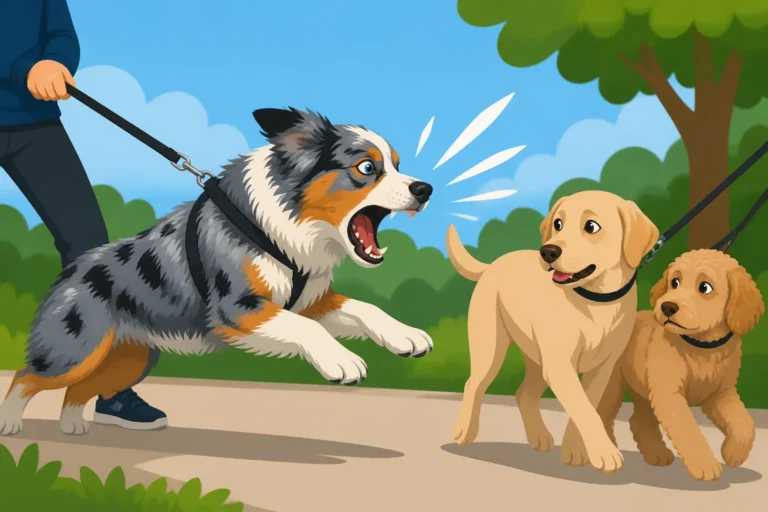
When an Australian Shepherd becomes reactive, it’s often a very clear and dramatic display. You might see a sudden stiffening of the body, followed by intense staring, ears perked, and a low growl that escalates into frantic barking. Lunging at the end of the leash is also a very common manifestation, making walks stressful and even dangerous if you're not prepared. Some Aussies might also try to spin on the leash, jump, or even redirect their frustration onto you with a frustrated nip.
These behaviors are often triggered by specific stimuli, like other dogs, strangers, children, cyclists, or even inanimate objects that move unexpectedly. It's their way of saying, "I'm uncomfortable, and I need this thing to go away!" For many Aussie owners, this means that simple strolls through the neighborhood become exercises in anticipation and anxiety, always on high alert for the next potential trigger. It really impacts the quality of life for both you and your dog.
Why Aussies Are Prone to Reactivity
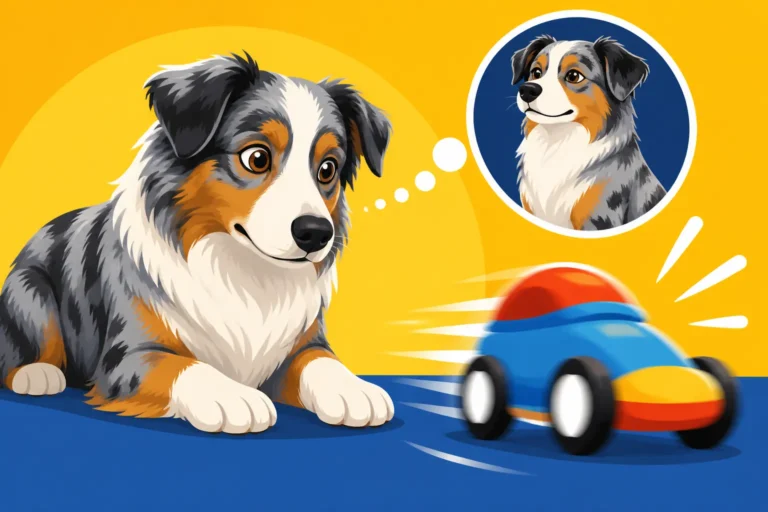
Australian Shepherds possess a unique combination of traits that can make them particularly susceptible to developing reactive behaviors. Their strong herding instinct, for example, means they are hardwired to notice and respond to movement. A jogger or a child running by isn't just a person; it's a "flock" member moving unpredictably, which can trigger their instinct to gather or control, especially when they feel they lack a clear job or direction. This inherent drive can lead to An Australian Shepherd Circling Joggers and Cyclists.
Furthermore, Aussies are often highly sensitive dogs. They absorb energy and notice subtle changes in their environment. This sensitivity, combined with their intelligence and high energy levels, can lead to overarousal. When they get too excited or too stressed, their ability to think clearly shuts down, and they revert to instinctual behaviors. Without proper socialization and training, this can easily manifest as reactivity.
The Difference Between Reactivity and Aggression
It’s crucial to understand that reactivity is not always the same as aggression, though it can certainly look that way to an outsider, and unchecked reactivity can lead to aggression. True aggression usually involves an intent to cause harm, often stemming from fear, resource guarding, or pain. Reactive behavior, on the other hand, is typically a learned response to feeling overwhelmed, anxious, or frustrated in a given situation. It's often a "fight or flight" response where the dog is trying to create distance or make the scary thing go away.
While a reactive Aussie might bark and lunge, it’s often a bluff or a warning display rather than an actual attempt to bite. However, if a reactive dog is continually pushed past its threshold, it can become genuinely fearful or frustrated enough to bite if it feels trapped or ignored. Recognizing this distinction helps you approach the problem with training and management rather than just punishment, which can actually worsen true aggression by suppressing warning signals. This distinction is key when you're seeking professional help, as it guides the approach your trainer will take.
Identifying Your Aussie's Threshold
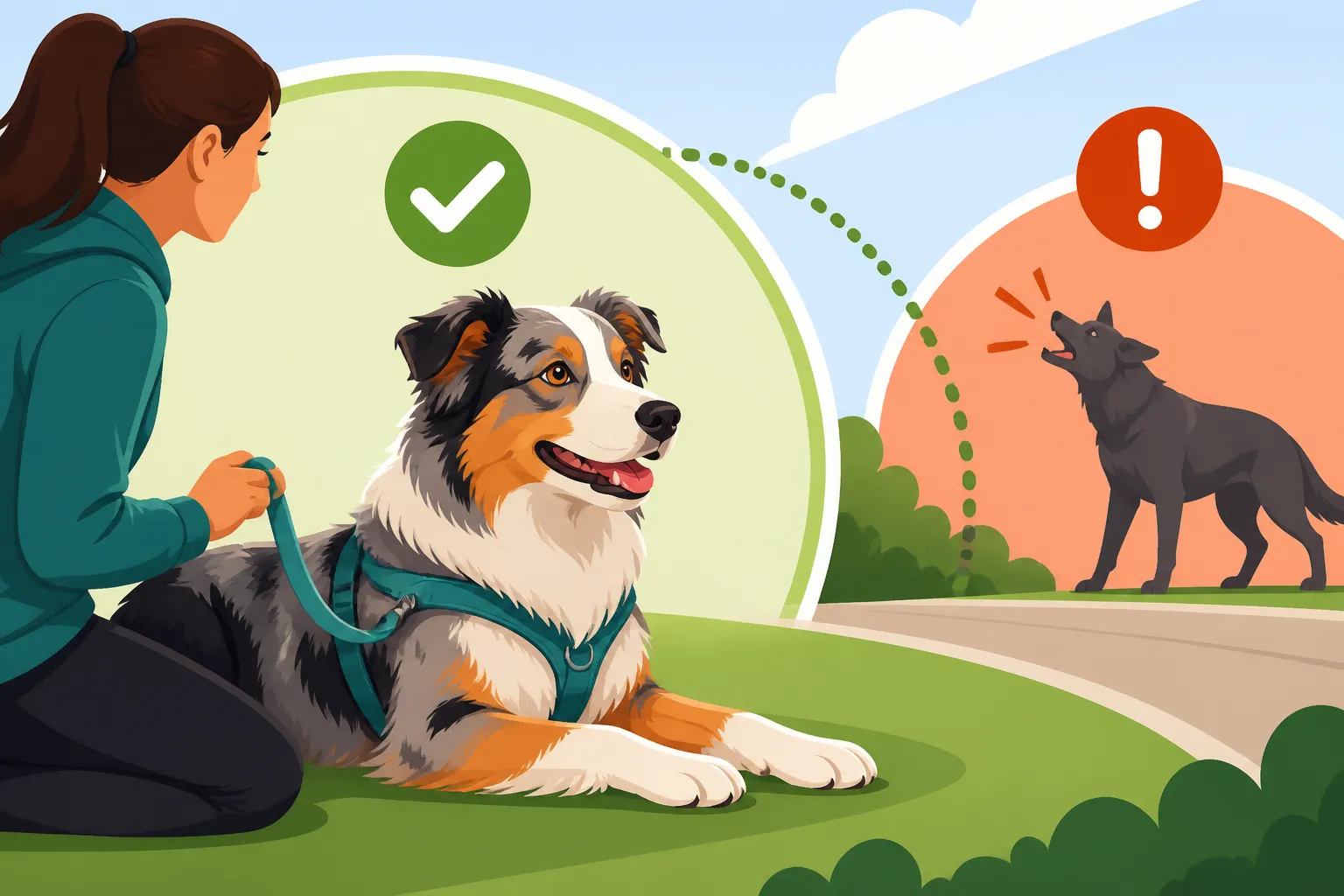
The concept of "working under threshold" is the cornerstone of managing and modifying reactive behavior. Simply put, it means keeping your Australian Shepherd at a distance from a trigger where they notice it but don't react negatively. They are aware, but calm enough to still listen to you and make good choices. This isn't always easy, and it requires careful observation and a lot of patience.
Recognizing Early Warning Signs
Before your Aussie explodes into a full-blown reactive display, they'll usually offer a series of subtle body language cues. These are their early warning signs that they're starting to feel uncomfortable or overstimulated. Learning to spot these cues is paramount to working under threshold. Look for things like a sudden stiffening of the body, a hard stare, a slight hackle raise, lip licking, yawning (out of context), whale eye (where you see the whites of their eyes), or ears that are pinned back or rotating nervously.
Your Aussie might also pull slightly on the leash, or become intensely focused, shutting out other environmental cues and even your voice. An Aussie That Stares at Everything can be a precursor to reactivity. If you catch these signs early, you have a window of opportunity to intervene before they go "over threshold." This might mean changing direction, increasing distance, or engaging them in a simple, well-rehearsed command. Missing these early signals means you're often too late to prevent the outburst.
The "Over Threshold" Experience
When your Australian Shepherd goes "over threshold," it means they've reached a point where their emotional brain has taken over. They are no longer capable of rational thought or learning. Think of it like a human having a panic attack – you can't reason with someone in that state. For your Aussie, this looks like the barking, lunging, spinning, and general chaos that we associate with reactivity.
At this stage, any attempts at training or redirection are futile. They can't hear you, they can't process information, and they certainly can't learn anything positive about the trigger. In fact, every time they go over threshold, they are essentially rehearsing the reactive behavior, making it stronger and more ingrained. The goal of working under threshold is to completely avoid this experience, giving your dog the mental space to learn new, positive associations. This means prioritizing management and distance above all else until they are ready.
Practical Ways to Find the Distance
Finding your Aussie’s threshold distance is a process of careful experimentation. Start by identifying your dog's main triggers. Is it other dogs? Certain types of people? Vehicles? Once you know the trigger, you need to observe your dog in its presence at varying distances. Take them to a park or a quiet street where you know triggers will eventually appear, but you can control the distance.
Here's a simple method:
- Start far away: Begin at a distance where your Aussie clearly sees the trigger but shows no signs of stress or reactivity. They might glance at it, but their body remains loose, and they can still respond to their name or a simple cue.
- Reward calm observation: The moment your Aussie notices the trigger and remains calm, mark that moment (with a clicker or a verbal "yes!") and reward them generously with high-value treats.
- Gradually decrease distance: Over successive training sessions, slowly try to decrease the distance, always staying at a point where your dog remains calm and focused. If they show any early signs of stress (the lip lick, the hard stare), you've gone too far. Increase the distance immediately.
It’s helpful to keep a journal of these sessions. Note the trigger, the distance, your Aussie's reaction, and what worked or didn’t. This table can help you track progress:
| Date | Trigger Type | Initial Distance (ft) | Reaction Below Threshold | Reaction Over Threshold | Next Step |
|---|---|---|---|---|---|
| 2024-03-01 | Large Dog | 75 | Glanced, took treat easily | N/A | Try 70ft next session |
| 2024-03-03 | Small Dog | 50 | Focused, a little stiff, took treat | N/A | Stay at 50ft, higher value treat |
| 2024-03-05 | Jogger | 60 | Turned head, then looked at me | N/A | Try 55ft next session |
| 2024-03-07 | Delivery Truck | 40 | Barked once, immediately redirected | Pulled hard, frantic barking | Increase distance to 50ft, work on redirect |
| 2024-03-10 | Child on Scooter | 80 | Watched calmly, sat when asked | N/A | Try 75ft next session |
Remember, every dog is different, and the threshold can change daily based on factors like fatigue, hunger, or overall stress levels. Be flexible and patient.
Strategies for Working Under Threshold
Once you understand what "under threshold" means for your individual Australian Shepherd, you can start implementing effective strategies. This isn't about quick fixes; it's about consistent, positive reinforcement training combined with smart management. The goal is to change your Aussie's emotional response to triggers from fear or frustration to neutrality or even positive anticipation.
Creating a Safe Learning Environment
The absolute first step in working with a reactive Aussie is to create a safe and controlled learning environment where they can succeed. This means intentionally setting up situations where you know you can keep your dog under their threshold. For many owners, this means avoiding popular dog parks, busy city streets, or crowded walking trails for a while. Instead, seek out quiet areas during off-peak hours.
Consider using a long line in a securely fenced area where you can practice recall and focus around very distant, low-level triggers without the pressure of a short leash. You might scout out local schoolyards after hours, quiet industrial parks on weekends, or even just your own backyard if it offers enough space. The key is to reduce variables and minimize surprises. If your dog can’t consistently stay under threshold in a controlled setting, they definitely won't be able to in a highly stimulating one. This might involve changing your walking routes entirely or driving to specific, less-trafficked spots.
Counter-Conditioning and Desensitization
These two techniques are the bedrock of working with reactivity under threshold. They work hand-in-hand:
- Desensitization: This involves gradually exposing your Australian Shepherd to their trigger at such a low intensity (great distance, short duration, low volume if it's a sound) that they don't react negatively. The idea is to slowly habituate them to the trigger.
- Counter-Conditioning: At the same time, you pair the presence of that low-intensity trigger with something incredibly positive, like high-value treats or a favorite toy. The goal is to change your Aussie's emotional response from "that thing is scary/frustrating" to "that thing means good stuff is coming!"
Here's how it often plays out: You're walking your Aussie, and you spot another dog far enough away that your Aussie notices it but isn't reacting. The second your Aussie looks at the other dog, you say "Yes!" and immediately pop a super tasty treat into their mouth. The other dog disappears from view, the treats stop. The other dog reappears, treats start. You are literally creating a positive association: "Other dog = YUMMY TREATS." Over time, your Aussie will start to look at the trigger and then immediately turn to you, anticipating the reward. This is often called "Look At That" (LAT) or "Engage-Disengage" game. Online training programs, like those offered by BAXTER & Bella, often incorporate these techniques into their structured puppy and adolescent training curricula, providing a fantastic foundation that can help prevent or mitigate reactivity if started early.
Management Techniques for Everyday Life
While training is crucial for long-term behavior modification, management is your best friend for preventing reactive outbursts in the short term. Every time your Aussie goes over threshold, it sets back your training. So, your primary goal is to avoid those situations as much as possible.
This means:
- Avoidance: If you know a particular street or time of day is a trigger minefield, simply don't go there. Change your route. Drive your dog to a quiet park.
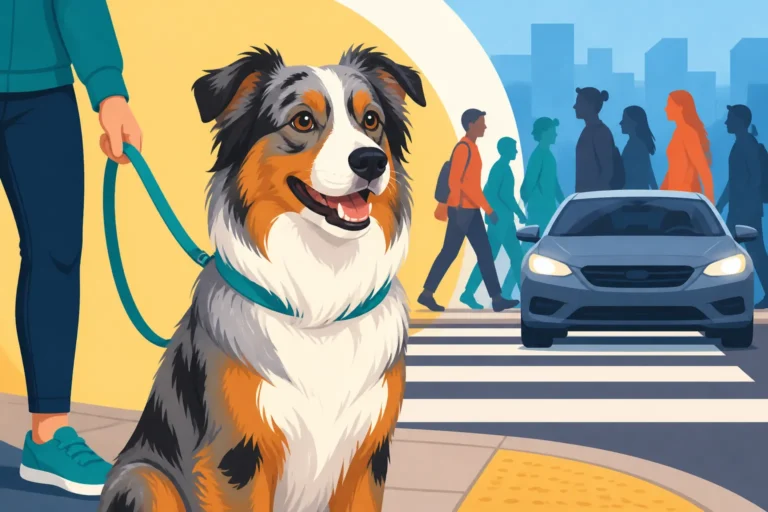
- Creating Distance: If you encounter a trigger unexpectedly, be prepared to cross the street, turn around, or step behind a car. Always give your dog more space than you think they need.
- Tools: A comfortable, secure harness like a front-clip harness can give you more control without putting pressure on your Aussie's throat. A long line can be useful for practicing in open spaces, but avoid retractable leashes, which can actually worsen reactivity. For some Aussies, a basket muzzle (properly introduced and fitted) can be a responsible management tool that reduces bite risk, allowing you to work closer to triggers with more confidence. Muzzle Training an Australian Shepherd is a valuable skill for any owner, especially those with reactive dogs.
- Distraction: High-value treats are a must. Carry a treat pouch filled with something irresistible your Aussie only gets for seeing triggers calmly. You can find excellent, robust treat pouches on Amazon that make it easy to grab a reward quickly.
Remember, management isn't a failure; it's a crucial part of the journey that protects your dog from practicing unwanted behaviors and gives you the peace of mind to train effectively.
Tools and Support for Your Reactive Aussie Journey
Dealing with a reactive Australian Shepherd can feel isolating and overwhelming, but you are not alone. There are many tools, resources, and professionals available to support you through this challenging but rewarding journey. Having the right gear and knowing when to seek expert help can make all the difference.
Essential Gear for Reactive Dog Owners
Having the right equipment can significantly improve your ability to manage and train your reactive Australian Shepherd.
- Leashes: A standard 6-foot leash is generally preferred over retractables, as it provides consistent tension and better control. You might also find a hands-free leash useful for some situations, allowing you to focus on treat delivery.
- Harnesses: A well-fitting, comfortable harness is key. Front-clip harnesses are often recommended for reactive dogs as they redirect your dog's forward momentum when they pull, giving you more steering control. Look for brands that offer good adjustability to fit an Aussie's unique build. Avoid harnesses that restrict shoulder movement or put pressure on the neck.
- High-Value Treats: This cannot be stressed enough. These are treats your Aussie only gets during training sessions, especially when working with triggers. Think small pieces of cooked chicken, cheese, or specialized training treats. Keep them easily accessible in a treat pouch during walks.
- Muzzle: As mentioned before, a well-fitted basket muzzle is a fantastic safety tool, not a punishment. It can help you feel more confident about managing your dog in public, allowing you to focus on training rather than constantly worrying about an accidental bite.
- Long Lines: For controlled environments where you can safely allow more freedom, a long line (15-30 feet) can be invaluable for practicing recall and distance work while still maintaining a connection. Australian Shepherd Crates, Long Lines and Gear covers more on these essentials.
- Calming Aids: Some Aussies may benefit from calming chews, pheromone diffusers, or thundershirts, especially if their reactivity stems partly from general anxiety or noise sensitivity. These are often used in conjunction with behavioral modification and should be discussed with your vet.
The Value of Professional Guidance
While self-study and online resources are incredibly helpful, there comes a point where professional guidance is invaluable, especially with a reactive Australian Shepherd. A certified professional dog trainer (CPDT-KA) or a certified dog behaviorist (CDBC, CAAB) has the expertise to assess your specific situation, identify the root cause of your Aussie's reactivity, and develop a tailored training plan. They can observe subtleties in your dog's body language that you might miss and offer hands-on coaching in real-time.
A good trainer will focus on positive reinforcement methods and will guide you through desensitization and counter-conditioning techniques in a safe and effective manner. If your Aussie's reactivity is severe or combined with true aggression, a veterinary behaviorist might be necessary. They can evaluate whether medication could be a helpful adjunct to behavioral therapy, similar to how Anti-Seizure Medication for an Australian Shepherd is used to manage epilepsy. Don't hesitate to seek help; a professional can accelerate your progress and provide much-needed support. Vetting a Trainer Before Booking an Aussie is a great resource for finding the right expert.
Celebrating Small Victories
Working with a reactive Australian Shepherd is a marathon, not a sprint. There will be good days and bad days, breakthroughs and setbacks. It’s easy to get discouraged when you feel like you're not making progress, or when a sudden trigger sets your Aussie back. This is why celebrating every single small victory is so important.
Did your Aussie notice another dog 50 feet away and just look at you for a treat, instead of barking? That's a win! Did you manage to turn around and avoid a trigger entirely? That's a win! Did your dog offer even one moment of calm focus during a walk? Celebrate it! Acknowledge your efforts and your dog's efforts. The journey to a calmer Aussie is built on these incremental successes. Patience, consistency, and a positive attitude will be your greatest assets. Remember why you love your Aussie, and know that with dedication, you can help them navigate the world with greater confidence and less stress.
Disclaimer
This article is for general informational purposes only and does not constitute professional advice. Laws, prices and regulations vary by location and change over time. Consult a qualified professional for guidance on your specific situation.