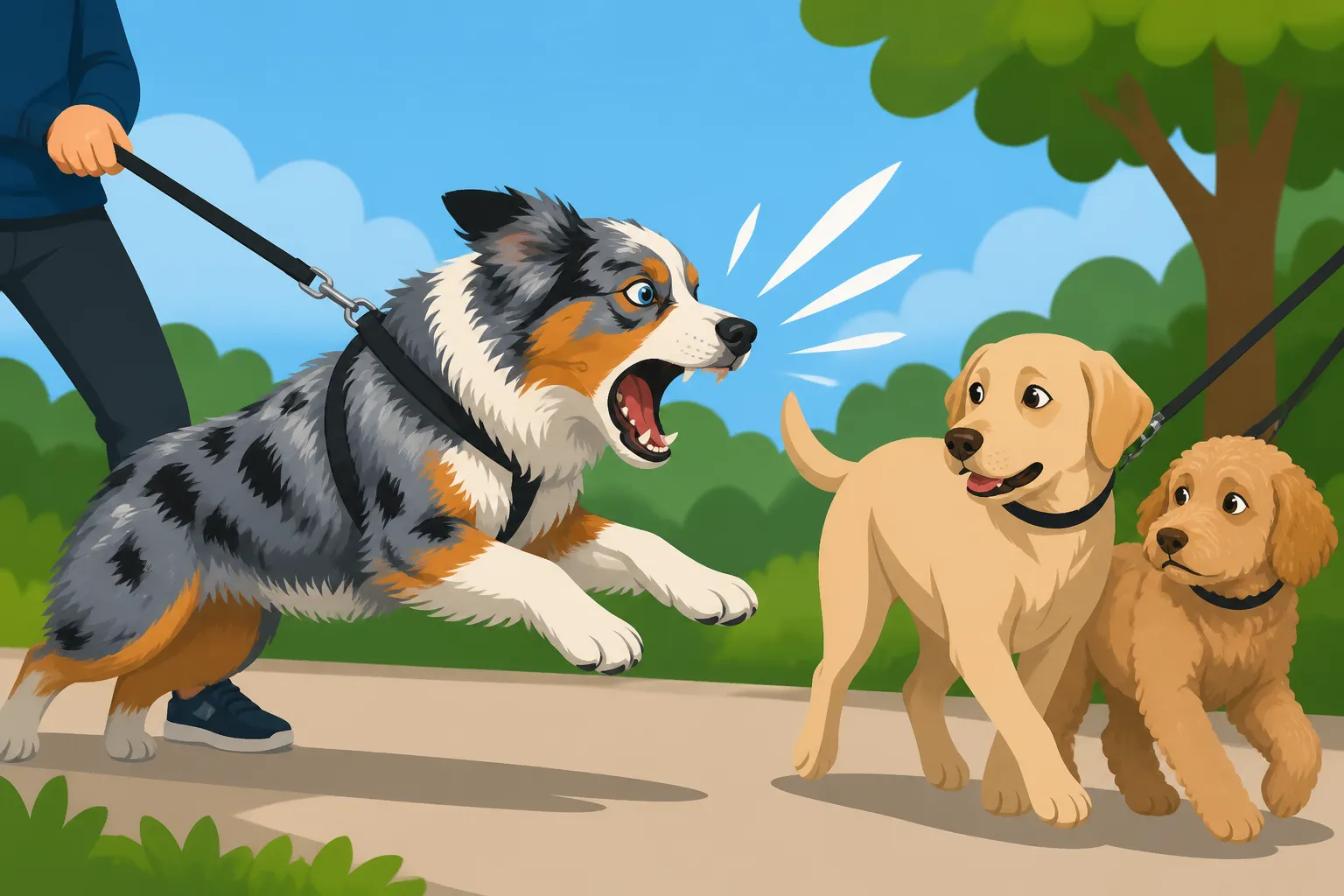
An Australian Shepherd Lunging at Passing Dogs
It can be incredibly disheartening, not to mention downright embarrassing, when your Australian Shepherd spots another dog on a walk and transforms from your beloved companion into a lunging, barking, straining beast at the end of the leash. You're left feeling helpless, frustrated, and maybe even a little angry, wondering why your usually well-behaved Aussie seems to lose all control in these moments. This guide is here to help you understand the common reasons behind this challenging behavior and equip you with practical strategies and training techniques to navigate and improve your Australian Shepherd's leash reactivity.
Understanding Why Your Australian Shepherd Lunges
When your Australian Shepherd lunges at passing dogs, it's rarely because they're inherently "bad" or aggressive. More often than not, it's a deeply rooted behavioral response stemming from a combination of breed-specific traits, past experiences, and emotional triggers. Understanding the "why" is the first critical step toward finding effective solutions and building a more harmonious relationship with your furry friend.
The Herding Instinct and Overarousal
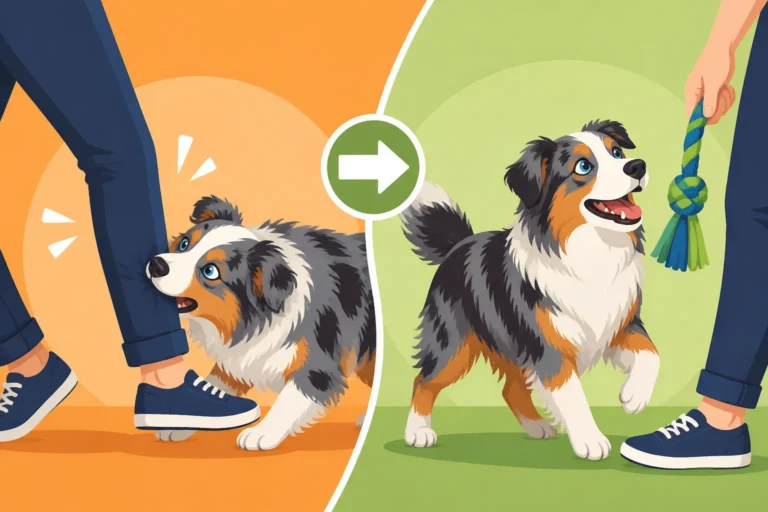
Australian Shepherds are phenomenal working dogs, bred for generations to control livestock with their intense gaze, quick movements, and strong herding drive. This instinct, while incredible on a farm, can manifest in unexpected ways in a suburban or urban environment. When your Aussie sees another dog, especially one moving quickly or unpredictably, their ancient herding brain might kick in. They might not be trying to "herd" the dog in the traditional sense, but the sight of movement, combined with their natural intensity, can quickly push them into a state of Australian Shepherd Reactivity and Overarousal.
Imagine your Aussie sees another dog. Their eyes lock on, their body tenses, and they might start to fixate. This isn't necessarily aggression; it's often a heightened state of excitement, frustration, or even confusion about how to handle the stimulus. They can quickly become overstimulated, and the only way they know how to release that pent-up energy and communicate their feelings is by lunging, barking, and pulling. It's like a pressure cooker building steam, and the leash acts as a barrier, intensifying their frustration because they can't actually do anything with that intense feeling. They're wired to work, to engage, and when they can't, it spills out as reactivity.
Fear, Frustration, or Resource Guarding
While the herding instinct plays a big role, reactivity isn't always about a desire to "work" another dog. Often, it's rooted in deeper emotions like fear or frustration.
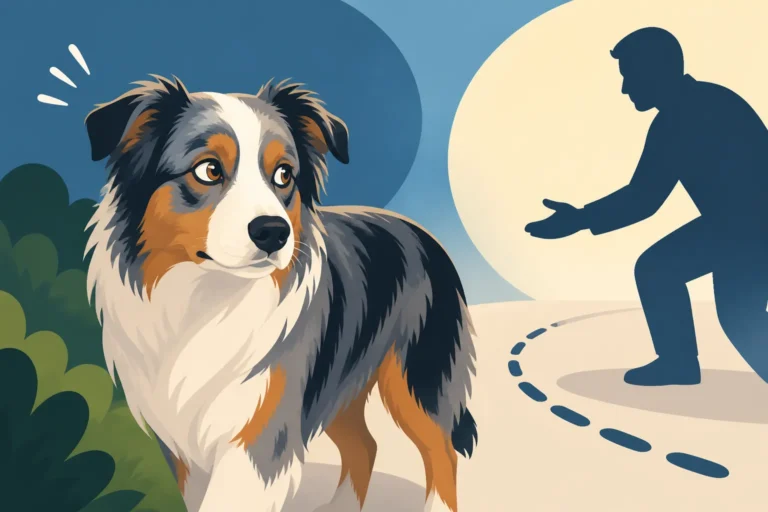
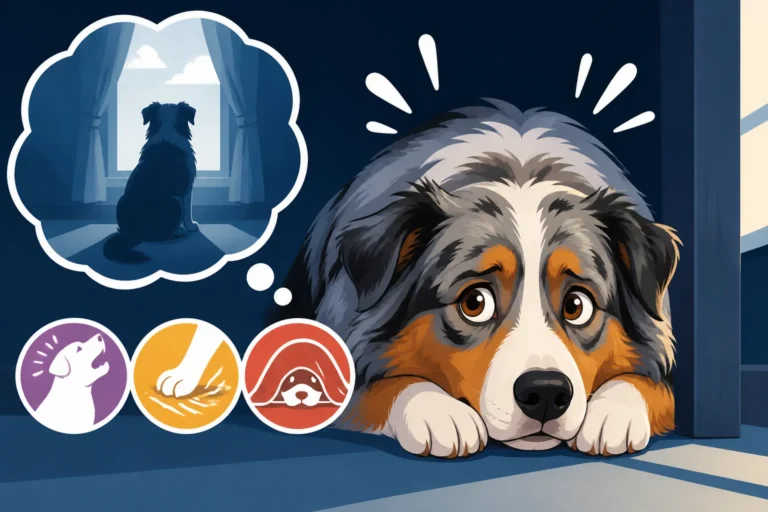
- Fear-Based Reactivity: Some Aussies lunge because they're genuinely scared or insecure around other dogs. Maybe they had a bad experience as a puppy, were undersocialized, or simply find other dogs intimidating. Their lunging and barking become a "stay away" signal – a defense mechanism to create distance. They might be thinking, "If I act big and scary, maybe they'll leave me alone." You might notice subtle signs before the lunge, like lip licking, yawning, tucking their tail, or trying to hide behind you. This is often the case when your Aussie tries to shy away from interaction but then escalates to barking and lunging when the other dog approaches too closely.
- Frustration-Based Reactivity: This is incredibly common in intelligent, high-drive breeds like Australian Shepherds. They want to interact, but the leash prevents them from doing so. This creates immense frustration, which then boils over into lunging and barking. It's like being stuck behind a fence, wanting to play with the kids on the other side, but being unable to get there. This often happens with dogs who are friendly off-leash but become a terror when restrained. They might whine, pull intensely, and their body language might show a desire to approach, but their method is overwhelming.
- Resource Guarding: While less common specifically for passing dogs, some Aussies might feel they need to guard their person or even their walking route from other dogs. This isn't typically the primary driver for general leash reactivity, but it can contribute to the intensity of the reaction if they perceive the approaching dog as a threat to "their" resources, which can include you. This can be particularly true if they have a strong bond with their handler and are protective.
Lack of Early Socialization
Proper Socializing an Australian Shepherd Beyond the Farm is paramount. A lack of positive, controlled exposure to a variety of dogs, people, environments, and sounds during their critical puppy development window (roughly 3-16 weeks) can severely impact how they perceive the world as adults. If an Aussie puppy only ever met dogs in a highly stimulating, uncontrolled dog park environment, or conversely, met too few dogs at all, they might develop anxiety or inappropriate social skills.
When they haven't learned how to calmly observe and interact with other dogs from a safe distance, every passing dog becomes a potential unknown, a source of anxiety, or an overwhelming stimulus. They haven't built the "reference library" of positive experiences needed to generalize that "other dogs are usually fine." Instead, they're left guessing, and often, guessing wrong by defaulting to a reactive display. The critical period for learning is often missed, making later training more challenging, but certainly not impossible.
Practical Steps to Manage Leash Reactivity
Dealing with an Australian Shepherd that lunges at other dogs requires a multi-faceted approach. It's not just about stopping the lunge; it's about changing your dog's underlying emotional response to other dogs, and equipping you with the tools to manage the environment.
Equipment and Management Strategies
Before you even start formal training, good management is essential for keeping everyone safe and preventing the behavior from getting worse. Every time your dog practices lunging and barking, the behavior gets stronger.
- Front-Clip Harnesses: These can be a game-changer. Instead of attaching the leash to a collar (which can put pressure on their neck and even exacerbate reactivity) or a back-clip harness (which often just allows them to pull with full force), a front-clip harness redirects their pulling power sideways. Brands like the Freedom No-Pull Harness or the Balance Harness are popular choices. When your Aussie pulls, they're gently turned to the side, making it harder for them to lunge forward with force. You can find many effective options on Amazon.
- Long Line for Space: While counter-intuitive for reactivity, a long line (when used safely in appropriate, open spaces) can provide a sense of freedom without actually letting your dog off-leash. This helps them burn off energy, which can reduce overall tension on walks. However, it's not for direct use when passing other dogs. For reactive encounters, you need to shorten the leash and ensure maximum control.
- Muzzle Training: For some reactive Aussies, especially if there's any bite risk, muzzle training is a responsible and humane choice. A well-fitted basket muzzle allows your dog to pant, drink, and take treats, ensuring their comfort while providing peace of mind for you and safety for others. Introducing a muzzle positively can greatly reduce stress for everyone. Check out our guide on Muzzle Training an Australian Shepherd.
- Avoid Triggers (Walk at Off-Peak Hours): The easiest way to prevent a reaction is to avoid the triggers. Walk your Aussie when fewer dogs are out – early mornings, late evenings, or during typical workday hours. Explore less-trafficked routes, quiet industrial parks on weekends, or even your own fenced yard for enrichment. The goal is to set your dog up for success, not to constantly expose them to overwhelming situations.
- Create Distance: This is your most powerful tool. The moment you spot another dog, increase the distance between your Aussie and the trigger. Cross the street, duck behind a car, step into someone's driveway (if appropriate), or simply turn around and walk the other way. Find your dog's "threshold"—the distance at which they notice the other dog but before they react. This is where all your effective training will happen.
Changing the Emotional Response
The core of addressing reactivity is shifting your Aussie's emotional state from negative (fear, frustration) to positive (calm, happy anticipation) when they see another dog. This is called counter-conditioning.
- High-Value Treats: Forget the dry kibble for this. You need treats that are so utterly amazing, so incredibly distracting, that your Aussie can barely resist them. Think boiled chicken, cheese, hot dogs, or liverwurst. These treats are key to changing your dog's association.
- Positive Association: The goal is for your Aussie to see another dog and think, "Yay! Where's my chicken?" instead of "Argh! Get away!"
- Spot and Treat: The moment your Aussie notices another dog (before they react!), immediately start feeding them a stream of high-value treats. Keep feeding until the other dog is out of sight.
- Treats Disappear: As soon as the other dog disappears, the treats stop. This teaches your dog that the presence of another dog predicts delicious things, and the absence of the other dog means the party is over.
- Repeat, Repeat, Repeat: Consistency is vital. Every positive encounter, even a brief one, rewires their brain. You are literally changing their brain chemistry over time.
This isn't just about distracting them; it's about altering their emotional response. Over time, your Aussie will start to associate the sight of another dog with something wonderful, rather than something stressful. This process is often referred to as Working a Reactive Aussie Under Threshold.
Building a Strong Foundation with "Look at That"
The "Look at That" game, or "Engage-Disengage," is a fantastic structured way to apply counter-conditioning. It teaches your dog to look at a trigger (the other dog), then look back at you for a reward, thus disengaging from the trigger.
- Spot the Trigger: From a distance where your Aussie can see the other dog but isn't reacting, say "Look at that!"
- Mark the Look: The moment your Aussie glances at the other dog, mark the behavior with a verbal marker like "Yes!" or a clicker.
- Reward: Immediately follow with a high-value treat delivered to your dog's nose, pulling their attention back to you.
- Repeat: As the other dog passes, continue this sequence. "Look at that!" (dog glances), "Yes!" (treat).
- Aim for Disengagement: Eventually, your goal is for your Aussie to spot the other dog, voluntarily look back at you, then you mark and reward. They are choosing to disengage from the trigger in favor of you and the reward.
This technique is powerful because it gives your Aussie an alternative, desirable behavior to perform instead of lunging. It gives them a "job" – and Aussies thrive on having a job – which is to look at the trigger and then look to you. BAXTER & Bella offers excellent online training resources that often include detailed instructions for exercises like "Look at That," which can be a huge help if you prefer a structured learning program.
Training Techniques for a Calmer Aussie on Leash
Beyond managing the environment and changing emotional responses, specific training techniques can empower your Australian Shepherd to handle passing dogs with greater calm and control. These methods focus on teaching alternative behaviors and building your Aussie's confidence in challenging situations.
Counter-Conditioning and Desensitization
We touched on counter-conditioning (changing the emotional response) earlier, but let's delve deeper into how desensitization works hand-in-hand with it. Desensitization means gradually exposing your dog to the trigger at such a low intensity that they don't react, slowly increasing the intensity over time.
- Find Your Threshold: This is critical. You need to identify the exact distance at which your Aussie can notice another dog without showing any signs of stress or reactivity (no stiff body, no staring, no tension on the leash, no barking or lunging). This might be across the street, down the block, or even just seeing another dog in the distance through a window.
- Controlled Exposures: Once you know your threshold, start working below it. If your Aussie can calmly see another dog 50 feet away, that's your starting point. Begin a session by having a friend with a calm, neutral dog walk by at that distance, or strategically choose a park bench where other dogs pass far away.
- The Treat Flow: The moment the other dog enters your Aussie's sight, start feeding those high-value treats continuously. Keep the treats coming until the other dog is completely out of sight. This creates a strong positive association: "Other dog = yummy food!"
- Gradual Approach: Over many, many sessions (and this can take weeks or months, so patience is key!), you will slowly decrease the distance. Only move closer when your Aussie consistently remains calm and focused on you at the current distance. If they react, you've gone too fast; increase the distance again.
- Observing Body Language: Pay close attention to your Aussie's subtle cues. Reading an Aussie Body Language Under a Full Coat is vital. Are their ears slightly back? Is their tail low? Are they stiffening? Any of these can indicate they're nearing their threshold. If you see these signs, you're too close and need to back off.
This method requires incredible consistency and a commitment to not pushing your dog too far too fast. Every time your dog reacts, it sets back your progress, reinforcing the unwanted behavior.
Engagement Games and Focus Exercises
A huge part of preventing reactivity is ensuring your Aussie is highly engaged with you on walks, making you more interesting than any passing distraction.
- U-Turns and Change of Direction: Practice sudden U-turns and changes of direction on leash. Randomly change direction every few steps. This keeps your Aussie paying attention to your movements and anticipating your next command. Reward heavily for staying by your side and looking up at you.
- "Watch Me" Command: Teach a solid "watch me" or "look" command. Start in a low-distraction environment. Hold a treat to your nose, say "Watch Me," and when your Aussie makes eye contact, mark and reward. Gradually increase duration and distraction. This command becomes your lifeline when you need to redirect their attention from an approaching dog.
- Pocket Treats: Always have treats in your pocket. Randomly reward your Aussie for simply walking calmly by your side, for checking in with you, or for ignoring a distant distraction. This builds a habit of offering good behavior because they know it might be rewarded.
- Pattern Games: These are simple, predictable games that teach your dog to look to you for guidance and treats in distracting environments.
- The "1-2-3-Treat" Game: Walk a few steps (1), pause (2), dog looks at you (3), treat! Repeat, repeat, repeat.
- The "Walk-Stop-Treat" Game: Walk, stop, as your dog stops and looks at you, treat! Then start walking again. This keeps them engaged in the rhythm of the walk with you.
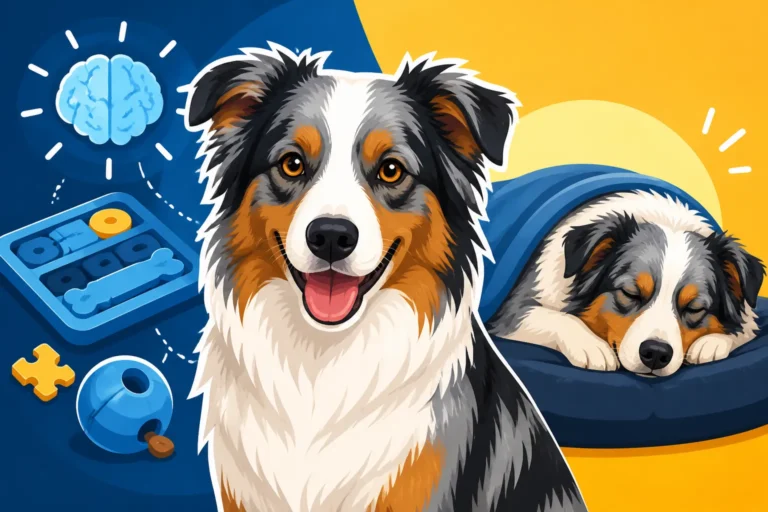
- Mental Stimulation: Remember that Why Physical Exercise Alone Never Settles an Aussie. A mentally tired Aussie is often a calmer Aussie. Incorporate puzzle toys, scent games (Scent Games That Tire an Australian Shepherd), and trick training into your daily routine. A dog whose brain is regularly engaged is less likely to become overstimulated and reactive on walks.
Professional Help and Online Resources
Sometimes, despite your best efforts, managing leash reactivity on your own can feel overwhelming. That's okay! Many dedicated professionals specialize in this challenging behavior.
- Certified Professional Dog Trainer (CPDT-KA) or Certified Behavior Consultant Canine (CBCC-KA): Seek out a trainer or behaviorist who uses positive reinforcement, force-free methods. Avoid anyone who suggests punishment, dominance theory, or techniques that cause fear or pain, as these will likely worsen reactivity in the long run. Look for certifications that indicate professional knowledge and ethical practices. A good trainer will help you develop a personalized plan, guide you through the techniques, and observe your dog's specific triggers and responses. When Vetting a Trainer Before Booking an Aussie, ask about their experience with reactivity and their training philosophy.
- Veterinary Behaviorist (DACVB): For severe cases of reactivity, especially those with an underlying anxiety component, a veterinary behaviorist can be invaluable. These are veterinarians with specialized training in animal behavior. They can diagnose underlying medical conditions, prescribe medication (if appropriate) to help manage anxiety, and work in conjunction with your trainer to provide a comprehensive behavioral modification plan.
- Online Training Programs: Many excellent online resources can provide structured lessons and support. BAXTER & Bella is one such program that offers comprehensive online training for puppies and adult dogs, including modules on leash manners and dealing with distractions. These can be particularly helpful for busy individuals or those who don't have access to local force-free trainers.
- Support Groups: Connecting with other Australian Shepherd owners or owners of reactive dogs can provide a sense of community and shared understanding. You can exchange tips, celebrate small victories, and feel less alone in your journey.
Living with a Reactive Australian Shepherd
Having a reactive Australian Shepherd is a journey, not a destination. It requires ongoing commitment, a deep understanding of your dog, and a willingness to adapt your lifestyle. But with patience and consistent effort, you can significantly improve your Aussie's behavior and your shared quality of life.
Consistency and Patience Are Key
This might be the hardest pill to swallow for many owners. There are no quick fixes for leash reactivity, especially in a breed as intelligent and hard-wired as the Australian Shepherd.
- Embrace Small Victories: Celebrate the small moments: a walk where your Aussie only glanced at another dog instead of lunging, a moment where they successfully disengaged, or even just a walk where you managed to avoid all triggers. Every calm walk is a win.
- Be Your Dog's Advocate: You are your Aussie's protector. Don't be afraid to create space, say "no" to off-leash dogs, or educate well-meaning strangers who want to approach. It's okay to cross the street, turn around, or politely decline an interaction. Your dog's comfort and safety come first.
- Bad Days Happen: There will be days when your Aussie reacts, even after weeks of progress. Don't get discouraged. It's a normal part of the process. Reflect on what might have triggered the setback (too close, too many dogs, overtired, overstimulated) and adjust for the next walk. Use it as a learning opportunity, not a failure.
- Long-Term Commitment: Reactivity is often a chronic issue that requires ongoing management and training. Even when your Aussie improves dramatically, it's wise to remain vigilant, carry treats, and be prepared to manage situations. Think of it less as "curing" and more as "managing" and "improving."
Advocating for Your Dog
Part of owning a reactive Australian Shepherd is becoming their best advocate. This means proactively managing situations and communicating your dog's needs to others.
- Communicate Clearly: Don't hesitate to clearly tell approaching owners, "My dog needs space," or "We're in training, please keep your dog away." You don't owe anyone a detailed explanation, but clear communication can prevent unwanted interactions.
- Visible Cues: Consider equipping your Aussie with a bright vest or bandana that says "I Need Space" or "In Training." These visible cues can help communicate your dog's needs from a distance, giving others a chance to react appropriately.
- Understand Their Limits: Your Australian Shepherd has a working brain and sensitive nature. Recognize that they might not be a "dog park dog" or enjoy crowded urban environments. Focus on activities they do enjoy, like hiking on quiet trails, playing fetch in a fenced yard, or participating in solitary dog sports like Australian Shepherd Scent Work Titles. Don't force them into situations that are inherently stressful for them.
- Enrichment at Home: Ensure your Aussie gets plenty of mental and physical enrichment at home, especially if walks are limited due to reactivity. Puzzle feeders, chew toys (like those durable options you can find on Amazon), flirt poles, and training sessions can help fulfill their drive and reduce pent-up energy, making them calmer on walks. You can also explore Indoor Enrichment for a Housebound Aussie.
By being patient, consistent, and your Aussie's staunchest advocate, you can help them navigate the world with greater confidence and significantly reduce their lunging behavior, making walks a more enjoyable experience for both of you.
Disclaimer
This article is for general informational purposes only and does not constitute professional advice. Laws, prices and regulations vary by location and change over time. Consult a qualified professional for guidance on your specific situation.