Australian Shepherd Ear Cleaning
One common frustration for many Australian Shepherd owners is dealing with persistent ear issues, from itchy irritation to full-blown infections. Their beautiful, often flopped ears and adventurous spirit can inadvertently create the perfect breeding ground for trouble, leading to discomfort and costly vet visits. This guide will walk you through everything you need to know about keeping your Aussie's ears clean, healthy, and comfortable, helping you tackle these challenges with confidence and care.
Why Australian Shepherd Ears Need Special Attention
Australian Shepherds are incredible dogs, known for their intelligence, energy, and striking looks. However, some of those very traits and their physical characteristics can make them particularly susceptible to ear problems. It's not just bad luck; there are anatomical and lifestyle reasons why their ears require a little extra vigilance compared to some other breeds. Understanding these factors is the first step in proactive care.
Anatomy That Holds Moisture and Debris
Take a good look at your Aussie's ears. Many of them have those lovely, expressive semi-prick or rose ears that flop forward or to the side. While adorable, this ear carriage creates a warmer, more enclosed environment compared to dogs with fully upright ears. This closed-off space naturally reduces airflow, which can trap moisture and heat inside the ear canal. For bacteria and yeast, this warm, damp environment is like an open invitation to set up shop and multiply, leading to those common, smelly infections we all dread.
Beyond the general ear shape, the internal structure of an Australian Shepherd's ear canal often has a lot of hair. This dense hair acts like a net, catching anything and everything that might enter the ear: dust, dirt, pollen, and even tiny bugs. When these particles get trapped, they can irritate the delicate lining of the ear canal, causing itchiness and inflammation. Over time, this buildup of debris, combined with poor airflow, creates a perfect storm for painful ear infections, making regular cleaning even more crucial for these fuzzy-eared companions.
Active Lifestyles and Environmental Exposure
Australian Shepherds are not couch potatoes; they are active, outdoor-loving dogs designed for work and play. Whether they're herding sheep, chasing frisbees in the park, hiking through the woods, or splashing in a lake, their ears are constantly exposed to the elements. This adventurous spirit, while wonderful for their physical and mental health, can introduce a host of foreign invaders into their ear canals.
Think about a typical day for an active Aussie: a romp through tall grass might embed grass seeds or foxtails deep within the ear. A swim in a pond or river, which many Aussies adore, can leave water trapped in their canals long after they've shaken off. Even a dusty walk can fill their ears with fine particulate matter. These environmental factors, combined with their ear anatomy, make diligent inspection and cleaning an absolute necessity. Without it, you're constantly playing catch-up with irritation and potential infections.
Recognizing the Signs of Ear Trouble in Your Aussie
As a pet parent, becoming attuned to your Australian Shepherd's subtle cues is incredibly important, especially when it comes to their health. Ear problems can escalate quickly from a minor irritation to a painful infection if left unaddressed. Knowing what to look for, both visually and behaviorally, can help you intervene early and save your dog a lot of discomfort, not to mention avoiding more intensive vet treatments down the line.
Visual Cues of Infection or Irritation
When you glance into your Aussie's ears, what you're looking for is consistency with their normal, healthy appearance. A healthy ear canal should be a pale pink color, free from any excessive discharge or strong odors. If you notice any redness or swelling around the opening of the ear canal or inside the pinna (the floppy part of the ear), that's a definite red flag. This inflammation often indicates irritation or the beginning of an infection.
Another major sign to watch for is discharge. Healthy ears should be relatively clean, with minimal waxy buildup. If you see brown, black, yellow, or greenish discharge, especially if it's thick, crusty, or has a texture resembling coffee grounds, it’s a strong indicator of a problem. A musty, sweet, or foul odor emanating from the ear is also a tell-tale sign of an active infection. Don't ignore these visual and olfactory clues; they're your Aussie's way of telling you something is wrong. Many of these issues can mirror the discomfort of Australian Shepherd Skin, Coat and Allergy Problems elsewhere on their body.
Behavioral Indicators of Discomfort
Dogs are masters at hiding pain, but even the stoic Australian Shepherd will usually give away signs of ear discomfort through changes in their behavior. One of the most common signs is excessive head shaking. It might start subtly, a quick flick of the head, but if it becomes more frequent or vigorous, it suggests an itch or irritation they're trying to dislodge. Similarly, if your Aussie is constantly pawing at their ear or rubbing their head against furniture or the ground, it's a clear signal that something isn't right inside.
You might also notice your Aussie becoming more sensitive around their head, especially when you try to touch or examine their ears. They might flinch, pull away, or even yelp if the ear is particularly painful. A change in temperament, such as becoming more withdrawn or less enthusiastic about their favorite activities, can also be a subtle indicator of chronic discomfort. Any of these behavioral changes, particularly when combined with visual cues, warrant a closer look and likely a call to your veterinarian. Ignoring these signs could lead to severe Australian Shepherd Ear Infections that are much harder to treat.
Essential Tools and Supplies for Effective Ear Cleaning
Embarking on an ear cleaning mission for your Australian Shepherd doesn't require a lot of fancy equipment, but having the right tools on hand makes the process smoother, safer, and more effective. Just like you wouldn't try to groom their dense double coat without the right brushes, you shouldn't try to tackle their ears with makeshift solutions. Being prepared helps create a positive experience for both you and your loyal companion.
Choosing the Right Ear Cleaner for Aussies
The type of ear cleaner you use is paramount. You need a solution specifically designed for canine ears – never use rubbing alcohol, hydrogen peroxide, or harsh soaps, as these can irritate or even damage the delicate ear canal. Look for pH-balanced, gentle, and non-irritating formulas. Many veterinarians recommend solutions that contain drying agents, which are particularly helpful for Aussies who love to swim or are prone to moisture-related issues. Solutions with mild antiseptic properties can also be beneficial for general maintenance.
You'll find a wide array of vet-approved ear cleaning solutions and cleaning pads available from online retailers like Chewy or directly from your local pet supply store. Your veterinarian is your best resource for recommending a specific brand or type of cleaner that suits your Aussie's individual needs, especially if they have a history of sensitivity or infections. Having a good quality, vet-approved cleaner is non-negotiable for safe and effective ear hygiene.
Selecting Safe and Gentle Cleaning Aids
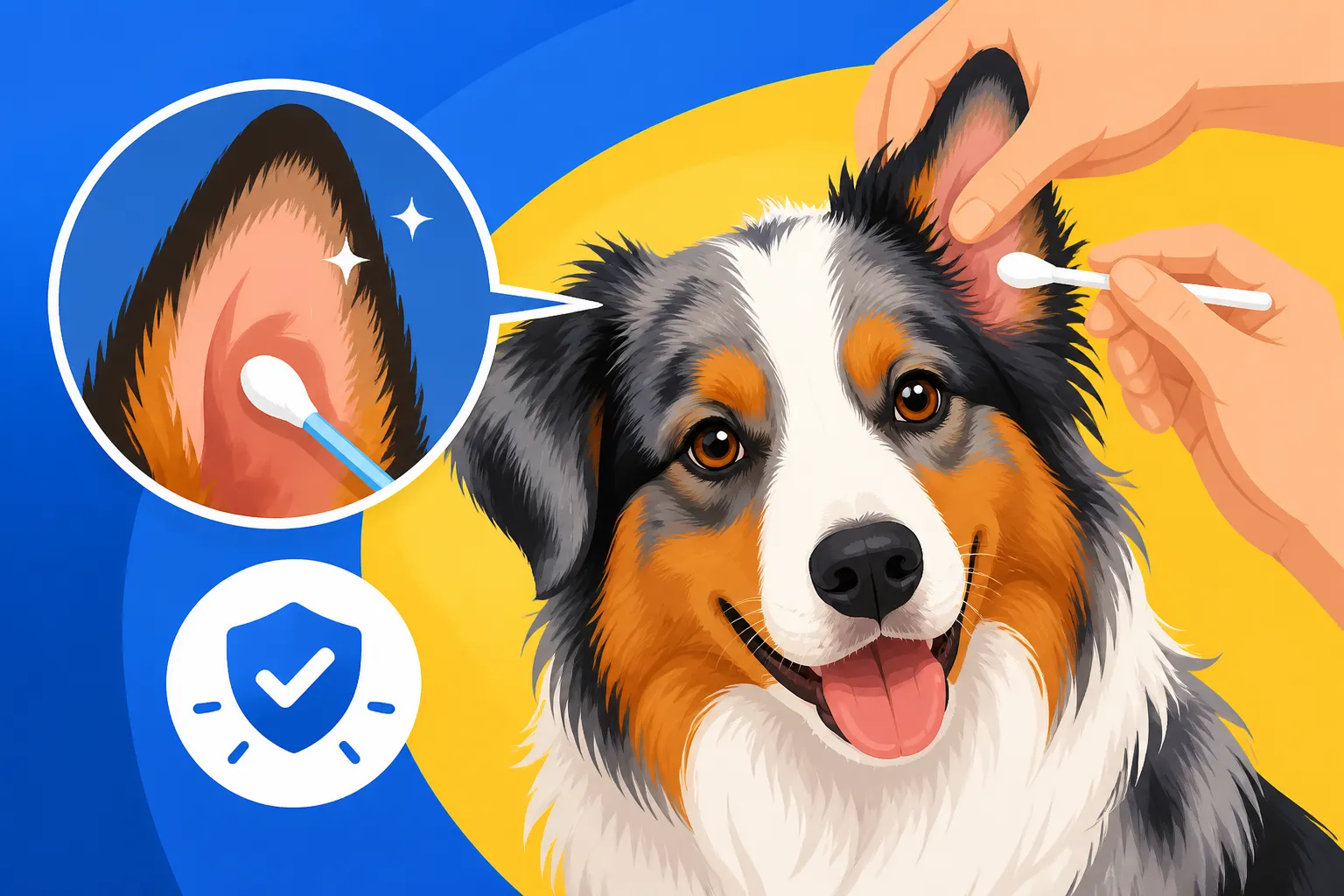
When it comes to actually getting into the ear, choose your tools wisely. The golden rule is: never use cotton swabs (Q-tips) deep inside your Aussie's ear canal. While tempting, these can push debris further down, compact wax, or even rupture the eardrum. Instead, opt for large cotton balls, gauze pads, or even specialized pet ear wipes. These are gentle enough to clean the outer folds and visible parts of the ear without risking damage to the deeper structures.
For drying after cleaning, soft tissues or a clean, dry piece of gauze work well. If your Aussie has particularly hairy ears, you might ask your groomer or vet about carefully trimming some of the hair around the opening of the canal to improve airflow, but never attempt to pluck hair deep inside unless specifically instructed by a vet, as this can cause painful inflammation. Amazon can be a good source for specific items like extra-large cotton balls or veterinary gauze, often in bulk.
Setting Up a Calm and Comfortable Cleaning Station
Preparation goes beyond just gathering supplies; it extends to creating the right environment. Choose a quiet, well-lit area where you and your Aussie will be comfortable and undisturbed. Lay down a towel or two – ear cleaning can be a bit messy, and you'll appreciate the easy cleanup. Having a few high-value treats on hand is also essential for positive reinforcement, turning a potentially unpleasant task into a more tolerable, or even enjoyable, routine.
A good light source, such as a headlamp or a bright desk lamp, can be incredibly helpful, allowing you to clearly see inside the ear canal. If your Aussie is particularly wiggly, having another person to gently hold them can make the process much smoother and safer. The goal is to make this routine as stress-free as possible, building trust and cooperation rather than creating anxiety around ear care. Remember, consistency in your Australian Shepherd Dental and Ear Routine helps establish a predictable and less stressful experience over time.
Step-by-Step Guide to Cleaning Your Australian Shepherd's Ears
Cleaning your Australian Shepherd's ears might seem daunting at first, especially if you're worried about hurting them or doing it incorrectly. But with a calm demeanor, the right technique, and plenty of positive reinforcement, it can become a straightforward part of your regular grooming routine. The key is to be gentle, patient, and methodical, ensuring you clean thoroughly without causing distress.
Preparing Your Aussie for the Process
Before you even reach for the ear cleaner, take a moment to set your Aussie up for success. Start by creating a calm atmosphere. Speak to them in a reassuring voice, pet them gently, and let them know everything is okay. If they're a puppy, begin these sessions early and make them short and sweet. For adult Aussies, a short play session beforehand can help burn off some energy, making them more likely to settle down. Have those high-value treats ready – even before you start the actual cleaning, give them a few treats for simply being cooperative.
Position your Aussie comfortably. For smaller dogs, you might hold them on your lap. For larger dogs, having them sit or lie down on a non-slip surface works well. If you have another person to help, one can gently steady your dog while the other focuses on the ears. The aim here is not to restrain them forcefully, but to provide gentle support and make them feel secure. This positive start is crucial for building a good association with ear cleaning.
The Gentle Cleaning Technique
Now for the actual cleaning. First, gently fold back your Aussie's ear flap to expose the opening of the ear canal. If there’s a lot of visible hair, you can gently hold it out of the way. Take your veterinarian-approved ear cleaner and carefully insert the tip of the bottle into the ear canal. Do not push it down deep; just get it into the opening. Squeeze a generous amount of solution into the canal until it feels full. You should hear a squishing sound, which means the cleaner is reaching all the nooks and crannies.
Once the cleaner is in, gently massage the base of the ear for about 20-30 seconds. This massage helps break up wax and debris deep within the canal. Your Aussie might shake their head vigorously at this point, which is completely normal and actually beneficial – it helps dislodge the gunk! After they've had a good shake, take a cotton ball or a piece of gauze and gently wipe out the visible part of the ear canal, as well as the inner surfaces of the ear flap. Don't go deeper than your finger can comfortably reach. Repeat this process for the other ear. You'll be surprised by how much dirt comes out, particularly if you're dealing with issues like Foxtails in an Australian Shepherd Ear.
Rewarding and Reinforcing Good Behavior
The final, and arguably most important, step in the ear cleaning process is rewarding your Australian Shepherd. As soon as you're done, praise them enthusiastically and immediately offer those high-value treats you had ready. The goal is to create a strong positive association between ear cleaning and getting something wonderful. If they were a little fussy, still reward them for the parts they did tolerate, reinforcing even small moments of cooperation.
Consistency in this reward system is key. Each time you clean their ears, make it an upbeat experience with plenty of praise and treats. Over time, your Aussie will learn that while the ear cleaning itself might be a bit strange, it always leads to good things. This makes future cleanings much easier and less stressful for everyone involved, reinforcing their trust in you and making ear hygiene a routine rather than a battle.
Common Mistakes to Avoid When Cleaning Aussie Ears
While ear cleaning is a vital part of your Australian Shepherd's overall health, it's possible to do more harm than good if you're not careful. Many well-intentioned owners make common mistakes that can irritate their dog's ears, push problems deeper, or even lead to injury. Being aware of these pitfalls will help you maintain healthy ears without creating new issues.
Over-Cleaning and Under-Cleaning Risks
Finding the right frequency for ear cleaning is crucial. Under-cleaning, where you neglect the ears entirely, is a common issue that allows wax, dirt, and moisture to build up, leading to rampant bacterial or yeast infections. Many active Aussies, especially those prone to Seasonal Allergies in an Australian Shepherd, might need their ears checked and cleaned more frequently than a sedentary dog. Ignoring routine care means you're constantly fighting an uphill battle against potential problems.
On the flip side, over-cleaning can be just as detrimental. While it might seem like more cleaning equals healthier ears, excessive cleaning can strip the ear canal of its natural protective oils and disrupt the delicate pH balance. This can lead to irritation, dryness, and actually make the ears more susceptible to infection by compromising their natural defenses. A general guideline is to clean your Aussie's ears no more than once a week, and often less, unless specifically instructed by your vet due to an active infection or particular predispositions. Always consult your vet if you're unsure about the ideal frequency for your individual dog.
Using Unsuitable Products or Tools
This is where many owners unwittingly cause problems. As mentioned earlier, household products like rubbing alcohol, hydrogen peroxide, or vinegar should never be used in your dog's ears. Alcohol can be very drying and irritating, especially to inflamed tissue, and hydrogen peroxide can cause foaming that's startling and potentially harmful if it gets too deep. Harsh soaps can also strip natural oils and leave residues that cause irritation. Always stick to vet-approved, pH-balanced ear cleaners formulated specifically for dogs.
Equally important is avoiding inappropriate tools. Cotton swabs (Q-tips) are perhaps the biggest culprit here. Their small size makes it easy to push wax and debris deeper into the ear canal, creating blockages or impacting the eardrum. They can also scratch the delicate lining of the ear. Instead, rely on cotton balls or soft gauze pads wrapped around your finger to clean the visible parts of the ear. Never attempt to pluck hair deep inside the canal unless guided by a vet, as this can lead to painful inflammation and infection.
When to Call the Vet About Your Aussie's Ears
While routine ear cleaning is an essential part of responsible Australian Shepherd ownership, there are definitely times when DIY care isn't enough, and professional veterinary intervention is necessary. Knowing when to put down the cleaner and pick up the phone to call your vet can make all the difference in preventing minor issues from becoming major health crises for your beloved Aussie.
Persistent Symptoms and Worsening Conditions
If you've been cleaning your Aussie's ears regularly, but you notice that the symptoms of irritation – redness, discharge, head shaking, or pawing – are not improving, or worse, they're getting worse, it's time to call the vet. A foul or unusually strong odor from the ear is another key indicator that something more serious is at play, beyond what a routine cleaning can address. These could be signs of a deeper infection, a more resistant strain of bacteria or yeast, or even a foreign body lodged deep within the ear canal.
Any sign of severe pain, such as your Aussie yelping when their ear is touched, holding their head at an unusual tilt, or showing signs of being off-balance, warrants an immediate veterinary visit. Swelling around the ear, or a hematoma (a blood blister) on the ear flap from excessive scratching, also indicates a serious problem that requires professional medical attention. Don't wait for these severe signs to appear; early intervention can prevent prolonged pain and more complex treatments. These could also be signs of underlying issues not directly related to dirt, such as Australian Shepherd Autoimmune Disease.
Understanding Underlying Medical Causes
Sometimes, ear problems aren't just about dirt or moisture; they're symptoms of a larger, underlying medical issue. Allergies, for instance, are a very common cause of recurrent ear infections in dogs, including Australian Shepherds. If your Aussie is constantly battling ear problems despite consistent cleaning, your vet might want to investigate environmental or food allergies. Treating the allergy itself is often the only way to get the ear infections under control.
Foreign bodies, like those pesky grass seeds or Foxtails in an Australian Shepherd Ear, can migrate deep into the ear canal and cause severe irritation and infection. These require veterinary removal, often with specialized tools and sedation. Ear mites are another possibility, especially in younger dogs or those with exposure to other animals. These microscopic parasites cause intense itching and a characteristic dark, waxy discharge. Other, less common but serious conditions, such as polyps, tumors, or even certain autoimmune diseases, can also manifest as ear problems. Your vet can accurately diagnose these issues through an otoscopic exam, cytology, or other diagnostic tests, ensuring your Aussie gets the appropriate treatment. It's why annual The Health Tests Every Australian Shepherd Parent Needs are so important.
| Do's of Australian Shepherd Ear Cleaning | Don'ts of Australian Shepherd Ear Cleaning |
|---|---|
| Do use a vet-approved, pH-balanced cleaner. | Don't use rubbing alcohol, hydrogen peroxide, or harsh soaps. |
| Do ensure you have plenty of cotton balls/gauze. | Don't use cotton swabs (Q-tips) deep in the canal. |
| Do massage the base of the ear after applying cleaner. | Don't clean too frequently; once a week is usually maximum. |
| Do offer high-value treats and praise. | Don't force your Aussie or make the experience stressful. |
| Do check for redness, swelling, or odor regularly. | Don't ignore persistent or worsening symptoms; call the vet. |
| Do clean visible ear structures only. | Don't attempt to remove deeply lodged foreign objects yourself. |
Disclaimer
This article is for general informational purposes only and does not constitute professional advice. Laws, prices and regulations vary by location and change over time. Consult a qualified professional for guidance on your specific situation.