Taking an Australian Shepherd From Sixty to Fifty Pounds
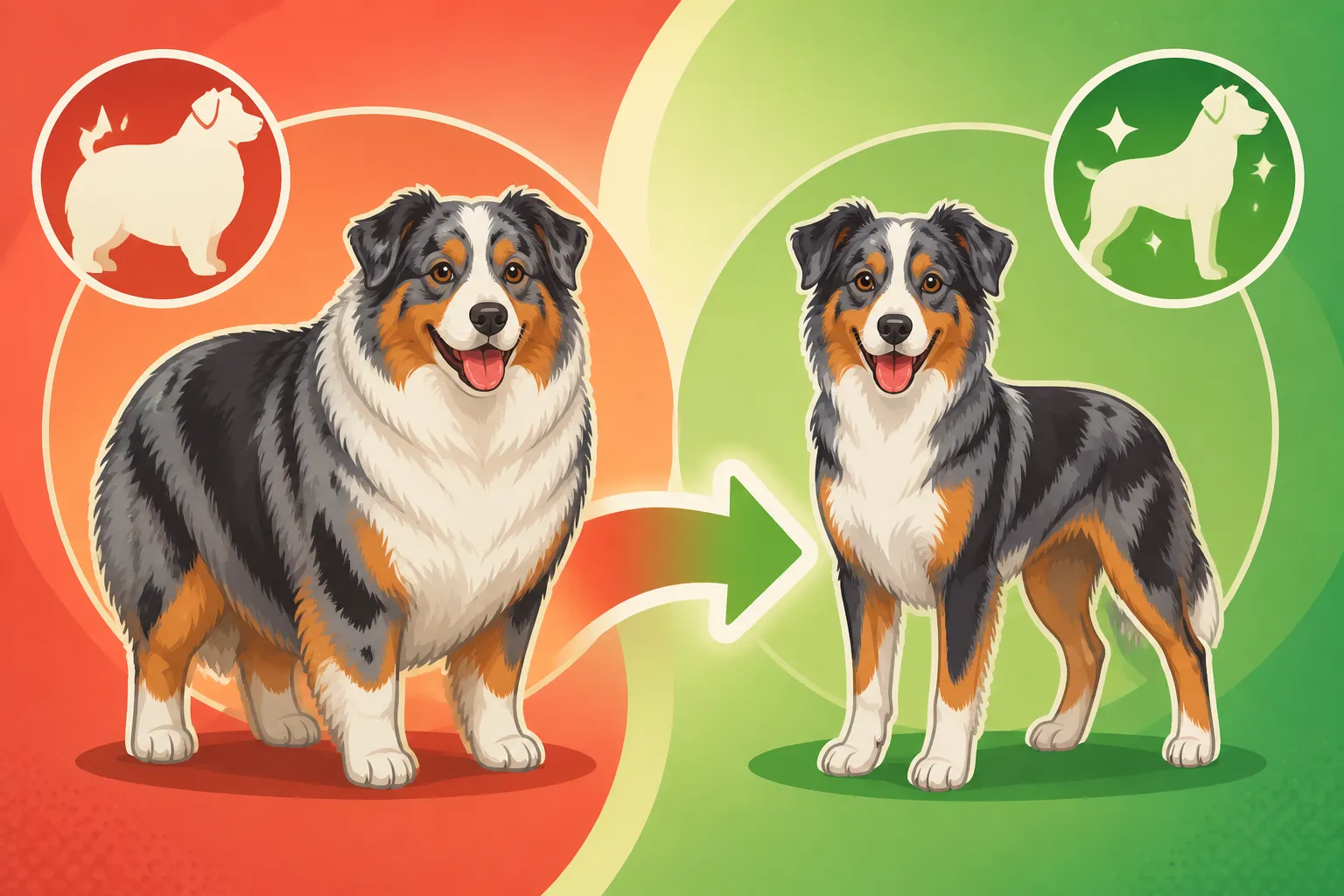
It's a tough pill to swallow when you realize your beloved Australian Shepherd has packed on a few too many pounds. One day they're a lean, energetic working dog, and the next, you're noticing that sixty-pound frame is looking a little soft, when it should ideally be closer to fifty. This guide is all about helping you navigate the journey of safely and effectively bringing your Australian Shepherd back to a healthy weight, focusing on practical steps for diet, exercise, and consistent monitoring.
Understanding the "Sixty to Fifty" Challenge for Your Australian Shepherd
Seeing your active Aussie get a bit round can be disheartening, and it's a common struggle for many owners. Australian Shepherds are naturally athletic dogs, bred for herding livestock, which means their bodies are designed for high energy output. When their caloric intake doesn't match their energy expenditure, especially as they age or their lifestyle changes, weight creep can happen surprisingly quickly. That extra ten pounds, moving from 50 to 60 pounds, might not seem like a huge jump percentage-wise, but it puts significant strain on their joints, heart, and overall well-being.
One of the biggest challenges with Aussies, especially the fluffy ones, is that their dense double coat can be a master at hiding early weight gain. You might not notice the subtle thickening until it’s quite established, making it even more important to be proactive. This is why learning to Scoring an Aussie Body Condition by Hand is so crucial, as it allows you to feel for ribs, waist, and hip bones that might be obscured visually. It’s also important to acknowledge Why a Thick Coat Hides Aussie Weight Gain when you’re assessing your dog. An overweight Aussie is at a higher risk for conditions like Australian Shepherd Arthritis After Years of Work, diabetes, and even certain cancers, so addressing that extra weight is truly an act of love and preventative care.
Think about how easy it is for us humans to gain weight. Maybe we’re less active in the winter, or we grab an extra snack. The same goes for our dogs. Perhaps they’re getting slightly larger meal portions, more treats during training sessions, or their daily walks have shortened. A common scenario we see is after a spay or neuter, when a dog's metabolism can shift. If you've recently had your Aussie spayed or neutered, you might need to start Recalculating an Aussie Ration After Neutering as their energy needs can drop. Small changes add up, and before you know it, that sleek herding machine has become a bit of a couch potato.
Revamping Your Australian Shepherd's Diet for Healthy Weight Loss
When it comes to shedding those extra pounds, diet is often the first and most impactful place to start. It’s not about starving your Aussie; it’s about smart nutrition and portion control. Your goal is a gradual, steady weight loss of about 1-2% of their body weight per week, which for a 60-pound Aussie means about 0.6 to 1.2 pounds per week. This ensures they’re losing fat, not crucial muscle mass. You'll want to understand How Slowly a Working Aussie Should Lose Weight to maintain their health and energy.
First, let's talk about calories. Many premium dog foods have calorie counts readily available. Your vet can help you determine a target daily caloric intake for a 50-pound Aussie, and then you can slowly reduce your current feeding amount to reach that new target. It’s a good idea to invest in a kitchen scale and meticulously weigh out your dog’s food. This might sound overly precise, but it removes all guesswork, which is essential for accurate calorie control. If you've ever just "eyeballed" a cup, you know how much variation there can be! This is why Why an Aussie Ration Should Be Weighed is so important.
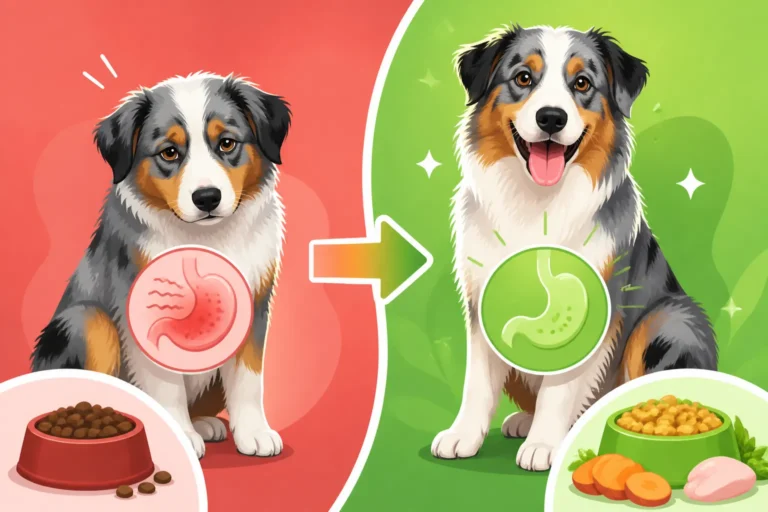
Next, consider the food itself. Sometimes, switching to a high-quality, lower-calorie "weight management" or "light" formula can make a big difference. These foods are often higher in fiber, which helps your Aussie feel full without the extra calories. You can find many excellent options from brands available on Chewy, offering a wide selection of specialized diet foods. Another approach is to look into fresh food options, like those from Ollie, which often provide clear portioning guidelines based on your dog's ideal weight and activity level. If you're not ready for a full food change, you can try Cutting Aussie Calories Without Cutting Meals by replacing a small portion of their kibble with low-calorie, high-fiber additions like green beans or cooked pumpkin.
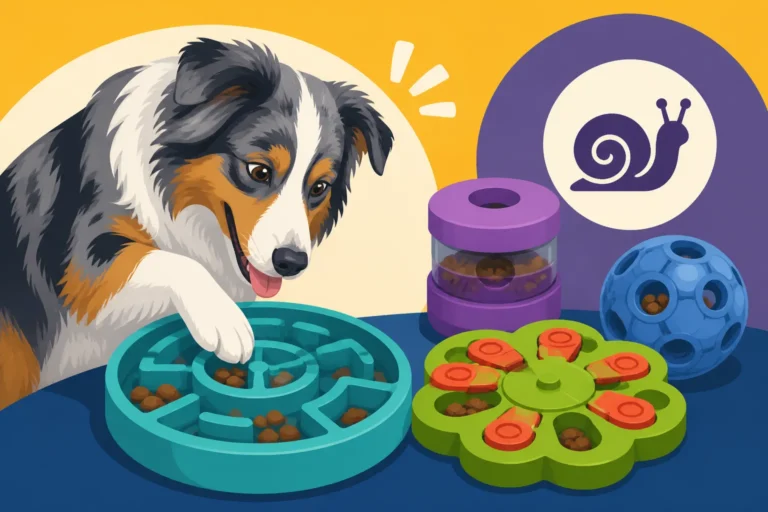
Treats are another major area for adjustment. Those delicious training treats or evening chews can quickly add up. Try switching to very small, low-calorie options, or use pieces of plain, cooked chicken breast or carrots. Instead of giving a treat every time, consider using praise or a quick game of fetch as a reward. Incorporating puzzle feeders or Slow Feeder Bowls for an Australian Shepherd can also make meals last longer, engaging your Aussie mentally and physically, and preventing them from wolfing down their food too quickly, which can sometimes lead to begging sooner.
Here’s a simple table to help visualize calorie-saving swaps for treats:
| High-Calorie Treat (Example) | Approximate Calories (1 piece) | Low-Calorie Swap (Example) | Approximate Calories (1 piece/serving) | Notes |
|---|---|---|---|---|
| Standard Training Treat | 15-20 | Baby Carrot Slice | 2-3 | Crunchy, good for dental health. |
| Large Biscuits | 50-70 | Cooked Green Bean | <1 | High in fiber, filling. |
| Cheese Cube | 30-40 | Frozen Blueberry | 1-2 | Antioxidant-rich, good for hot weather. |
| Chewy Dental Stick | 80-150 | Apple Slice (no seeds) | 5-10 | Be mindful of portion size, no core or seeds. |
| Hot Dog Slice | 20-30 | Plain, Cooked Chicken Bit | 5-10 | High protein, irresistible for training. |
Always check with your vet before making significant dietary changes, especially if your Aussie has any underlying health conditions. They can provide personalized recommendations based on your dog's specific needs.
Smart Exercise Strategies to Aid Weight Reduction in Aussies
Diet sets the foundation, but exercise is the engine that burns those extra calories and builds healthy muscle. For an Australian Shepherd, "exercise" doesn't just mean a leisurely stroll around the block. These are intelligent, high-energy dogs who thrive on purposeful activity. To get from 60 to 50 pounds, you'll need to strategically increase their activity levels in ways that engage both their bodies and minds. This ties into the general concept of Building an Australian Shepherd Exercise Routine.
Start gradually to avoid injury, especially if your Aussie is already carrying extra weight. Just like a human starting a new fitness routine, jumping into intense workouts could lead to strained muscles or joint issues. Begin with longer, more brisk walks. Instead of one 30-minute walk, try two 45-minute walks. Incorporate short bursts of jogging or uphill climbs if your dog handles it well. Remember, an Aussie loves to work. Instead of just walking, try integrating structured fetch sessions where they have to retrieve a ball over varied terrain, or play hide-and-seek with their favorite toy.
Consider diversifying their exercise routine to keep things interesting and prevent boredom. Aussies excel in dog sports, even if it's just for fun. Could you try a beginner agility class? The weaving, jumping (at low heights initially), and tunnel work are fantastic for building muscle and burning energy. Even urban herding with a large exercise ball can be a great outlet, tapping into their natural instincts without needing sheep. Swimming is another excellent, low-impact exercise that's easy on the joints, which is particularly beneficial for an overweight dog. You can find floating toys and even doggie life vests on Amazon to make water play safe and fun.
Mental stimulation is just as important as physical exercise for an Australian Shepherd. A mentally tired Aussie is often a calmer Aussie. Incorporate training sessions throughout the day, teaching new tricks or refining old commands. Use their mealtime as an opportunity for mental work by putting their kibble in a puzzle feeder or scattering it in the yard for them to sniff out. These activities, while not burning as many calories as a run, contribute significantly to their overall well-being and can reduce anxious behaviors that sometimes manifest as pacing or excessive barking, which don't help with weight loss.
Monitoring Progress and Adjusting the Plan for Your Australian Shepherd
Consistency and patience are key when helping your Australian Shepherd lose weight. This isn't a race; it's a marathon for their long-term health. Regular monitoring will help you understand what's working and when adjustments need to be made.
Weigh your Aussie weekly, ideally at the same time of day and on the same scale. A bathroom scale is fine if you can weigh yourself, then weigh yourself holding your dog, and subtract the difference. Keep a simple log of their weight loss. If they’re losing too quickly (more than 2% of their body weight per week), you might need to slightly increase their food. If they’re not losing at all after a couple of weeks, you might need to slightly decrease their food further or increase their exercise. Remember, individual metabolisms vary, so what works for one Aussie might need tweaking for another.
Beyond the scale, regularly perform a body condition score check by hand. Run your hands along their sides; you should be able to easily feel their ribs without pressing hard, and they shouldn't be visible. Look at them from above – you should see a distinct waist, an hourglass figure rather than a straight line or bulging sides. From the side, their abdomen should tuck up, not hang low. Take photos every few weeks from the same angles (top and side) to visually track their progress. Sometimes, the subtle changes aren't obvious day-to-day, but photos reveal the transformation over time.
Don't be afraid to consult your veterinarian throughout this process. They can offer guidance, rule out any underlying medical conditions that might be hindering weight loss, and help you set realistic goals. They can also advise on appropriate Joint Support in a Working Aussie Diet if your dog is older or has existing joint issues, as an overweight dog can exacerbate these problems. This journey from sixty to fifty pounds is a commitment, but the reward of a healthier, happier, and more energetic Australian Shepherd is absolutely worth every consistent effort.
Disclaimer
This article is for general informational purposes only and does not constitute professional advice. Laws, prices and regulations vary by location and change over time. Consult a qualified professional for guidance on your specific situation.