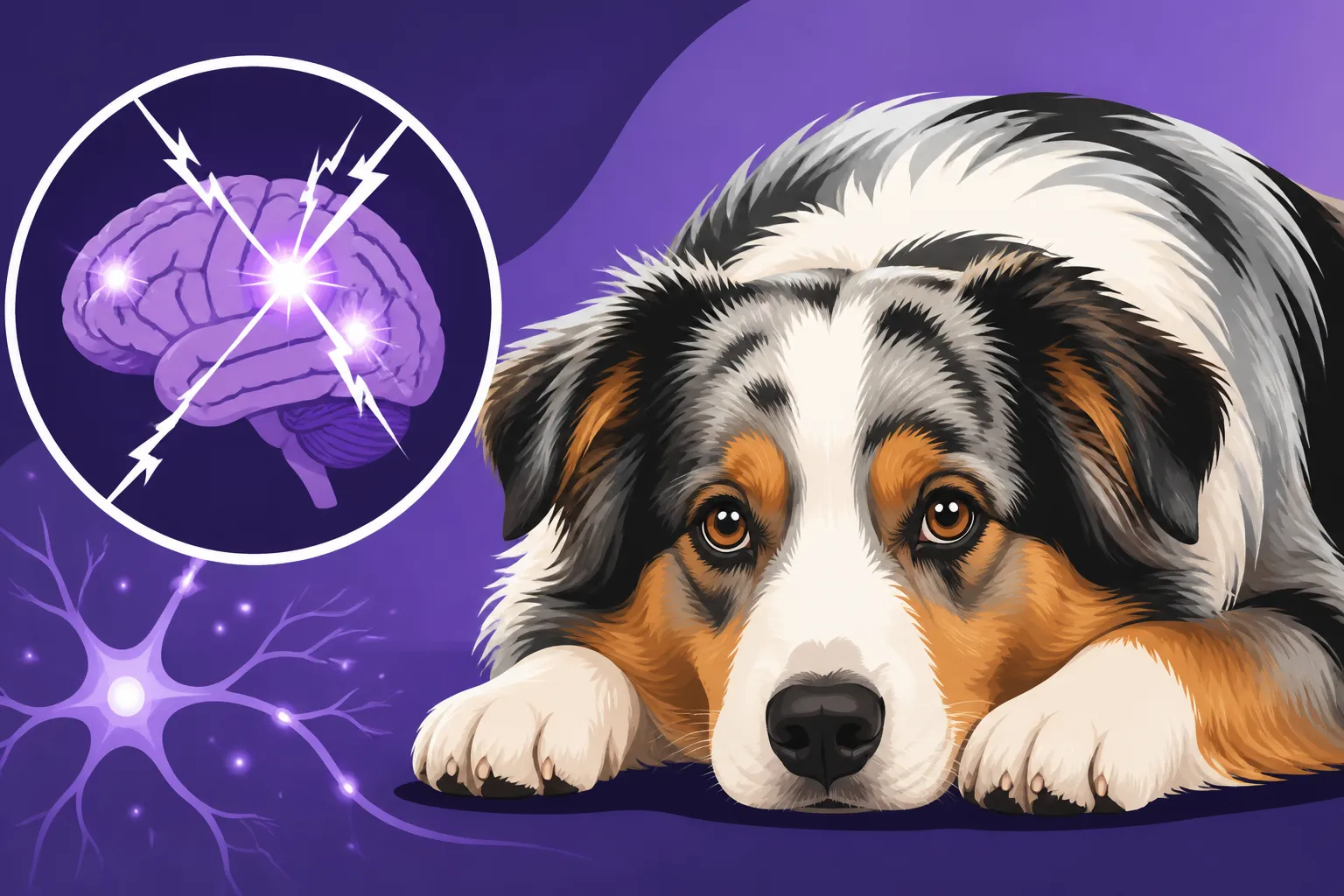
Idiopathic Epilepsy in an Australian Shepherd
Few things are as terrifying for an Australian Shepherd owner as witnessing their beloved, energetic companion suddenly collapse into a seizure. One moment they’re playing fetch, the next they’re convulsing on the floor, leaving you feeling helpless and heartbroken. This guide is here to walk you through understanding idiopathic epilepsy, a common neurological disorder in Aussies, from identifying symptoms to managing the condition and finding crucial support.
Understanding Idiopathic Epilepsy in Australian Shepherds
When your Aussie experiences its first seizure, it's a bewildering and frightening event. You immediately wonder what’s wrong, if they’re in pain, and what you could have done to prevent it. Often, after extensive testing, veterinarians will diagnose "idiopathic epilepsy." This isn’t a quick or easy diagnosis, and it leaves many owners feeling a mix of relief (that it’s not a brain tumor) and frustration (because "idiopathic" means "of unknown cause").
What is Idiopathic Epilepsy?
Idiopathic epilepsy is essentially a diagnosis of exclusion. It means that your Australian Shepherd is having recurrent seizures, but all other potential causes – like brain tumors, infections, strokes, liver disease, kidney failure, or exposure to toxins – have been ruled out. In simpler terms, it's a primary seizure disorder where the brain itself is predisposed to generating electrical storms without any identifiable structural or metabolic problem. It's often referred to as "true epilepsy." For Aussies, this can feel particularly unfair because they are such a vibrant, intelligent breed, and this condition can cast a shadow over their otherwise bright lives. The sporadic nature of the seizures can also be incredibly stressful, as you never know when the next one might strike, leaving you constantly on edge.
The Genetic Link in Australian Shepherds
Unfortunately, Australian Shepherds are one of the breeds with a known predisposition to idiopathic epilepsy, meaning there's a strong genetic component at play. It's not just a random occurrence; research points to specific genes, or combinations of genes, that make some Aussies more susceptible. This genetic link is part of what makes it an inherited disease, passed down through generations. For breeders and owners, this is a significant concern, highlighting the importance of responsible breeding practices and careful pedigree research. Organizations like the Australian Shepherd Health and Genetics Institute (ASHGI) have been instrumental in advocating for more research and providing resources to understand and combat this devastating condition within the breed. Knowing this genetic link, while not offering an immediate cure, does help us understand why it appears more frequently in our beloved Aussies compared to some other breeds.
The Typical Onset Age
One of the most heartbreaking aspects of idiopathic epilepsy in Australian Shepherds is its typical onset age. Most Aussies will experience their first seizure between one and five years of age. This means your dog is often out of their puppy phase, full of life, energy, and just truly coming into their own, when this condition suddenly manifests. It's a cruel twist of fate that often strikes during what should be their prime. Imagine having a two-year-old Australian Shepherd, perfectly healthy and athletic, suddenly dropping during a game of fetch. This timeframe can be particularly challenging for owners, as their young dog hasn't even had the chance to live a full life before facing a chronic health condition. The suddenness and the young age often lead to immense worry and a desperate search for answers. If you've just seen The Age an Australian Shepherd's First Seizure Comes in your young dog, you know exactly how jarring and upsetting this experience can be.
Recognizing and Documenting Seizures
When your Australian Shepherd has a seizure, it can be a terrifying and disorienting experience for both of you. It's crucial to understand what you're seeing and how to record it, as this information is invaluable to your veterinarian. Many owners panic, understandably so, but having a clear understanding of the signs can help you respond more effectively and gather the data needed for a proper diagnosis.
Signs of a Grand Mal Seizure
The "grand mal" or generalized seizure is probably what most people picture when they think of an epileptic fit. These seizures typically involve both sides of the brain and present with dramatic physical symptoms. They often follow a predictable pattern:
- Pre-ictal phase (aura): This is the period before the actual seizure. Your Aussie might seem anxious, restless, clingy, confused, or seek attention. They might pace, whine, or hide. Some dogs might stare blankly or act strangely. This phase can last minutes to hours, or even be unnoticeable.
- Ictal phase (the seizure itself): This is the main event. Your Aussie will likely lose consciousness, fall to their side, and begin rigid muscle contractions followed by paddling motions of all four limbs. They may chomp their jaws, vocalize, drool excessively, and lose control of their bladder and bowels. Their eyes might be wide open, pupils dilated. This phase usually lasts from 30 seconds to a few minutes. It can feel like an eternity when you're watching it.
- Post-ictal phase: This is the recovery period after the seizure. Your Aussie will gradually regain consciousness but might be disoriented, confused, restless, or even temporarily blind. They might pace aimlessly, bump into objects, drink excessive amounts of water, or seem ravenously hungry. This phase can last minutes, hours, or in some severe cases, even days. It's a time of extreme vulnerability for your dog, and they need a quiet, safe space to recover.
Other Types of Seizures
While grand mal seizures are the most dramatic, they aren't the only kind your Australian Shepherd might experience. Understanding these other types is important, as they can sometimes be more subtle and easily missed, delaying diagnosis.
- Focal Seizures (Partial Seizures): These originate in only one part of the brain and may only affect one part of the body. They can manifest as twitching of a specific limb, facial muscles, or eyelids. Your Aussie might seem to "fly-bite" at imaginary flies, appear frozen, or have subtle behavioral changes like unexplained fear or aggression. Sometimes, a focal seizure can progress into a generalized grand mal seizure.
- Cluster Seizures: This is a serious situation where an Aussie experiences multiple seizures within a 24-hour period, with periods of recovery (post-ictal phase) in between. For example, your dog might have a grand mal seizure, recover for an hour, and then have another, potentially repeating this several times. This is a medical emergency that warrants immediate veterinary attention. You can read more about Cluster Seizures in an Australian Shepherd to understand the urgency of this situation.
- Status Epilepticus: This is the most dangerous type of seizure emergency. It occurs when a seizure lasts for more than five minutes, or when your Aussie has multiple seizures without regaining consciousness in between. This condition can lead to brain damage, overheating, and even death if not treated immediately. If your Aussie is experiencing status epilepticus, do not hesitate; get them to an emergency vet right away.
The Importance of a Seizure Log
Documenting your Aussie's seizures is one of the most powerful tools you have in working with your vet. It's easy to forget details in the stress of the moment, but those details are gold. Start a seizure log immediately after the first event.
Here's what to record:
- Date and Time: Exactly when the seizure started and ended.
- Duration: How long the ictal phase lasted (even if it's only 30 seconds, it matters!).
- Description of Event: What did your Aussie do? Did they lose consciousness? What were their limbs doing? Did they drool, vocalize, urinate, or defecate? Was there an aura beforehand? What was the post-ictal phase like?
- Possible Triggers: Was your Aussie stressed? Had they just exercised? Eaten something new? Was there a loud noise? A change in routine? While specific triggers are rare for idiopathic epilepsy, patterns can sometimes emerge.
- Medication: If your Aussie is on anti-seizure medication, note the dose and if it was given correctly prior to the seizure.
- Recovery Time: How long did it take for your Aussie to return to a baseline state after the seizure?
This detailed log helps your vet track the frequency, severity, and potential patterns of the seizures, which is crucial for diagnosis and adjusting medication. It provides objective data beyond your memory and anxiety. Knowing how to create an effective record is essential, and you can find specific guidance on Logging Aussie Seizures for the Neurologist.
Here's a sample of what a seizure log might look like:
| Date | Time (Start/End) | Duration | Seizure Type | Description of Event | Possible Triggers | Medication Notes | Post-Ictal Recovery |
|---|---|---|---|---|---|---|---|
| 2023-10-26 | 1:15 PM / 1:17 PM | 2 min | Grand Mal | Sudden collapse, paddling all four limbs, jaw chomping, excessive drooling, lost bladder control. Vocalized (yelped) at start. Eyes wide. | Loud bang from construction outside | N/A (first seizure) | Confused, disoriented, pacing, bumped into wall twice. Drank a lot of water. Normal by 4 PM. |
| 2023-11-15 | 6:30 AM / 6:31 AM | 1 min 15 sec | Grand Mal | Woke up restless, then dropped. Mild paddling, drooling, no urination. | Unknown, just woke up. | Started Phenobarbital 1 week ago | Very tired, slept most of the morning. Less disoriented than last time. |
| 2023-12-05 | 9:00 PM / 9:00 PM | 30 sec | Focal (progressed) | Started with left facial twitching, then rapidly progressed to full body stiffness. No paddling. Recovered quickly. | Post-walk excitement | Phenobarbital given 8:30 PM | Mildly dazed for 10 min, then fine. |
| 2024-01-02 | 2:00 PM / 2:05 PM | 5 min | Status Epilepticus | Continuous grand mal seizure, full paddling, heavy drooling, vocalizing. Did not regain consciousness between phases. | Hot day, recent stress from visitors | Phenobarbital, but due for bloodwork | Emergency vet. Disoriented for 24 hrs. Very weak. |
Diagnosing Idiopathic Epilepsy
The diagnosis of idiopathic epilepsy is not a quick process. It requires a meticulous approach to rule out every other possible cause for your Australian Shepherd's seizures. This journey can be frustrating and expensive, filled with numerous vet visits, blood tests, and specialized imaging, all while you're agonizing over your dog's well-being.
Ruling Out Other Causes
When your Aussie has a seizure, your primary vet will begin a series of diagnostic tests. Their goal is to eliminate all other potential reasons for the seizures before settling on idiopathic epilepsy. This process typically includes:
- Complete Blood Count (CBC) and Chemistry Panel: These tests check for metabolic issues like liver disease, kidney disease, low blood sugar (hypoglycemia), or electrolyte imbalances that can trigger seizures.
- Urinalysis: Helps assess kidney function and rule out certain infections.
- Thyroid Testing: In some cases, thyroid imbalances can contribute to neurological symptoms.
- Infectious Disease Screening: Depending on your location and your dog's history, tests might be run for tick-borne diseases or other infectious agents that can affect the brain.
- Imaging (MRI or CT Scan): This is a critical step, especially if other tests are inconclusive or if your vet suspects a structural problem in the brain. An MRI (Magnetic Resonance Imaging) provides highly detailed images of the brain, allowing specialists to look for tumors, inflammation, strokes, fluid accumulation (hydrocephalus), or malformations. A CT (Computed Tomography) scan can also be used, though it offers less detail for soft tissues. These scans are expensive, often requiring anesthesia, but they are essential for ruling out treatable causes. Understanding the Australian Shepherd MRI Cost for Seizures can help you prepare for this part of the diagnostic journey.
The Role of a Veterinary Neurologist
While your general practice veterinarian can initiate the diagnostic process, there comes a point where consulting a veterinary neurologist becomes incredibly beneficial, if not essential. These specialists have advanced training in disorders of the brain, spinal cord, and nervous system.
- Expert Interpretation: Neurologists are experts at interpreting complex diagnostic results, especially MRI/CT scans and specialized neurological exams. They can spot subtle clues that might be missed by a general practitioner.
- Advanced Diagnostics: They have access to, or can recommend, even more specialized tests like cerebrospinal fluid (CSF) analysis, which can detect inflammation or infection within the brain and spinal cord.
- Treatment Protocols: Neurologists are at the forefront of epilepsy research and treatment protocols. They can offer the most up-to-date and tailored medication regimens, often managing complex cases that are difficult to control with standard treatments.
- Quality of Life Focus: Beyond just stopping seizures, a neurologist focuses on improving your Aussie's overall quality of life, minimizing medication side effects, and providing comprehensive long-term care plans. If you’re able, seeking their expertise can make a huge difference in managing this challenging condition.
Confirming the Idiopathic Diagnosis
After a thorough workup, including all the tests mentioned above and possibly a consultation with a neurologist, if all results come back normal – no tumors, no infections, no metabolic issues – then the diagnosis of idiopathic epilepsy is confirmed. This means that despite all efforts, the underlying cause of the seizures remains unknown. While this can feel disheartening, it's also a form of relief, as it rules out many life-threatening and progressive conditions.
For Australian Shepherds, this often means that the brain is structurally normal but functionally predisposed to seizures. It's a genetic wiring issue rather than a structural problem. This diagnosis guides the treatment approach, shifting focus entirely to managing the seizures through medication and supportive care. It also means that while there's no "cure" in the traditional sense, the condition is often manageable, allowing your Aussie to live a good, long life with proper care.
Managing Epilepsy: Treatment and Care
Living with an Australian Shepherd diagnosed with idiopathic epilepsy means a commitment to ongoing management. It's a marathon, not a sprint, and it requires vigilance, patience, and a close partnership with your veterinary team. The goal isn't necessarily to eliminate all seizures, but to reduce their frequency, severity, and duration, thereby improving your Aussie's quality of life.
Anti-Seizure Medications
The cornerstone of epilepsy management in Aussies is anti-seizure medication, often referred to as anticonvulsants. These drugs work by stabilizing electrical activity in the brain, preventing the uncontrolled firing that leads to seizures.
- Common Medications: The most commonly prescribed first-line drug is Phenobarbital. It's effective for many dogs, but it does require regular blood monitoring to ensure therapeutic levels and check for liver health. Other common options include Potassium Bromide, often used in conjunction with Phenobarbital or for dogs that don't tolerate Phenobarbital well. Newer generation drugs like Levetiracetam (Keppra) and Zonisamide are also frequently used, sometimes as monotherapy but often as add-ons for harder-to-control cases. Each drug has its own mechanisms, potential side effects, and dosing schedules.
- Individualized Treatment: What works for one Aussie might not work for another. Finding the right medication, or combination of medications, and the optimal dosage is often a process of trial and error. Your vet will start with a conservative dose and gradually adjust it based on your Aussie's response and any side effects observed. It’s a delicate balance, trying to control seizures without making your dog overly sedated or affecting their liver. For an in-depth look at specific drugs and their usage, refer to Anti-Seizure Medication for an Australian Shepherd.
Monitoring Medication Effectiveness
Giving the medication is only half the battle; monitoring its effectiveness and your Aussie's response is just as vital.
- Seizure Log Continues: Your diligently kept seizure log remains indispensable. It's the primary way to track if the medication is reducing seizure frequency and severity.
- Blood Level Monitoring: For drugs like Phenobarbital and Potassium Bromide, regular blood tests are crucial to measure the drug levels in your Aussie's system. This ensures the dose is within the therapeutic range – high enough to be effective, but not so high as to cause toxicity. These tests also monitor liver and kidney function, as some anti-seizure drugs can impact these organs over time. This ongoing monitoring adds to the cost, and you'll become very familiar with Bloodwork Costs for an Aussie on Phenobarbital.
- Side Effects: Keep a keen eye out for side effects, which can include increased thirst and urination, increased appetite, sedation, unsteadiness, or behavioral changes. Report these to your vet, as dosage adjustments or a change in medication might be necessary. It’s a constant dance between seizure control and maintaining your Aussie’s quality of life.
Lifestyle Adjustments and Triggers
While idiopathic epilepsy isn't typically triggered by external factors in the same way some other conditions are, some Aussies can have heightened sensitivity to certain stimuli. Creating a stable, predictable environment can be beneficial.
- Routine: Maintaining a consistent daily routine, especially around feeding and medication times, can help some epileptic dogs.
- Stress Reduction: Stress can potentially lower the seizure threshold in some individuals. Minimizing sudden loud noises, highly stimulating events, or significant changes in the household might be helpful. For instance, an Aussie sensitive to loud noises might benefit from a quiet, safe space during thunderstorms or fireworks.
- Diet: While generally not a primary cause, some owners explore specialized diets, particularly those focusing on medium-chain triglycerides (MCTs) like coconut oil, which some studies suggest can have neuroprotective benefits. Always discuss any dietary changes with your vet or a veterinary nutritionist.
- Environmental Factors: Be mindful of anything in their environment that could potentially be a trigger for your specific dog. Some Aussies might react to flashing lights, strong smells, or even certain sounds. Observing and noting these in your seizure log is key.
Financial Realities of Epilepsy Management
Let's be real: managing Australian Shepherd epilepsy is not cheap. The diagnosis alone with all its tests, especially MRIs, can run into thousands of dollars. Then, you're looking at ongoing costs that can quickly add up.
- Medication Costs: Anti-seizure medications, especially if your Aussie needs multiple drugs or higher doses, can be a significant monthly expense. While some drugs are relatively inexpensive, newer ones can be quite costly. When you factor in the monthly medication bills, you'll soon understand the reality of Monthly Drug Costs for an Epileptic Aussie.
- Vet Visits and Bloodwork: Regular follow-up appointments, blood tests for drug levels, and liver/kidney monitoring are essential. These are not one-off costs but recurring expenses throughout your Aussie’s life.
- Emergency Care: Despite best efforts, breakthrough seizures or cluster seizures can happen, requiring emergency veterinary visits, which are almost always more expensive than routine appointments.
- Specialist Consultations: If your Aussie's seizures are difficult to control, ongoing consultations with a veterinary neurologist will add to the overall cost.
- Pet Insurance: This is where pet insurance can be a game-changer. If you had the foresight to enroll your Aussie before any signs of epilepsy appeared, a robust policy could cover a significant portion of these lifelong costs. Many owners find themselves wishing they had insurance like Healthy Paws, which is known for its comprehensive coverage. A good plan from a company like Healthy Paws can reimburse you for a large percentage of vet bills, making long-term management much more feasible. For example, if your Australian Shepherd is already diagnosed, unfortunately, epilepsy will likely be considered a pre-existing condition and might not be covered by new policies. However, for those with existing coverage or exploring options for future pets, understanding the financial burden makes a company like Healthy Paws an attractive consideration. Budgeting ahead for this condition is crucial, and you can get more information from Budgeting for an Australian Shepherd With Epilepsy.
Living With an Epileptic Australian Shepherd
An Australian Shepherd with epilepsy can still lead a wonderfully full and happy life. However, it requires a conscious effort from you to create a supportive environment and be prepared for seizures when they occur. It’s about adapting, learning, and finding strength in your bond.
Creating a Safe Environment
Preparing your home for potential seizures is a compassionate and practical step.
- Padding and Safety: If your Aussie tends to have seizures in specific spots, consider placing soft blankets or dog beds in those areas. Remove any sharp or hard objects your dog could hit during a seizure. Secure furniture that could tip over.
- Supervision: While you can’t supervise your dog 24/7, try to be present during times your dog is most prone to seizures (if you've identified a pattern). At night, some owners opt to have their epileptic Aussie sleep in a crate near their bed or even in the same room, so they can quickly respond.
- Limit High-Risk Activities: While most Aussies with well-controlled epilepsy can continue their active lives, some owners may choose to limit activities where a seizure could be particularly dangerous, like swimming alone in a deep pool, or extensive off-leash work near busy roads or cliffs. Use common sense and consult your vet. Always ensure you have a long line for walks if your Aussie tends to bolt, as a seizure could happen unexpectedly outdoors.
Supporting Your Aussie Through a Seizure
Witnessing a seizure is distressing, but knowing what to do – and what not to do – can help keep your Aussie safe and reduce your anxiety.
- Stay Calm (as much as possible): Your dog won't know you're distressed, but keeping a clear head is essential for effective action.
- Protect from Injury: Gently move any objects away from your Aussie's head or body. Place a folded towel or blanket under their head to cushion it. Do NOT try to move your dog unless they are in a truly dangerous spot (like falling down stairs).
- Time the Seizure: Start a timer immediately. This is vital information for your vet.
- Do NOT Put Anything in Their Mouth: Your Aussie cannot swallow their tongue. Trying to put your hand or anything else in their mouth can result in you being severely bitten and could injure your dog's mouth.
- Keep Them Cool: During a prolonged seizure, body temperature can rise dangerously. If the seizure lasts more than a couple of minutes, apply cool, wet cloths to their paws and groin area.
- Create Quiet: Dim the lights and reduce noise to help them recover more peacefully.
- Post-Ictal Care: Once the seizure stops, speak to your Aussie in a calm, soothing voice. Offer water. Guide them gently if they are disoriented. Do not try to rush their recovery. Give them space and time to come back to themselves. It takes time to come back from these events, and you can learn more about how best to support your dog by reading Standing By an Australian Shepherd Mid-Seizure.
The Emotional Toll on Owners
Let's be honest, living with an epileptic Australian Shepherd takes a significant emotional toll. The constant worry, the helplessness during a seizure, the financial strain, and the fear of the unknown can be overwhelming.
- Grief and Frustration: It's okay to feel grief for the "perfect" future you envisioned for your dog, and frustration with a condition that feels so unfair and unpredictable. These are normal reactions.
- Anxiety: Many owners develop significant anxiety, constantly watching their dog for subtle signs, or feeling nervous leaving them alone. This hyper-vigilance is exhausting.
- Support Systems: It's incredibly important to find support. Connect with other owners of epileptic dogs online or through local groups. They understand what you’re going through and can offer practical advice and emotional solidarity. Your vet team can also be a huge source of support. Don't be afraid to lean on friends and family who care about you and your Aussie. Remember, you're doing an amazing job.
Long-Term Outlook and Prognosis
While an epilepsy diagnosis can feel devastating, it's important to remember that many Australian Shepherds with idiopathic epilepsy can live long, fulfilling lives with proper management. It’s a chronic condition, but it's often manageable.
Factors Influencing Prognosis
The long-term outlook for an epileptic Aussie isn't a one-size-fits-all answer; it depends on several factors:
- Control with Medication: The most significant factor is how well the seizures can be controlled with medication. If your Aussie responds well to treatment and seizure frequency significantly decreases, their prognosis is generally good. Regular medication compliance is key.
- Seizure Severity and Frequency: Dogs that have fewer, milder seizures tend to have a better prognosis than those with frequent, severe cluster seizures or status epilepticus, which can lead to brain damage over time.
- Age of Onset: While not a definitive predictor, some studies suggest that Aussies with a very early onset of seizures (under one year) or a very late onset (over five or six years) might sometimes have a more challenging prognosis, though this is not always the case.
- Overall Health: An Aussie with no other underlying health conditions typically fares better than one battling multiple health issues alongside epilepsy.
- Owner Dedication: Your commitment to consistent medication, regular vet visits, seizure logging, and a supportive home environment plays a huge role in their long-term well-being.
It’s a common question for owners, whether this condition will shorten their beloved companion's time with them. While severe, uncontrolled epilepsy can impact longevity and quality of life, many Aussies with well-managed epilepsy still enjoy a full Australian Shepherd Lifespan Across Twelve to Fifteen Years. You can explore this further by considering Whether Epilepsy Shortens an Australian Shepherd's Life.
When to Consider Quality of Life
This is perhaps the hardest conversation any pet owner faces. If, despite aggressive medication and dedicated care, your Australian Shepherd's seizures remain frequent, severe, and debilitating, impacting their ability to live a comfortable and joyful life, then difficult decisions might need to be considered.
- Persistent Seizures: If your Aussie is constantly having cluster seizures, experiencing prolonged post-ictal phases that leave them disoriented and anxious for days, or having seizures that are unresponsive to multiple medications, their quality of life is severely compromised.
- Medication Side Effects: Sometimes, the side effects of high doses of anti-seizure medications can be so severe (extreme sedation, liver damage) that they overshadow any benefits, leaving your dog feeling unwell even between seizures.
- Consult Your Vet and Neurologist: This decision should never be made lightly or alone. Have open, honest conversations with your primary vet and, ideally, your veterinary neurologist. They can help you assess your Aussie's overall health, comfort, and potential for improvement. They can also discuss palliative care options or the difficult topic of humane euthanasia if all other avenues have been exhausted and your dog's suffering is unmanageable. It's an agonizing choice, but it comes from a place of deep love and the desire to prevent further suffering.
Disclaimer
This article is intended for informational purposes only and does not constitute veterinary advice. Always consult with a qualified veterinarian or veterinary neurologist for any health concerns or before making any decisions about your Australian Shepherd's medical care. Individual cases may vary, and only a professional can provide an accurate diagnosis and treatment plan.