Retiring an Australian Shepherd From Work
It’s a truly bittersweet moment when you realize your once tireless Australian Shepherd, your loyal partner in work or sport, is starting to slow down. The dog that once bounded across fields, drove livestock with intense focus, or conquered agility courses with effortless grace, now seems a little stiffer, a little less keen, or perhaps just a touch slower to respond. This guide is here to walk you through the emotional and practical aspects of recognizing when it's time to let your beloved Aussie retire from their working life and how to ensure their golden years are filled with comfort, dignity, and continued joy.
Recognizing the Signs Your Australian Shepherd is Ready for Retirement
It’s hard to admit that time is catching up with our canine companions, especially an Australian Shepherd, a breed so known for its boundless energy and drive. But just like human athletes, dogs reach a point where their bodies and sometimes their minds can no longer perform at the peak level required for their job. Learning to spot these subtle shifts is crucial for their well-being.
Physical Indicators of Aging and Pain
One of the most undeniable signs that your Australian Shepherd is ready to ease up on work is a change in their physical capabilities. What you might initially dismiss as an "off day" can quickly become a pattern, signaling deeper issues.
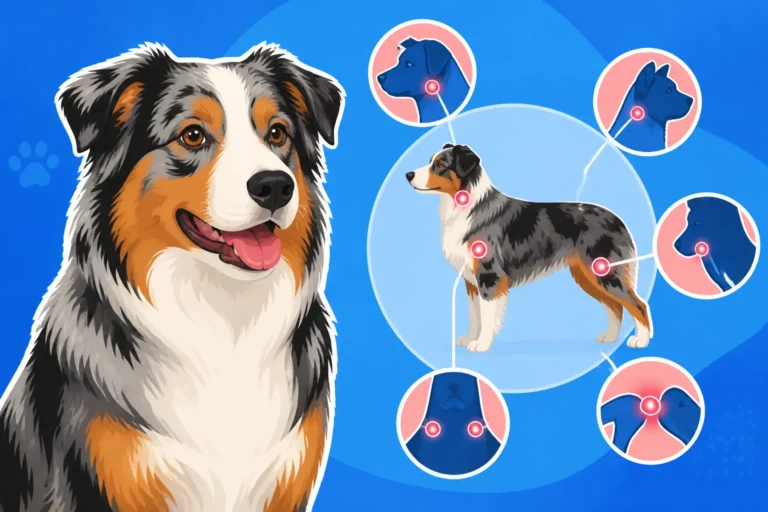
- Limping and Stiffness: Perhaps your Aussie used to jump into the truck bed with a single bound, but now hesitates, needs a boost, or shows a slight limp after getting up from a nap. This stiffness, especially in the morning or after intense activity, is a classic sign of joint discomfort. It could be Australian Shepherd Arthritis After Years of Work setting in, or perhaps an old injury flaring up. You might notice them favoring a leg or becoming reluctant to perform tasks that involve sharp turns or jumps, which are critical for many working Aussies. Imagine your agility partner, once a blur over the jumps, now knocking bars they used to clear with ease, or landing awkwardly.
- Decreased Stamina and Slower Pace: A dog that could work for hours without seeming to break a sweat might now tire more quickly. They might fall behind on long walks, or simply want to stop and rest more often during a training session. Their pace may visibly slow, and their gait might not have the same fluid, powerful motion it once did. That characteristic spring in their step diminishes. If your Aussie once herded livestock for half a day, now they might only manage an hour before looking for a shady spot to rest.
- Reluctance to Engage or Perform: Beyond just physical inability, an aging Australian Shepherd might simply lose the enthusiasm for their job. The gleam in their eye that used to ignite at the sight of sheep or a frisbee might be less intense. They might seem less eager to leave the house for work, or even ignore cues they once responded to instantly. This isn't necessarily disobedience; it can be a subtle sign that the physical demands are becoming too much, or they are experiencing discomfort. Think of the dog that used to wait at the door, vibrating with anticipation for a training session, now content to nap on their bed instead.
Mental and Behavioral Changes Indicating Readiness
Physical signs are often the easiest to spot, but mental and behavioral shifts are equally important. An Australian Shepherd's mind is a significant part of their working capability, and changes here can be just as impactful.
- Reduced Focus and Decreased Drive: A hallmark of the Australian Shepherd is their intense focus and strong working drive. When this starts to wane, it's a big indicator. They might become easily distracted during tasks they once excelled at, or simply not pick up on cues as quickly. Their problem-solving abilities might diminish, making complex tasks frustrating for them. This isn't laziness; it's often a cognitive decline or simply the mental exhaustion that comes with aging. For a dog whose purpose was so deeply tied to their job, this can be particularly heartbreaking to witness.
- Anxiety, Irritability, or "Checking Out": Sometimes, an aging Aussie might develop anxiety around situations they once handled with confidence. The noise of a busy trial, the pressure of working cattle, or even the presence of other dogs might become overwhelming. They might also become more irritable or reactive, especially if they are in pain and trying to communicate it. Conversely, some dogs might simply "check out," appearing detached or disinterested in their surroundings, a potential sign of cognitive dysfunction, or even An Aussie That Stops Reading the Room. They might wander aimlessly, stare at walls, or seem confused in familiar environments. These changes are tough, but they're important signals that their working role might be adding stress rather than fulfilling them. For dogs that rely heavily on their eyesight in their work, An Old Australian Shepherd Losing Its Sight can be a profound change.
Making the Difficult Decision to Transition Your Aussie From Work
Deciding to retire your Australian Shepherd is never easy. It's often fraught with guilt, sadness, and a sense of loss for the partnership you once shared. However, prioritizing their comfort and quality of life in their senior years is the ultimate act of love and responsibility.
Consulting Your Vet and Other Professionals
This is not a decision you should make alone. Your veterinarian is your most valuable ally in assessing your Aussie's health and helping you make informed choices.
- Comprehensive Veterinary Check-ups: Schedule a thorough senior check-up. This should include bloodwork to check organ function, particularly the liver and kidneys, as well as a full orthopedic exam. X-rays might be necessary to assess the extent of arthritis or other joint issues. Be upfront with your vet about all the changes you've observed, no matter how minor. They can help distinguish between normal aging and treatable conditions. Regular check-ups, perhaps How Often a Ten Year Old Aussie Needs Checking, become even more critical at this stage. Discussing Bloodwork Worth Running on a Senior Aussie with your vet can also highlight underlying issues not immediately visible.
- Pain Management and Supportive Therapies: Many senior dogs can benefit immensely from pain management protocols. This could include anti-inflammatory medications (NSAIDs), joint supplements like glucosamine and chondroitin, or even alternative therapies like acupuncture or laser therapy. Your vet might also recommend physical therapy to maintain muscle mass and flexibility. The goal is not to eliminate all activity but to make their remaining activity comfortable and enjoyable. It’s also worth considering pet insurance, like Healthy Paws, earlier in your dog’s life, as it can help cover the significant costs associated with managing chronic conditions in their senior years, which can easily add up with ongoing medications and therapies.
- Seeking Specialist Opinions: If your Aussie has specific issues, such as advanced orthopedic problems or suspected cognitive decline, your vet might recommend a specialist. A veterinary orthopedist can offer advanced imaging and treatment options, while a veterinary neurologist or behaviorist can help diagnose and manage cognitive dysfunction. Getting these specialized insights can provide a clearer picture of your dog’s true capabilities and prognosis, allowing you to make the most empathetic retirement plan.
Balancing Quality of Life with Working Expectations
This is the emotional core of the decision. You have to shift your perspective from what your dog can do to what they should do for their happiness and well-being.
- Prioritizing Comfort Over Performance: It's natural to miss the days of effortless performance, but clinging to those memories can inadvertently push your dog beyond their limits. A working Aussie thrives on purpose, but that purpose can evolve. Their new "job" might simply be to be a cherished companion, enjoy gentle walks, and engage in low-impact mental enrichment. The joy they once found in herding might now be found in a slow sniffy walk through the park or a puzzle toy.
- The Emotional Toll on the Owner: It's okay to grieve the transition. Your Australian Shepherd wasn't just a pet; they were a working partner, a teammate, and likely a central part of your identity. Acknowledging this emotional journey is vital. Talk to friends, family, or even a support group for pet owners. Understanding that these feelings are normal can help you process them and move forward with acceptance, allowing you to fully embrace the new phase of your relationship with your dog.
Crafting a Comfortable and Engaging Retirement for Your Aussie
Retirement doesn't mean boredom or inactivity for an Australian Shepherd. It simply means adjusting their routine to suit their changing needs, focusing on comfort, gentle engagement, and continued mental stimulation.
Adjusting Exercise and Mental Stimulation
The key is "appropriate" exercise and mental work – enough to keep them healthy and happy, but not so much that it causes pain or exhaustion.
- Gentle, Shorter Walks: Replace long, strenuous hikes or hours of intense ball-fetching with shorter, more frequent, and slower-paced walks. Let them set the pace and enjoy sniffing. Sniffing is incredibly mentally stimulating for dogs and doesn't put stress on their joints. Instead of an hour-long run, consider two 20-minute leisurely strolls. This maintains muscle tone without overtaxing their system.
- Low-Impact Activities: Swimming can be an excellent option for older Aussies with joint issues, as it's non-weight-bearing. If swimming isn't an option, consider controlled leash walks on soft surfaces like grass or dirt paths instead of pavement. You might also introduce Mobility Aids for an Old Australian Shepherd like ramps or slings to help them navigate stairs or get into the car, preserving their energy for enjoyable activities.
- Mental Enrichment Activities: An Aussie's mind is always active. Puzzle toys, snuffle mats, and scent work are fantastic ways to keep their brains engaged without physical exertion. Hide-and-seek with treats or toys indoors can be a fun game. Even learning new, simple tricks can provide mental stimulation. For ideas on keeping them busy indoors, you might look into Indoor Games for a Snowed-In Australian Shepherd. These activities tap into their innate intelligence and desire to "work" without putting strain on their aging bodies.
Nutritional and Environmental Considerations
As your Australian Shepherd ages and their activity level changes, their dietary and living environment needs will also shift to support their well-being.
- Dietary Adjustments: Senior dogs often have different caloric needs than their working counterparts. They may need fewer calories to prevent weight gain, which can exacerbate joint problems. However, they may benefit from diets formulated for senior dogs, which often contain joint-supporting nutrients like glucosamine and chondroitin, and antioxidants to support cognitive function. Your vet can help you determine the best diet. If your Aussie has stopped working, their energy expenditure will naturally decrease, so Feeding an Aussie Once the Work Stops means recalculating their daily intake. You might consider a specialized Joint Diets for a Retired Working Aussie as well.
- Comfortable Sleeping Arrangements: Invest in orthopedic beds that support their joints and relieve pressure points. These are a game-changer for arthritic dogs. Place beds in quiet, easily accessible areas where they won't have to navigate stairs or slippery floors. A raised feeding bowl can also alleviate neck strain.
- Environmental Modifications: Make your home senior-friendly. Lay down non-slip rugs on slick floors, ensure easy access to water bowls, and consider baby gates to block off stairs if they become a hazard. Ramps for cars or furniture can prevent painful jumps. These small changes can significantly improve their quality of life and reduce the risk of injury. Healthy Paws also offers benefits that can help cover assistive devices like carts or slings if your Aussie requires them down the line, so having a good policy in place early can make a huge difference in their comfort during these years.
The Emotional Journey of Retiring a Partner
Retiring an Australian Shepherd from work isn't just about their physical health; it's a profound emotional journey for both you and your dog. It's about redefining a relationship that might have been built on a foundation of shared tasks and intense partnership.
Grieving the Loss of a Working Relationship
It's important to acknowledge and process the emotions that come with this transition. Many owners feel a deep sense of loss, even if their dog is still physically present and healthy.
- Acknowledging the Bond: For many working Australian Shepherd owners, the dog is more than a pet; they are a colleague, a competitor, a partner. The bond forged through training, trials, or ranch work is incredibly strong. When that chapter closes, it leaves a void. It's okay to feel sad, to reminisce about past glories, and to mourn the loss of that specific dynamic.
- Dealing with Guilt: Owners sometimes feel guilty, wondering if they pushed their dog too hard, or if they're "giving up" on them. It’s crucial to understand that retirement, when done thoughtfully and with your dog's best interest at heart, is an act of profound kindness and responsibility. It's about protecting them from pain and ensuring their senior years are golden, not grueling. This phase of life is a natural part of Australian Shepherd Lifespan Across Twelve to Fifteen Years, and part of that journey is letting them age gracefully.
Cherishing New Kinds of Companionship
While one chapter closes, another, equally rewarding one, begins. Retirement offers a unique opportunity to deepen your bond in new ways.
- Focusing on Simple Joys: Without the pressure of performance, you can both rediscover the simple pleasures of companionship. Cuddle sessions on the couch, gentle grooming, quiet walks, and just being together can become incredibly meaningful. You'll notice new nuances in their personality, a more relaxed demeanor, and perhaps a return to puppy-like affection once the burden of work is lifted.
- Redefining "Purpose": Your Aussie's purpose isn't gone; it has simply shifted. Their new purpose is to be loved, comfortable, and to enjoy their retirement. You can still engage their intelligence with puzzle toys or short scent games. Their companionship becomes their most important "job." The journey through their senior years is an important one, and topics like Senior Australian Shepherd Care After Ten can offer broader guidance on this phase of life, including the emotional aspects. Even the thoughts around Deciding for an Australian Shepherd at Fourteen become part of this ongoing conversation about their quality of life.
| Aspect | Working Life | Retirement Life |
|---|---|---|
| Physical Activity | High intensity, long duration, specific tasks | Gentle, shorter walks, low-impact, dog-led pace |
| Mental Stimulation | Complex tasks, problem-solving, focused work | Puzzle toys, sniffy walks, gentle trick training |
| Nutrition | High-calorie, performance-oriented diet | Senior-specific diet, joint support, weight management |
| Environment | Access to fields, equipment, often varied terrain | Orthopedic beds, non-slip floors, ramps, easy access |
| Emotional Focus | Partnership, achievement, shared goals | Comfort, companionship, simple joys, unconditional love |
| Health Monitoring | Performance-related injury prevention | Regular senior check-ups, pain management, chronic care |
Retiring your Australian Shepherd from work is a testament to the deep love and respect you have for them. It’s a transition that requires patience, understanding, and a willingness to adapt, but it opens the door to a new, equally beautiful phase of your life together.
Disclaimer
This article is intended for informational purposes only and does not constitute veterinary advice. Always consult with a qualified veterinarian for any health concerns or before making any decisions about your Australian Shepherd's care, diet, or treatment.