Why Shaving an Australian Shepherd Ruins the Coat
It's a hot summer day, and you're looking at your beautiful, fluffy Australian Shepherd, probably panting a little, and thinking, "Wouldn't it be kinder to just shave all that hair off?" It's a natural thought for any loving pet parent, driven by the desire to keep our furry friends comfortable. But for an Australian Shepherd, reaching for those clippers can actually do more harm than good, permanently damaging their incredible double coat. This guide will walk you through exactly why shaving your Aussie is detrimental and what truly effective, coat-friendly strategies you can use instead to keep them happy and healthy.
Understanding the Australian Shepherd's Unique Double Coat
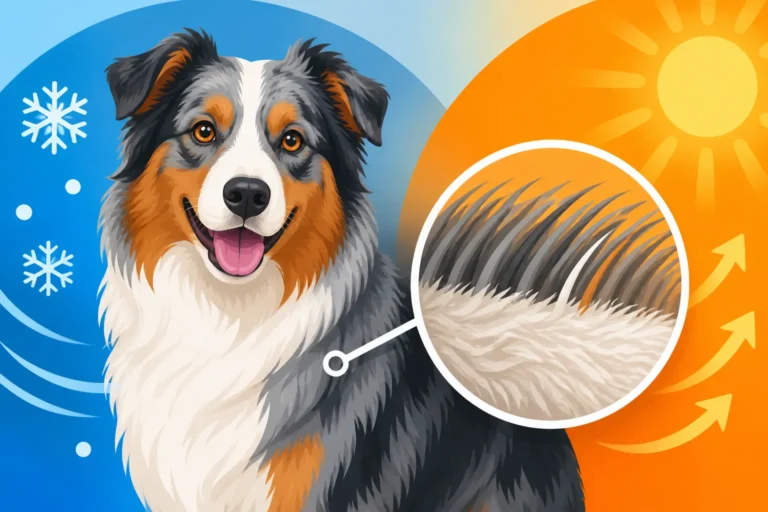
Australian Shepherds are built for work, and their coat is a testament to that heritage. It's not just a pretty facade; it's a highly functional, sophisticated piece of natural engineering designed to protect them from the elements, whether it's the scorching summer sun or the biting winter cold. When we talk about an Australian Shepherd's coat, we're really talking about a "double coat," which means it has two distinct layers, each with a crucial role.
Many owners mistakenly think that more hair equals more heat, but this isn't the case for a double-coated breed. Their coat works more like the insulation in your house – it keeps the heat out when it's hot and the heat in when it's cold. Understanding this fundamental principle is key to understanding why shaving is so damaging.
The Undercoat: Nature's Thermostat
Beneath the longer, coarser outer layer lies the undercoat. This layer is typically soft, dense, and woolly, acting as the primary insulator for your Australian Shepherd. Its thickness and density can vary with the seasons, growing denser in winter and shedding out significantly in warmer months.
The undercoat traps air, creating a natural thermal barrier. In winter, this trapped air helps retain body heat, keeping your Aussie warm. In summer, this same principle works in reverse: it prevents external heat from reaching the skin, while also allowing air to circulate close to the skin, facilitating cooling through evaporation as your dog pants. Think of it as a built-in air conditioning system, not a heavy wool blanket. When this layer is healthy and properly managed, it’s incredibly efficient at regulating their body temperature, no matter the weather.
The Guard Hairs: Protection and Water Resistance
The outer layer of an Australian Shepherd's coat is made up of what are called "guard hairs." These hairs are longer, coarser, and more protective than the undercoat. They lie over the undercoat, forming a robust shield. Their primary functions are to repel water, block harmful UV rays from the sun, and protect the skin from scrapes, thorns, and insect bites.
These guard hairs give the Australian Shepherd its distinctive appearance and color patterns. They are resilient and designed to withstand the rigors of working outdoors. Without this protective layer, your dog's skin is completely exposed, making them vulnerable to a host of environmental hazards. The natural oils in these guard hairs also contribute to the coat's overall health and water resistance, a crucial feature for dogs that might work in damp conditions or enjoy a swim. To delve deeper into the layers of your Aussie's coat, check out The Australian Shepherd Double Coat Explained.
The Detrimental Effects of Shaving an Australian Shepherd
While the intention behind shaving an Australian Shepherd might be good – to keep them cool – the reality is that it often leads to a cascade of negative effects that can compromise their health, comfort, and the integrity of their coat. It's a common misconception that simply removing hair will solve overheating issues, but for double-coated breeds, it's a severe disruption to their natural physiology.
Compromised Temperature Regulation
This is arguably the most significant and immediate negative impact of shaving. When you shave an Australian Shepherd, you strip away both their insulating undercoat and their protective guard hairs. This leaves their delicate skin exposed. Instead of helping them cool down, you actually remove their natural ability to regulate their body temperature.
In hot weather, without the insulating layer of the undercoat, their skin is directly exposed to the sun's rays, absorbing heat faster. There's no longer an air pocket to keep the heat out. This dramatically increases their risk of overheating and heatstroke. Conversely, in cooler temperatures, they lose their natural insulation and can quickly become too cold, especially if they are accustomed to outdoor activities. Their body has to work harder to maintain a stable core temperature, which can be stressful and unhealthy.
Increased Risk of Sunburn and Skin Damage
The guard hairs serve as a vital barrier against the sun's harsh ultraviolet (UV) rays. When these are shaved off, your Aussie's skin, which is usually protected, becomes extremely vulnerable to sunburn. Just like human skin, dog skin can get severely burned, leading to pain, redness, peeling, and an increased risk of skin cancer over time.
Beyond sunburn, the exposed skin is also more susceptible to environmental irritants, insect bites, and physical abrasions. Think about walking your dog through brush or tall grass—without their protective outer coat, their skin is bare and can easily get scratched or irritated. Some Aussies, particularly those with lighter pigmentation on their noses, are already prone to issues like Nasal Solar Dermatitis on an Aussie Nose or Australian Shepherd Pannus and Sun Exposure, and shaving only exacerbates these vulnerabilities by removing their natural shield.
Coat Regrowth Issues: 'Clipper Alopecia'
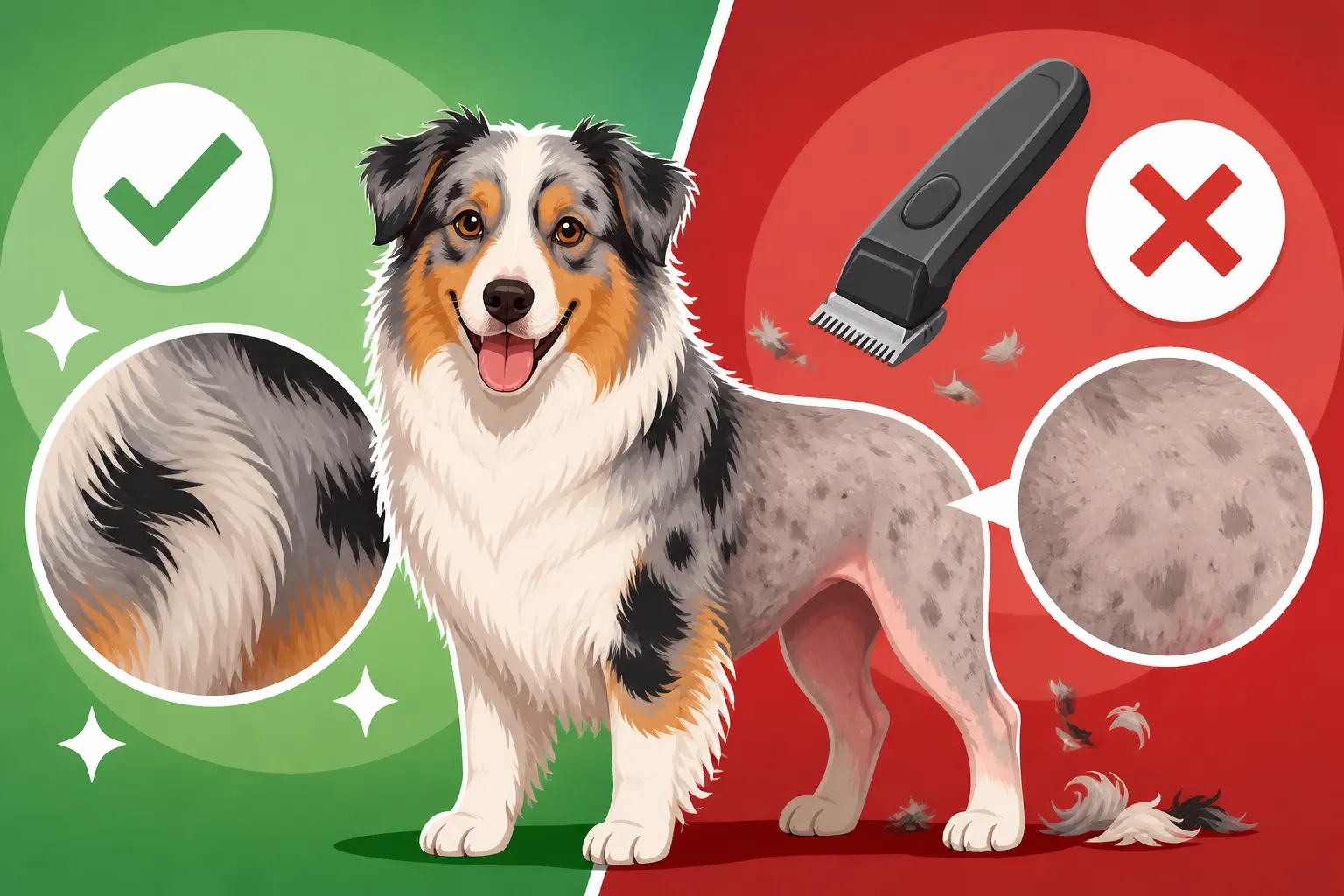
One of the most frustrating and often permanent consequences of shaving a double-coated breed is the potential for irreversible damage to their coat regrowth, often referred to as "clipper alopecia" or "post-clipping alopecia." Unlike single-coated breeds whose hair grows back uniformly, an Australian Shepherd's guard hairs and undercoat grow at different rates and have different textures.
When shaved, the softer undercoat often grows back much faster and thicker than the coarser guard hairs. This can result in a fuzzy, cotton-like texture that mats easily, offers less protection, and feels rough to the touch. In some cases, the guard hairs may not grow back at all, or only in patches, leading to a permanently thinned or patchy coat. The color of the regrowing coat can even appear duller or lighter. This isn't just an aesthetic issue; a damaged coat no longer performs its natural functions effectively, meaning your Aussie might be perpetually uncomfortable, prone to matting, and still struggling with temperature regulation. It can take months, sometimes years, for the coat to partially recover, and in many instances, it never returns to its original state.
Health and Grooming Alternatives to Shaving
Now that we understand why shaving is a no-go, let's talk about what you can and should do to keep your Australian Shepherd comfortable, especially during warmer months. It's all about working with their natural coat, not against it. The key is consistent, proper care that supports the coat's inherent design.
Proper Brushing and Deshedding Techniques
Regular and thorough brushing is the single most important thing you can do for your Australian Shepherd's coat health and comfort. It helps remove loose undercoat, prevents matting, and allows for better air circulation close to the skin. This is especially crucial during their twice-yearly "coat blow," when they shed large amounts of undercoat to prepare for the new season. Twice-Yearly Coat Blow in an Australian Shepherd can be quite a sight!
Invest in the right tools. An undercoat rake is invaluable for reaching deep into the coat and pulling out dead, loose undercoat without damaging the guard hairs. A good slicker brush can then be used to finish the top coat and remove any remaining loose hairs. You can find excellent deshedding tools like undercoat rakes and slicker brushes on sites like Chewy or Amazon, making it easy to get what you need delivered right to your door. Aim for brushing your Aussie Brushing an Australian Shepherd Twice a Week during regular times, and daily during heavy shedding seasons. Learn more about effective tools in Comparing Deshedding Tools on an Aussie and techniques in Slicker Brushes and Line Brushing an Aussie. Removing that dead undercoat is what truly helps them stay cool, as it opens up those vital air channels.
Cooling Strategies That Don't Involve Clippers
Beyond brushing, there are plenty of effective and safe ways to help your Australian Shepherd beat the heat without resorting to clippers.
- Shade and Water: Always provide access to shade and fresh, cool water, especially when outdoors. A kiddie pool can be a fun way for many Aussies to cool down.
- Timing Exercise: Adjust your exercise routine. Instead of long midday walks, opt for early morning or late evening outings when temperatures are lower. This is critical when Exercising an Australian Shepherd Over Eighty Degrees.
- Cooling Gear: There are many cooling products on the market, such as cooling vests, bandanas, and mats. These items use evaporation or gel technology to absorb heat and keep your dog comfortable. Look for highly-rated Cooling Kit That Works Under an Aussie Coat options on Chewy or Amazon that fit well without restricting movement.
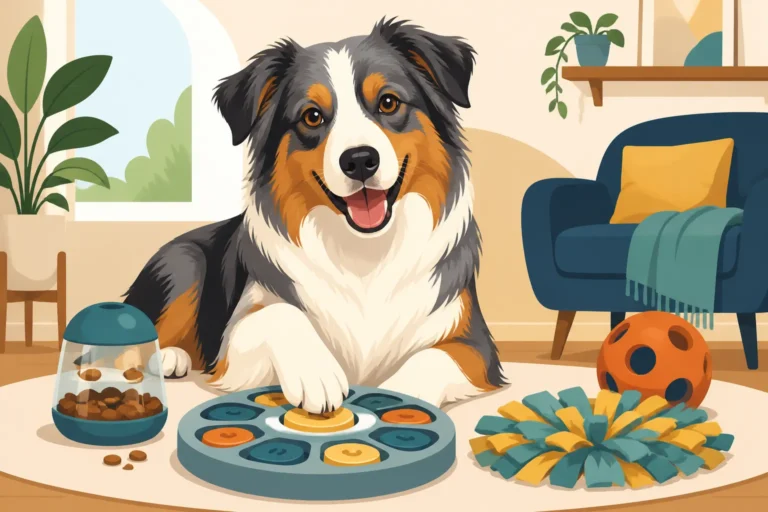
- Indoor Enrichment: On excessively hot days, focus on indoor mental stimulation rather than strenuous physical exercise. Puzzle toys, training sessions, and scent games can tire an Aussie out without risking overheating.
- Diet and Hydration: Ensure your Aussie is on a high-quality diet. A well-nourished dog generally has a healthier coat. Some owners even incorporate fresh food options, like those offered by Ollie, which can contribute to overall wellness that reflects in coat health. Always ensure they have access to plenty of fresh water.
Professional Grooming for Coat Health
While shaving is a no-go, professional grooming can be incredibly beneficial for an Australian Shepherd. A knowledgeable groomer specializing in double coats will understand how to properly manage your Aussie's fur without resorting to damaging techniques.
They can perform thorough deshedding treatments, which involve specialized bathing, drying, and brushing techniques to remove maximum loose undercoat. This process is far more effective and safer than trying to shave it. They can also provide sanitary trims around the hindquarters and paws, which can help with cleanliness and comfort without affecting the main protective coat. Groomers can also check for mats, skin issues, or parasites that might be hidden in the dense fur. Regular Deshedding Treatments at an Aussie Groomer can significantly reduce shedding in your home and improve your dog's overall comfort.
Debunking Common Shaving Myths
The decision to shave an Australian Shepherd often stems from common misconceptions. Let's tackle some of the most pervasive myths that lead well-meaning owners to grab the clippers. Understanding why these beliefs are incorrect is crucial for making the best choices for your dog's health and coat.
"It'll make them cooler in summer!"
This is the number one reason owners give for shaving, and it's completely understandable why they think it. Logically, less hair equals cooler, right? But as we've discussed, for a double-coated breed like the Australian Shepherd, their coat acts as natural insulation. It creates a thermal barrier that keeps heat out in the summer and in during the winter.
When you shave this coat, you remove that protective barrier. Their skin is then directly exposed to the sun, absorbing its heat and making them hotter, not cooler. It's like removing the insulation from your house on a hot day – the internal temperature will rise faster. The air circulation promoted by a healthy, deshedded coat is far more effective for cooling than bare skin. Shaving is a direct interference with their natural thermoregulation system.
"It reduces shedding!"
Another popular myth is that shaving your Australian Shepherd will solve your shedding woes. While it's true that the hairs they shed will be shorter, the act of shedding itself doesn't stop. Your Aussie will still go through its natural shedding cycles, and you'll still find hair around your house, just in smaller, harder-to-clean lengths.
Furthermore, as discussed with clipper alopecia, the regrowth often results in an undercoat that comes back thicker and more prone to matting. This means you might actually end up with more matting and a coat that's even harder to manage in the long run, potentially leading to more shedding problems down the line once the coat has been compromised. The best way to manage Australian Shepherd shedding is consistent, thorough brushing and deshedding, which removes the dead hair before it falls out around your home.
"My vet recommended it!"
While most veterinarians are well-versed in general canine health, specific breed coat care is often a specialty for professional groomers or breed experts. It's rare for a vet to recommend shaving a double-coated breed purely for cooling purposes, unless there's a specific medical reason that outweighs the risks.
Such medical reasons might include severe skin infections, extensive matting that's too painful or impossible to brush out, or prior to certain surgeries. In these specific, often urgent, scenarios, shaving might be a necessary evil. However, if your vet suggests shaving purely for "comfort" in hot weather, it's always wise to ask for clarification on the specific benefits they foresee versus the known risks to a double coat. It's perfectly okay to get a second opinion or consult with a groomer experienced with double-coated breeds for alternative strategies. A healthy coat is a dog's first line of defense, and its integrity should only be compromised when absolutely necessary for their medical well-being.
Disclaimer
This article is for general informational purposes only and does not constitute professional advice. Laws, prices and regulations vary by location and change over time. Consult a qualified professional for guidance on your specific situation.