Australian Shepherd Anal Gland Care
If you've ever found your beloved Australian Shepherd dragging their backside across your favorite rug, leaving a tell-tale streak and a smell that could clear a room, you've likely had a brush with anal gland issues. It’s not the most glamorous topic, but it’s a surprisingly common and incredibly uncomfortable problem for many dogs, including our intelligent and active Aussies. This guide is here to demystify those pesky anal glands, help you understand why they cause trouble, and equip you with the knowledge to keep your Australian Shepherd comfortable and healthy.
Understanding Your Australian Shepherd's Anal Glands
Let's start with the basics. What exactly are these notorious glands, and why does your Australian Shepherd even have them? It feels like they exist solely to cause gross smells and vet visits, but they do have a purpose.
What Are Anal Glands and Their Purpose?
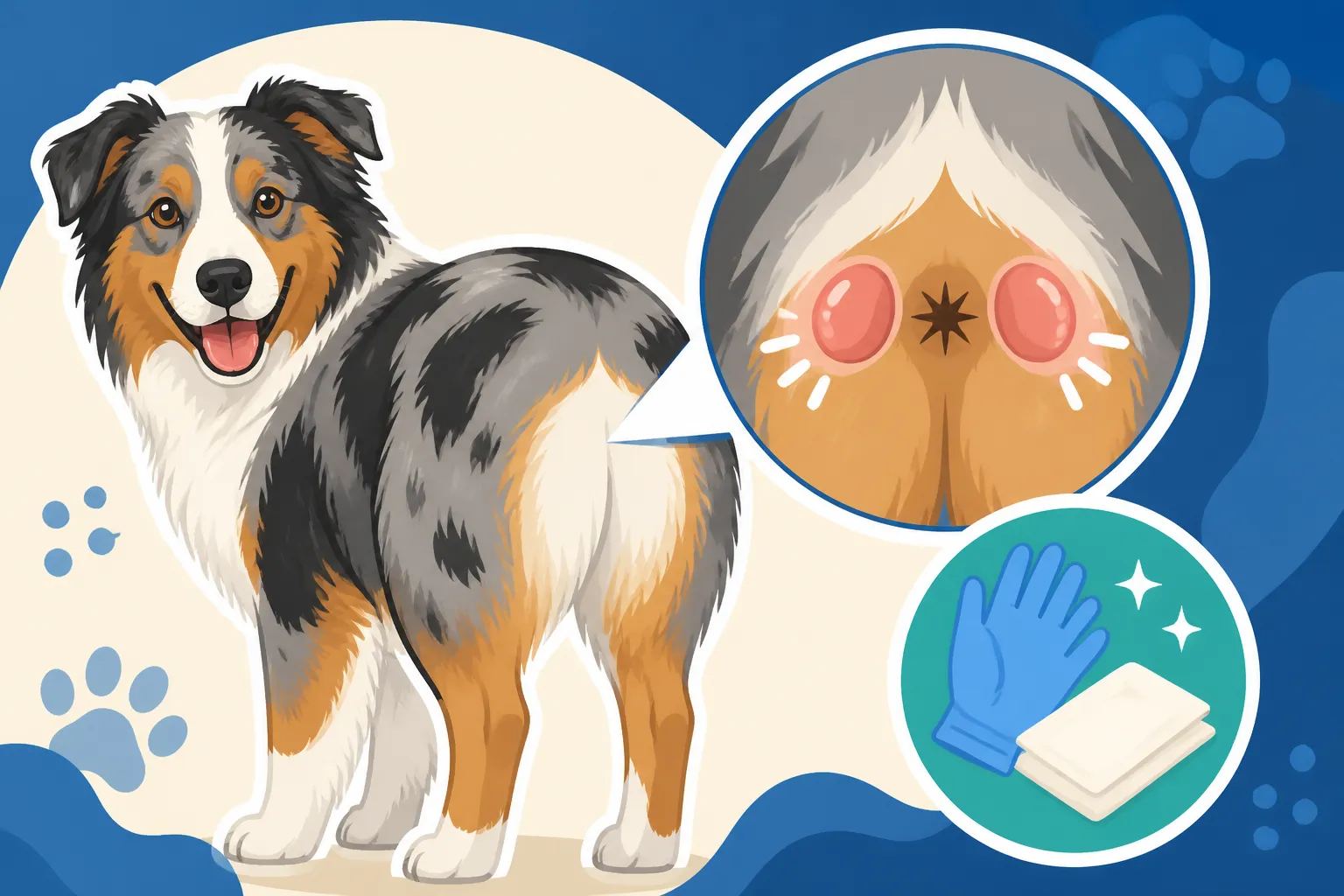
Nestled on either side of your Australian Shepherd's anus, at about the four and eight o'clock positions, are two small sacs. These are the anal glands, and they're lined with sebaceous glands that produce a thick, oily, often foul-smelling liquid. Think of it as your Aussie's personal scent marker. Every time your dog has a bowel movement, particularly a firm one, the pressure from the passing stool helps to express a small amount of this liquid, leaving a unique calling card for other dogs to sniff out. It's how they communicate their presence and even things like their sex, diet, and general health to other canines. It’s fascinating, if a bit stinky, canine social media.
This natural expression is how things are supposed to work. Most dogs go their entire lives without needing human intervention with their anal glands. However, for some, the system doesn't quite work as intended, leading to discomfort and problems.
Why Do Aussies Specifically Face Anal Gland Issues?
While anal gland problems aren't exclusive to Australian Shepherds, and you won't find them topping any "most prone" lists like some smaller breeds, individual Aussies can certainly be affected. It often comes down to a few key factors that can sometimes align in our breed:
- Stool Consistency: This is perhaps the biggest culprit. If your Aussie's stools are consistently soft or runny due to dietary sensitivities, parasites, or digestive upset, they might not provide enough pressure against the anal glands to express them naturally. This means the fluid builds up. You might think, "My Aussie seems fine," but even slightly soft stools can be enough to interfere. Sometimes, it’s related to food changes or underlying Australian Shepherd Skin, Coat and Allergy Problems.
- Genetics and Conformation: While not a strong breed-wide trait for Aussies, some individual dogs might have anal glands that are positioned slightly differently, or ducts that are narrower, making natural expression more difficult. If one of your Aussie's parents had recurrent anal gland issues, it might be something to watch for in your own dog.
- Obesity: Carrying extra weight can sometimes contribute to anal gland problems. The excess fatty tissue around the anal area might make it harder for the glands to be expressed properly during defecation. Keeping your Aussie at a healthy weight, which is important for overall health and joint care, can also aid in preventing this issue. We talk more about this in Australian Shepherd Weight Control on a Working Frame.
- Allergies: Dogs with environmental or food allergies often experience inflammation throughout their bodies, which can include the tissues around the anal glands. This inflammation can make the ducts swell, further impeding natural expression. If your Aussie is prone to licking or biting at their rear, it could be a sign of both anal gland irritation and underlying allergies.
Understanding these contributing factors is the first step in managing and potentially preventing future anal gland woes for your Australian Shepherd.
Recognizing the Signs of Anal Gland Problems
The first clue that something is amiss with your Australian Shepherd’s anal glands often isn't subtle, and it usually involves a less-than-pleasant spectacle on your living room floor.
The Dreaded "Scooting" and Other Behaviors
"Scooting" is probably the most well-known symptom of anal gland discomfort. Your Aussie might suddenly drop their rear end to the ground and drag themselves forward, sometimes with a look of intense concentration, other times with an almost frantic energy. It's an attempt to relieve the pressure and irritation of full or impacted anal glands. While it might look funny, it’s a clear sign your dog is uncomfortable.
But scooting isn't the only indicator. Keep an eye out for these other distress signals:
- Excessive Licking or Biting: Your Australian Shepherd might be relentlessly licking or even biting at the area around their tail base or directly under their tail. This constant attention can lead to skin irritation, hair loss, and even secondary infections or hot spots. What starts as an anal gland issue can quickly become a significant skin problem.
- Strong, Foul Odor: If you notice a sudden, potent, fishy smell emanating from your Aussie, especially after they've scooted or licked, it's almost certainly anal gland fluid. When glands express involuntarily or are severely impacted, the smell can be incredibly strong and difficult to get rid of.
- Difficulty Sitting or Reluctance to Be Touched: An impacted or infected anal gland can be quite painful. Your Aussie might be hesitant to sit down, or they might shift uncomfortably when resting. If you try to pet their rear end or tail base, they might flinch, growl, or even snap, indicating significant pain.
- Straining During Defecation: While anal glands are usually expressed during a bowel movement, severe impaction can make defecation itself uncomfortable, leading your dog to strain more than usual. This is less common but can occur with very painful glands.
Catching these signs early can prevent more serious complications.
Differentiating Between Impaction, Infection, and Abscess
Anal gland problems usually follow a progression if left unchecked. Knowing the difference can help you understand the urgency of seeking veterinary care.
- Impaction: This is the most common and least severe problem. It simply means the anal glands are full of fluid and unable to express naturally. The fluid becomes thicker, like a paste, and can't pass through the ducts. Your Aussie will likely be scooting, licking, and generally uncomfortable. At this stage, manual expression by a vet or experienced groomer can often bring relief.
- Infection: If impacted glands remain unexpressed, bacteria can multiply within the stagnant fluid, leading to an infection. The area around the glands might become swollen, red, and warm to the touch. Your Aussie will be in more significant pain, and you might notice pus or blood mixed with the anal gland fluid if any manages to escape. They may also develop a fever or become lethargic. This absolutely requires veterinary attention for expression, antibiotics, and possibly anti-inflammatory medication.
- Abscess and Rupture: This is the most serious stage. An untreated infection can develop into an abscess, which is a painful pocket of pus. This abscess can eventually rupture through the skin, creating an open wound near the anus. This is incredibly painful and is a veterinary emergency. You'll likely see a bloody or pus-filled discharge, a distinct odor, and your dog will be in extreme discomfort. It often looks like a raw, red hole. If you suspect an abscess or rupture, get your Aussie to the vet immediately.
| Symptom | Possible Issue | Recommended Action |
|---|---|---|
| Scooting often | Impaction | Review diet, monitor stool, vet/groomer check |
| Excessive licking/biting | Impaction, Infection | Vet check to confirm, address underlying allergies |
| Strong, fishy odor | Impaction, Infection | Vet/groomer check, clean area |
| Swelling/redness/heat | Infection, Abscess | Urgent Vet Visit (likely needs antibiotics) |
| Pain when sitting/touched | Impaction, Infection | Vet check |
| Pus/blood discharge | Infection, Abscess | Emergency Vet Visit (rupture likely, significant pain) |
| Lethargy/Fever | Infection, Abscess | Emergency Vet Visit |
At-Home Care and Preventive Measures
While some anal gland issues require professional intervention, there's a lot you can do at home to support your Australian Shepherd's anal gland health and potentially prevent recurring problems.
The Role of Diet and Fiber in Anal Gland Health
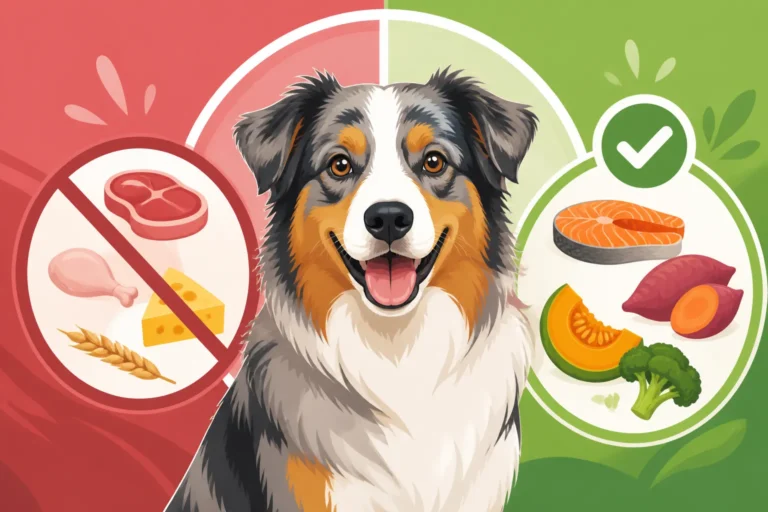
The number one factor you can influence at home is your Aussie's diet, specifically aiming for consistent, firm stools. A well-formed stool provides the natural pressure needed to express the glands.
- High-Quality, Consistent Diet: Ensure your Australian Shepherd is on a high-quality, complete, and balanced dog food. Avoid frequent changes in diet, as this can upset their digestive system and lead to inconsistent stool. Look for foods with good protein sources and appropriate fiber. You might consider brands known for digestive health, though always consult with your vet if your Aussie has chronic issues. Many popular pet food retailers like Chewy and Amazon offer a wide range of sensitive stomach formulas.
- Adding Fiber: If your Aussie's stools are consistently on the softer side, increasing their fiber intake can make a huge difference.
- Canned Pumpkin: A spoonful of plain, unsweetened canned pumpkin (not pie filling!) added to your Aussie's meal a few times a week can work wonders. It's a natural source of soluble fiber. Start with a small amount and increase gradually to avoid digestive upset.
- Supplements: There are various fiber supplements specifically formulated for dogs, available at pet stores or through online retailers like Amazon. These often contain psyllium husk or other beneficial fibers. Always follow dosage instructions and consult your vet before adding new supplements, especially if your Aussie is on other medications or has a sensitive system.
- Limited Treats: Be mindful of the treats you're giving. Too many rich or fatty treats can contribute to soft stools or digestive upset, counteracting your efforts to maintain good consistency.
Remember, the goal is firm stools, not hard or constipated ones. If stools become too hard, that can also cause discomfort and straining. It’s a balance.
Regular Grooming and Monitoring
Even if you’re not planning to express your Australian Shepherd’s anal glands yourself (and for most owners, I'd recommend against it unless specifically trained by a vet), regular grooming practices can help you monitor their rear-end health.
- Routine Checks: When you're brushing your Aussie or performing Australian Shepherd Dental and Ear Routine checks, take a moment to look at their rear. Gently lift their tail and examine the area around the anus. Is it clean? Are there any signs of redness, swelling, or discharge? Is there a strong odor? This quick visual check can help you spot issues before they escalate.
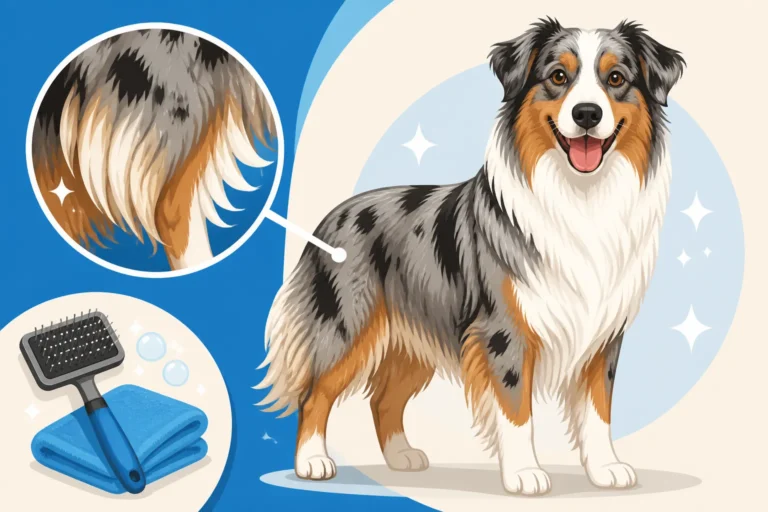
- Keep the Area Clean: Australian Shepherds have a double coat and often have feathering around their hindquarters. Keeping this area trimmed can help with hygiene, especially if your Aussie has soft stools or has had issues in the past. If there's discharge, gently clean the area with a warm, damp cloth. Preventing mats and keeping the fur clear around the exit points can prevent complications and make it easier to spot trouble. This falls under broader Australian Shepherd Grooming at $50 to $100 a Session discussions.
- Professional Groomers: Many professional groomers include anal gland expression as part of their routine services. If your Aussie tends to have recurring issues, scheduling regular appointments with a groomer who is experienced in this can be a great preventive measure. They are often the first to notice when glands are full because they work so closely with your dog's body. However, remember they are not vets and should only express unimpacted glands.
When to Seek Professional Help
While at-home care is crucial for prevention, there are times when your Australian Shepherd definitely needs a professional touch for their anal glands. This is not a situation to tough out or self-diagnose beyond the initial recognition of symptoms.
Your Veterinarian: The First Stop for Concerns
If you suspect your Australian Shepherd has anal gland issues, especially if they show signs of pain, swelling, or discharge, your veterinarian should always be your first call. Why?
- Accurate Diagnosis: Your vet can accurately determine if the problem is indeed anal gland impaction, or if it's something else entirely, like a perianal fistula (a more serious autoimmune condition that sometimes affects breeds like Aussies), parasites, or even a tumor. Anal gland adenocarcinoma, though rare, can occur. For deeper insight into potential health concerns, you might read The Cancers Vets See Most in Australian Shepherds.
- Safe and Hygienic Expression: Vets are trained to express anal glands correctly and hygienically. They understand the anatomy and can differentiate between simply full glands and those that are inflamed, infected, or abscessed. If the glands are infected, they can collect samples for culture and sensitivity testing, and prescribe appropriate antibiotics or anti-inflammatory medications.
- Internal vs. External Expression: There are two main methods for expressing anal glands: external and internal. External expression is what groomers typically do, applying pressure from the outside. Internal expression, performed by a vet, involves inserting a gloved finger into the rectum to milk the gland from the inside. This method is often more thorough and necessary for severely impacted glands.
- Management of Complications: If an abscess has formed or ruptured, your vet is equipped to clean the wound, prescribe pain relief, antibiotics, and provide instructions for home care to ensure proper healing. This is not something a groomer can manage.
Never hesitate to call your vet if you're unsure or if your Aussie is clearly in pain.
Professional Groomers and Routine Expression
For Australian Shepherds who experience mild, recurring impactions but without signs of infection or severe pain, a professional groomer can be a valuable part of their care routine.
- Convenience: Many groomers offer anal gland expression as a standard service, often included with a bath and tidy. This can be convenient for regular maintenance, especially if your Aussie isn't fond of vet visits.
- Early Intervention: Regular grooming appointments mean the glands can be checked and expressed before they become severely impacted and painful.
- Important Caveat: It's crucial to understand that groomers are not veterinarians. They are trained in routine external expression, but they cannot diagnose underlying medical conditions, treat infections, or handle ruptured glands. If a groomer finds signs of infection (swelling, heat, pain, pus), they should immediately refer you to a vet. Never ask a groomer to express glands that appear infected or cause your dog significant pain.
The Process of Manual Expression
Whether performed by a vet or a groomer, manual anal gland expression involves a similar general process, although the internal method is more invasive and precise.
For external expression (often done by groomers):
- The dog's tail is lifted, and the area around the anus is exposed.
- The practitioner places gloved fingers on either side of the anus, at the approximate 4 and 8 o'clock positions where the glands are located.
- Gentle but firm pressure is applied inward and upward, toward the center of the anus.
- The goal is to squeeze the fluid out of the ducts. A paper towel or gauze is held over the anus to catch the expelled fluid, which can range from thin and brownish to thick and pasty, and is almost always foul-smelling.
- The area is then cleaned.
For internal expression (typically done by vets):
- The vet will wear a gloved finger, usually lubricated, and insert it into the rectum.
- With the internal finger stabilizing one gland, the external thumb (or other fingers) is used to milk the gland from the outside, guiding the fluid towards the duct.
- This is repeated for the other gland.
- This method allows for a more complete expression, especially if the glands are very full or the dog has tight anal muscles. It also allows the vet to assess the size, consistency, and any abnormalities of the glands themselves.
After expression, some dogs may still lick the area due to residual irritation or the lingering scent. This is usually temporary. If the licking persists, or if there were signs of infection, your vet might recommend a warm compress or a brief course of anti-inflammatory medication to soothe the area.
Taking proactive steps with diet, regular monitoring, and knowing when to call the professionals can help keep your Australian Shepherd's anal glands healthy, making life more comfortable for your Aussie and a lot less smelly for you!
Disclaimer
This article is for general informational purposes only and does not constitute professional advice. Laws, prices and regulations vary by location and change over time. Consult a qualified professional for guidance on your specific situation.