Australian Shepherd Exercise in Deep Snow
For many Australian Shepherd owners, winter isn't just a season, it's a test of endurance – for both you and your tireless companion. When the snow piles up and your yard transforms into a winter wonderland, the challenge of providing enough meaningful exercise for your high-energy Aussie can feel overwhelming. This guide is here to help you navigate the unique world of Australian Shepherd exercise in deep snow, offering practical tips to keep your dog mentally and physically stimulated, safe, and happy, even when the flakes are flying high.
The Unique Challenges of Deep Snow for Australian Shepherds
Deep snow presents a whole new set of obstacles compared to a regular walk in the park. For a breed as active and intelligent as the Australian Shepherd, simply being let out into a snow-covered yard might not cut it. They need purposeful activity, but the environment itself can make that tough.
Increased Energy Expenditure and Fatigue
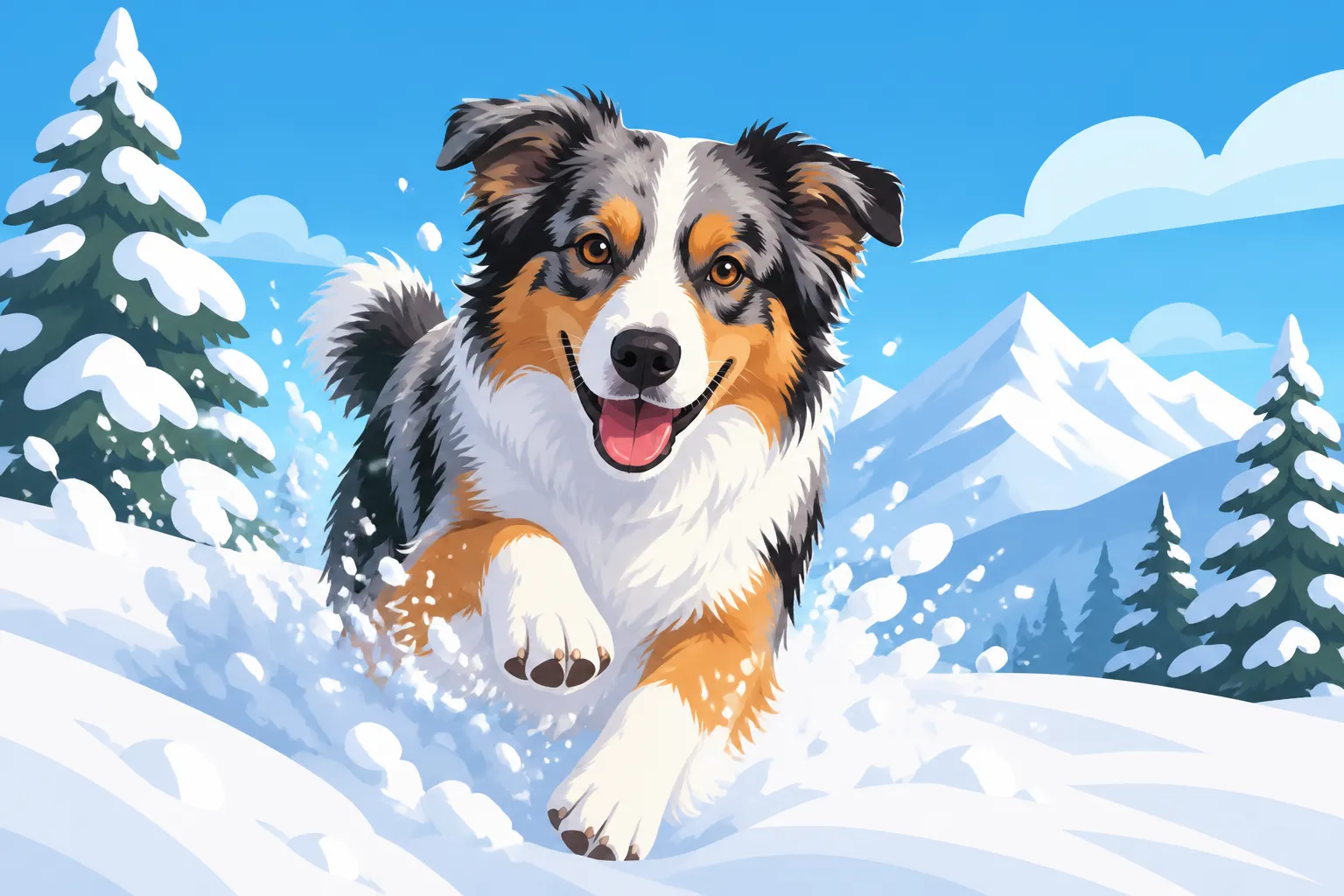
Imagine walking through waist-deep snow yourself – it's a full-body workout, right? The same goes for your Australian Shepherd. Their powerful legs and dense double coat are built for rough terrain and cold, but pushing through deep drifts requires significantly more energy than trotting on clear ground. This means a fifteen-minute romp in deep snow might be as tiring as a much longer session on dry land. While this can be a good thing for burning off some of that boundless Aussie energy, it also means they can tire out faster than you expect, leading to sudden fatigue or even muscle strain if they're not conditioned for it.
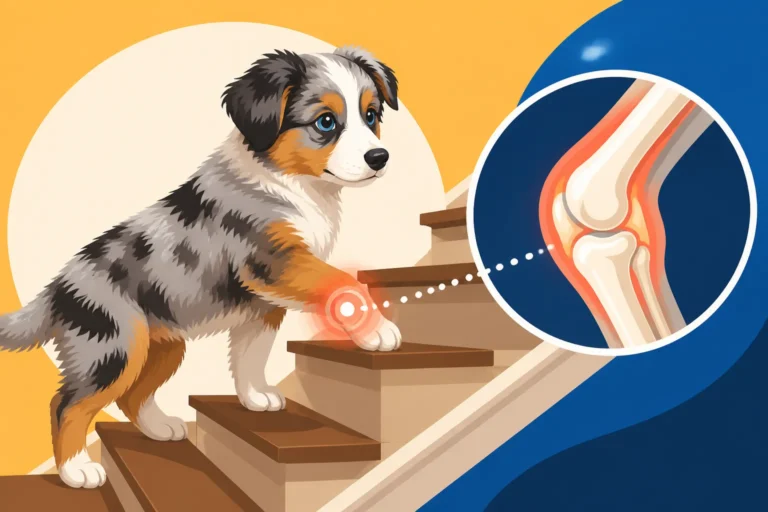
It's tempting to think that since they're working harder, they're getting better exercise, but it’s crucial to monitor them closely. Young Australian Shepherds, especially those whose Australian Shepherd Growth Plates and When They Close are still open, should have their strenuous activities limited to protect their developing joints. Even adult Aussies, who are typically robust, need a gradual introduction to deep snow work to prevent injury. Think of it like starting a new intense workout routine – you wouldn't jump straight into a marathon.
Hidden Hazards Underfoot
Deep snow can be deceptive. What looks like a smooth, even blanket might be hiding all sorts of dangers beneath. Uneven terrain, icy patches, broken branches, or even forgotten gardening tools can all be concealed, posing a risk of paw injuries or trips and falls for your Australian Shepherd. Their instinct to chase or herd might send them plunging into an unseen hole or over a concealed obstacle.
Beyond natural hazards, urban or suburban environments bring their own set of risks. Roads and sidewalks might be treated with rock salt or de-icing chemicals that can irritate or burn their paw pads. Even though your Aussie's double coat provides good insulation, Road Salt in an Aussie's Feathered Paws can cling to the hair between their toes, causing discomfort and potential chemical burns if not rinsed off promptly. Always be mindful of what might be lurking under that beautiful white blanket before you let your Aussie off-leash or encourage vigorous play.
Safe and Engaging Ways to Exercise Your Aussie in Deep Snow
Just because it's snowy doesn't mean your Aussie has to become a couch potato. With a little creativity and preparation, you can turn those snowy days into exciting opportunities for mental and physical stimulation.
Structured Play and Training Sessions
Instead of just letting your Aussie loose to flail through the snow, incorporate structured play and training. This leverages their incredible intelligence and desire to work, turning exercise into a game. Fetch, for instance, can be super fun in the snow, especially if you use brightly colored toys that are easy to spot. Make them "hunt" for the toy, burying it slightly in the snow to engage their nose. This engages their natural prey drive and problem-solving skills, tiring them out mentally as well as physically.
Consider teaching them new tricks or working on obedience commands in the snowy environment. Asking for a "down" or a "stay" while they're surrounded by tempting white fluff requires a higher level of focus, which is excellent mental exercise. You could even set up a mini-agility course in a safely fenced, cleared area of your yard, using cones or low hurdles. Remember, Why Physical Exercise Alone Never Settles an Aussie – mental stimulation is key, and the snowy landscape provides a novel challenge to old commands. Brands like Chewy often have durable, brightly colored outdoor toys perfect for snowy conditions that stand out against the white.
Snowshoeing or Cross-Country Skiing with Your Aussie
For the truly adventurous and well-conditioned Australian Shepherd, joining you on a snowshoeing or cross-country skiing excursion can be a fantastic way to burn energy. This isn't for every Aussie, especially those not accustomed to long distances or off-leash work, but for many, it's an absolute blast. The continuous, steady movement of following you through the snow provides excellent cardiovascular exercise and helps them build endurance.
Before embarking on such an adventure, ensure your Aussie is fit enough and that you choose trails appropriate for dogs. Many state parks or national forests have designated dog-friendly trails. Use a comfortable harness, not just a collar, for control and to prevent neck strain if you need to guide them. It's also wise to practice walking on a long leash with you first, ensuring they understand boundaries and don't try to herd the skiers going by. This kind of focused, sustained activity is a great way to meet their daily needs for Australian Shepherd Exercise at One to Two Hours a Day.
Backyard Agility and Enrichment
If venturing out isn't feasible, your own backyard can become an Australian Shepherd snow gym. Shovel clear some pathways or circles to create a "track" for them to run on. You can then strategically place low obstacles (like logs or sturdy plastic bins) for them to jump over or weave around. Make it a game by having them follow you or a toy along the course. This offers varied movement patterns and keeps their minds engaged.
Another idea is to create "snow tunnels" or small mazes by piling up snow, then having your Aussie navigate them to find hidden treats or toys. This sensory experience is highly enriching, tapping into their sniffing and problem-solving instincts. Even simple things like throwing a handful of kibble into a freshly fallen, shallow patch of snow can turn mealtime into a fun foraging game. For gear that stands up to winter elements, online retailers like Amazon offer a wide selection of durable outdoor toys and training aids.
Essential Gear and Preparation for Snowy Adventures
Successfully exercising your Australian Shepherd in deep snow isn't just about the activity itself; it's also about having the right equipment and preparing your dog properly for the elements.
Paw Protection and Post-Snow Care
Your Aussie's paws are their primary contact with the cold, wet, and potentially abrasive snow. While their paw pads are tougher than human feet, deep snow, ice, and especially rock salt can still cause damage. Dog booties are a game-changer for many Aussies, offering a protective barrier against cold, ice, and chemicals. It might take some time to get your dog used to them, so introduce them gradually inside before venturing out.
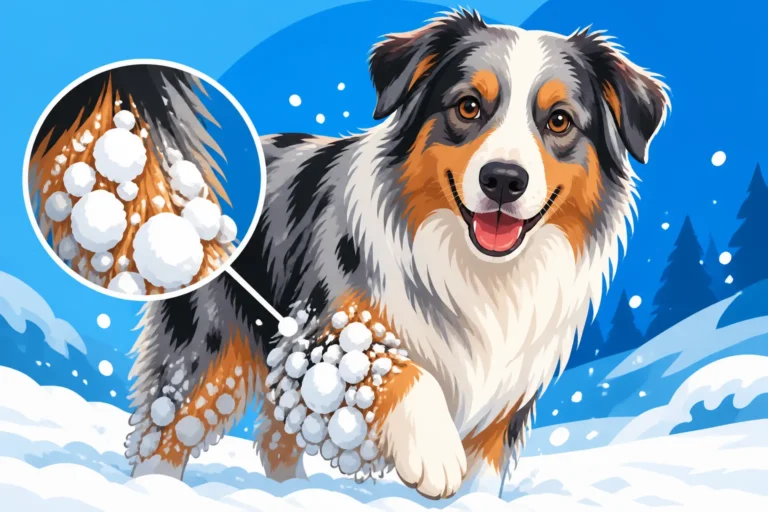
After any snowy excursion, thorough paw care is essential. Check their paw pads for cracks, cuts, or signs of irritation. Critically, look between their toes for snowballs – little clumps of ice and snow that can form, especially in Snowballs Forming in an Aussie Coat. These can be incredibly uncomfortable and painful, leading to limping or even frostbite if left. Gently melt them with warm water (never pull them off!), then dry their paws completely. Many owners find a rinse with plain water helps wash away any lingering salt or chemicals. A quick once-over for burs or debris is also a good habit, tying into general Australian Shepherd Paw and Coat Care After Fieldwork.
Winter Coat Care and Warming Layers
The Australian Shepherd's magnificent double coat is a marvel of natural insulation, designed to keep them warm in chilly weather. This thick outer coat and dense undercoat trap air, providing a protective layer against the cold. However, even with this natural protection, prolonged exposure to extremely deep snow or very low temperatures can still be a concern, especially if your dog is older, very young, or has underlying health issues.
While Whether an Aussie Needs a Coat in Winter is a common question, for most healthy adult Aussies, their natural coat is sufficient for typical winter romps. However, if your dog tends to get cold quickly, or if you're out for extended periods in genuinely frigid, deep snow conditions, a dog coat designed for winter sports can provide an extra layer of warmth, particularly over their core. Look for waterproof and breathable options. Post-exercise, ensure their coat is dried thoroughly, especially if they've been diving into drifts, to prevent chilling. Regular brushing is also vital to prevent mats, which can compromise their coat's insulating properties, a topic often covered in Australian Shepherd Grooming and Shedding Costs.
Monitoring Hydration and Energy Levels
Even in cold weather, your Australian Shepherd needs to stay well-hydrated, especially when exerting themselves heavily in deep snow. They might not pant as much as in summer, but the physical effort of navigating snow, combined with drier winter air, can still lead to dehydration. Always carry water for both you and your dog, offering frequent breaks for them to drink. A collapsible bowl from Amazon or a similar retailer is a good investment.
Pay close attention to their energy levels. As mentioned, deep snow is taxing. Watch for signs of fatigue, such as lagging behind, excessive shivering, or a reluctance to continue playing. If you notice these, it's time to head home and let them rest. Fueling them properly is also important; if they're engaging in strenuous snow activities regularly, their caloric needs might increase slightly. Discuss this with your vet or consult resources like Ollie, which often provides guidance on nutrition based on activity levels. It's a fine balance between adequate exercise and overexertion.
Recognizing and Preventing Cold Weather Risks
While Aussies are generally robust, cold weather and deep snow come with inherent risks that every owner should be aware of to ensure their dog's safety and well-being.
Hypothermia and Frostbite Awareness
Hypothermia occurs when your dog's body temperature drops dangerously low, and frostbite is damage to tissues caused by freezing. While an Australian Shepherd's double coat offers significant protection, they are not immune, especially if they are wet for prolonged periods in freezing temperatures, or if they are very young, old, or thin. Symptoms of hypothermia can include shivering, lethargy, weakness, shallow breathing, and a cold-to-the-touch body. Frostbite often affects extremities like ears, tail, and paw pads, appearing pale, waxy, or grayish.
If you suspect either hypothermia or frostbite, get your dog to a warm, dry place immediately. Wrap them in blankets, and if possible, use warm water bottles (not hot) against their body. For frostbite, gently warm the affected area with lukewarm water, but do not rub it. Seek veterinary attention as soon as possible, as both conditions can be severe. Prevention is key: limit time outdoors in extreme cold, keep your dog moving, and ensure they are dry before venturing out. Understanding Australian Shepherd Exercise in Snow and Cold is about balancing their need for activity with crucial safety measures.
Overexertion and Musculoskeletal Injuries
The effort of moving through deep snow can be immense. Even a highly conditioned Australian Shepherd can overdo it, leading to muscle strains, sprains, or even more serious musculoskeletal injuries. Their agile movements, quick stops, and explosive pushes through dense snow can put stress on joints and ligaments, particularly if they hit a hidden obstacle or twist awkwardly.
To prevent this, gradually introduce your Aussie to deep snow exercise. Start with shorter, less intense sessions and slowly increase duration and intensity as their conditioning improves. Always include a warm-up period of light activity before vigorous play and a cool-down period afterward. If your Aussie seems stiff, limps, or shows any signs of pain after snow play, consult your veterinarian. Early intervention can prevent minor issues from becoming chronic problems, which is particularly relevant for a breed prone to joint issues later in life.
Environmental Toxins and Ingesting Snow
Beyond the cold, the snowy environment itself can pose risks. As mentioned earlier, rock salt and de-icing chemicals are a significant concern. Not only can they burn paws, but if your Aussie licks their paws after walking on treated surfaces, they can ingest these toxic substances, leading to stomach upset, kidney damage, or other serious health problems. Always rinse paws thoroughly after walks on treated ground.
Another less obvious risk is ingesting too much snow. While a few mouthfuls won't harm them, eating large quantities of snow, especially dirty snow, can lead to digestive upset, vomiting, or diarrhea. The cold temperature of the snow can also irritate their stomach. Discourage excessive snow eating, and ensure they have access to fresh, clean drinking water, not just snow, to satisfy their thirst.
| Snow Hazard | Description | Prevention/Action |
|---|---|---|
| Deep Drifts | Causes high energy expenditure, hidden obstacles. | Monitor fatigue, gradual introduction, structured play. |
| Ice/Icy Patches | Risk of slips, falls, paw injuries. | Use booties, stick to known clear paths, limit speed. |
| Hidden Objects | Branches, tools, holes concealed by snow. | Scout areas, keep on leash, use brightly colored toys. |
| Road Salt/Chemicals | Irritates/burns paws, toxic if ingested. | Booties, rinse paws thoroughly, avoid treated surfaces. |
| Snowballs in Coat | Painful ice clumps between toes/on feathering. | Trim paw hair, apply paw balm, gently melt with warm water. |
| Hypothermia | Body temperature drops dangerously low. | Limit exposure, keep dry, provide warmth, seek vet care. |
| Frostbite | Tissue damage from freezing (paws, ears, tail). | Limit exposure, monitor extremities, gentle warming, vet care. |
| Overexertion | Muscle strains, sprains from pushing through snow. | Gradual increase, warm-up/cool-down, watch for limping. |
| Ingested Snow | Digestive upset from eating large amounts of cold/dirty snow. | Discourage eating snow, provide fresh water. |
Exercising your Australian Shepherd in deep snow can be a wonderful bonding experience and a fantastic way to meet their considerable energy needs during the winter months. By understanding the unique challenges, preparing with the right gear, and being vigilant about potential risks, you can ensure that you and your clever, energetic companion enjoy a safe, active, and fulfilling snowy season together.
Disclaimer
This article is for general informational purposes only and does not constitute professional advice. Laws, prices and regulations vary by location and change over time. Consult a qualified professional for guidance on your specific situation.