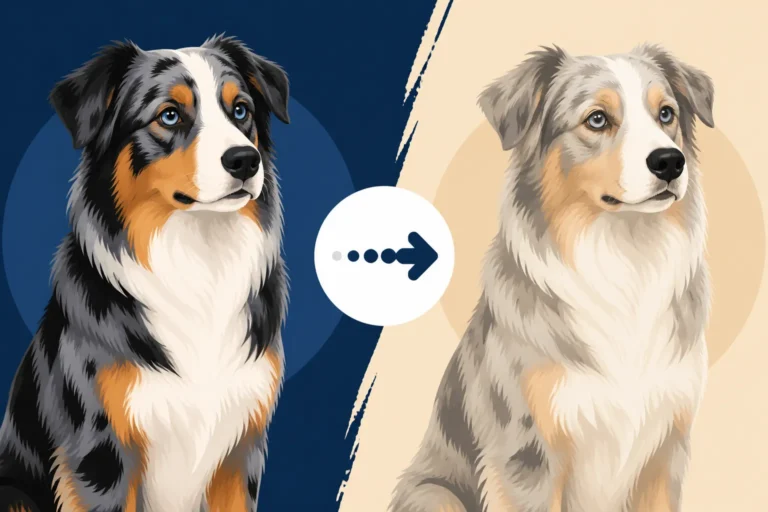
Australian Shepherd Temperament and Working Character
Oh, the Australian Shepherd! If you're reading this, you probably know that these intelligent, stunning dogs are much more than just pretty faces. Many folks get drawn in by their gorgeous eyes and vibrant coats, only to find themselves completely overwhelmed by a whirlwind of energy and intense focus. The truth is, owning an Aussie means understanding their deep-seated temperament and working character, which can be a real challenge if you're not prepared for it. This guide is here to walk you through exactly what makes an Australian Shepherd tick, helping you understand their natural instincts and how to channel that incredible drive into a harmonious life together, rather than a frustrating struggle.
Understanding the Australian Shepherd's Innate Drive
Before you even consider bringing an Australian Shepherd into your home, or if you're already living with one and feeling a bit bewildered, you absolutely must grasp the core of their being: their innate drive. These aren't your average couch potatoes, nor are they simply "energetic." Their drive is a complex symphony of instinct, intelligence, and boundless vigor that dictates much of their behavior and personality. Ignoring this fundamental aspect is like buying a high-performance sports car and expecting it to drive like a golf cart – it’s just not how they're built!
The Herding Instinct: A Deep-Rooted Blueprint
Imagine generations of dogs selectively bred to move livestock, to anticipate their every twitch, to gather them, and to direct them with an unwavering gaze and silent command. That, my friends, is the genetic blueprint stamped firmly into every Australian Shepherd. This isn't just a quirky trait; it's their operating system. This instinct means they are constantly observing, assessing, and often trying to organize their environment. It manifests in their intense stare, their desire to keep family members together, and, yes, even their infamous heel-nipping. They aren't doing it to be naughty; they're doing what they were literally born to do.
You'll see this instinct emerge in the most unexpected places. Does your Aussie try to "herd" your children when they're playing outside? Do they try to round up the family cat or even the vacuum cleaner as it moves across the floor? This isn't just puppy play; it's their primal programming kicking in. Understanding this helps us validate their actions and realize that simply yelling "no!" won't extinguish a deeply embedded trait. Instead, we need to learn how to redirect it. For a much deeper dive, you'll want to read about The Australian Shepherd Herding Drive You Cannot Train Out. It truly is the Aussie operating system.
High Energy, High Intelligence: A Potent Combination
An Australian Shepherd's energy isn't just physical; it's mental, too. They are incredibly smart, problem-solving dogs, which, when combined with their stamina, can be a potent mix if not properly managed. Think of it like this: you have a highly intelligent computer with an endless power supply. If you don't give it complex programs to run, it's going to start running diagnostics on its own, and those "diagnostics" often look like destructive behaviors, incessant barking, or anxiety. They aren't content to simply exist; they want to engage, to learn, to do.
This high intelligence means they pick up on new commands quickly, often astonishing their owners with how fast they learn complex tricks or navigate agility courses. But it also means they get bored very easily. A bored Aussie is a destructive Aussie. They'll start redecorating your furniture, finding their own "jobs" like chewing through drywall or counter-surfing for snacks. This isn't out of spite, but out of a desperate need for mental engagement. Many owners find that two hours of running at the park doesn't exhaust their Aussie, but 20 minutes of intense scent work or trick training does. It's about working their brains, not just their legs.
The 'Off Switch' is Learned, Not Innate
One of the biggest misconceptions about high-drive breeds like the Australian Shepherd is that they should naturally settle down after exercise. Many an owner has come home from a long walk, expecting their Aussie to crash, only to find them pacing, restless, and still demanding attention. This is where the concept of the "off switch" comes in, and it's crucial to understand that for most Aussies, this is a learned behavior, not something they are born with.
Their natural inclination is to be on – alert, ready to work, scanning for the next thing to do or herd. Teaching them to relax, to settle on a mat, or to simply exist calmly in the house without constant engagement requires intentional training. It's about helping them understand that there are times for intense activity and times for quiet repose. This often involves specific "place" or "mat" training, rewarding calm behavior, and sometimes even enforced naps for younger, overstimulated puppies. Without this training, you can end up with a dog that is perpetually on edge, unable to truly unwind, which can be exhausting for both you and your Aussie. This is why An Australian Shepherd That Cannot Switch Off is such a common complaint among owners, and why teaching this skill is so vital.
Temperament Traits: What to Expect Day-to-Day
Beyond their core drives, Australian Shepherds exhibit a range of temperament traits that define their everyday interactions. These aren't universal rules – every dog is an individual – but they represent the general tendencies you'll encounter. Understanding these traits can help you anticipate their reactions and build a stronger, more empathetic relationship.
Loyalty and Devotion to Their People
One of the most endearing qualities of an Australian Shepherd is their fierce loyalty and devotion to their chosen family. They tend to bond very deeply with their primary caregivers, often forming an almost velcro-like attachment. This isn't just about affection; it ties back into their herding instinct. You are their flock, and they feel a profound responsibility to keep you safe and together. This can mean they are often found shadowing you from room to room, lying at your feet, or constantly checking in on your whereabouts.
This loyalty makes them wonderful companions for active families or individuals who are looking for a true partner in their adventures. They thrive on being part of the action and want nothing more than to be by your side, whether you're hiking a mountain trail or simply pottering in the garden. This devotion also means they can be incredibly sensitive to your moods and emotions, often trying to "fix" things if they sense distress. However, this deep bond can sometimes translate into separation anxiety if they aren't taught independence from a young age, or if their need for a "job" isn't met. They literally feel lost without their flock.
Reserved with Strangers: The Guardian Tendency
Unlike some gregarious breeds that greet every new person as their long-lost best friend, Australian Shepherds are typically reserved, even aloof, with strangers. This isn't shyness or aggression, but another facet of their guardian tendency. They are discerning dogs who take time to assess new people and situations. Their job, in their minds, is to protect their flock, and a stranger is an unknown variable until proven otherwise. They might stand a little apart, observe quietly, or even put themselves between you and a new person.
This reserved nature means that early and ongoing socialization is absolutely critical for an Aussie puppy. They need to be exposed to a wide variety of people, sights, sounds, and experiences in a positive, controlled manner so they learn that not everyone is a threat. Without this, their natural caution can easily escalate into fear or even protective aggression. Think about it: a dog bred to watch over a flock needs to be wary. While a stranger might be okay, they're not part of the flock. This trait can be both a blessing (making them excellent watchdogs) and a challenge (requiring careful management in social settings). For more on managing this, consider Socializing an Australian Shepherd Beyond the Farm.
Playfulness and the Need for Engagement
Beneath that intense stare and serious work ethic lies a playful, often goofy, spirit. Australian Shepherds love to play, and for them, play is often a form of engagement and mental exercise. They're not just running around aimlessly; they're often playing games with rules, like fetch, frisbee, or even hide-and-seek. Their play can be highly interactive and often involves a strong desire to win or outsmart their human partner. This makes them incredibly fun to engage with, but it also underscores their constant need for interaction.
This playfulness isn't always obvious to new owners, as their reserved nature might initially overshadow it. But once they feel comfortable and secure, their inner puppy shines through. They'll initiate play, bring you toys, and engage in elaborate games. This is another area where their intelligence comes to the forefront; they often invent their own games or adapt existing ones. Providing appropriate toys and engaging in structured play sessions is essential to keeping them happy and fulfilled. Many owners swear by durable toys, finding great options at places like Chewy, because a flimsy toy just won't stand up to an Aussie's focused play.
| Trait | Description | Implications for Owners |
|---|---|---|
| Herding Instinct | Innate desire to gather, control, and move things; manifests as nipping heels, circling, or 'organizing' family members. | Requires redirection onto appropriate outlets (herding balls, flirt poles, structured play) and understanding that it cannot be trained out. Expect them to try and manage their environment. |
| High Intelligence | Quick learners, excellent problem-solvers, capable of complex tasks and understanding cues rapidly. | Needs constant mental stimulation beyond physical exercise. Prone to boredom and destructive behavior if under-stimulated. Great for trick training and dog sports. |
| High Energy | Possesses immense stamina and requires significant physical output; bred to work all day. | At least 1-2 hours of vigorous exercise daily, often needing more. Lack of exercise leads to restlessness, anxiety, and behavioral issues. |
| Loyalty/Devotion | Forms deep, unwavering bonds with their family; often shadows owners and is highly sensitive to their moods. | Can lead to separation anxiety if not taught independence. Excellent family dogs for those seeking a true companion. Requires consistent attention and inclusion in family activities. |
| Reserved with Strangers | Cautious and observant around new people, not overtly friendly; a natural guardian tendency. | Demands extensive early and ongoing socialization to prevent fear or protective aggression. Will take time to warm up to guests. |
| Playfulness | Enjoys interactive, often rule-based games; initiates play once comfortable. | Needs durable toys and engaged play partners. Play is a form of mental and physical engagement. Can be quite goofy and entertaining once they trust you. |
| Sensitivity | Can be highly attuned to tone of voice, atmosphere, and human emotions; responds poorly to harsh corrections. | Thrives on positive reinforcement training and a consistent, calm environment. Can become anxious or shut down with inconsistency or punishment-based methods. |
Common Behavioral Challenges Stemming from Character
It's tempting to think that all these wonderful traits — intelligence, loyalty, drive — come without a downside. But the reality is, these very characteristics, if not understood and managed, can lead to some of the most common and frustrating behavioral challenges for Australian Shepherd owners. It’s not that they are “bad” dogs; they are simply being Aussies, and we need to interpret their actions through the lens of their breed.
Nipping and Herding Behaviors in the Home
Let's be real: that cute little nip your Aussie puppy gives your ankles isn't so cute when they're 50 pounds and doing it to your toddler. This is perhaps the most direct manifestation of their herding instinct. Puppies learn to control movement through nipping and bumping. In a livestock setting, this is invaluable. In a suburban home with children, cats, or even just guests, it's a recipe for disaster and stress. Your Aussie sees movement – a running child, a scurrying cat, someone walking away – and their brain screams, "Gather that! Control that!"
The key here is not to punish the instinct, but to redirect it. This means providing appropriate outlets for that impulse. Think flirt poles, herding balls, or specific tug toys that become the acceptable target for their mouthy, herding energy. Teaching a solid "leave it" or "off" command is also crucial. It's a continuous management process, especially with young, energetic Aussies. We've talked extensively about Australian Shepherd Heel Nipping and How to Redirect It because it's such a common struggle, and it takes consistent effort to teach them what is acceptable to herd.
Barking and Alertness: More Than Just a Nuisance
Australian Shepherds are naturally alert and observant. This makes them excellent watchdogs – they will absolutely let you know if someone is approaching the house, if a leaf blows across the driveway in a suspicious manner, or if the neighbor's cat dares to set foot on your lawn. However, this alertness can quickly tip over into excessive barking if not managed. For an Aussie, barking is often a form of communication or an attempt to "control" their environment. They might bark at passersby, other dogs, or any novel sound.
Living with a constant barker can be incredibly stressful, both for you and your neighbors. It's vital to teach your Aussie a "quiet" command and to reward silence. Just like with herding, it’s about redirection and setting boundaries. Often, their barking stems from anxiety or frustration – they see something they want to herd or investigate, but a fence or leash prevents them. This is closely related to Australian Shepherd Barking and Noise Sensitivity, and understanding the root cause is the first step in addressing it. Providing mental enrichment and ensuring they feel secure in their environment can also reduce their need to constantly "alert."
Reactivity and Overstimulation in Busy Environments
Given their high intelligence and strong observational skills, Australian Shepherds can sometimes become overwhelmed or reactive in busy, stimulating environments. A dog park, a crowded street, or even a bustling pet store (like a busy Saturday at Chewy) can be a sensory overload. Their minds are constantly processing information, and when there's too much happening, they can become overaroused. This often manifests as leash reactivity (lunging, barking at other dogs or people), excessive panting, pacing, or an inability to focus.
This isn't necessarily aggression; it's often frustration or an inability to cope with the sheer volume of stimuli. They want to control the environment, or they feel a need to react to everything. This is a common issue discussed in Australian Shepherd Reactivity and Overarousal. Desensitization and counter-conditioning are key. This means gradually exposing them to these environments at a distance where they can remain calm, and positively reinforcing that calm behavior. It requires patience and a keen eye to read their body language, ensuring you don't push them past their threshold.
Providing a "Job" for Your Australian Shepherd
The most crucial piece of advice for any Australian Shepherd owner, new or experienced, is this: give your dog a job. It's not optional; it's fundamental to their well-being and your sanity. These dogs were bred for purpose, and without one, they will invent their own, and trust me, you probably won't like their choice of occupation.
Structured Exercise Beyond Just Walks
Many people mistake a walk around the block for sufficient exercise. For an Australian Shepherd, a casual stroll is barely a warm-up. They need structured exercise that engages both their body and their mind. This goes far beyond just letting them run in the yard. Running laps in the backyard is like letting a child play video games all day – it's activity, but it's not truly enriching or tiring in the right way.
Consider activities that involve direction changes, problem-solving, and bursts of energy. Fetch with a frisbee or ball, agility training, hiking on varied terrain, or even swimming can be fantastic outlets. The key is quality over pure duration. Twenty minutes of intense, focused fetch where they have to think about where the toy is going and retrieve it is often more tiring than an hour of aimless running. Remember, a tired Aussie is a good Aussie, but it needs to be mentally tired, too. For more on this, check out Why Physical Exercise Alone Never Settles an Aussie.
Mental Stimulation: The Key to a Calm Aussie
As we've touched upon, physical exercise alone isn't enough. An Aussie needs mental work to truly be calm and content. Think of their brain as a powerful engine that needs fuel and a challenge. Without it, it will idle roughly or even backfire. This is where puzzle toys, training sessions, and scent work become invaluable.
Mental stimulation can be as simple as hiding treats around the house for them to sniff out, teaching new tricks, or using puzzle feeders for their meals. Brands like Chewy offer a wide array of excellent puzzle toys that can keep an Aussie engaged for a good chunk of time. Advanced obedience, rally, or even practicing complex tricks can provide the mental workout they crave. These activities tap into their problem-solving intelligence and give them a sense of purpose. A tired mind often leads to a relaxed body, and this is especially true for Australian Shepherds. Mental Work That Actually Tires an Australian Shepherd offers more strategies for this crucial aspect of their care.
Exploring Dog Sports and Activities
Dog sports are not just for professional competitors; they are an incredible way to bond with your Aussie and fulfill their innate drives. For many Australian Shepherds, these activities are their ultimate "job."
- Herding: If you have access to livestock, herding is the most natural outlet for an Aussie. Even an instinct test can be a revelation, showing you the depth of their inherent talent.
- Agility: This sport is perfect for Aussies, combining speed, intelligence, and coordination. They thrive on navigating obstacles and working closely with their handler.
- Disc Dog/Flyball: For Aussies with intense retrieve drives and a love for running, these high-energy sports are fantastic.
- Obedience and Rally: These sports tap into their desire to please and their intelligence, building a strong foundation of communication.
- Scent Work/Nose Work: This is often overlooked but incredibly enriching. Aussies have excellent noses, and allowing them to use them to solve puzzles is immensely satisfying for them. It's a low-impact, high-reward activity that can tire them out faster than almost anything else.
Participating in these activities provides an unparalleled opportunity to channel their energy constructively, build confidence, and deepen your bond. You can learn more about specific options in Australian Shepherd Sports From Herding to Agility.
Australian Shepherds in Different Living Environments
The perception of an Australian Shepherd is often tied to wide-open spaces, sprawling ranches, and endless fields. While this is certainly an ideal environment, it's not the only one. However, bringing an Aussie into different living situations requires a clear understanding of what adjustments need to be made to ensure their needs are still met.
Adapting to Apartment Living (with caveats!)
Can an Australian Shepherd live in an apartment? Yes, technically, but it's an advanced level of dog ownership and comes with significant caveats. This isn't a breed for the casual apartment dweller. The key is that the apartment doesn't define their exercise; you do. Living in an apartment means you become solely responsible for providing every ounce of their physical and mental stimulation outside those four walls.
This means multiple trips out for exercise daily, regardless of weather. It means scheduled, intense play sessions, regular trips to dog parks or trails, and a consistent routine of mental games indoors. It often means a significant financial commitment to dog walkers, daycare, or specialized training classes to ensure they get enough outlets. An under-exercised, under-stimulated Aussie in an apartment will quickly become destructive, anxious, and vocal. They'll bark at every sound, pace restlessly, and view your furniture as their next DIY project. It's absolutely doable, but it requires an owner who is fully dedicated to integrating an active, outdoor lifestyle into their daily routine, much more so than with many other breeds.
Ranch Life vs. Suburban Home: Ideal Settings
The "ideal" setting for an Australian Shepherd, genetically speaking, is a ranch or a large property where they have space to roam, patrol, and, ideally, work livestock. In such an environment, their natural instincts find a purpose. They can run, chase, explore, and engage their minds in the very activities they were bred for. Their territorial instincts are less problematic when they have a large area to oversee, and their energy is burned off through natural movement and observation.
A suburban home can also work wonderfully, provided the owners are proactive about providing outlets. This typically means a securely fenced yard for safe play, and daily trips to parks, trails, or training facilities. The suburban Aussie needs a dedicated owner who views their exercise and mental enrichment as a non-negotiable part of their day. The biggest difference between a ranch and a suburban home isn't the square footage of the house, but the consistent, intentional effort required from the owner to replicate elements of that working lifestyle. The suburban Aussie needs to be taken to its job; the ranch Aussie often has a job built into its environment.
Coexisting with Children and Other Pets
Australian Shepherds can be wonderful family dogs, but their interactions with children and other pets need careful management and training. Their herding instinct is the primary factor here. With children, especially young ones, their tendency to nip heels or body-slam to "gather" can be alarming or even dangerous. They see fast-moving, squealing children as unruly livestock that need to be contained.
This means:
- Supervision: Always supervise interactions between an Aussie and young children.
- Training Children: Teach children how to interact respectfully with the dog, to avoid running away screaming, and to understand the dog's personal space.
- Training the Aussie: Teach your Aussie impulse control, a solid "leave it" command, and redirect their herding instincts onto appropriate toys. For managing those nippy behaviors, remember our discussion on An Australian Shepherd Nipping a Toddler's Ankles.
With other pets, their herding drive might lead them to try and "organize" cats or smaller dogs. While this can sometimes be playful, it can also be stressful for the other animals. Early socialization and consistent training are key. Many Aussies live happily with cats, especially if introduced as puppies, but some may always view the cat as something to be managed. Bringing home an Aussie means accepting that you'll need to actively facilitate harmonious relationships within your household.
The Impact of Breeding Lines on Temperament
Not all Australian Shepherds are created equal, and understanding the differences in breeding lines is absolutely critical when considering this breed. There's a common misconception that all Aussies are the same, but the reality is that specific breeding goals have shaped distinct temperamental tendencies within the breed.
Working Line vs. Show Line Characteristics
Historically, Australian Shepherds were bred for their working ability on farms and ranches. These "working lines" prioritize traits like intense herding drive, stamina, focus, and biddability (e.g., responsiveness to commands). Dogs from these lines are typically high-energy, incredibly intelligent, and possess a strong innate desire to work. They often have a more intense "eye" on livestock and are quicker to react. If you're looking for a dog to compete in high-level dog sports or genuinely work livestock, a working line Aussie is likely what you need. However, their intensity can be overwhelming for a novice owner or a family seeking a more relaxed companion. Working Line Australian Shepherd Traits delve deeper into this.
"Show lines," on the other hand, often emphasize conformation (how well the dog fits the breed standard in appearance), temperament for the show ring (calmness, confidence), and often a slightly less intense drive. While still highly energetic and intelligent, show-bred Aussies tend to have an "off switch" that's a bit more developed, and their herding drive might be present but less all-consuming. They are still Australian Shepherds, so don't expect a lap dog, but they might be better suited for an active family home where high-level competition isn't the primary goal. However, it's a spectrum, and there are many individuals who fall somewhere in between, or who buck the trend entirely. Understanding What a Show Bred Aussie Is Like at Home can help set expectations.
The Importance of Responsible Breeding and Early Socialization
Regardless of whether you choose a working line or show line Australian Shepherd, the breeder plays an enormous role in the temperament of your puppy. A responsible breeder carefully selects breeding pairs not just for health and conformation, but also for stable, sound temperaments. They will prioritize parents who are confident, not overly shy or aggressive, and who exhibit appropriate levels of drive for their intended purpose.
Moreover, responsible breeders provide crucial early socialization for their puppies. The first few weeks of a puppy's life are critical for neurological development and shaping their future temperament. Puppies raised in a stimulating, clean, and loving environment, exposed to various sounds, textures, people, and gentle handling, are much more likely to grow into well-adjusted adults. A breeder who keeps their puppies isolated or doesn't actively work on early enrichment is doing them a great disservice, regardless of the parents' genetics. Ask detailed questions about how the puppies are raised and what early experiences they have.
Reading an Australian Shepherd Pedigree
For those serious about understanding the potential temperament and working character of a puppy, delving into its pedigree can provide valuable insights. A pedigree isn't just a list of names; it's a window into the genetic history and the breeding philosophy behind the dog.
When you look at a pedigree, don't just see the names. Research the dogs in the lineage. Are they working titles (Herding Champion, Agility Champion, Obedience Trial Champion)? Are they conformation titles (Champion, Grand Champion)? What do those titles tell you about the focus of that particular line? A pedigree full of working titles indicates a strong likelihood of high drive and working aptitude. A pedigree with mostly conformation titles suggests a focus on appearance, though many dogs excel in both. Also, pay attention to the consistency of traits. If many dogs in the pedigree have a particular working style or temperament, it's a good indicator that those traits are strongly present in the lines. This background research, coupled with meeting the parents, can give you a much clearer picture of what to expect from your future Aussie.
Nurturing a Well-Adjusted Australian Shepherd
Bringing all of these traits and drives together into a well-adjusted, happy Australian Shepherd is a journey, not a destination. It requires ongoing commitment, understanding, and a willingness to adapt your methods.
Consistency, Patience, and Positive Reinforcement
These three pillars are the bedrock of successfully raising an Australian Shepherd.
- Consistency: Aussies thrive on routine and clear boundaries. Inconsistent rules or expectations will only confuse them and lead to frustration for both of you. Everyone in the household needs to be on the same page with commands, rewards, and acceptable behaviors.
- Patience: Training an Aussie is not always easy. There will be days when their intelligence feels like a curse, as they find creative ways around your rules. There will be adolescent phases where they seem to forget everything they learned. Patience is vital. Rushing or getting frustrated will only erode trust and make training harder.
- Positive Reinforcement: Australian Shepherds are incredibly sensitive and respond best to positive reinforcement methods. They want to please, and they thrive on praise, treats, and play as rewards. Harsh corrections, yelling, or punishment-based training can damage their confidence, make them shut down, or even lead to fear-based aggression. Building a strong bond through positive methods is the most effective way to encourage their natural eagerness to learn and work with you.
Professional Guidance and Training Methods
While many Aussie owners are eager to tackle training themselves, there are times when professional guidance is invaluable. Don't view seeking a trainer as a sign of failure; view it as an investment in your dog's future and your relationship.
When looking for a trainer, it's crucial to find one who understands the Australian Shepherd breed specifically. A trainer who specializes in herding breeds or high-drive working dogs will have a much deeper understanding of their unique motivations and challenges than a general obedience trainer. Ask about their methods and ensure they align with positive reinforcement principles. They can help you:
- Address specific behavioral issues like nipping, reactivity, or excessive barking.
- Guide you through the nuances of advanced obedience or dog sports.
- Provide strategies for channeling their energy constructively.
Finding a trainer who genuinely gets the Aussie mind is a game-changer. For advice on this, look up Finding a Trainer Who Understands an Aussie.
Understanding Your Aussie's Unique Communication
Australian Shepherds are highly communicative dogs, but their signals can be subtle, especially to an untrained eye. Learning to read your Aussie's body language is one of the most powerful tools you'll have in understanding their temperament and addressing potential issues before they escalate.
Pay attention to:
- Eye contact: Their intense "Aussie eye" can be a powerful tool for herding, but also a sign of focus, or even stress.
- Ear position: Forward and alert, or flattened against the head?
- Tail carriage: Even bobtails communicate volumes – a relaxed wag, a tense tuck, or an excited blur.
- Lip licks, yawns, whale eye: These can be subtle signs of stress or discomfort.
- Piloerection (hackles up): A clear sign of arousal, which isn't always aggression, but always means they are reacting to something.
The more you observe and understand your individual Aussie's unique communication style, the better equipped you'll be to meet their needs, prevent behavioral problems, and nurture a truly happy, well-adjusted companion. It’s an ongoing process of learning, but one that is incredibly rewarding with a breed as intelligent and communicative as the Australian Shepherd.
Disclaimer
This article is for general informational purposes only and does not constitute professional advice. Laws, prices and regulations vary by location and change over time. Consult a qualified professional for guidance on your specific situation.