The Pyrenean Shepherd and the Aussie
Many Australian Shepherd enthusiasts, and even some longtime owners, are often surprised to learn that despite their name, this beloved breed didn't originate in Australia at all. The truth is, their history is deeply rooted in the rugged landscapes and pastoral traditions of Europe, particularly influenced by a lesser-known but incredibly impactful breed: the Pyrenean Shepherd. This guide will unravel the fascinating lineage of the Australian Shepherd, highlighting the significant contributions of the tenacious Pyrenean Shepherd to the Aussie's unique traits and enduring character.
The Roots of the Australian Shepherd: A European Tale
It's a common misconception, isn't it? That a dog named the "Australian Shepherd" must surely have come from the land of kangaroos and koalas. But the reality is far more complex and intriguing, leading us back across oceans to the ancient herding traditions of Europe. Understanding this geographical disconnect is the first step in appreciating the true heritage of our intelligent, driven companions.
Dispelling the "Australian" Myth
Let's clear up the biggest piece of confusion right from the start: the Australian Shepherd, as a distinct breed, was developed right here in the American West. The name "Australian" likely stems from the fact that many of the sheep these dogs worked in the U.S. were imported from Australia, and with those sheep often came the dogs that had been working them. These dogs, a diverse mix of European herding breeds, started being referred to as "Australian Shepherds" by American ranchers simply because of the origin of their charges. It’s a classic case of mistaken identity, or perhaps just a convenient label that stuck. So, while your Aussie might have an adventurous spirit, it's not a direct genetic descendant of a dog that roamed the Outback. This is a common point of discussion, and if you want to dive deeper into this, we've got an article on Why the Australian Shepherd Is Not From Australia.
The Basque Connection
To truly understand the Aussie's lineage, we must travel to the mountainous border regions between France and Spain, the ancient homeland of the Basque people. These skilled shepherds, with their hardy flocks and even hardier dogs, began migrating to the American West in the 19th and early 20th centuries, drawn by the promise of abundant land and the booming sheep industry. They brought with them not only their pastoral expertise but also their trusted working dogs, the ancestors of what we now recognize as the Pyrenean Shepherd. These dogs were indispensable to the Basque way of life, navigating challenging terrain and managing vast flocks with a singular intensity. Their arrival on American soil was a pivotal moment, introducing a vital genetic thread into the evolving tapestry of what would become the Australian Shepherd. The tenacity and drive of these ancestral working dogs were precisely what American ranchers sought, leading to their integration into the developing breed.
Enter the Pyrenean Shepherd: A Key Ancestor
When we talk about the European roots of the Australian Shepherd, the Pyrenean Shepherd stands out as a particularly influential breed. While not as widely known as some other herding dogs, its specific characteristics and working style left an indelible mark on the burgeoning Aussie. These were not just any dogs; they were finely tuned working machines, perfectly adapted to their environment and task.
Characteristics of the Pyrenean Shepherd
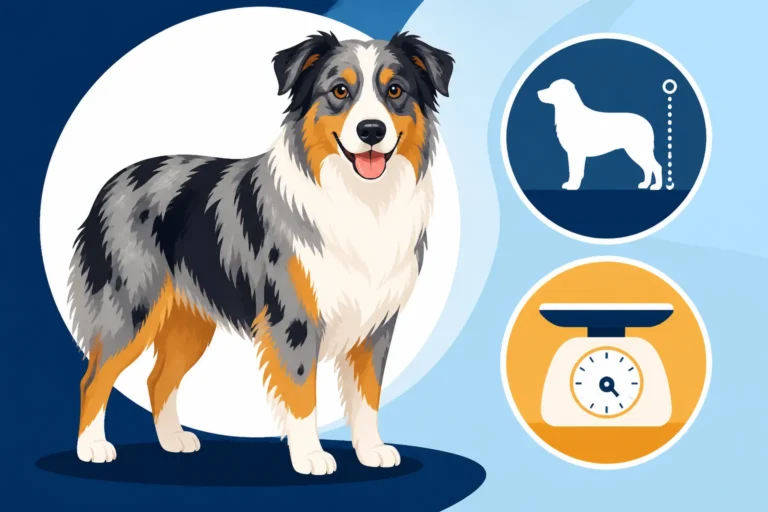
The Pyrenean Shepherd is a small to medium-sized herding dog, typically ranging from 15 to 20 inches tall and weighing between 20 to 30 pounds. Don't let their size fool you, though; they are bundles of boundless energy, known for their incredible agility, quick reflexes, and an almost psychic connection with their flock. Their coats can be long-haired (poil long) or smooth-faced (face rase), often ranging in colors like fawn, brindle, grey, or black, sometimes with white markings. What truly defines them, however, is their temperament: they are intensely intelligent, highly sensitive, and possess an unwavering work ethic. They are constantly scanning, assessing, and reacting, always anticipating the sheep's next move. This breed thrives on having a job, and without one, their high intelligence and energy can quickly turn into undesirable behaviors. This is a trait that many Aussie owners will recognize in their own dogs.
How Pyrenean Shepherds Influenced the Aussie
When these intelligent, agile Pyrenean Shepherds arrived in the American West with their Basque masters, they brought with them a potent genetic blueprint. Their acute intelligence, allowing them to learn complex tasks quickly and adapt to new situations, was highly prized by American ranchers. This mental acuity is a hallmark of the modern Australian Shepherd, enabling them to excel in everything from herding trials to complex agility courses. Think about the way an Australian Shepherd seems to "read" your intentions or anticipates your next command – much of that comes from this ancestral intelligence.
Furthermore, the Pyrenean Shepherd's intense herding drive and ability to control livestock with minimal physical intervention deeply influenced the Aussie. They didn't just push sheep; they managed them, using their presence, quick movements, and sharp barks to guide the flock. This refined herding style, characterized by eye contact and intelligent positioning rather than brute force, became a defining characteristic of the Australian Shepherd. It's why many Aussies are known for their The Australian Shepherd Herding Drive You Cannot Train Out, often trying to "herd" children, other pets, or even household appliances! The endurance and resilience needed to work long days in the mountains also contributed to the Aussie's robust constitution and stamina, traits essential for the demanding life on Western ranches. You can easily find toys and gear on sites like Chewy that cater to this high drive, designed to keep these energetic dogs mentally and physically stimulated.
The Melting Pot of the American West
The development of the Australian Shepherd was less about a single, deliberate breeding program and more about a practical, organic evolution in response to the needs of working ranchers in the vast American West. It was a true "melting pot" of canine talent, forged by necessity and defined by performance.
A Mix of European Working Dogs
The Basques weren't the only European immigrants bringing their working dogs to America. Many other European shepherds, from regions like Scotland, Ireland, and Germany, also settled in the American West, each bringing their own distinct breeds of herding dogs. Collies, sheepdogs, and various types of working terriers all contributed to the diverse gene pool. Imagine the bustling ranch scene: a Pyrenean Shepherd working alongside a Border Collie-type dog, or a shepherd from the British Isles. These dogs interbred, naturally blending their traits over generations. The goal wasn't to create a "purebred" dog in the modern sense, but rather the most effective working partner possible. This cross-pollination of European herding bloodlines, with the Pyrenean Shepherd being a significant contributor, created a foundation of highly capable and adaptable dogs. The focus was always on utility, and the best dogs were the ones that got the job done reliably, day in and day out.
Selection for Function
American ranchers were pragmatic. They weren't interested in fancy pedigrees or show ring aesthetics; they needed dogs that could handle the challenging conditions of the open range and the often-unpredictable nature of cattle and sheep. This meant a relentless focus on "selection for function." Dogs that were intelligent, trainable, resilient, and possessed an innate ability to gather and move livestock were favored for breeding. Those that couldn't perform were simply not kept. This intense pressure to produce top-tier working dogs naturally filtered out less desirable traits and amplified the qualities that made for an exceptional herder. The result was a dog that combined the quickness and intensity of the Pyrenean Shepherd with the stamina and broad working style of other herding breeds. This strong emphasis on practical working ability is a core reason why Australian Shepherds today, particularly Working Line Australian Shepherd Traits, retain such a powerful drive and an undeniable need for purpose. They were, and still are, truly bred to work.
Recognizing the Ancestral Legacy in Modern Aussies
Looking at a modern Australian Shepherd, it's easy to see how the traits from its Pyrenean Shepherd ancestors and other European working dogs have been woven into its very being. These historical threads continue to define the breed's character, appearance, and innate capabilities.
Shared Traits and Instincts
When you observe an Australian Shepherd today, especially one with a strong working background, many characteristics harken back to its Pyrenean Shepherd ancestors. The intense focus, the piercing "Aussie eye" that seems to command livestock, the quick bursts of speed, and the remarkable agility are all traits that would have been invaluable to a Pyrenean Shepherd navigating rocky mountain pastures. Their sensitivity and intelligence, which make them so trainable and eager to please, can also be traced back to dogs that needed to operate independently but respond instantly to their shepherd's subtle cues. You might notice your Aussie's uncanny ability to anticipate your movements, or their tendency to "manage" the household, whether it's gathering children for dinner or "supervising" your chores. These are not random quirks; they are echoes of a centuries-old herding instinct. The Australian Shepherd Temperament and Working Character is truly a reflection of this deep ancestral history.
Why This History Matters for Owners
Understanding the influence of the Pyrenean Shepherd and other foundational European herding breeds isn't just a fun historical fact; it's crucial for any Australian Shepherd owner. Knowing where these dogs come from helps us appreciate their inherent drives and needs. For instance, if your Aussie is constantly trying to round up your family or barks at moving objects, it's not "misbehavior" in a malicious sense; it's a deep-seated instinct passed down from generations of working dogs like the Pyrenean Shepherd. This historical context helps us frame their behavior, making us more empathetic and effective trainers. It underscores the importance of providing mental and physical enrichment that satisfies their innate desire to work and problem-solve. Engaging their minds with activities like puzzle toys, available from retailers such as Chewy, or training for dog sports can make a huge difference. Without adequate outlets for their intelligence and energy, an Aussie can become bored, frustrated, and destructive. Providing a job, even if it's just advanced obedience or scent work, respects their heritage and leads to a much happier, well-adjusted dog. And remember, their beautiful Australian Shepherd Double Coat Explained also comes with care requirements, linking back to their resilience in harsh climates. A healthy diet, carefully portioned, also supports their active lifestyle, as discussed in Daily Calories for a Thirty-Five to Seventy Pound Aussie.
Pyrenean Shepherd vs. Australian Shepherd: A Snapshot
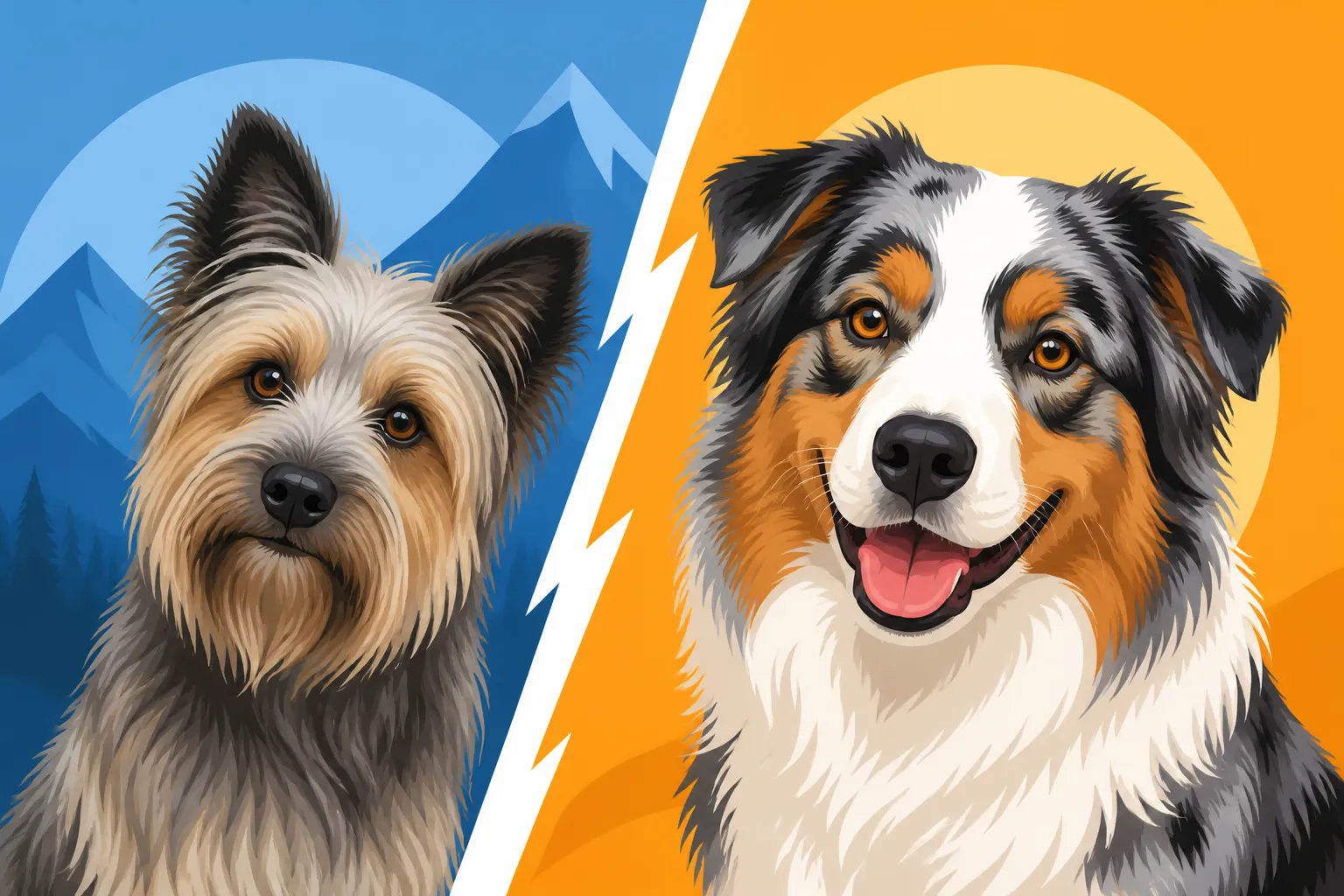
While distinct breeds today, the familial ties and shared working heritage between the Pyrenean Shepherd and the Australian Shepherd are undeniable. Here’s a quick comparison to highlight some key differences and similarities:
| Feature | Pyrenean Shepherd | Australian Shepherd |
|---|---|---|
| Origin | French Pyrenees Mountains | American West (developed) |
| Size | Small to medium (20-30 lbs, 15-20 inches) | Medium (40-65 lbs, 18-23 inches) |
| Coat Type | Long-haired or smooth-faced, various colors | Medium length, double coat, various merle/tri colors |
| Temperament | Intense, sensitive, agile, highly intelligent, wary | Intelligent, active, loyal, strong herding drive, reserved |
| Primary Work | Herding sheep in mountains | Herding sheep/cattle on ranches, all-around farm dog |
| Common Colors | Fawn, brindle, gray, black | Blue merle, red merle, black tri, red tri |
| Energy Level | Extremely high | Very high |
| Grooming | Moderate, less undercoat than Aussie | High, especially during Twice-Yearly Coat Blow in an Australian Shepherd |
The Australian Shepherd is a testament to the power of functional breeding, a dog shaped by the demands of the land and the unwavering dedication of shepherds who needed truly exceptional working partners. The Pyrenean Shepherd, though perhaps a quieter figure in this history, played a fundamental role in bestowing upon the Aussie many of the admirable qualities we cherish today. Understanding this deep ancestral connection enriches our appreciation for these incredible dogs and empowers us to provide them with the lives they were truly bred for. You can find essential Australian Shepherd Crates, Long Lines and Gear to help manage and train these active breeds.
Disclaimer
This article is for general informational purposes only and does not constitute professional advice. Laws, prices and regulations vary by location and change over time. Consult a qualified professional for guidance on your specific situation.