The British Sheepdogs in Aussie Ancestry
It’s a funny old thing, isn’t it, how the Australian Shepherd got its name? You’d think with "Australian" right there in the title, their origins would be straightforward. But ask any Aussie enthusiast, and they’ll chuckle, because these incredible dogs aren't actually from Australia at all. Their story is a complex tapestry woven across continents, with a significant, often overlooked, thread tracing back to the British Isles. This guide will take a deep dive into how those crucial British sheepdog lines influenced the development of the Australian Shepherd we know and love today, shaping their instincts, intelligence, and iconic looks.
The Transatlantic Sheep Migration That Confused Everyone
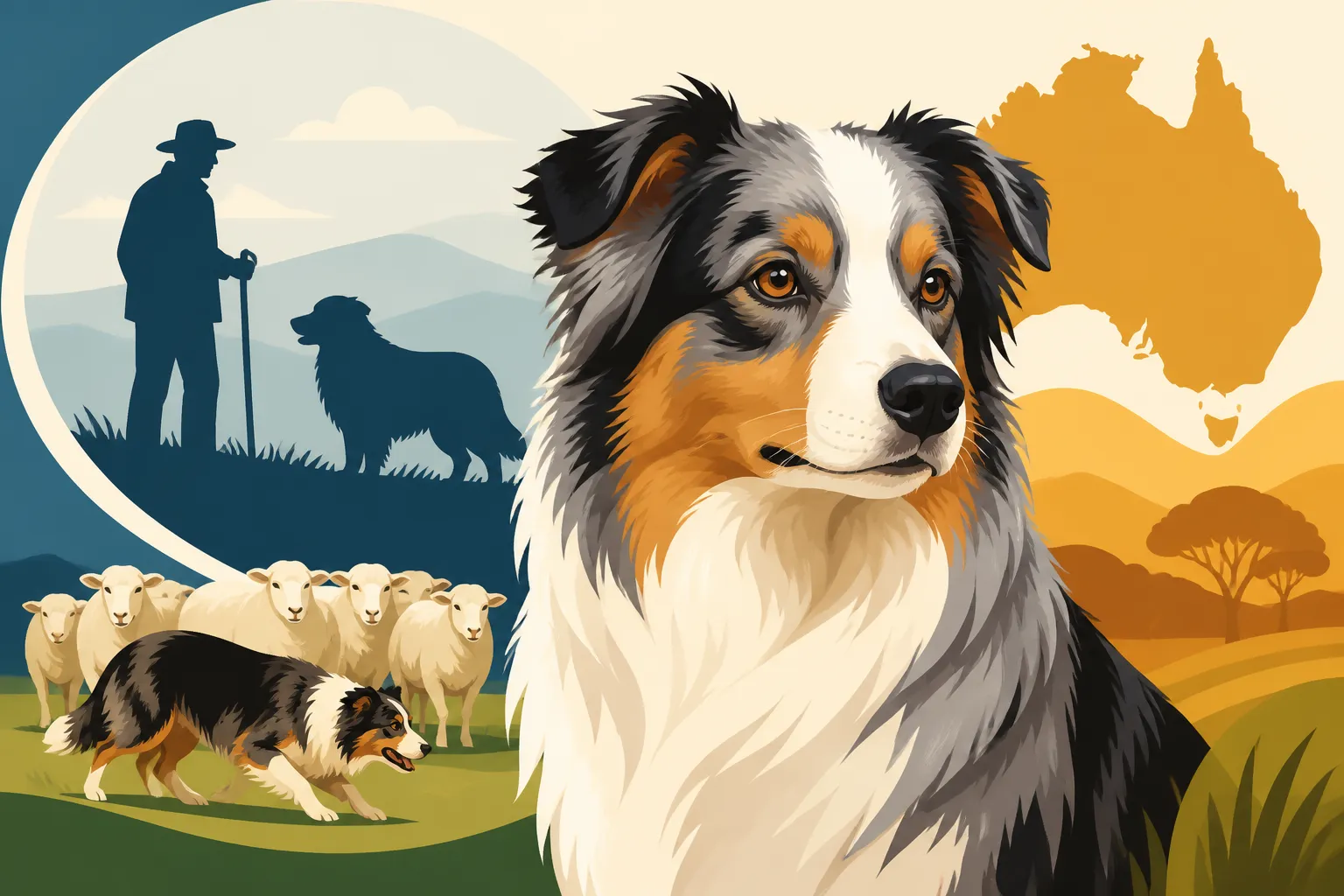
Before we can truly appreciate the British input, we have to understand the journey. The Australian Shepherd's name is probably the biggest red herring in the canine world. These dogs were developed right here in the western United States, primarily in California, during the 19th and early 20th centuries. So, where does Australia come in?
The most widely accepted theory points to Basque shepherds. These incredibly skilled herders, primarily from the Basque Country in the Pyrenees mountains between France and Spain, emigrated in waves, bringing their prized sheep and, crucially, their working dogs with them. Many of these Basque immigrants first went to Australia, lured by economic opportunities, before eventually making their way to America, often via Hawaii, bringing their livestock and dogs along. The American ranchers, seeing these effective working dogs arrive with "Australian" sheep, simply started calling the dogs "Australian Shepherds" to identify their perceived origin. It was less about where the dog breed originated and more about where the specific flocks and shepherds had last come from. You can dive deeper into The Basque Sheepherders Behind the Aussie to understand this journey.
These dogs arriving from "Australia" were not a single, purebred entity. They were a mixed bag of skilled working dogs, selected purely for their ability to manage sheep, cattle, and goats in rugged terrain. They were robust, intelligent, and tireless. This early mix included dogs that undoubtedly had some British sheepdog ancestry, as various types of herding dogs had been intermingling across Europe for centuries.
Unearthing the British Influence on Aussie Ancestry
When we talk about the British influence on the Australian Shepherd, we're not usually talking about a specific, formalized breed like a modern Border Collie or Shetland Sheepdog directly being imported and becoming an Aussie. Instead, it was more about the type of working dog that originated in the British Isles – the "collie type" – and how those characteristics found their way into the gene pool that eventually coalesced into the Australian Shepherd.
The Enduring Legacy of Collie Blood
The term "collie" in its historical context wasn't always a specific breed name. It referred to a diverse group of pastoral dogs primarily from Scotland and Northern England, known for their exceptional herding abilities, intelligence, and distinctive appearance. These dogs were often rugged, medium-sized, and possessed an intense stare or "eye" that helped them control livestock. It's almost certain that dogs of this general "collie type" made their way to America, both directly from Britain and indirectly through various European migrations, including with those Basque shepherds.
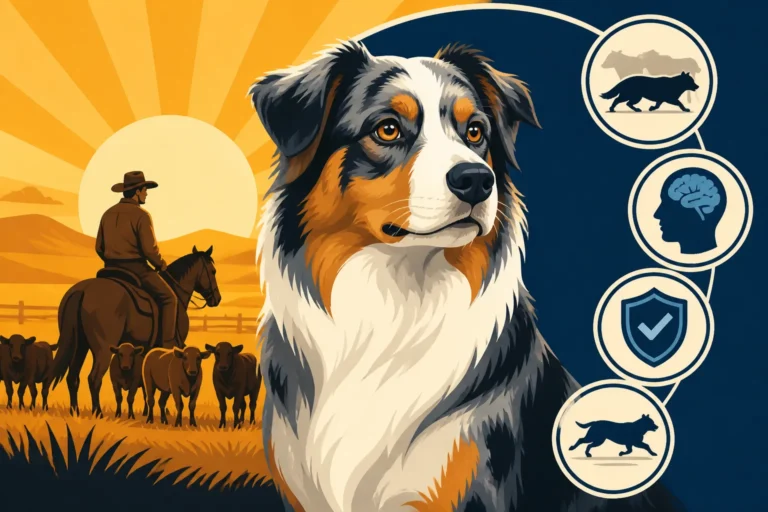
- Herding Instinct and "The Eye": One of the most defining characteristics of the Australian Shepherd is its innate, powerful herding drive, often accompanied by "the eye" – that intense gaze used to control and move livestock. This trait is a hallmark of many British collie lines, particularly the ancestors of today's Border Collies. Ranchers absolutely prized this ability. An Aussie with a strong herding instinct isn't just a pet; it's a descendant of generations bred for this very purpose. For more on this, check out Collie Blood in the Australian Shepherd. This instinct is so ingrained that owners often find their Aussies trying to herd everything from children to vacuum cleaners!
- Intelligence and Biddability: British sheepdogs were renowned for their sharp minds and eagerness to please, making them highly trainable. These traits are undeniably present in the Australian Shepherd. Aussies are incredibly intelligent, quick learners, and thrive on having a "job" to do, whether it's herding, agility, or complex trick training. This mental prowess, often seen in their ability to anticipate a handler's wishes, is a direct echo of their British forebears who had to work independently yet remain responsive to nuanced commands in challenging environments.
- Physical Prowess and Endurance: The demanding landscapes of the British Isles and later the American West required dogs with stamina, agility, and resilience. The collie types were built for long days of work, traversing hills and valleys, often in inclement weather. Australian Shepherds inherited this strong, athletic build, capable of covering vast distances. Their medium build, balanced proportions, and efficient gait are perfect for sustained activity.
Beyond the Collie: Other Contributing British Stock
While "collie" is the most prominent British term associated with Aussie ancestry, it's worth remembering that many regional variations of sheepdogs existed. These weren't always formally recognized breeds but were specific lines developed for local conditions and types of livestock. Some historians suggest that other generalized British working dogs, perhaps with heavier coats or different builds, might have also contributed to the diverse genetic pool.
- The Versatile Double Coat: Many British sheepdogs, living in damp, cold, and often windy conditions, developed thick, weather-resistant double coats. The Australian Shepherd's magnificent double coat, with its dense undercoat and coarser outer guard hairs, is perfectly suited for protection against the elements, a clear nod to its northern European heritage. This coat requires regular care, and many owners find great grooming tools and shampoos at online retailers like Chewy to keep it in top condition.
- Adaptability and Sound Temperament: Working dogs from the British Isles were selected for a stable, courageous, and loyal temperament. They needed to be brave enough to face challenging livestock, yet biddable enough to take direction. The Australian Shepherd, while reserved with strangers, is fiercely loyal to its family and possesses a well-balanced temperament that allows it to switch between intense work and calm companionship, a trait honed over centuries in working lines. Australian Shepherd Temperament and Working Character explores this in detail.
The American Melting Pot: Blending British and European Lines
The truly unique aspect of the Australian Shepherd's development is how these various European dog lines – including those with significant British heritage, alongside Basque dogs, and perhaps others – converged and intermingled on American ranches. This wasn't a deliberate breeding program in the modern sense; it was pure, unadulterated functional selection.
Imagine a rancher in California in the late 1800s. They weren't looking for a dog with a specific pedigree or conformation for a show ring. They needed a dog that could get the job done, day in and day out, whether that meant moving stubborn cattle, rounding up a scattered flock of sheep, or guarding the homestead. If a dog had "the eye," the stamina, the intelligence, and the biddability, it was bred, regardless of where its ancestors came from. This practical approach meant that traits from different working dog populations, including those British collie types, blended to create a supremely adaptable and efficient herding dog.
The Australian Shepherd became a synthesis of the best working traits available. They were dogs of the American West, shaped by the needs of an expanding livestock industry. The genetic contributions from British sheepdogs provided a strong foundation of herding instinct, intelligence, and a robust physical structure that allowed the Aussie to excel in this new, demanding environment. This makes the Aussie a truly "all-American" breed, even with its global genetic roots. To further appreciate this, consider reading Ranch Bred Against Ring Bred Australian Shepherds to see how these working lines compare to today's show dogs.
Here's a simplified look at how some key traits found their way into the Australian Shepherd:
| Trait | Primary Ancestral Source (Generalized) | Contribution to Australian Shepherd |
|---|---|---|
| Intense Herding "Eye" | British Collie types | Pinpoint control over livestock |
| High Intelligence / Biddability | British & Basque Herding dogs | Trainability, problem-solving |
| Double, Weather-Resistant Coat | British & Pyrenean Sheepdogs | Protection from elements |
| Athleticism / Endurance | All Working Herding Dogs | Stamina for long working days |
| Reserved with Strangers | Guardian & Herding Instincts | Loyalty, protective nature |
| Versatile Livestock Handling | American Ranch Needs | Adaptability to various animals |
This heritage means that owning an Australian Shepherd isn't just about having a pretty dog; it's about connecting with centuries of working dog history. They need active engagement – not just physical exercise, though that's vital (think Australian Shepherd Exercise at One to Two Hours a Day), but also mental stimulation that taps into their profound intelligence and herding drive. Many owners turn to companies like Chewy for a consistent supply of puzzle toys and mentally engaging treats to keep their bright Aussies happy and out of trouble. This is a breed that truly flourishes when its innate abilities are acknowledged and channeled.
How British Ancestry Manifests in the Modern Aussie
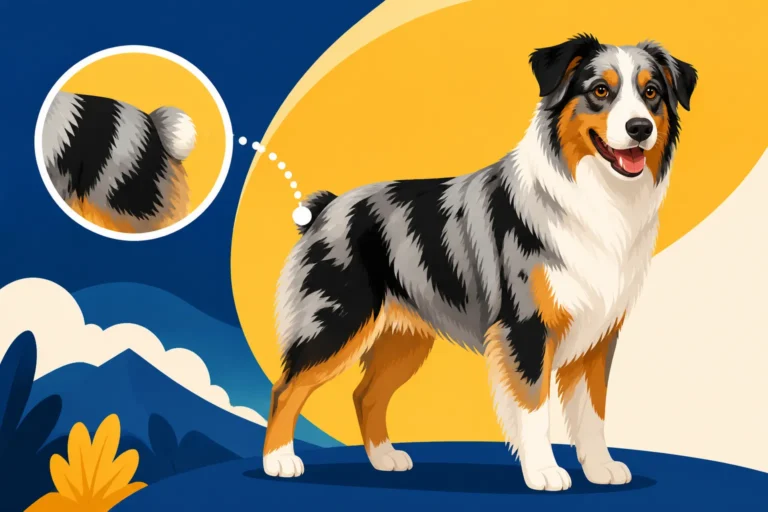
Even though the Australian Shepherd evolved distinctly in America, the echoes of its British ancestry are undeniable in every wagging bobtail and intense stare.
- The Herding Urge: That relentless desire to gather and control is a direct lineage from those British sheepdogs. Whether it's nipping at the heels of children or circling family members, the "herding brain" is always on. Understanding The Australian Shepherd Herding Drive You Cannot Train Out is crucial for any owner.
- The Coat: While variable, the characteristic double coat, especially in regions with harsher climates, provided essential insulation. It’s a testament to ancestors who faced the elements head-on. Proper care of this coat, including regular brushing, often involves specialized tools readily found at pet supply stores like Chewy.
- Work Ethic: Aussies thrive when they have a job. This isn't just about physical activity but purpose. They are happiest when their keen minds and bodies are put to use, a direct reflection of their heritage.
- Loyalty and Protectiveness: Many British herding dogs were fiercely loyal to their shepherds and protective of their flocks. This trait manifests in the Aussie as a deep bond with their family, often combined with a natural wariness towards strangers.
So, the next time you look at an Australian Shepherd, remember the long and winding road its ancestors traveled. From the rolling hills of the British Isles, across oceans, and into the vast American West, these dogs carried a genetic legacy of intelligence, drive, and resilience that ultimately forged one of the most beloved and capable herding breeds in the world. They may be called "Australian," but their spirit and many of their foundational traits owe a significant debt to those hardy British sheepdogs.
Disclaimer
This article is for general informational purposes only and does not constitute professional advice. Laws, prices and regulations vary by location and change over time. Consult a qualified professional for guidance on your specific situation.