The Aussie Litter Size to Expect
One of the most exciting, yet nerve-wracking, aspects of considering an Australian Shepherd litter – whether you're a seasoned breeder or an aspiring one – is the great unknown of how many tiny paws will eventually greet the world. It’s natural to wonder, to plan, and to even stress a little about the logistics involved in welcoming new puppies. This guide will walk you through the typical expectations for Australian Shepherd litter sizes, delving into the many factors that influence them, and help you prepare for whatever nature brings.
Understanding the Average Australian Shepherd Litter Size
When you imagine a litter of Australian Shepherd puppies, you probably picture a bustling box of fluff and wriggles. While there’s certainly a typical range, it’s not as simple as a single number. Australian Shepherds are generally considered a medium-to-large breed, and their litter sizes reflect that, usually falling somewhere in the middle compared to giant breeds or toy breeds.
What the Numbers Typically Tell Us
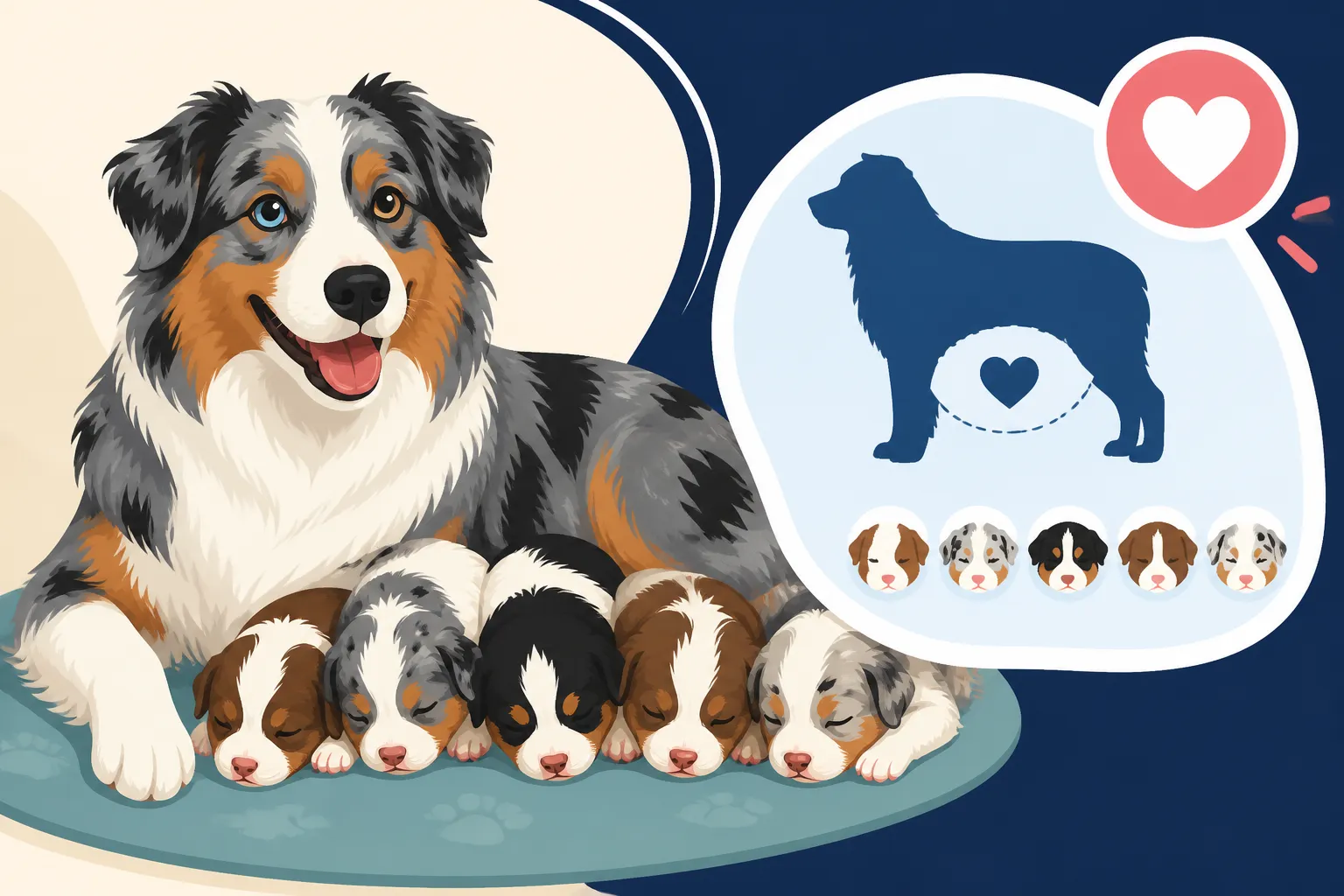
For an Australian Shepherd, the average litter size usually hovers around 5 to 8 puppies. This isn't a hard and fast rule, of course. You might hear of an exceptionally small litter of just one or two, or a surprisingly large one with double-digit numbers. These are the exceptions rather than the rule, but they do happen! Think of that 5-8 range as your baseline expectation. It's enough puppies to be a handful for any new mom (canine or human!), requiring ample space, food, and endless attention. Planning for this average helps you gauge everything from the whelping box size to the amount of food you'll need, which you can easily find on sites like Chewy.
Factors Influencing Litter Size in General
So, what makes one Aussie mom pop out five puppies and another deliver eight? It's a complex interplay of several factors, some within human control and others purely biological. The age of the mother, her overall health and nutritional status, the genetics of both parents, and even the timing and success of the breeding itself all play a significant role. For instance, a first-time mother might have a slightly smaller litter simply because her body is still figuring things out. Similarly, an older female might also see a decline in litter size. It's a bit like a biological lottery, but with many more variables than just luck.
Here’s a quick overview of common influences:
| Factor | Influence on Litter Size |
|---|---|
| Mother's Age | Prime breeding age often yields larger litters; first-timers and older dams may have fewer. |
| Mother's Health | Optimal health, nutrition, and fitness support larger, healthier litters. |
| Genetics | Certain lines may inherently produce larger or smaller litters; genetic health is key. |
| Stud Dog Fertility | A highly fertile male increases the chances of a larger litter. |
| Timing of Breeding | Breeding at the optimal time in the heat cycle maximizes conception success. |
| Previous Litters | Dams with a history of large litters tend to repeat the pattern. |
Maternal Health and Age: Key Drivers of Litter Size
The health and age of the mother Australian Shepherd are arguably the most critical factors influencing not just the number of puppies, but also their overall health and viability. A healthy mom equals healthy puppies, and a suitable age ensures her body is ready for the immense demands of pregnancy and whelping.
The Ideal Age for an Australian Shepherd Mother
Responsible breeders often wait until an Australian Shepherd female is at least two years old before her first litter. This isn't an arbitrary number; by two years, a female Aussie has typically reached full physical and mental maturity. Her skeletal system is fully developed, and she has matured beyond her "teenage" phase, making her better equipped to handle the stresses of pregnancy, birth, and raising a demanding litter of puppies. Breeding too young can put undue strain on her body, potentially leading to complications and smaller, less vigorous litters. Conversely, breeding an older female, especially past six or seven years of age, can also lead to smaller litters and increased risks for both mom and puppies. There’s definitely a sweet spot where her body is at its peak for reproduction.
How Nutrition and Conditioning Impact Conception and Litter Size
Imagine trying to run a marathon on a diet of potato chips – it wouldn't go well! Similarly, a pregnant Australian Shepherd needs top-notch nutrition and conditioning to support a successful pregnancy and a good litter size. A female Aussie entering a breeding cycle should be in excellent physical condition, not overweight or underweight. Her diet needs to be high-quality, balanced, and sometimes supplemented specifically for breeding. During pregnancy, her caloric and nutrient needs will skyrocket, especially in the last trimester as the puppies grow rapidly. A well-nourished dam has the reserves to carry a healthy litter to term, produce ample milk, and recover quickly. Any deficiencies can impact ovulation, embryo implantation, and fetal development, potentially leading to smaller litters or even reabsorption of fetuses. Products like specialized prenatal dog food and supplements are readily available at pet supply stores, including Chewy.
Health Screenings and Their Role in Successful Breeding
Beyond diet and age, a mother Aussie’s underlying health status is paramount. Reputable breeders conduct extensive health screenings on their breeding dogs to rule out genetic conditions that could be passed on to puppies, or impact the mother's ability to carry a litter. This includes tests for common Australian Shepherd ailments like hip and elbow dysplasia, eye conditions such as Collie Eye Anomaly in an Australian Shepherd or Hereditary Cataracts Clouding an Aussie Eye, and genetic mutations like The MDR1 Mutation Half of Australian Shepherds Carry. A comprehensive The Genetic Panel Every Australian Shepherd Needs not only gives insight into the health of potential offspring but also ensures the dam herself is robust enough for breeding. Certain health issues, even if not immediately life-threatening, can compromise her ability to conceive or maintain a full-term pregnancy, directly influencing the eventual litter size. If she’s fighting an unseen battle, her body won’t prioritize a large, healthy litter.
The Genetics Behind Litter Size and Breeding Practices
While maternal health is crucial, the genetic lineage of both parents and the choices made by the breeder also cast a long shadow over the number of puppies in an Australian Shepherd litter. It’s a fascinating dance between nature and careful selection.
Line Breeding and Genetic Diversity
Some breeders might use line breeding strategies to reinforce desired traits within a specific lineage. While this can be beneficial for type and temperament, extreme line breeding or inbreeding can sometimes lead to a reduction in genetic diversity. Reduced genetic diversity has, in some studies, been linked to smaller litter sizes and overall reduced fertility in a breed. The goal is always to find a balance – maintaining the wonderful qualities of the Australian Shepherd while ensuring a robust and healthy gene pool. A diverse genetic background generally contributes to stronger reproductive health and potentially more sizable litters, though it's certainly not the only factor. For those deeply interested in understanding their dog's genetic makeup, getting a Reading an Australian Shepherd DNA Panel done can provide valuable insights.
The Impact of Stud Dog Factors
It’s not just the girls who influence litter size! The stud dog plays an equally vital role. His age, fertility, and overall health are major contributors to conception rates and the ultimate number of puppies. A young, virile stud in his prime will generally have higher quality and quantity of sperm, increasing the chances of fertilizing more eggs. As stud dogs age, their fertility can decline, potentially leading to smaller litters or even failed breedings. Health issues in the male, even subtle ones, can also affect sperm quality. Therefore, a responsible breeder will ensure their stud dog is also subjected to rigorous health checks and is proven to be fertile. Sometimes, if a litter is consistently smaller than expected, the stud's contribution might be one of the first things a breeder evaluates. The number of active, viable sperm at the time of breeding directly correlates with how many eggs can be fertilized.
Responsible Breeding: Avoiding Overbreeding and Ensuring Dam Health
Responsible breeding practices are paramount. This means not overbreeding a female Australian Shepherd, allowing her ample time to recover between litters. Breeding her too frequently, or having too many litters over her lifetime, can deplete her body's resources, impact her long-term health, and lead to progressively smaller and less healthy litters. A good breeder prioritizes the health and well-being of their dams above all else. This might mean skipping a heat cycle, or retiring a female from breeding after a certain number of litters or age, typically around five or six years, to ensure she enjoys a long and healthy Australian Shepherd Lifespan Across Twelve to Fifteen Years as a cherished family member. This commitment to the dam’s health indirectly influences future litter sizes across their program, by maintaining a strong, healthy breeding population. Choosing an ethical Choosing an Australian Shepherd Breeder who follows these guidelines is critical for the welfare of the breed.
Managing Expectations and Preparing for an Australian Shepherd Litter
Even with all the knowledge in the world, nature always has a few surprises up its sleeve. The best approach is to be prepared for the average, understand the possibilities, and adapt as needed.
Signs of Pregnancy and Estimating Puppy Count
The early signs of Australian Shepherd pregnancy can be subtle, from a slight increase in appetite or a change in nipple size, to a more reserved demeanor. Around three to four weeks post-breeding, a vet can often perform an ultrasound to confirm pregnancy and even give an early, rough estimate of litter size. This is a thrilling moment, seeing those little heartbeats! However, ultrasound isn't always accurate for counting, as puppies can hide behind each other.
For a more accurate count, an X-ray performed in the last week or two of pregnancy (around day 55-60) is the gold standard. At this stage, the puppies' skeletons are calcified enough to be visible, allowing the vet to count heads and spines. This provides the most reliable estimate of how many puppies to expect, allowing you to finalize your whelping supplies – ensuring you have enough puppy pads, milk replacer (just in case), and a cozy bed for mom and her new family from retailers like Chewy. Having a clear number helps alleviate some of the stress of waiting.
Preparing for Whelping Day, Regardless of Size
Regardless of whether you're expecting five puppies or ten, preparation for whelping day needs to be comprehensive. A dedicated, quiet whelping area, complete with a clean, comfortable whelping box, is essential. You’ll need plenty of clean towels, antiseptic wipes, a scale for weighing puppies, and emergency contact information for your vet. Having a "whelping kit" fully stocked long before the due date is critical. Even if you've done all your research on Australian Shepherd Puppy Health Checks at Eight Weeks and Australian Shepherd Vaccination and MDR1 Concerns, the actual birth process can be unpredictable. You need to be ready to assist the mother, ensure puppies are breathing and nursing, and keep the environment warm and sanitary. Every puppy, whether it's one of a small litter or a large one, deserves the same careful attention from the moment it arrives.
The Unexpected: When Litter Size Deviates from the Norm
Sometimes, despite all the planning and ideal conditions, an Australian Shepherd litter might be smaller or larger than the average. A very small litter (one or two puppies, often called a "singleton" or "doubleton") can present its own challenges. These puppies can sometimes be larger than average, leading to difficult births, and the mother might not experience strong enough contractions with only one or two in the uterus. Conversely, a very large litter can be incredibly demanding on the mother, both during gestation and after birth, as she attempts to feed and care for many hungry mouths.
It's important to discuss any significant deviations with your veterinarian. They can offer guidance and support for both the mother and the puppies, whether it's advising on feeding strategies for a large litter or monitoring a singleton birth more closely. This is where truly responsible breeding comes into play – adapting to what nature provides and ensuring the best possible outcome for every Australian Shepherd puppy and its mother. Always be ready to consult your vet, especially if you get An Aussie Listing With No MDR1 Result and are unsure about the dam's background.
Disclaimer
This article is for general informational purposes only and does not constitute professional advice. Laws, prices and regulations vary by location and change over time. Consult a qualified professional for guidance on your specific situation.