Australian Shepherd Blue Eyes and Marbling
Oh, those Australian Shepherd eyes! It's one of the first things that draws people in, isn't it? Whether it's those piercing blue irises or the incredible marbling that looks like a painter's masterpiece, Aussies have some of the most captivating eyes and coats in the dog world. But sometimes, people hear whispers about blue eyes meaning vision problems or certain coat patterns being unhealthy, and it can be a real worry. This guide is here to unravel the truth about Australian Shepherd blue eyes and merle marbling, explaining the beautiful genetics behind them and addressing any health concerns so you can appreciate these stunning traits without unnecessary anxiety.
The Genetics Behind Australian Shepherd Eye Color
When you gaze into an Australian Shepherd's eyes, you might see a spectrum of colors: rich brown, warm amber, vibrant green, or that striking, clear blue. These colors, especially the blues, often spark curiosity and sometimes, a little concern. It's truly fascinating how a dog's genetic makeup dictates such unique and beautiful features.
Why Blue Eyes Appear in Aussies
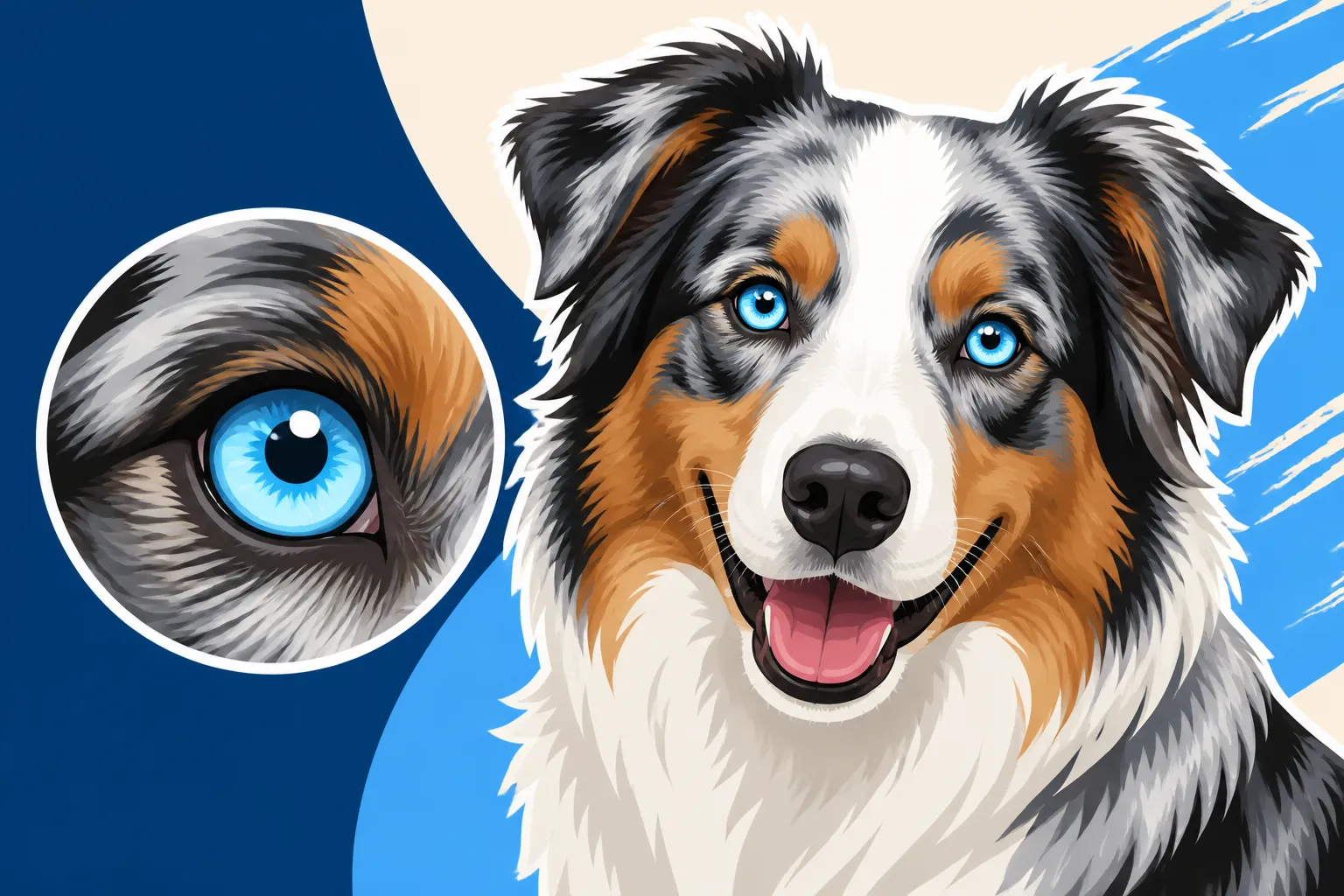
Unlike humans where blue eyes are primarily a result of a lack of melanin in the iris stroma, in Australian Shepherds, blue eyes are often, though not exclusively, linked to the merle gene. The merle gene works by diluting random patches of eumelanin (black/brown pigment) in the coat and can also affect eye pigment. When the merle gene's dilution effect extends to the iris, it prevents the full development of pigment, resulting in those stunning blue eyes. It's not about having blue pigment; it's about the absence of other pigments. This phenomenon is distinct from albinism, which is a complete lack of pigment throughout the body, skin, and eyes.
You might be surprised to learn that a blue-eyed Aussie is, in almost all cases, just as healthy as their brown-eyed siblings. The blue itself isn't a defect or a sign of weakness. It's simply a genetic expression. It's a natural variation, and many working Aussies with brilliant blue eyes have incredible vision and live long, active lives, whether they're on the farm or in agility rings. The beauty of these eyes is truly something to behold, and it's a testament to the diverse genetic tapestry of the breed.
Heterochromia and Split Eyes
One of the most visually captivating traits in Australian Shepherds is heterochromia, which simply means having two different colored eyes. Imagine one eye a deep chocolate brown and the other a sparkling ice blue – it's truly breathtaking! This occurs when the merle gene, or sometimes other unrelated genes, affects the pigment distribution in each eye differently. It's like a genetic lottery, creating a truly unique look for each dog. Just like with two blue eyes, heterochromia itself is not a health concern. It's purely an aesthetic variation.
Then there are "split eyes," or sectoral heterochromia, where one single iris contains two different colors, often blue marbled with brown or amber. You might see a splash of blue cutting through a brown eye, or a brown segment within a blue iris. This is another fascinating manifestation of the same genetic processes influencing pigment. Again, this particular trait doesn't impact vision quality or ocular health. It’s simply another example of the incredible genetic diversity that makes each Australian Shepherd so individual. Breeders and owners often find these unique eye patterns highly desirable, adding to the charm and mystique of the breed. It’s important to remember that these striking eye colors are part of the breed's standard and are celebrated for their uniqueness rather than being seen as flaws.
Understanding Merle Marbling and Its Visual Impact
The merle coat pattern is arguably the most iconic and recognizable feature of the Australian Shepherd. It's what often first catches the eye and makes people stop to admire these dogs. It's a complex and beautiful genetic trait that gives each merle Aussie a completely unique appearance.
How the Merle Gene Creates Marbling
The merle gene is a dilution gene, and it works in a really interesting way. Instead of diluting the entire coat color evenly, it randomly dilutes patches of the base coat color, leaving other patches undiluted. Think of it like a stencil effect. For a "blue merle" Aussie, the base color is black. The merle gene dilutes random sections of that black to a lighter grey or silver, creating patches of black and grey against each other. For a "red merle" Aussie, the base color is liver or red, and the gene dilutes patches of that red to a lighter, paler red or cream.
This random dilution is what creates that stunning, mottled, or "marbled" appearance that gives the merle pattern its name. You’ll see variations in shading and intensity, making no two merle patterns exactly alike. The merle gene also influences the potential for blue eyes and can create pink pigmentation on the nose and paw pads in some areas. It's a powerful gene that truly transforms a dog's look, making them exceptionally striking. Understanding The Merle Gene and How It Dilutes Aussie Coat can further illuminate how this intricate process unfolds.
The Spectrum of Merle Appearance
The merle pattern isn't a one-size-fits-all look; it comes in a wide spectrum, from the dramatic and obvious to the incredibly subtle. Some Australian Shepherds have very distinct, large patches of diluted and undiluted color, creating a bold, high-contrast marbled effect that is immediately recognizable. Others might have very fine, small flecks of merle, or a pattern that is much more blended, giving a softer, almost watercolor-like appearance.
Then there's the fascinating concept of "cryptic merle." This occurs when an Australian Shepherd carries the merle gene, but its effect is so minimal or hidden that the dog appears to be a solid color, like a black tri or red tri. A cryptic merle might only have a few tiny, almost invisible merle patches, or the dilution might be masked by heavy white markings or other genetic factors. This is why DNA Testing for the Merle Allele in an Aussie is so crucial for responsible breeders. Without genetic testing, a breeder might unknowingly breed a cryptic merle to another merle, leading to the devastating health problems associated with double merle offspring. Other genes, such as those responsible for coat length or intensity modifiers, can also subtly alter how the merle pattern expresses itself, leading to even more variation in appearance.
Blue Eyes, Marbling, and Health Concerns (Dispelling Myths)
It's natural to wonder if such striking features like bright blue eyes and unique coat patterns could come with health trade-offs. While the vast majority of Australian Shepherds with blue eyes and merle coats are perfectly healthy, there's a very important distinction to be made about a specific genetic combination that does lead to serious health issues.
Blue Eyes and Vision Problems: Fact vs. Fiction
Let's cut right to the chase: simply having blue eyes in an Australian Shepherd does not mean your dog has or will develop vision problems. This is a common myth that unfortunately causes undue worry for many owners and prospective owners. A blue-eyed Australian Shepherd with a single merle gene or no merle gene at all is typically just as likely to have excellent vision as a brown-eyed Aussie. The color of the iris itself does not dictate ocular health.
The confusion often arises because true vision problems are associated with a particular genetic scenario, which we'll discuss next, and blue eyes can be a symptom of that genetic issue, not the cause. It's like saying a cough causes pneumonia; rather, a cough is a symptom of pneumonia. For a regular blue-eyed Aussie, their vision is generally normal. Some anecdotal claims suggest blue-eyed dogs might be more sensitive to bright sunlight, similar to how fair-skinned people might be, but this is rarely a significant issue that impairs their daily life or requires special intervention. Regardless of eye color, it's always wise to ensure your Aussie has regular veterinary check-ups, and an The Aussie Puppy Eye Check at Six Weeks with a veterinary ophthalmologist is a great step for any puppy owner.
The Dangers of Double Merle and Eye Defects
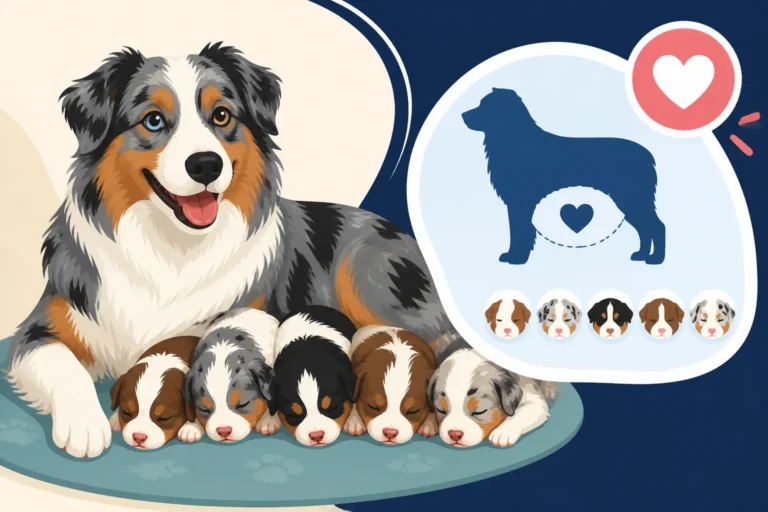
This is where the critical distinction lies. The severe eye defects and deafness associated with merle Australian Shepherds are not caused by having blue eyes or a merle coat in general. They are caused by inheriting two copies of the merle gene, a genetic condition known as "double merle" or "homozygous merle." When a dog inherits one merle gene (Mm) from one parent, it results in the beautiful, marbled coat and potentially blue eyes we adore. This is a single merle, and they are typically healthy.
However, when two merle dogs are bred together, there's a 25% chance in each litter that a puppy will inherit the merle gene from both parents (MM). This double dose of the merle gene causes an extreme dilution of pigment, not just in the coat, but often severely impacting the development of the eyes and ears. These puppies are frequently born with significant eye defects such as microphthalmia (abnormally small eyes), colobomas (missing tissue in the eye structures), or even complete blindness. They also have a very high risk of congenital deafness, sometimes in one ear, often in both. This is why Why Aussie Breeders Never Cross Merle to Merle is an absolute golden rule for ethical breeding. These puppies are often predominantly white, particularly on their head and ears, as the gene has massively diluted all color. While they can be wonderful, loving companions, living with a double merle requires significant dedication due to their special needs. You can learn more about specific conditions in Microphthalmia in a Double Merle Australian Shepherd and Eye Defects in a Double Merle Australian Shepherd.
Responsible Breeding and Eye/Coat Genetics
Understanding the genetics behind these stunning features isn't just for curious owners; it's absolutely vital for responsible breeding practices. The beauty of the Australian Shepherd should never come at the cost of its health, and ethical breeders are the first line of defense against preventable genetic conditions.
The Role of Genetic Testing for Breeders
For any responsible Australian Shepherd breeder, genetic testing is non-negotiable. It's the most powerful tool they have to ensure they are producing healthy puppies and making informed breeding decisions. Specifically for merle and eye color, breeders must test their dogs to determine if they carry the merle gene and, if so, whether they are a single merle (Mm) or, in rare cases, a cryptic merle. Cryptic merles are particularly dangerous because they look like non-merles but carry the merle gene and can produce double merle puppies if bred to another merle. A simple cheek swab DNA test can definitively identify a dog's merle status.
This testing goes beyond just preventing double merle. It helps breeders identify carriers of other genetic conditions common in the breed, such as The MDR1 Mutation Half of Australian Shepherds Carry or Collie Eye Anomaly in an Australian Shepherd. Knowing a dog's genetic makeup provides invaluable insight, allowing breeders to choose pairings that avoid combining two carriers of the same recessive disease, thus reducing the risk of affected puppies. Reputable breeders will be transparent with these results, often sharing them openly with prospective puppy buyers, demonstrating their commitment to the health of their lines. Services like Embark or Optimal Selection offer comprehensive The Genetic Panel Every Australian Shepherd Needs that include merle testing.
What Prospective Owners Should Look For
As a prospective Australian Shepherd owner, you have a crucial role to play in promoting responsible breeding practices. The most important thing you can do is to thoroughly vet any breeder you consider. Don't be swayed solely by a puppy's cute face or striking blue eyes. Prioritize health and ethical practices above all else. Always ask the breeder for the genetic testing results of both parents. A good breeder will have these readily available and will be happy to explain what they mean. They should be able to clearly articulate the merle status of both sire and dam and assure you that they never breed merle to merle.
Look for a breeder who emphasizes health, temperament, and functionality over just aesthetics. They should be transparent about any health issues in their lines, even if it's not directly related to merle. A breeder who cares will also want to know a lot about you to ensure their puppy is going to a suitable home. Avoid any breeder who offers puppies at suspiciously low prices, has multiple litters at once, or can't provide clear health clearances and genetic testing documentation. These can be red flags that they are not prioritizing the long-term health and well-being of their dogs. Choosing wisely helps ensure you bring home a happy, healthy companion who will thrive for years to come. Remember that a reputable breeder values the health and future of their dogs above all else, ensuring that the beautiful blue eyes and marbling are admired for their aesthetics rather than feared for their implications.
Understanding the Standard and Aesthetics
Beyond the health considerations, it's also worth appreciating how blue eyes and merle marbling fit into the overall picture of the Australian Shepherd breed standard. These traits are highly valued for their aesthetic appeal and contribute significantly to the breed's distinct look.
How Eye Color Fits the Breed Standard
The Australian Shepherd breed standard, as set by organizations like the American Kennel Club (AKC) and the Australian Shepherd Club of America (ASCA), is quite inclusive when it comes to eye color. It allows for a wide range, including brown, amber, blue, or any combination of these colors, including marbling or flecks. This means that a dog with two blue eyes, two brown eyes, one blue and one brown (heterochromia), or even a split eye with multiple colors in one iris, can all be considered perfectly acceptable and desirable within the breed.
The key is that the eyes should be healthy, clear, and intelligent in expression. The standard doesn't penalize a dog for having blue eyes; in fact, it celebrates the diversity. This broad acceptance is a nod to the breed's working heritage, where functionality and health were always paramount. A working dog needs good eyesight, regardless of color. So, if you're drawn to those striking blue eyes, rest assured that you're appreciating a trait that is fully embraced by the breed's official guidelines. It's truly one of the hallmark traits that make Aussies so captivating.
The Beauty of Merle Patterns in the Ring and Field
The merle pattern is a showstopper, whether in the show ring or out in the field. Its unique, marbled effect instantly sets an Australian Shepherd apart. In the show ring, judges appreciate a well-defined merle pattern that enhances the dog's overall conformation and presence. The blend of diluted and solid patches, combined with tan and white markings, creates a visually stunning dog. While the pattern itself is important, it's always considered as part of the whole dog – its structure, movement, and temperament remain crucial.
In the field, working Aussies with merle coats are equally admired. The pattern doesn't hinder their ability to herd or perform tasks; it's simply a beautiful bonus. Many handlers feel a strong connection to their merle partners, finding their unique patterns to be a reflection of their individual personalities. Whether it's a vibrant blue merle or a rich red merle, these dogs carry a legacy of beauty and functionality. Companies like Chewy understand this appreciation, often featuring stunning merle Aussies in their advertising, highlighting their athleticism and striking appearance. This further cements the merle pattern's status as a celebrated characteristic of the Australian Shepherd.
Beyond Appearance: The Essence of the Australian Shepherd
While the blue eyes and merle marbling are undoubtedly captivating, it's essential for any potential owner to remember that these are just external traits. The true essence of an Australian Shepherd lies much deeper, in their incredible temperament, intelligence, and working drive.
Prioritizing Temperament and Drive
When looking for an Australian Shepherd, or any dog for that matter, the dog's temperament should always be your top priority. Aussies are known for being intelligent, loyal, and energetic, with a strong desire to have a job. Their herding drive is a fundamental part of who they are; it's Why Herding Instinct Is the Aussie Operating System. This means they thrive on mental stimulation and physical activity. A dog with a sound temperament will be adaptable, trainable, and a joy to live with, regardless of its eye or coat color.
Conversely, a dog with a beautiful coat but a poor temperament can be a challenge to manage. Responsible breeders focus intensely on breeding for stable, confident, and biddable temperaments. They want to ensure their puppies grow into well-adjusted adults who can integrate seamlessly into various family dynamics, whether that's a bustling family with kids or an active individual seeking a canine adventure buddy. Don't let a flashy coat distract you from asking crucial questions about the parents' personalities, energy levels, and how the puppies are socialized from an early age.
The Responsibility of Ownership
Bringing an Australian Shepherd into your life is a significant commitment, typically lasting Australian Shepherd Lifespan Across Twelve to Fifteen Years. These dogs require much more than just food and shelter; they need consistent training, ample exercise (often Australian Shepherd Exercise at One to Two Hours a Day daily), and plenty of mental engagement to thrive. They are not content to be couch potatoes and can develop Australian Shepherd Behavior Problems From Under-Exercise if their needs aren't met. This is why Giving an Australian Shepherd a Job Instead of a Walk is so important – it taps into their natural instincts.
Your decision to choose an Australian Shepherd should be based on your ability to meet these substantial needs, rather than solely on their striking looks. While the blue eyes and merle marbling are gorgeous, they are simply the icing on the cake. The real reward of Australian Shepherd ownership comes from building a strong bond with an intelligent, loyal, and active companion who shares your adventures. Make sure you're prepared for the commitment and joy that comes with this amazing breed, and you'll find their beauty runs far deeper than just their captivating eyes and coat.
| Trait | Single Merle Australian Shepherd | Double Merle Australian Shepherd |
|---|---|---|
| Genetic Makeup | Inherits one merle gene (Mm) | Inherits two merle genes (MM) |
| Coat Pattern | Distinct marbling (blue or red merle), patches of dilute and solid color | Often predominantly white, with minimal merle patches; can appear "washed out" |
| Eye Color | Can have blue, brown, amber, or marbled eyes; typically healthy | High likelihood of blue eyes, often with severe defects like microphthalmia (small eyes) or colobomas |
| Vision | Generally normal vision, no inherent risk due to merle gene alone | High risk of partial or complete blindness |
| Hearing | Normal hearing, no inherent risk due to merle gene alone | High risk of partial or complete deafness |
| Overall Health | Typically healthy, with no unique health risks solely due to the merle gene | High risk of serious congenital health issues, requiring specialized care |
| Breeding Status | Can be safely bred with a non-merle (mm) dog | Should absolutely never be bred due to high risk of producing more affected puppies |
Disclaimer
This article is for general informational purposes only and does not constitute professional advice. Laws, prices and regulations vary by location and change over time. Consult a qualified professional for guidance on your specific situation.