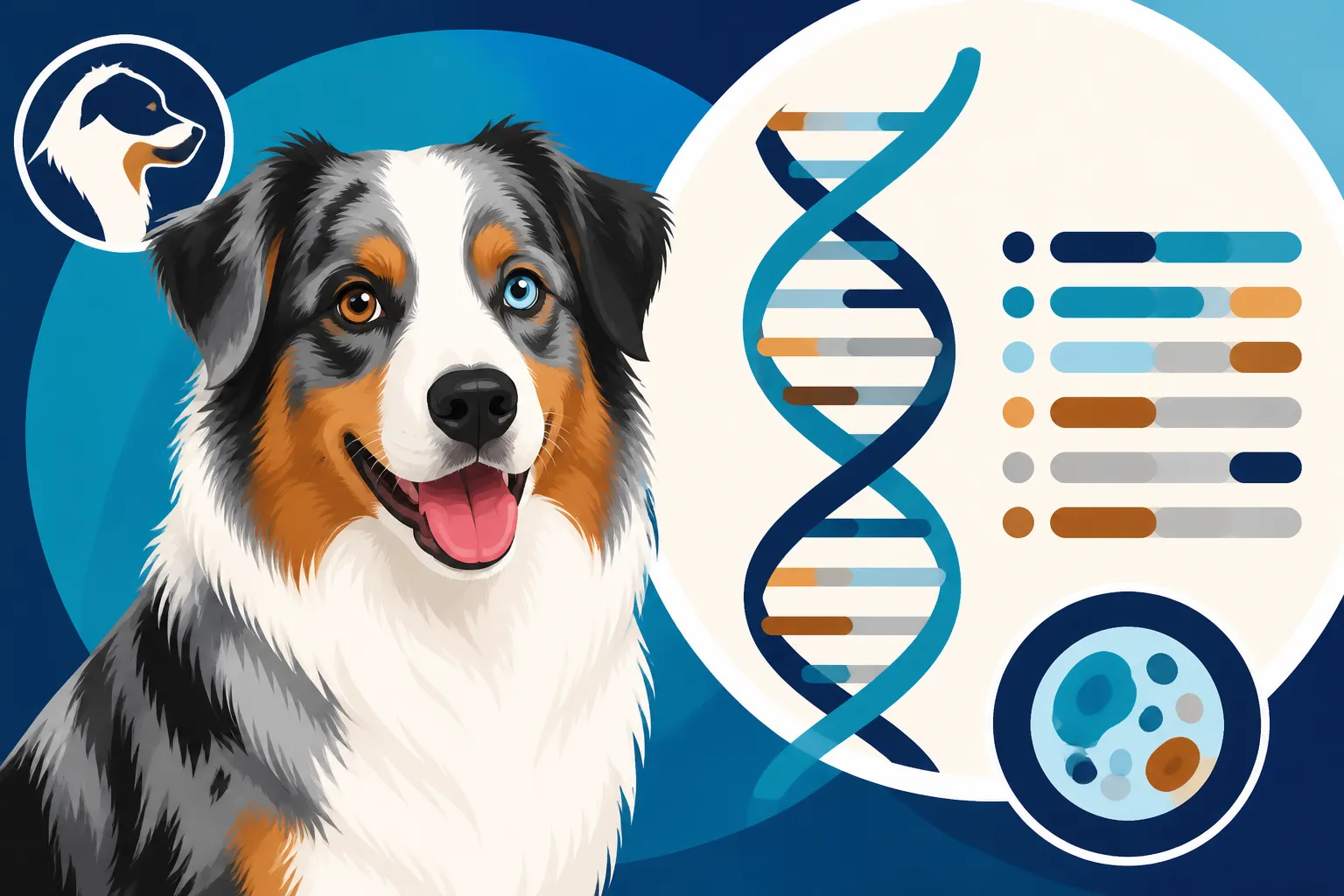
Reading an Australian Shepherd DNA Panel
Receiving your Australian Shepherd's DNA panel results can feel like staring at a complex code, filled with acronyms and terms that leave you scratching your head. It’s a mix of anticipation and anxiety, knowing these sheets hold critical insights into your furry friend's health, but deciphering them often feels like needing a degree in genetics. This guide is here to demystify those results, breaking down what each section means for your Aussie's well-being, breeding potential, and future care.
Why an Australian Shepherd DNA Panel is So Important
As Australian Shepherd parents, we want to give our dogs the best possible life, and that starts with understanding their unique genetic makeup. A comprehensive DNA panel isn't just a fancy report; it's a proactive tool that offers a roadmap for their health, diet, and even training. Without this information, you're essentially walking blind into potential health challenges that could have been mitigated or even prevented. Many new Aussie owners quickly learn that these dogs, while robust and intelligent, come with a predisposition to certain genetic conditions that are specific to the breed.
Understanding Predisposed Conditions in Australian Shepherds
Australian Shepherds, like many purebred dogs, have specific genetic predispositions that have been identified through years of research. These aren't just random ailments; they're conditions tied directly to their lineage and the selective breeding that shaped the breed. Knowing about these ahead of time can make a world of difference. For instance, some conditions might require early intervention or specialized care, allowing you to partner with your vet to create a tailored wellness plan. Imagine realizing your dog has a high risk for a certain joint issue only after symptoms appear – a DNA panel helps you prepare long before that.
One of the most talked-about genetic predispositions in Aussies is the MDR1 mutation. This particular gene affects how your dog processes certain medications, and a positive result means particular drugs could be toxic to them. This isn't just a minor detail; it's potentially life-saving information that every Australian Shepherd owner and their veterinarian needs to be aware of. You can dive deeper into What MDR1 Does Inside an Australian Shepherd Brain to understand the mechanics of this critical gene. Without a DNA panel, you might not know your dog carries this, putting them at risk every time they receive routine veterinary care or emergency treatment.
How DNA Results Guide Vet Care and Breeding Decisions
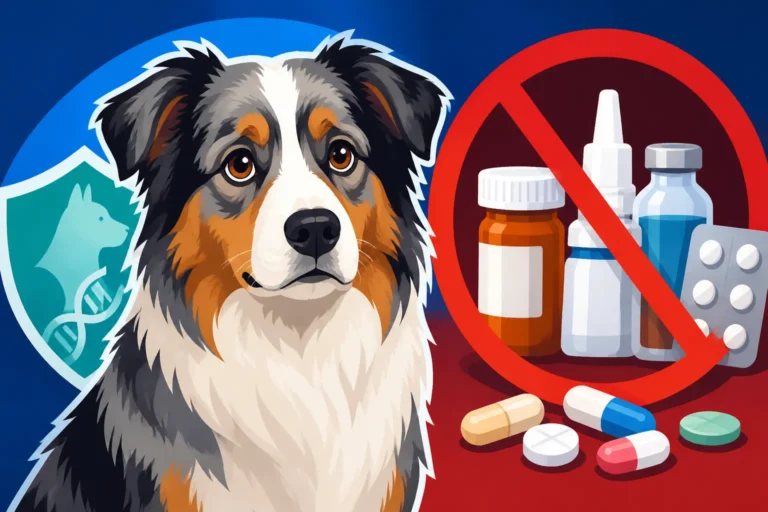
Your Australian Shepherd's DNA panel provides invaluable data that can profoundly influence veterinary decisions throughout their life. It allows your vet to make informed choices about everything from medication dosages to diagnostic testing. For example, if your Aussie tests positive for the MDR1 mutation, your vet will know to avoid certain common medications, like Ivermectin in higher doses, or to adjust dosages for others. This proactive approach ensures your dog's safety and prevents adverse drug reactions that could be severe or even fatal. It transforms reactive medicine into preventive care, which is always the ideal.
Beyond immediate health care, if you're considering breeding your Australian Shepherd, DNA results are absolutely non-negotiable. Ethical breeders use these panels to ensure they are not passing on devastating genetic diseases to future generations. For instance, if a dog is a carrier for a recessive disease, breeding them with another carrier could result in affected puppies. A good breeder will meticulously review The Test Results an Aussie Breeder Must Produce before any breeding takes place. This responsible approach helps to reduce the incidence of painful, costly conditions like hip dysplasia or hereditary cataracts within the breed, contributing to the overall health and longevity of Australian Shepherds.
Decoding the Genetic Diseases Your Aussie Might Carry
When you get your Australian Shepherd's DNA panel back, you'll see a list of genetic conditions, each with a result: Clear, Carrier, or Affected. It's crucial not to panic if you see anything other than "Clear" right away. Each status has different implications, and understanding them is the key to responsible pet ownership. These reports are designed to give a comprehensive overview, often including conditions that might be more prevalent in other breeds but are still tested for completeness.
Understanding the Most Common Aussie Genetic Conditions
Let's break down some of the most common and significant genetic conditions found on an Australian Shepherd DNA panel:
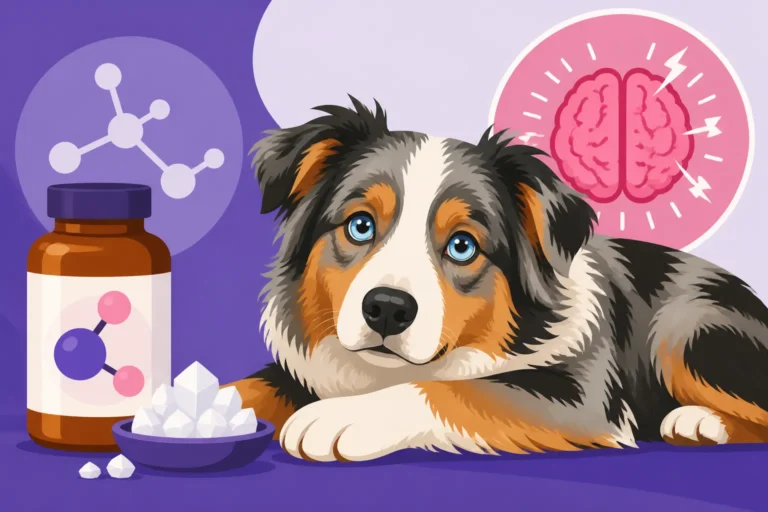
MDR1 (Multi-Drug Resistance 1 Gene Mutation): This is perhaps the most critical test for any Australian Shepherd. The MDR1 gene produces a protein called P-glycoprotein, which acts as a pump, moving certain drugs out of the brain. If your Aussie has a mutation in this gene, this pump doesn't work effectively, allowing drugs to accumulate in the brain at toxic levels. Drugs commonly affected include Ivermectin (used in some heartworm preventatives), Loperamide (Imodium), certain chemotherapy drugs, and some anesthetics. Knowing your dog's MDR1 status is paramount for their safety at the vet. You should always ensure your vet is aware if your dog is affected or a carrier of this mutation. For more in-depth information, consider reading The Drugs an MDR1 Australian Shepherd Cannot Take.
Hereditary Cataracts (HSF4): This condition affects the lens of the eye, causing it to become cloudy and leading to impaired vision or blindness. In Australian Shepherds, a specific mutation in the HSF4 gene is known to cause hereditary cataracts, which typically develop early in life, often between 1 and 7 years of age. A clear result means your dog is unlikely to develop this specific form of cataract, while an affected dog is highly likely to develop them. Carriers can pass the gene to their offspring. This is a painful and debilitating condition, making genetic testing for Hereditary Cataracts in an Australian Shepherd particularly important for breeders.
Collie Eye Anomaly (CEA): Despite the name, CEA is a concern for Australian Shepherds too. It's a developmental defect of the eye that can range from mild (small choroidal hypoplasia, which might not affect vision) to severe (colobomas, retinal detachment, or intraocular hemorrhage, leading to significant vision impairment or blindness). Most affected Aussies have milder forms, but severe cases are possible. The genetic test identifies the mutation responsible for this condition, helping breeders make informed choices to avoid producing severely affected puppies. For a closer look at what this condition entails, check out What Collie Eye Anomaly Does to an Aussie Eye.
Progressive Retinal Atrophy (PRA-PRCD): PRA is a group of degenerative eye diseases that affect the photoreceptor cells in the retina, leading to progressive vision loss and eventual blindness. The PRCD form of PRA is common in Aussies and typically causes night blindness first, progressing to complete blindness over several years. It's a recessive condition, meaning a dog must inherit two copies of the mutated gene (one from each parent) to be affected. Carriers have one copy and won't develop the disease but can pass it on. This test is crucial for long-term vision health planning.
Degenerative Myelopathy (DM): DM is a progressive neurological disease affecting the spinal cord, leading to weakness and incoordination in the hind limbs, eventually progressing to paralysis. It is typically seen in older dogs, often starting around 8 years of age. While not as common in Aussies as in some other breeds like German Shepherds, it's still a condition tested for on comprehensive panels. It's also a recessive condition, meaning carriers do not show symptoms but can pass the gene on.
Interpreting Clear, Carrier, and Affected Results
The three main results you'll see on your panel are "Clear," "Carrier," and "Affected." Each one has distinct implications for your dog's health and potential role in breeding.
-
Clear (or Normal): This is generally the best outcome. It means your Australian Shepherd does not have the specific genetic mutation for that disease and cannot pass it on to offspring. If both parents are clear for a recessive disease, all their puppies will also be clear.
-
Carrier (or Heterozygous): This means your Aussie has one copy of the mutated gene but usually does not exhibit symptoms of the disease itself. For most recessive genetic diseases, carriers are healthy. However, they can pass the mutated gene on to approximately 50% of their offspring. This is crucial for breeding; a carrier should only be bred with a clear mate to ensure no affected puppies are produced. Ignoring this can lead to heartache and significant vet bills.
-
Affected (or Homozygous Affected): This means your Australian Shepherd has two copies of the mutated gene (one from each parent) and is at high risk of developing the disease or already exhibits symptoms. For dominant conditions, even one copy can mean they are affected. An affected dog will pass on a copy of the mutated gene to all of its offspring. If your dog is affected, your vet will guide you on managing or treating the condition. It's important to remember that being "affected" doesn't always mean immediate severe symptoms; for some conditions, symptoms develop later in life.
This table provides a quick overview of what each genetic status means:
| Genetic Status | Meaning for Your Aussie's Health | Meaning for Breeding (General Recessive Disease) |
|---|---|---|
| Clear | Unlikely to develop the disease (for this gene) | Will not pass on the mutated gene; can be bred to any dog |
| Carrier | Generally healthy, no symptoms (for recessive) | May pass on the mutated gene; breed only with Clear mates |
| Affected | Likely to develop or already has the disease | Will pass on the mutated gene to all offspring; breeding not recommended |
Understanding Carrier Status and What to Do Next
Seeing "Carrier" on your Australian Shepherd's DNA panel might initially feel alarming, especially if you're a first-time owner navigating complex medical terminology. However, it's vital to understand that a "Carrier" status for many genetic conditions, particularly recessive ones, doesn't mean your dog is sick or will ever show symptoms. It simply means they carry one copy of the gene mutation and could pass it to their puppies if bred with another carrier. This distinction is incredibly important for both your peace of mind and for making informed decisions about your dog's future. For many Aussies, being a carrier is a common finding and doesn't impact their daily life one bit. You can learn more about What a Carrier MDR1 Result Means for an Aussie to understand specifics for that critical gene.
Managing a Carrier Australian Shepherd's Health
For the vast majority of recessive genetic conditions, if your Australian Shepherd is a carrier, there's typically no special health management required for their well-being. They will likely live a full, healthy life without ever showing signs of the disease. The primary implication of a carrier status is if you intend to breed your dog. However, there are exceptions. The MDR1 mutation is a key example where carrier status can be relevant for health management. Even if your Aussie is a carrier for MDR1, some vets might recommend caution with certain drugs, or at the very least, you should absolutely make sure your vet knows their status. It's always best practice to share your dog's full DNA panel results with your veterinarian during regular check-ups, even if the results seem benign to you. This ensures they have all the information necessary for comprehensive care.
If your Aussie is a carrier for a condition, it's good to keep those results readily accessible. Perhaps you keep a copy in your vet records, or even note it on your dog's collar tag or pet insurance profile. Companies like Healthy Paws, for example, encourage policyholders to keep thorough medical records, including genetic test results, as this can be valuable context for future claims or preventative care discussions. While a carrier status for most conditions might not affect your dog directly, being prepared for any scenario is always the best approach for a responsible pet owner.
Breeding Decisions with Carrier Status
This is where the "Carrier" status truly becomes a significant factor. If you own a carrier Australian Shepherd and are considering breeding them, responsible breeding practices dictate that you must carefully select a mate that is "Clear" for that specific genetic condition. When a carrier is bred to a clear dog, on average, 50% of the puppies will be clear and 50% will be carriers. Importantly, none of the puppies will be affected by the disease. This is how ethical breeders manage and reduce the prevalence of genetic diseases within a breed without necessarily removing valuable dogs from the gene pool.
Conversely, breeding a carrier to another carrier carries a significant risk: approximately 25% of the puppies will be clear, 50% will be carriers, and 25% will be affected by the disease. Breeding two carriers together for a recessive condition is generally considered irresponsible due to the high likelihood of producing affected puppies, who may suffer from debilitating health issues. This is why a comprehensive The Genetic Panel Every Australian Shepherd Needs is so important for any potential breeding dog. It allows breeders to make informed, ethical choices that safeguard the health of future generations, ensuring that puppy buyers receive healthy, well-screened Australian Shepherds.
Beyond Health: Other Insights from Your Aussie's DNA
While health screening is often the primary reason owners seek DNA panels, these comprehensive tests offer a wealth of other fascinating information about your Australian Shepherd. From identifying specific genetic markers related to their physical traits to understanding potential nuances in their behavior, a DNA panel can paint a more complete picture of your beloved companion. It’s like getting a secret decoder ring to some of the delightful mysteries that make your Aussie unique.
Exploring Coat Color and Physical Traits
Many DNA panels include genetic markers related to coat color and other physical characteristics. For Australian Shepherds, this can be particularly intriguing given their stunning array of colors and patterns. You might discover if your dog carries the dilute gene (d/d), which can lighten black coats to blue and red coats to lilac, even if they don't visibly express it themselves. Understanding these genetic color codes can be incredibly interesting for those who love the aesthetics of the breed.
Furthermore, these panels often confirm whether your Aussie carries the Merle gene. The merle pattern is a hallmark of the breed, responsible for those beautiful dappled coats. However, it's also a gene that carries significant health implications if two merle dogs are bred together, potentially resulting in double merles with severe health issues like deafness and blindness. A DNA test confirms the presence and type of merle gene (e.g., M/m for one copy, m/m for no merle). This information is crucial for breeders to avoid dangerous pairings. You can learn more about The Merle Gene and How It Dilutes Aussie Coat to truly appreciate its complexity.
Behavioral Tendencies and Ancestry Information
While DNA tests aren't a crystal ball for predicting every behavioral quirk, some panels are beginning to include markers associated with certain behavioral tendencies. For instance, some research links specific genes to traits like noise sensitivity, resource guarding, or even aspects of trainability. It's important to approach this information with a degree of caution, as behavior is highly complex and influenced by a myriad of factors including environment, training, and early socialization. However, these genetic insights can provide an additional layer of understanding, potentially helping you tailor your training methods or environment to better suit your Aussie's inherent predispositions.
Many DNA tests also offer ancestry information, detailing the breeds that contributed to your dog's genetic makeup. For a purebred Australian Shepherd, this typically confirms their breed purity. However, for rescue Aussies or those with less documented lineages, it can be an exciting journey of discovery, revealing a blend of breeds you never expected. This can sometimes explain unique physical traits or temperamental characteristics that deviate from the typical Aussie mold. For example, if your Aussie is unexpectedly laid-back, ancestry results might reveal a dash of a calmer breed in their distant past. This kind of information is just another piece of the puzzle that helps you appreciate the individual dog living in your home.
Final Thoughts on Your Aussie's Genetic Journey
Navigating your Australian Shepherd's DNA panel might seem daunting at first, but it’s truly one of the most proactive and responsible steps you can take for their long-term health and well-being. From understanding crucial drug sensitivities like MDR1 to anticipating potential eye conditions such as Hereditary Cataracts or CEA, these insights empower you to partner more effectively with your veterinarian. Remember, a "Carrier" status often means little for your dog's personal health, but it's vital for ethical breeding. And beyond health, these tests offer fascinating glimpses into your Aussie's unique traits and even their ancestry. Armed with this knowledge, you’re not just an owner; you're an informed advocate, ready to ensure your Australian Shepherd lives the happiest, healthiest life possible, no matter what genetic surprises their beautiful code may hold.
Disclaimer
The information provided in this article is for educational purposes only and should not replace professional veterinary advice. Always consult with a qualified veterinarian regarding your Australian Shepherd's specific health needs, DNA test results, and treatment options.