The BAER Test for Australian Shepherd Hearing
The moment you suspect your Australian Shepherd puppy might not be hearing you, a knot of anxiety can form in your stomach. It's a deeply unsettling feeling to call their name and get no response, or to notice they don't startle at sounds other dogs would. This guide will walk you through everything you need to know about the Brainstem Auditory Evoked Response (BAER) test, the definitive tool for assessing your Aussie's hearing, providing clarity and direction for concerned owners.
Understanding Congenital Deafness in Australian Shepherds
Australian Shepherds, especially those with merle coats, face a higher risk of congenital deafness compared to many other breeds. This isn't just a random occurrence; it's rooted deeply in their genetics and the very traits that make them so visually striking. As a responsible owner, understanding this predisposition is the first step in ensuring your Aussie gets the care and assessment they might need. It's a worry that can weigh heavily, especially when you're welcoming a new, vibrant puppy into your home, only to discover potential challenges.
The Merle Gene and Deafness Risk
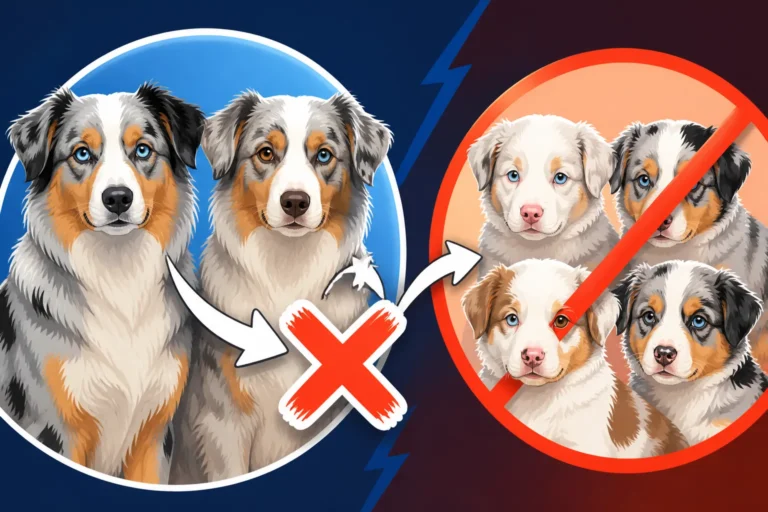
The merle gene, responsible for those breathtaking marbled coats, blue eyes, and sometimes even split-colored eyes in Australian Shepherds, is a fascinating and complex piece of genetic coding. While it gives us the beautiful blue merle and red merle patterns we adore, it also carries a significant risk when present in certain combinations. Specifically, dogs that inherit two copies of the merle gene (known as "double merles" or homozygous merles) are at a dramatically increased risk of various health issues, including deafness and ocular defects.
The merle gene doesn't just affect the pigment in the coat; it impacts pigment cells throughout the body, including those crucial for the development of the inner ear. When there's a lack of these pigment cells in the inner ear, the structures responsible for hearing, particularly the cochlea, can fail to develop properly or degenerate shortly after birth. This leads to profound, often irreversible, deafness. It's not about the loudness of the merle pattern itself, but the presence of the gene in a double dose that causes these developmental problems. This is why you'll often hear breeders emphasize the importance of understanding How Merle Works in an Australian Shepherd Coat and why breeding two merles together is considered highly irresponsible, as it dramatically increases the chance of producing Double Merle Australian Shepherds and What Breeding Two Merles Costs with significant health challenges.
Recognizing Early Signs of Hearing Loss
It can be incredibly challenging to spot hearing loss in a young puppy. They adapt remarkably quickly and often compensate using their other senses, especially their keen sight and sensitivity to vibrations. Many owners don't notice any issues until a puppy is several weeks or even months old, and sometimes not until their vet suggests a test.
Here are some common signs that might make you suspect your Australian Shepherd puppy has hearing loss:
- Lack of response to everyday sounds: Does your puppy sleep through the vacuum cleaner, doorbells, or loud noises that would normally startle other dogs?
- Failure to orient to their name: When you call them from behind, do they turn their head or show any indication they heard you?
- Excessive barking or quietness: Some deaf puppies bark a lot because they can't regulate their volume, while others are unusually quiet because they don't hear themselves.
- Startling easily when approached from behind: Because they don't hear you coming, a sudden touch or visual presence can make them jump.
- Difficulty learning verbal commands: While this can often be attributed to normal puppy behavior, if your puppy seems consistently oblivious to spoken cues, it might be a flag.
- Ignoring squeaky toys: A toy that makes a sound might be ignored if the puppy can't hear it, though they might still play with it for its texture or movement.
- Observing littermates: Sometimes, observing how your puppy interacts (or doesn't interact) with the sounds their littermates react to can be telling.
It's important to remember that these signs are not definitive proof of deafness, but they should certainly prompt a conversation with your veterinarian about further testing. Often, owners just get a gut feeling that something isn't quite right.
What Exactly is a BAER Test?
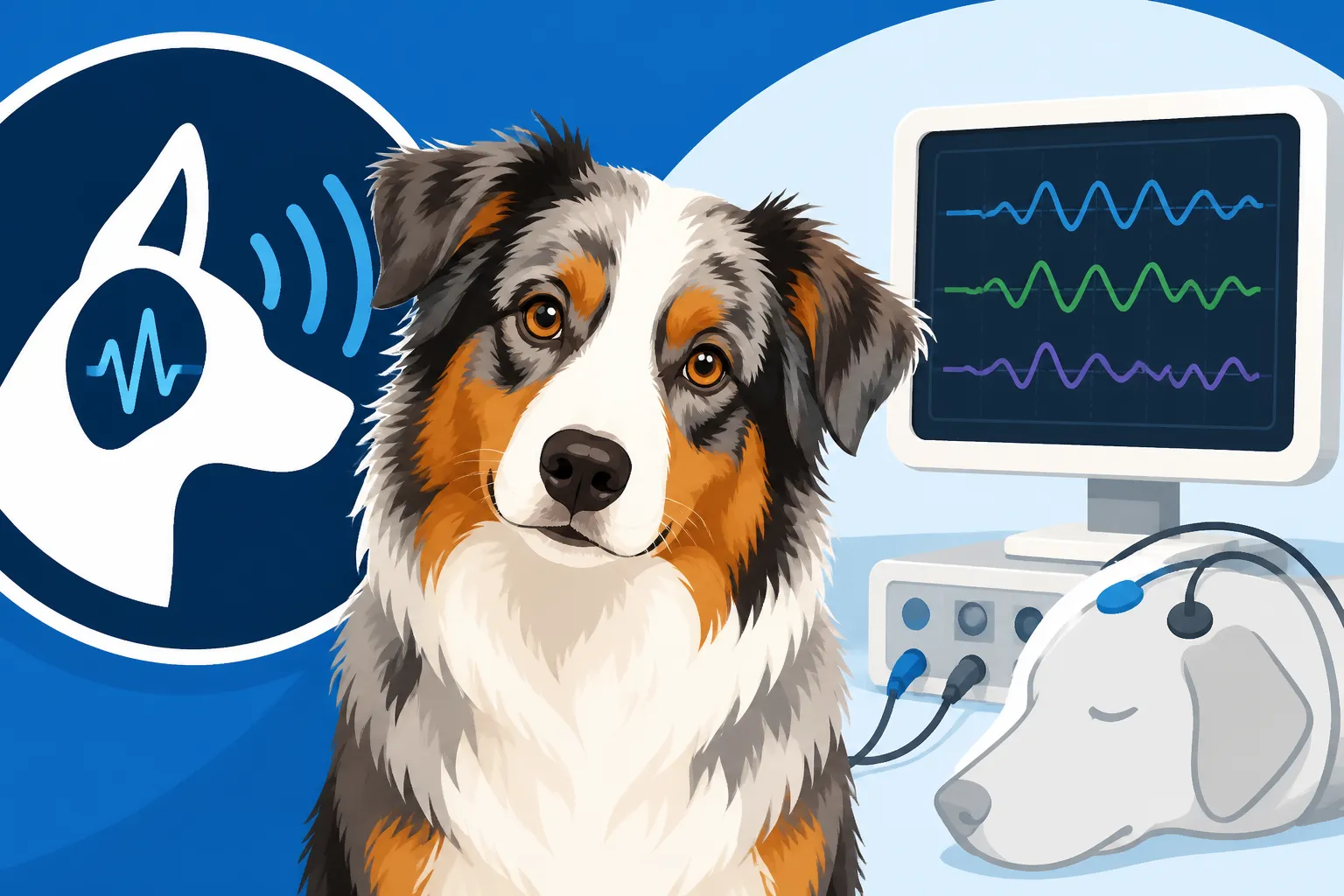
If you suspect your Australian Shepherd has a hearing problem, or if you have a merle puppy, especially one from a breeding that included two merle parents, your veterinarian will likely recommend a BAER test. BAER stands for Brainstem Auditory Evoked Response, and it's currently the most reliable and objective way to assess hearing in dogs. Unlike simply observing your dog's reaction to sounds, which can be subjective and unreliable, the BAER test directly measures the electrical activity in the brainstem in response to auditory stimuli. This means it can identify deafness even in very young puppies and distinguish between unilateral (one ear) and bilateral (both ears) deafness.
How the BAER Test Works
The BAER test is a non-invasive procedure, though it does typically require light sedation to ensure the dog remains still and relaxed throughout the testing process. This stillness is crucial because muscle movements can interfere with the delicate electrical readings.
Here’s a step-by-step breakdown of how it generally works:
- Preparation: Your Aussie puppy will be gently sedated. The technician or vet will then clean a few small areas on the head and near the ears to ensure good contact for the electrodes.
- Electrode Placement: Small, needle-like electrodes (don't worry, they're minimally invasive and barely felt under sedation) are placed just under the skin at specific points on the head: usually one on top of the head (the vertex), one just in front of each ear, and one acting as a ground electrode, often on the neck or shoulder. These electrodes are what pick up the electrical signals from the brain.
- Sound Stimulation: A tiny earphone or foam insert is placed in each ear canal. Through these, a series of clicking sounds, called "clicks," are delivered at a rapid rate. These clicks are precisely calibrated to stimulate the auditory pathway.
- Recording Brain Activity: As the clicks are delivered, the electrodes detect the faint electrical responses generated by the auditory nerve and brainstem. These responses are then amplified and fed into a specialized computer system.
- Waveform Analysis: The computer averages these electrical responses over many clicks, filtering out background noise, and displays them as a series of waves on a monitor. A trained veterinary neurologist or audiologist then interprets these waveforms. A normal hearing ear will produce a characteristic pattern of waves, indicating that the sound signal traveled successfully from the ear through the auditory nerve to the brainstem. If there is no such waveform, or a significantly reduced one, it indicates hearing loss in that ear.
The process usually takes about 15-30 minutes, and once completed, your puppy will recover from the sedation. It's often reassuring for owners to know that while it sounds technical, it's a routine and safe procedure when performed by experienced professionals.
Interpreting BAER Test Results
Understanding your Aussie's BAER test results is straightforward, though the implications can be significant. The results will be specific to each ear, meaning one ear could be perfectly fine while the other is affected.
Here’s what the different results mean:
- Normal Hearing (Bilateral Hearing): This is the best possible outcome. The test will show clear, distinct waveforms for both ears, indicating that sound signals are being properly transmitted to the brainstem from both sides. Your Aussie has full hearing.
- Unilateral Deafness: In this case, one ear will show normal waveforms, while the other ear will show no detectable response. This means your Australian Shepherd is deaf in one ear but can hear perfectly well with the other. Dogs with unilateral deafness can lead completely normal lives without significant handicaps. They might have a little trouble localizing sounds, but generally adapt very well. You might not even notice it without the BAER test.
- Bilateral Deafness: This result indicates no detectable waveforms from either ear. Your Australian Shepherd is deaf in both ears. While this news can be heartbreaking, it's crucial information that allows you to provide your Aussie with the best possible care and training tailored to their needs. Living with a deaf Australian Shepherd is absolutely possible and incredibly rewarding, though it requires specific approaches to training and safety.
The clarity provided by a BAER test is invaluable. It removes guesswork and allows you to move forward with accurate information, whether that means celebrating a healthy puppy or making informed decisions about how to best support your deaf companion.
When and Where to Get Your Aussie BAER Tested
Knowing that the BAER test exists is one thing, but knowing when and where to get it done are the practical questions that truly help you take action. For Australian Shepherds, given their genetic predisposition, proactive testing is often recommended, especially for puppies from merle-to-merle breedings or those exhibiting any subtle signs of hearing issues.
Optimal Timing for Puppy Testing
For Australian Shepherd puppies, the ideal window for BAER testing is typically between 6 to 8 weeks of age. At this stage, their auditory pathways are fully developed, but they are still young enough to be tested before they go to their new homes. This allows breeders to screen entire litters and ensures that new owners are fully aware of their puppy's hearing status from day one.
Testing at this age offers several key advantages:
- Accuracy: The auditory system is mature enough for reliable results.
- Informed Placement: Breeders can ethically place puppies with accurate health information. For instance, a puppy found to be unilaterally deaf might be just fine for a pet home, while a bilaterally deaf puppy would require a family committed to specific training and care.
- Early Intervention: If deafness is detected, owners can immediately begin training with visual cues and hand signals, setting the puppy up for success.
- Breeding Decisions: For breeders, this information is critical for future breeding choices, reinforcing the importance of avoiding Why Merle-to-Merle Aussie Breeding Is Called Reckless.
While 6-8 weeks is optimal, the BAER test can be performed at any age. If you acquire an older Aussie and suspect hearing loss, or if your puppy missed the early testing window, it's never too late to get them tested. Often, veterinarians will perform a comprehensive Australian Shepherd Puppy Health Checks at Eight Weeks around this time, and a BAER test can easily be incorporated if available.
Finding a Qualified Veterinarian or Specialist
The BAER test requires specialized equipment and expertise, so it's not something every general veterinary clinic offers. To find a qualified professional, you'll typically need to look for:
- Veterinary Specialty Hospitals: Many larger veterinary hospitals or university veterinary teaching hospitals have neurology departments or specialists who regularly perform BAER testing. These facilities are often equipped with state-of-the-art diagnostic tools.
- Board-Certified Veterinary Neurologists or Audiologists: These specialists have advanced training in conditions affecting the nervous system and hearing. They are the most qualified individuals to perform and interpret BAER tests.
- Local Breed Clubs or Associations: Australian Shepherd breed clubs or rescue organizations can often provide recommendations for BAER testing clinics or specialists in your area. They are usually well-connected within the breed community and know who offers these services.
- Referral from Your Primary Vet: Start by discussing your concerns with your regular veterinarian. Even if they don't perform the test in-house, they can refer you to a reputable specialist or clinic nearby.
When you call to schedule an appointment, ask about the veterinarian's experience with BAER testing, particularly in merle breeds, and confirm what the procedure involves, including sedation protocols and costs. It's a precise test, and you want to ensure it's done correctly for the most accurate results. Don't hesitate to ask questions; a good clinic will be happy to explain everything to put your mind at ease.
Implications of a Deafness Diagnosis and Next Steps
Receiving a diagnosis of deafness for your Australian Shepherd, whether unilateral or bilateral, can be a lot to process. It's natural to feel a mix of emotions – sadness, worry, perhaps even guilt. But it's vital to remember that a deaf dog is not a broken dog. They are capable of living full, joyful, and incredibly rich lives. The diagnosis isn't an ending; it's a new beginning that simply requires a different approach to communication and care.
Living With a Deaf Australian Shepherd
If your Aussie is diagnosed with deafness, the most important thing is to shift your communication strategy. Deaf dogs are highly intelligent and adapt incredibly well to visual cues.
Here’s how you can make life enriching and safe for your deaf Aussie:
- Visual Communication is Key: Replace verbal commands with hand signals. Start with basic commands like "sit," "stay," "come," and "down." Consistency is paramount. There are many resources available for Teaching a Deaf Aussie Its First Signals, and you might be surprised how quickly they pick up on them.
- Touch Cues: Gentle taps can be used to get their attention. For example, a light tap on the shoulder might mean "look at me," or a series of taps on their back could signal "come."
- Vibration Collars: These collars vibrate (they do not shock) and can be a valuable tool for getting your dog's attention, especially from a distance. They are often used as an alternative to calling their name for recall. Always pair the vibration with a positive hand signal and reward.
- Safety First: Deaf dogs cannot hear cars, bikes, or other hazards. They should always be leashed when outside of a securely fenced area. Consider a special collar or vest that indicates "DEAF DOG" to alert others. Many owners choose to get a secure GPS collar for extra peace of mind, too.
- Alerting Your Dog: Since they won't hear you approach, always make sure you're in their line of sight or gently tap the floor to create vibrations before touching them. This prevents startling them.
- Enrichment: Deaf Aussies still need plenty of mental and physical stimulation. Puzzle toys, scent work, and visual games are excellent ways to keep them engaged. Regular, engaging walks and playtime are still crucial.
- Socialization: Continue to socialize your deaf Aussie with other dogs and people. Teach other people how to appropriately interact with your dog using visual cues. Dogs often communicate a lot visually, so they can still enjoy canine companionship.
- Positive Reinforcement: This is critical for all dogs, but especially for deaf dogs, as punishment can be confusing and damaging. Focus on rewarding desired behaviors to build a strong bond and positive associations.
The journey of Raising a Deaf Australian Shepherd Puppy or Bringing Home a Deaf Australian Shepherd Puppy who is deaf is a testament to the resilience of both dogs and their dedicated human companions. Many deaf Aussies thrive in homes that embrace their unique needs, becoming incredibly bonded and responsive partners. You'll find a strong community of support among owners of deaf dogs who share tips and encouragement. Remember, a major pet insurance provider like Healthy Paws can often provide coverage for unexpected health issues, offering some financial peace of mind as you navigate any ongoing care your Aussie might need, though pre-existing conditions (like congenital deafness diagnosed before enrollment) are typically excluded.
Breeding Considerations and Genetic Responsibility
For breeders, a BAER test result indicating deafness carries significant weight. Congenital deafness in Australian Shepherds, particularly that linked to the merle gene, is hereditary. Therefore, any Australian Shepherd diagnosed with unilateral or bilateral deafness should absolutely not be bred. This is a fundamental ethical responsibility to prevent the perpetuation of a genetic condition that causes suffering and challenges for future generations.
If a dog is unilaterally deaf, while they might live a normal life, they still carry the genetic predisposition and could pass it on to their offspring. Responsible breeders are committed to improving the health of the breed, and that includes removing affected individuals from the breeding pool. This often means being transparent about The Genetic Panel Every Australian Shepherd Needs before breeding.
Even if a dog has normal hearing but comes from a lineage with a high incidence of deafness, or is itself a "cryptic merle" (a merle pattern so faint it's often mistaken for a solid dog), careful consideration and genetic testing are paramount. The goal is always to reduce the occurrence of genetic diseases within the breed, ensuring that the next generation of Australian Shepherds is as healthy and robust as possible.
BAER Test Results
To illustrate the clarity a BAER test provides, here's a simplified representation of what the results indicate:
| Test Result | Left Ear Response | Right Ear Response | Implications for Hearing |
|---|---|---|---|
| Normal | Clear waveform | Clear waveform | Full hearing in both ears |
| Unilateral Deaf | Clear waveform | No waveform | Deaf in right ear, hearing in left |
| Unilateral Deaf | No waveform | Clear waveform | Deaf in left ear, hearing in right |
| Bilateral Deaf | No waveform | No waveform | Deaf in both ears |
This table quickly highlights how a veterinarian or specialist can pinpoint exactly which ears are affected, offering precise information that simple observation cannot.
Disclaimer
The information provided in this article is for educational purposes only and is not intended to be a substitute for professional veterinary advice, diagnosis, or treatment. Always seek the advice of your veterinarian or other qualified health provider with any questions you may have regarding a medical condition.