Breeding Away From Epilepsy in Aussie Lines
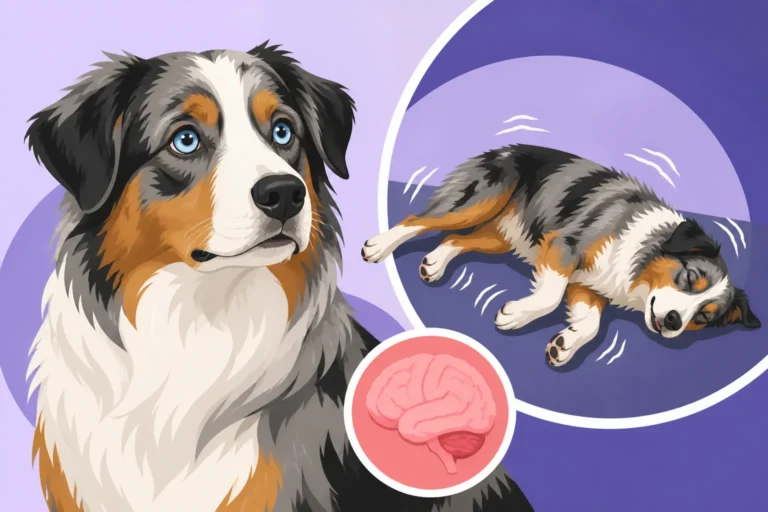
The heartbreaking reality for many Australian Shepherd owners is witnessing their beloved companion suffer from seizures, a frightening and often devastating experience. When epilepsy surfaces in a cherished family member, it naturally leads to questions about how this could have happened and what can be done to prevent future generations from facing the same challenges. This guide dives deep into the complexities of breeding ethical, healthy Australian Shepherds and the vital efforts being made to breed away from epilepsy in these intelligent and active dogs.
Understanding the Elusive Genetics of Canine Epilepsy
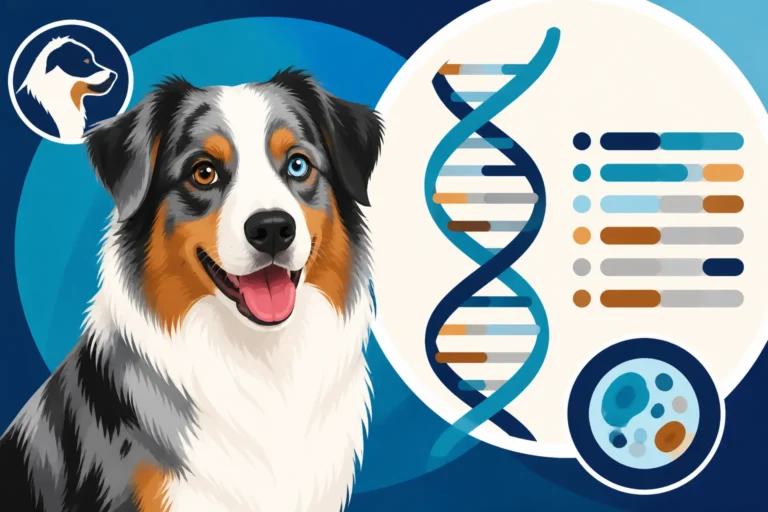
Epilepsy in Australian Shepherds is a profoundly complex condition, and it's not as simple as checking a single gene box. Unlike some other inherited diseases where a clear dominant or recessive gene can be identified and tested for, idiopathic epilepsy in Aussies is considered polygenic. This means it's influenced by multiple genes, potentially interacting with environmental factors, making it incredibly challenging to predict and breed out.
Imagine trying to catch smoke with a net; that's often what it feels like for breeders trying to eliminate epilepsy. We don't have a definitive "epilepsy gene test" that can simply tell us if a dog carries the risk. Research has identified several genetic loci (specific locations on a chromosome) that appear to be associated with an increased risk of epilepsy in various breeds, including Aussies. However, these are often risk factors, not definitive predictors. A dog might carry some of these risk alleles and never develop epilepsy, while another dog with fewer identified risk factors might. This is the frustrating reality of a polygenic disorder – it's an iceberg, with only a small portion visible above the surface. Breeders and researchers are constantly working to uncover more of this hidden genetic landscape. The goal is to eventually develop more accurate screening tools, but it’s a marathon, not a sprint, and requires significant data and collaboration.
The Challenges Ethical Breeders Face with Epilepsy
For Australian Shepherd breeders dedicated to producing healthy, sound puppies, epilepsy presents a unique and disheartening set of challenges. It's not just a physical ailment; it carries a heavy emotional and financial toll for the families involved, which ripples back to responsible breeders who truly care.
The Late Onset Dilemma
One of the biggest hurdles is the typical onset age of idiopathic epilepsy. Seizures often don't begin until an Australian Shepherd is between one and five years old. This means that by the time a breeder realizes a dog they've bred, or a dog in their breeding program, carries the genetic predisposition, that dog might have already been bred, and its offspring distributed to new homes. This late onset makes it nearly impossible to make informed breeding decisions early in a dog's life. A breeder might look at a seemingly healthy, vibrant 18-month-old male or female, with excellent temperament and working ability, and decide to breed them, only for the dog to have its first seizure at two or three years of age. This retrospective discovery complicates lineage tracking and responsible decision-making immensely. It forces breeders to rely heavily on the health history of multiple generations, not just the breeding pair themselves, which isn't always fully disclosed by every owner or past breeder. The emotional impact on a breeder, knowing they might have inadvertently passed on a devastating condition, is profound.
Data Gaps and Secrecy
Another significant challenge is the lack of comprehensive, shared data within the breeding community. For breeders to effectively "breed away" from a condition, they need to know which dogs have produced affected offspring, and which ancestors might be carriers. Unfortunately, the stigma surrounding epilepsy can lead some owners, and even some breeders, to be less than transparent about an epilepsy diagnosis. Owners might not report seizures to their breeder, fearing judgment or rejection. This creates critical data gaps. If a breeder isn't aware that a dog they sold is having seizures, they can't make informed decisions about that dog's parents or siblings in their own breeding program. Organizations like the Australian Shepherd Health & Genetics Institute (ASHGI) are working tirelessly to encourage open reporting and build comprehensive databases, but their success depends on the willingness of the entire community to participate. Without this transparency, the fight against epilepsy becomes exponentially harder. Breeders need to feel comfortable discussing these issues openly, ensuring that the focus remains on improving the breed's health, not on casting blame.
Strategies for Breeding Away From Epilepsy
Despite the difficulties, ethical Australian Shepherd breeders are dedicated to reducing the incidence of epilepsy. It requires a multi-faceted approach, emphasizing transparency, careful selection, and a commitment to long-term health over immediate gains.
Comprehensive Health Testing and Pedigree Research
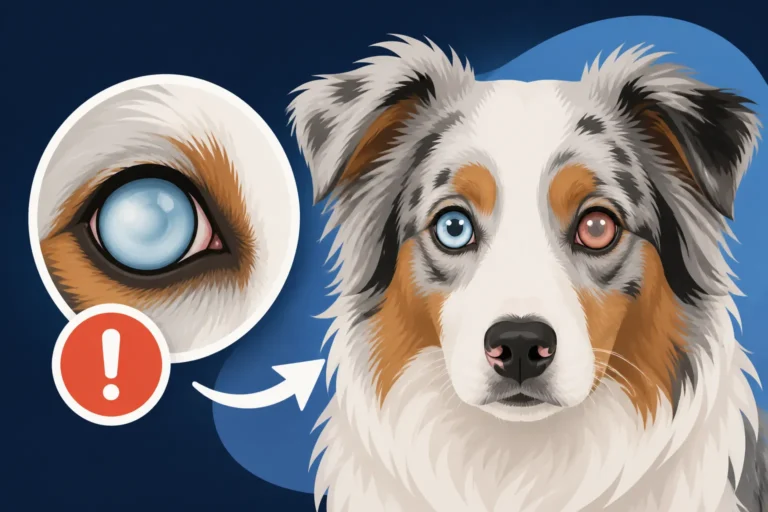
The first line of defense for any responsible breeder is thorough health testing, even if a direct epilepsy gene test isn't available. This includes a full genetic panel to rule out other common issues, such as The MDR1 Mutation Half of Australian Shepherds Carry or Hereditary Cataracts Clouding an Aussie Eye. While these tests won't tell you about epilepsy directly, they show a commitment to overall health. Beyond genetic tests, breeders must meticulously research pedigrees, looking for any history of epilepsy in the lines they plan to use. This means going back several generations, scrutinizing siblings, aunts, uncles, and cousins of potential breeding dogs. A truly ethical breeder asks tough questions of other breeders, seeking full disclosure on health issues in their lines, even those not directly related to the dog being considered. They understand that a healthy individual dog isn't enough; the health of its entire family matters. This deep dive into a dog's heritage helps identify potential risk factors, even if they aren't fully understood genetically. It's about minimizing risk wherever possible.
Selective Breeding Practices
Given the polygenic nature and late onset of epilepsy, breeders must adopt highly selective breeding practices. This often means waiting until potential breeding dogs are older – ideally past the typical age of onset for epilepsy (e.g., waiting until a dog is at least 3-4 years old) before breeding them. While this can slow down a breeding program and requires more patience, it significantly reduces the risk of unknowingly breeding an affected dog.
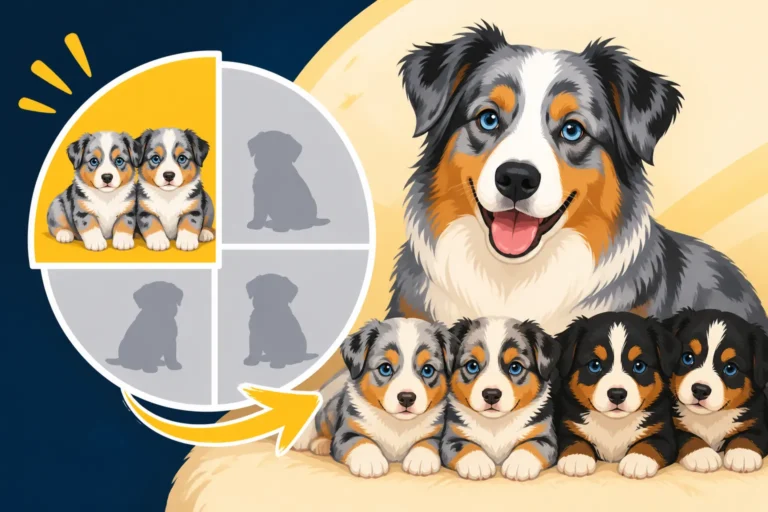
It also means being willing to retire a valuable dog from a breeding program if it or its close relatives produce affected offspring. This can be an incredibly difficult decision, especially if the dog possesses many desirable traits like exceptional temperament, working ability, or conformation. However, the long-term health of the breed must always take precedence. Breeders may also consider "progeny testing" – evaluating the health of a dog's offspring before making further breeding decisions. For example, if a male dog produces multiple epileptic puppies with different females, it strongly suggests he carries significant risk, even if he himself remains unaffected. These tough choices are the hallmark of responsible breeding, and they often come with emotional and financial costs. Pet insurance companies like Healthy Paws can even provide some peace of mind for breeders who invest heavily in the health of their breeding stock, knowing that unexpected veterinary costs for their dogs are manageable while they dedicate themselves to improving the breed.
Open Communication and Data Sharing
Transparency is paramount. Ethical breeders foster open communication with their puppy buyers, encouraging them to report any health issues, especially seizures, throughout their dog's life. They make it clear that this information is vital for the health of future generations, not a reflection on the owner or the dog. This means signing contracts that require owners to notify the breeder of any diagnosed conditions.
Breeders should also actively participate in health databases, such as those maintained by ASHGI or the Orthopedic Foundation for Animals (OFA). By submitting health information, even for affected dogs, they contribute to a larger pool of data that researchers can analyze to identify patterns and develop better screening tools. This collaborative effort helps shed light on complex issues like Australian Shepherd Autoimmune Disease or Thyroid Disease Behind a Flat Aussie Coat, alongside epilepsy. It’s a collective responsibility that extends beyond individual kennels.
The Role of Owners in Mitigating Epilepsy Risk
While breeders bear the primary responsibility for genetic health, Australian Shepherd owners play a critical, often underestimated, role in the fight against epilepsy. Your actions, choices, and willingness to share information can make a world of difference.
Choosing a Responsible Breeder
The most impactful decision an owner can make is choosing a breeder who prioritizes health and transparency above all else. Don't be afraid to ask direct, probing questions about epilepsy and other health issues in their lines. A responsible breeder will welcome these questions and be able to provide detailed, honest answers. They should be able to discuss the health history of their breeding dogs' parents and siblings, not just the dogs themselves.
Ask about their policy if a puppy develops a serious genetic condition like epilepsy. Do they offer support? Do they require you to report back? A reputable breeder will have a comprehensive contract that outlines these responsibilities and demonstrates their commitment to the long-term health of their puppies. They should be transparent about all The Health Tests Every Australian Shepherd Parent Needs, not just the easy ones. Be wary of breeders who offer vague answers, refuse to provide health clearances, or prioritize superficial traits like "rare" colors over health and temperament. A breeder focused on quality over quantity, and who is actively involved in dog sports or working events, often has a deeper understanding of breed health and genetics.
Reporting and Supporting Research
If your Australian Shepherd is diagnosed with epilepsy, the most valuable thing you can do is report this information to your breeder. This might feel uncomfortable, but it provides crucial data that allows the breeder to make more informed decisions moving forward. Additionally, consider contributing your dog's DNA and health records to ongoing research efforts. Organizations like ASHGI and university-led studies are constantly seeking samples from affected and unaffected Aussies to further their understanding of the disease. Your dog's story, combined with others, could be the key to unlocking the genetic puzzle of epilepsy.
Consider the financial implications as well. The ongoing care for an epileptic Aussie can be substantial, from veterinary visits to lifelong medications. This is where comprehensive pet insurance can be a lifesaver. Companies like Healthy Paws offer policies that can help cover these costs, ensuring your focus remains on your dog's well-being rather than mounting bills. Having robust coverage from early on means you’re prepared if your Aussie ever starts experiencing The Age an Australian Shepherd's First Seizure Comes.
Advocating for Openness
Beyond your own dog, you can be an advocate for greater transparency within the Australian Shepherd community. Encourage other owners to report health issues to their breeders and participate in health databases. Support organizations that are dedicated to genetic research and breed health. The more open we are about these challenges, the faster we can collectively work towards a healthier future for Australian Shepherds.
A Comparative Look at Breeding Practices for Different Conditions
To really understand the challenge of breeding away from epilepsy, it's helpful to compare it to other genetic conditions that Australian Shepherds can face.
| Genetic Condition | Test Type | Ease of Breeding Out | Key Breeding Strategy |
|---|---|---|---|
| MDR1 Mutation | Direct DNA test (clear, carrier, affected) | Relatively straightforward (single gene) | Test all breeding dogs. Avoid breeding two affected or two carrier dogs together to prevent affected offspring. Carriers can be bred to clear dogs. |
| Hereditary Cataracts | Direct DNA test (HSF4 gene) and eye exams | Moderately straightforward (HSF4 is a major factor, but others exist) | Test for HSF4. Get annual ophthalmologist exams (ACVO). Avoid breeding affected dogs. Carriers can be bred to clear dogs. |
| Hip Dysplasia | X-ray evaluation (OFA, PennHIP) | Challenging (polygenic with environmental factors) | Screen all breeding dogs (OFA "Good" or "Excellent" / PennHIP in good percentile). Use dogs with strong hip health in their pedigree. Avoid breeding dogs with poor hip scores. |
| Idiopathic Epilepsy | No direct DNA test (polygenic suspected) | Highly challenging (polygenic, late onset, no single test, environmental factors) | Extensive pedigree research, wait for older breeding dogs, use progeny testing, rigorous health reporting, support research. Avoid breeding affected dogs and their close relatives. |
As you can see, the strategies shift dramatically based on whether a condition is caused by a single, identifiable gene or multiple complex factors. This table highlights why Breeding Away From Epilepsy in Aussie Lines requires such an intense, long-term commitment and why progress can feel slow.
Conclusion: A Collaborative Path to a Healthier Future
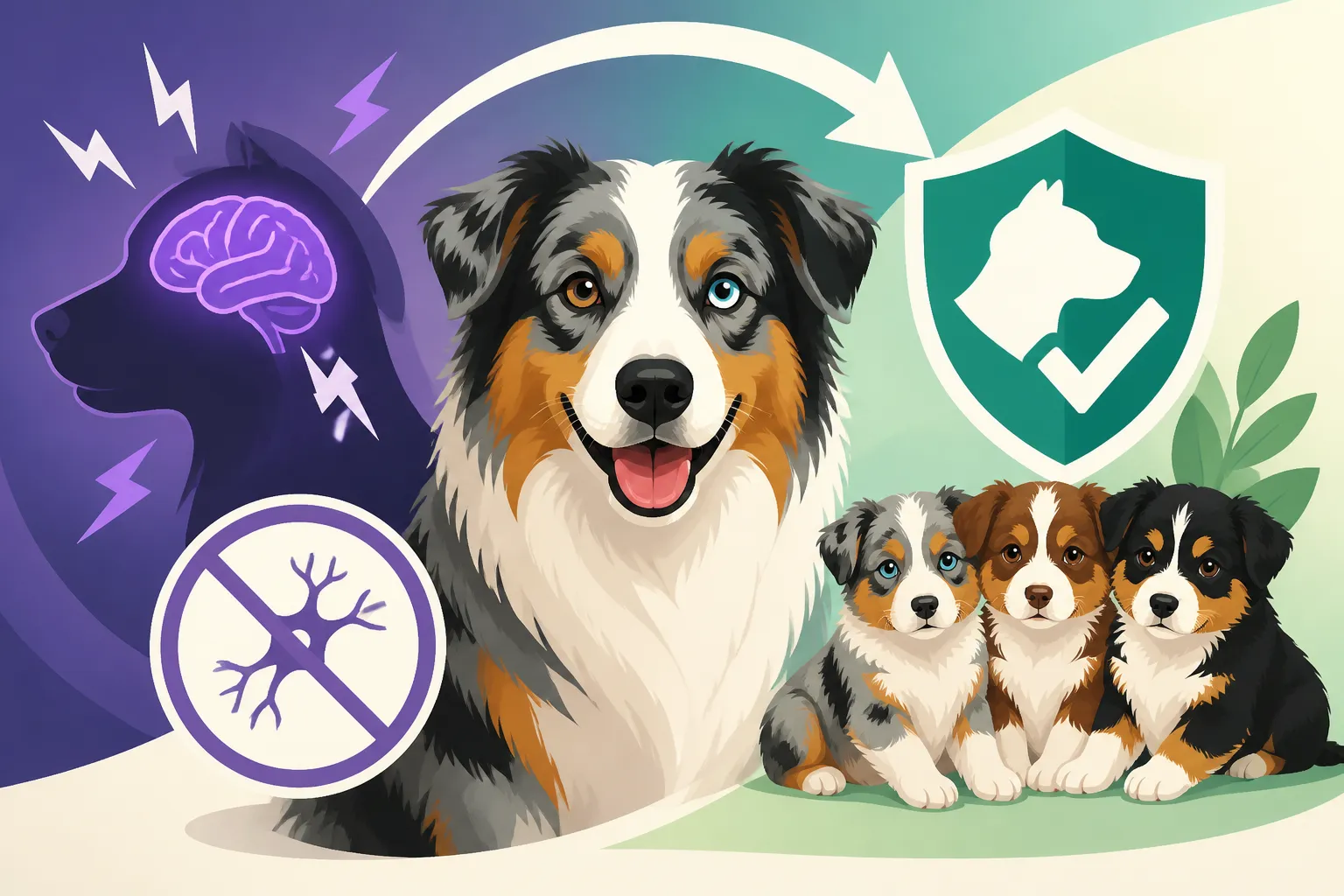
Breeding away from epilepsy in Australian Shepherds is not a simple fix; it's a marathon that demands dedication, transparency, and collaboration from everyone involved. From breeders meticulously researching pedigrees and making difficult decisions, to owners diligently reporting health outcomes and supporting research, every piece of the puzzle is vital. The journey to a healthier future for our beloved Aussies, free from the shadow of epilepsy, is a shared one, built on informed choices and a collective commitment to the well-being of the breed.
Disclaimer
The information provided in this article is for educational purposes only and should not be considered a substitute for professional veterinary advice. Always consult with a qualified veterinarian regarding your Australian Shepherd's health and treatment options.