Addison’s Disease in an Australian Shepherd
It’s truly disheartening when your beloved Australian Shepherd starts showing vague symptoms – a little lethargy here, an off meal there – and you can’t quite put your finger on what’s wrong. These subtle changes can often be dismissed as a temporary upset or just an “off day,” but sometimes they’re the whisper of something much more serious. This comprehensive guide will walk you through understanding Addison's Disease in Australian Shepherds, helping you recognize its tricky signs, navigate the diagnostic process, and manage this lifelong condition so your furry companion can thrive.
Understanding Addison's Disease in Australian Shepherds
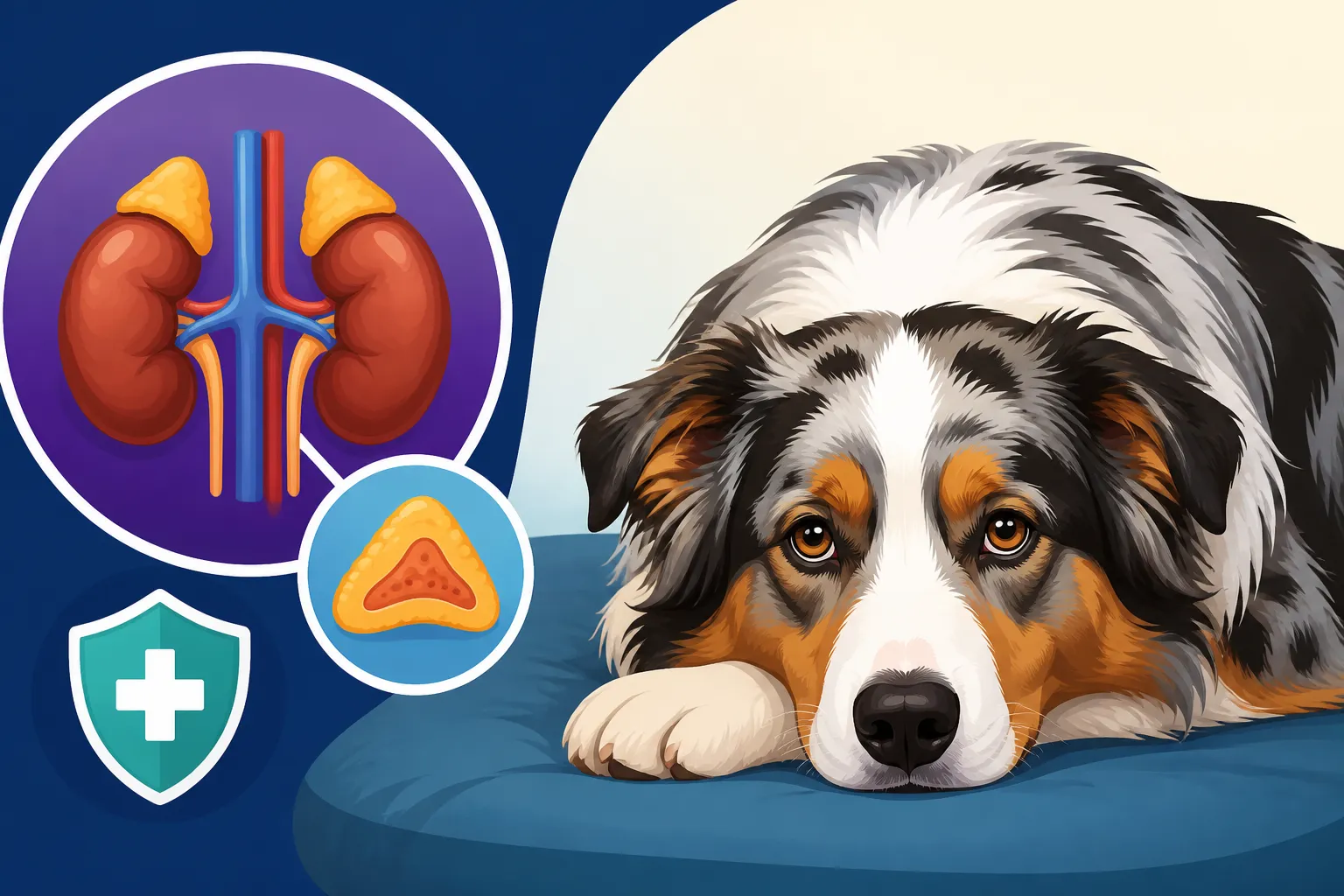
Addison's Disease, scientifically known as hypoadrenocorticism, is a tricky endocrine disorder that occurs when your Australian Shepherd's adrenal glands, which are small glands located near the kidneys, don't produce enough vital hormones. Specifically, we're talking about cortisol and aldosterone. These hormones are absolutely critical for managing stress, regulating metabolism, balancing electrolytes, and maintaining blood pressure. When they're in short supply, it can throw your dog's entire system into chaos.
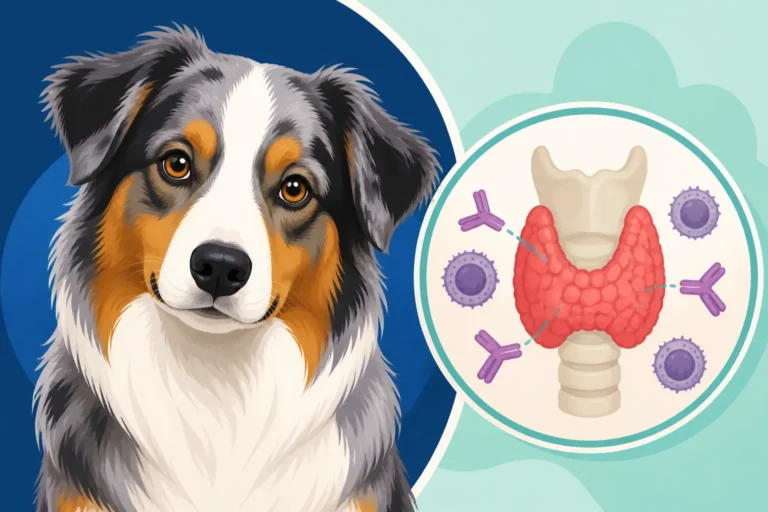
Most commonly, Addison's in dogs is caused by immune-mediated destruction of the adrenal cortex, meaning your Aussie's own immune system mistakenly attacks and damages these glands. It's an autoimmune disease, much like how humans can develop autoimmune conditions. While it can occur in any dog breed, there does seem to be a genetic predisposition in certain lines, including Australian Shepherds. This makes it particularly important for breeders to be vigilant about health testing in their lines, even though there isn't a direct genetic test for Addison's specifically. Understanding other autoimmune conditions, like Australian Shepherd Autoimmune Thyroiditis(), can provide some context for how these types of diseases manifest in the breed.
There are two main types of Addison's Disease that we usually see. The more common form is primary Addison's, where both cortisol and aldosterone production are insufficient. This is the one that causes the classic electrolyte imbalances (high potassium, low sodium) that vets often look for. Then there's atypical Addison's, where only cortisol production is affected, and aldosterone levels remain normal. This can be even more challenging to diagnose because those tell-tale electrolyte changes aren't present. It's worth noting that while often considered a disease of younger to middle-aged dogs, typically between two and eight years old, it can appear at any age, even in puppies or much older senior Aussies.
The Subtle and Sometimes Confusing Signs of Addison's
One of the biggest frustrations for Aussie owners when dealing with Addison's is how incredibly vague and fluctuating the symptoms can be. Vets often call Addison's "the great imitator" because its signs can mimic so many other common ailments, making early diagnosis a real challenge. Your normally energetic Australian Shepherd might just seem "off," and you might blame it on a bad meal, a change in weather, or just an off day.
The symptoms often wax and wane. You might see your Aussie perk up for a few days, making you think they’re over whatever bug they had, only for them to relapse a week later. This intermittent nature is a hallmark of Addison's and why many dogs suffer for months before a proper diagnosis is made. Here are some of the signs to watch out for:
- Lethargy and Weakness: Your high-drive Australian Shepherd might be less enthusiastic about walks, playing fetch, or working. They might seem tired, listless, and unwilling to move much.
- Gastrointestinal Issues: This includes intermittent vomiting, diarrhea, loss of appetite, or weight loss. These can be easily mistaken for dietary indiscretion, parasites, or other stomach upsets.
- Increased Thirst and Urination (Polydipsia/Polyuria): While not as pronounced as in diabetes, some Aussies with Addison's may drink and pee more than usual.
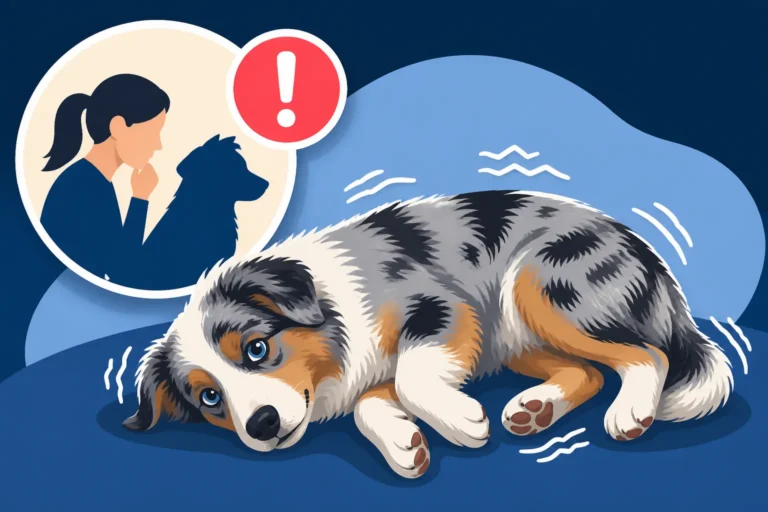
- Shaking or Trembling: Generalized muscle weakness can sometimes manifest as tremors, particularly after exertion or during times of stress.
- Dehydration: Despite increased drinking, a dog with Addison's may appear dehydrated with dry gums and sunken eyes.
- Painful Abdomen: Some dogs may experience abdominal discomfort.
- Slow Heart Rate: In severe cases, particularly during an Addisonian crisis, the heart rate can be unusually slow.
- Hair Loss or Dull Coat: While less common and typically seen in chronic cases, skin and coat changes can occur due to long-term hormonal imbalance, sometimes even mimicking Thyroid Disease Behind a Flat Aussie Coat().
- Addisonian Crisis: This is the most severe and life-threatening manifestation. During a crisis, your Aussie might suddenly collapse, become extremely weak, go into shock, have severe vomiting and diarrhea, and possibly suffer from a dangerously slow heart rate. This is a true emergency and requires immediate veterinary intervention.
It's truly heartbreaking to see your usually vibrant Aussie suddenly so unwell, and the uncertainty of not knowing what’s wrong only adds to the stress. Because Aussies are often so stoic, they can hide discomfort until they are quite sick. This makes it crucial to pay attention to even subtle changes in their behavior or routine. If you notice a pattern of these vague symptoms, especially if they recur, it's time to talk to your vet specifically about Addison's.
Here’s a table summarizing the progression of symptoms:
| Symptom Category | Early/Mild Signs (often overlooked) | Moderate/Chronic Signs (waxing and waning) | Crisis/Severe Signs (life-threatening) |
|---|---|---|---|
| Energy & Behavior | Slightly less playful, a bit tired | Persistent lethargy, weakness, reluctance to exercise | Collapse, extreme weakness, unresponsive |
| Appetite & Weight | Intermittent pickiness, slight weight loss | Consistent poor appetite, noticeable weight loss | Complete refusal to eat, severe dehydration |
| Gastrointestinal | Occasional soft stool, mild vomiting | Recurrent vomiting/diarrhea, abdominal pain | Severe, intractable vomiting/diarrhea |
| Hydration | Increased thirst, subtle dehydration | Dry gums, sunken eyes, skin tenting | Severe shock, poor capillary refill time |
| Other | Mild trembling, general "off" feeling | Shaking, dull coat, slow heart rate | Hypothermia, dangerously slow heart rate, neurological |
The Road to Diagnosis: The ACTH Stimulation Test
Because Addison's symptoms are so non-specific, getting an accurate diagnosis can be a frustrating journey for many Australian Shepherd owners. Your vet will likely start with a thorough physical examination and routine blood tests, which might show some suspicious signs but won't be definitive on their own.
Initial blood work might reveal:
- Electrolyte Imbalances: High potassium (hyperkalemia) and low sodium (hyponatremia) are strong indicators of primary Addison's. These are critical as they can affect heart function.
- Kidney Value Changes: Elevated blood urea nitrogen (BUN) and creatinine, which can mimic kidney disease.
- Low Blood Sugar: Hypoglycemia can occur, especially in a crisis.
- Anemia: A mild non-regenerative anemia might be present chronically.
- Other: High calcium (hypercalcemia) or low albumin.
However, many of these findings can also be present in other conditions, which is why more specific testing is necessary. This is where comprehensive diagnostics become vital, as highlighted in The Health Tests Every Australian Shepherd Parent Needs(). Even for a routine check-up, knowing Bloodwork Worth Running on a Senior Aussie() helps you understand the broader picture of your dog's health, regardless of age.
The gold standard for diagnosing Addison's Disease is the ACTH (Adrenocorticotropic Hormone) stimulation test. This test directly assesses the adrenal glands' ability to produce cortisol. Here's how it generally works:
- Baseline Blood Sample: Your vet will take a blood sample to measure your Aussie's baseline cortisol level.
- ACTH Administration: A synthetic form of ACTH is then injected into your dog. ACTH is the hormone that normally tells the adrenal glands to produce cortisol.
- Second Blood Sample: After a specific waiting period (usually one to two hours), another blood sample is taken to measure the cortisol level again.
In a healthy dog, the adrenal glands will respond to the injected ACTH by producing a significant amount of cortisol, resulting in a much higher cortisol level in the second sample. However, in an Australian Shepherd with Addison's Disease, the adrenal glands are damaged and unable to respond effectively, so their cortisol levels will remain very low, both at baseline and after ACTH stimulation. This lack of response confirms the diagnosis.
For cases of atypical Addison's, where electrolytes might be normal, the ACTH stim test is even more critical as it's the only way to confirm the lack of cortisol production. Sometimes, additional tests like abdominal ultrasound to check the size of the adrenal glands (they are often small or atrophied in Addison's) or an ECG to check for cardiac abnormalities caused by electrolyte imbalances might be recommended. The diagnostic process can be intense, and the costs can add up, making it one of The Aussie Cost Owners Never See Coming(). This is where having pet insurance from a provider like Healthy Paws can truly make a difference, helping to cover the expenses of these critical diagnostic tests.
Lifelong Management: Living Well with Addison's
Receiving an Addison's diagnosis can feel overwhelming, but the good news is that with proper management, Australian Shepherds with Addison's Disease can lead full, happy, and long lives, often enjoying a Australian Shepherd Lifespan Across Twelve to Fifteen Years() just like any other healthy Aussie. The key is consistent, lifelong medication and careful monitoring.
The treatment typically involves two main types of medication:
- Mineralocorticoid Replacement (for aldosterone): This is usually handled with an injectable medication called desoxycorticosterone pivalate (DOCP), often known by brand names like Percorten-V or Zycortal. This injection is given by your vet (or you can learn to give it at home, which many owners prefer) every 25-30 days. It replaces the missing aldosterone, helping to regulate electrolytes like sodium and potassium. Regular blood tests, especially in the initial stages, are crucial to ensure the electrolytes are balanced and the dosage is correct.
- Glucocorticoid Replacement (for cortisol): This is typically an oral medication, often prednisone or prednisolone, given daily. The dose is usually very low, mimicking the body's natural cortisol production. The goal is to provide enough cortisol to help your Aussie handle stress without causing side effects associated with high steroid use.
During times of increased stress – like a vet visit, grooming, travel, or any illness – your vet might advise temporarily increasing the prednisone dose to help your Australian Shepherd cope. It's vital not to stop or adjust these medications without veterinary guidance. Skipping a dose or changing the regimen can quickly lead to an Addisonian crisis.
Beyond medication, close monitoring is essential. This includes:
- Regular Vet Check-ups: Initially, more frequent visits for blood work to dial in the medication doses, then typically every 6-12 months once stable.
- Electrolyte Monitoring: Ensuring sodium and potassium levels remain balanced is crucial for heart health.
- Observation: Being vigilant for any return of symptoms, which could indicate a need for medication adjustment.
The ongoing cost of these medications and regular vet visits can be a significant financial commitment. The DOCP injections, prednisone, and frequent blood tests add up. This is where Australian Shepherd Insurance at $35 to $55 a Month() can provide invaluable support. Many owners find that having pet insurance from a reputable company like Healthy Paws helps them manage these predictable, ongoing expenses without having to compromise on their Aussie's care. Being able to afford consistent treatment ensures your Australian Shepherd maintains their quality of life. Understanding Aussie Vet Bills Between $15,000 and $40,000() over a lifetime helps put the ongoing cost of chronic conditions into perspective. With consistent treatment and care, your Australian Shepherd with Addison's can live a vibrant, active life, just like their unaffected peers, chasing balls, herding imaginary sheep, and being the wonderful companions they are.
Disclaimer
The information provided in this article is for educational purposes only and is not intended to be a substitute for professional veterinary advice, diagnosis, or treatment. Always seek the advice of your veterinarian or other qualified animal health provider with any questions you may have regarding a medical condition. Never disregard professional veterinary advice or delay in seeking it because of something you have read in this article.