Hemangiosarcoma and Sudden Aussie Collapse
It’s a terrifying moment no Australian Shepherd owner ever wants to experience: your vibrant, active companion, who was just fine a minute ago, suddenly collapses. This isn't just a faint; it’s often a frightening, acute event that leaves you reeling, wondering what just happened and what to do. One of the most heartbreaking and insidious causes behind such a sudden collapse in Australian Shepherds is hemangiosarcoma, a aggressive and often silent cancer. This guide aims to shed light on this devastating disease, its specific impact on Aussies, and what you need to know to recognize the signs and act quickly.
Understanding Hemangiosarcoma in Australian Shepherds
Hemangiosarcoma is a malignant tumor that originates from the cells lining blood vessels. It’s a silent killer, often progressing without obvious symptoms until it reaches a critical stage, making it particularly frightening for dog owners. While any dog breed can develop hemangiosarcoma, Australian Shepherds are sadly among those considered to be at an elevated risk.
What Is Hemangiosarcoma?
Imagine the intricate network of blood vessels that crisscross your Australian Shepherd's body, delivering oxygen and nutrients to every cell. Hemangiosarcoma starts when cells within the walls of these blood vessels begin to grow abnormally and uncontrollably. These tumors are highly aggressive, meaning they grow rapidly and have a strong tendency to metastasize, or spread, to other organs throughout the body, most commonly the lungs, liver, and brain.
What makes this cancer so dangerous is its nature. Because it develops from blood vessel cells, the tumors themselves are filled with blood. They are fragile and prone to rupturing, even with minimal trauma or activity. When a tumor ruptures, it leads to internal bleeding, which can be severe and life-threatening. This internal bleeding is often the first, and most dramatic, sign that something is terribly wrong, leading directly to the sudden collapse we dread.
Why Aussies Are at Higher Risk
While the exact genetic mechanisms are still being researched, it's widely accepted that certain breeds, including German Shepherds, Golden Retrievers, and our beloved Australian Shepherds, have a higher genetic predisposition to developing hemangiosarcoma. This means that within the breed, there might be specific genetic markers or combinations of genes that increase their susceptibility to this particular type of cancer. It's not about any fault in breeding or care, but rather an unfortunate part of their genetic makeup.
This increased risk means that as your Australian Shepherd ages, the potential for this silent disease lurking becomes a more significant concern. It's one of the reasons that Australian Shepherd Cancer Risks With Age are such a crucial topic for owners to understand, especially as their dogs move into their senior years. The median age for diagnosis is often between 8 to 13 years, but it can occur in younger dogs too. This predisposition adds another layer of anxiety for Aussie owners, highlighting the importance of vigilance and proactive health management.
Common Locations and How It Spreads
Hemangiosarcoma can appear almost anywhere there are blood vessels, but there are a few primary locations that are far more common and present distinct clinical pictures.
- Spleen: This is the most common site for hemangiosarcoma to originate. The spleen is a blood-rich organ that acts as a filter for the blood, and a storage unit for red blood cells. Tumors here can grow quite large before rupturing. A ruptured splenic tumor is a frequent cause of sudden collapse.
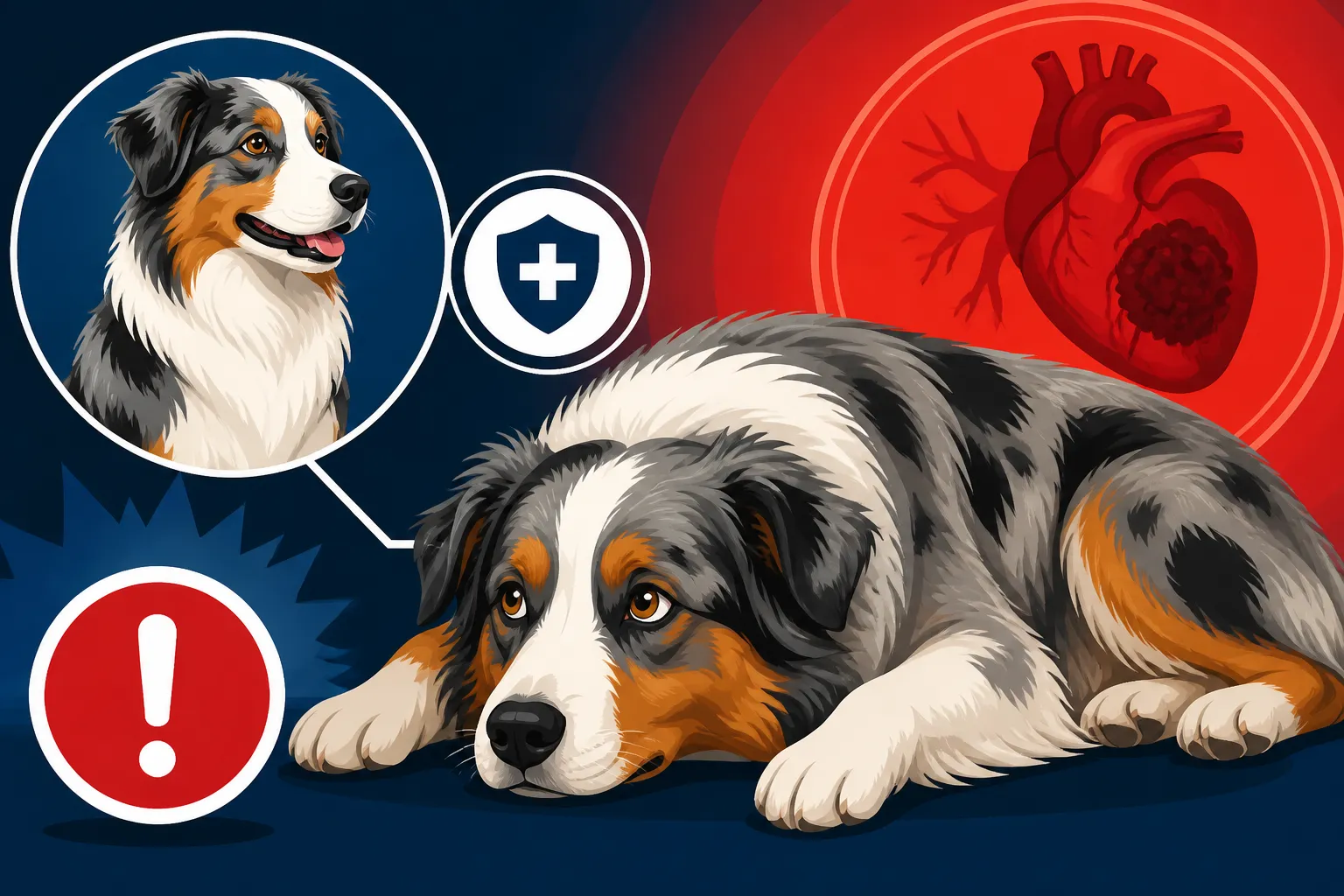
- Heart (Right Atrium): The heart is another common primary site, specifically the right atrium. Tumors here can interfere with the heart's ability to pump blood effectively. When a heart tumor ruptures, it can cause blood to accumulate in the pericardial sac (the sac surrounding the heart), leading to a condition called cardiac tamponade, which severely restricts the heart's function and can also cause sudden collapse.
- Skin (Dermal/Subcutaneous): While less common and often less aggressive than internal forms, hemangiosarcoma can also appear on or under the skin. These might look like raised, dark red or black masses. While dermal forms are generally easier to detect early and have a better prognosis, they can still be malignant and spread.
The insidious nature of hemangiosarcoma lies in its aggressive metastatic potential. Even a small primary tumor can shed cancerous cells into the bloodstream, which then travel and implant in distant organs. The liver and lungs are frequently affected secondary sites. This is why by the time many dogs are diagnosed with a primary tumor in the spleen or heart, there are often already microscopic or macroscopic metastases in other organs, making treatment challenging.
Recognizing the Signs of Sudden Collapse
The phrase "sudden collapse" is often exactly what it sounds like – a dog going from seemingly normal to unable to stand or function within moments. For Australian Shepherds with hemangiosarcoma, this is usually due to a rapid and severe loss of blood internally.
The Acute Presentation of Hemangiosarcoma
Imagine your Australian Shepherd, perhaps fetching a ball in the yard, enjoying a walk, or even just relaxing on the couch. Suddenly, they stumble, become weak, and collapse. They might lie on their side, unable or unwilling to get up. Their gums might be pale or even white, indicating severe blood loss. Their breathing might be rapid and shallow, and their heart rate could be elevated. This rapid onset of severe weakness, often without any preceding warning signs, is the hallmark of a ruptured hemangiosarcoma.
The reason for this dramatic presentation is internal hemorrhage. When a tumor on the spleen or heart ruptures, blood pours into the abdominal cavity or around the heart, respectively. This internal bleeding leads to a rapid drop in blood pressure and a severe reduction in the amount of oxygen-carrying blood circulating to vital organs. The body goes into shock, leading to the sudden weakness, lethargy, and collapse you observe. It’s a truly frightening event, often leaving owners feeling helpless and panicked. In these moments, every second counts.
Other Symptoms to Watch For
While sudden collapse is the most dramatic symptom, some Australian Shepherds might exhibit more subtle signs in the days or weeks leading up to a rupture, which can be easily missed or attributed to aging. These can include:
- Lethargy and Weakness: A general decrease in energy, seeming more tired than usual, or less enthusiastic about walks or play.
- Pale Gums: As mentioned, this is a key indicator of anemia due to blood loss. Check your Aussie's gums regularly. They should be a healthy pink, not pale white or bluish.
- Abdominal Distension: If a splenic tumor is slowly leaking blood, or if the tumor itself is very large, you might notice your dog's belly appearing swollen or distended. It might feel firm to the touch.
- Difficulty Breathing: If a tumor is on the heart, or if metastases are in the lungs, your Aussie might show signs of labored breathing, panting excessively, or having a cough.
- Loss of Appetite and Weight Loss: A general decline in interest in food or an unexplained loss of weight can be a sign of many underlying health issues, including cancer.
- Intermittent Weakness: Some dogs might have episodes of weakness that seem to resolve on their own, only to return later. This can occur if a tumor leaks a small amount of blood, which the body temporarily reabsorbs, before rupturing again more severely.
These signs are subtle and can mimic many other conditions, which is why routine veterinary checks are so important. If you notice any of these changes in your Australian Shepherd, especially if they are getting older, it warrants a prompt visit to the vet. It might be nothing, but it could be your only early warning for a serious condition like hemangiosarcoma. Understanding these subtle cues can make a huge difference in catching things earlier, as discussed in The Cancers Vets See Most in Australian Shepherds.
Differentiating from Other Causes of Collapse
It’s important to remember that sudden collapse, while a serious symptom often linked to hemangiosarcoma in Aussies, isn't exclusive to this one condition. Other health issues can cause similar acute weakness or fainting spells.
Common Causes of Collapse (Beyond Hemangiosarcoma):
| Cause | Description | Key Differentiating Factors (Often Requires Vet) |
|---|---|---|
| Cardiac Issues | Conditions like dilated cardiomyopathy, arrhythmias, or severe valvular disease can lead to insufficient blood flow to the brain and muscles, causing fainting (syncope) or weakness. | Often accompanied by a heart murmur, irregular heartbeat, coughing, or fluid in the lungs (visible on X-ray). Usually no signs of internal bleeding (pale gums without distension). |
| Neurological Events | Seizures, strokes, or certain neurological disorders can cause a dog to lose control of their body and collapse. | Seizures involve uncontrolled muscle contractions, salivation, or loss of consciousness. Strokes might cause sudden imbalance or paralysis of one side of the body. Gums usually pink. |
| Metabolic Imbalances | Severe hypoglycemia (low blood sugar), electrolyte imbalances, or conditions like Addison's disease (adrenal insufficiency) can lead to profound weakness and collapse. | May have other signs like vomiting, diarrhea, tremors, or increased thirst/urination. Diagnosed with blood tests. Gums may be pale, but not always due to acute blood loss. |
| Musculoskeletal Injury | A sudden, severe injury (e.g., torn ligament, fractured bone) can cause a dog to suddenly refuse to bear weight or collapse from pain, though this is usually localized. | Often a clear injury site, yelping in pain, or visible lameness. Gums typically healthy pink. |
| Heatstroke | Overheating, especially in double-coated breeds like Aussies, can lead to collapse, disorientation, and organ failure. | Occurs during hot weather or strenuous exercise. Symptoms include excessive panting, brick-red gums, vomiting, and confusion. |
The crucial difference with hemangiosarcoma-related collapse is often the accompanying signs of internal bleeding: extremely pale or white gums, a distended abdomen (which might feel fluid-filled), and a very rapid, weak pulse. However, only a veterinarian can accurately diagnose the cause of collapse. If your Aussie collapses, regardless of the suspected cause, immediate veterinary attention is paramount. Do not try to self-diagnose based on symptoms alone.
Emergency Action and Diagnosis
When your Australian Shepherd collapses, it's an emergency. Your quick and calm actions can significantly impact their outcome, even if the prognosis for hemangiosarcoma is often grim.
What to Do Immediately During a Collapse
Seeing your dog collapse is incredibly distressing, but try to remain calm. Your dog will pick up on your panic.
- Assess the Situation Safely: First, ensure your Aussie is in a safe location. If they collapsed in the road or a dangerous spot, move them gently to a safer area if possible. Avoid sudden movements that could cause further internal bleeding if a tumor has ruptured.
- Check for Breathing and Pulse:
- Breathing: Watch their chest for movement. If they are not breathing, extend their neck slightly and gently open their mouth to check for obstructions.
- Pulse: Feel for a pulse on the inside of their hind leg, in the femoral artery. A weak, thready, or absent pulse is a red flag.
- Check Gum Color: Gently lift their lip to check their gums. Are they pale, white, or blue-tinged? This is a critical indicator of severe blood loss or lack of oxygen.
- Keep Them Warm (But Not Overheated): If they are in shock from blood loss, their body temperature might drop. Gently cover them with a blanket or towel. However, if heatstroke is a possibility (e.g., collapsed after intense exercise on a hot day), focus on cooling them cautiously.
- Contact Your Emergency Vet: Call your nearest emergency veterinary clinic immediately while you are still assessing. Describe what happened, their current condition, and your estimated time of arrival. This allows the vet staff to prepare for your arrival, saving precious minutes.
- Transport Carefully: If you need to move them, do so with extreme care. Large dogs like Aussies can be moved onto a blanket, towel, or board that can be used as a stretcher. Minimal movement is best.
Remember, in situations like this, you are buying time. Getting to an emergency veterinary clinic as fast and safely as possible is the single most important action you can take. Emergency Vet Bills an Aussie Owner Should Expect are a harsh reality in such situations, but prioritizing immediate care is always the first step.
Veterinary Diagnosis and Initial Treatment
Once you arrive at the emergency vet, a rapid assessment will begin. The veterinary team will prioritize stabilizing your Australian Shepherd while simultaneously working to identify the cause of the collapse.
Diagnostic Steps Often Include:
- Physical Examination: The vet will assess vital signs (heart rate, respiratory rate, temperature), check gum color, feel the abdomen for distension or masses, and listen to the heart and lungs.
- Bloodwork: A complete blood count (CBC) will quickly reveal severe anemia (low red blood cell count), which is characteristic of internal bleeding. Blood chemistry will check organ function and rule out metabolic causes.
- Imaging:
- Ultrasound: This is often the quickest and most effective way to identify internal bleeding and locate tumors, particularly on the spleen or around the heart. The vet can see fluid (blood) in the abdomen or around the heart (pericardial effusion) and identify masses.
- X-rays: Chest X-rays can check for fluid around the heart or evidence of lung metastases. Abdominal X-rays might show abdominal fluid, though ultrasound is often more diagnostic for soft tissue masses.
- Fluid Analysis: If there's fluid in the abdomen or around the heart, a sample might be taken and analyzed to confirm it's blood and to look for cancer cells.
Initial Emergency Treatment focuses on stabilization:
- Intravenous (IV) Fluids: To combat shock and low blood pressure.
- Blood Transfusion: If anemia is severe, a blood transfusion can be life-saving.
- Pain Management: To alleviate discomfort.
- Oxygen Therapy: If breathing is compromised.
If hemangiosarcoma is strongly suspected or confirmed, the vet will discuss the findings and potential next steps with you. This conversation can be incredibly difficult, as the prognosis for internal hemangiosarcoma is often very poor.
Prognosis and Treatment Options
Hearing a diagnosis of hemangiosarcoma is devastating. It’s one of the most aggressive cancers in dogs, and unfortunately, the prognosis is often guarded to poor, especially when diagnosed after a rupture.
Prognosis:
- For a ruptured splenic hemangiosarcoma, even with emergency surgery, the median survival time is typically only 1 to 3 months.
- With surgery followed by chemotherapy, survival times can sometimes be extended to 5 to 7 months, though this varies greatly.
- If the tumor is on the heart, prognosis is even poorer, often measured in days to weeks without intervention, and only slightly longer with aggressive treatment.
- Dermal (skin) hemangiosarcomas have a much better prognosis if caught and removed early, with many dogs surviving long-term.
Treatment Options:
- Emergency Surgery: If a splenic tumor has ruptured, emergency splenectomy (removal of the spleen) is often the immediate, life-saving measure. The goal is to stop the internal bleeding and remove the primary tumor. However, surgery does not address any existing microscopic metastases.
- Chemotherapy: After surgery, chemotherapy is typically recommended to target any remaining cancer cells and slow down the progression of metastasis. Doxorubicin is a commonly used chemotherapy agent. While it rarely cures the disease, it can sometimes extend survival time and improve quality of life.
- Palliative Care: For many dogs, especially those with advanced disease, widespread metastasis, or heart involvement, palliative care might be the most humane option. This focuses on managing pain, maintaining comfort, and ensuring a good quality of life for as long as possible, without aggressive treatments. This difficult decision requires careful consideration of the dog's comfort and the family's resources. Topics like The Last Months With an Australian Shepherd become incredibly relevant here.
- Euthanasia: For some Australian Shepherds, especially those who collapse and cannot be stabilized, or who have widespread disease, euthanasia may be the most compassionate choice to prevent suffering. This is an agonizing decision, but one made out of love to spare your beloved companion further pain.
It’s crucial to have an open and honest conversation with your veterinary oncologist about all available options, their potential benefits, risks, costs, and the expected quality of life for your Australian Shepherd.
Managing the Risk and Supporting Your Aussie
While hemangiosarcoma can be a cruel and sudden disease, there are still steps you can take as an Australian Shepherd owner to potentially mitigate risk factors, detect issues earlier, and support your dog’s overall health.
The Role of Regular Vet Checks
One of the most powerful tools in combating any health issue, including cancer, is consistent veterinary care. Regular check-ups become even more critical as your Australian Shepherd ages.
- Annual to Bi-Annual Exams: Once your Aussie reaches 7 or 8 years of age, consider moving to bi-annual (twice yearly) veterinary check-ups. This increases the chances of detecting subtle changes that might indicate early-stage cancer or other age-related conditions. During these exams, your vet will perform a thorough physical, listen to their heart and lungs, palpate their abdomen, and check their overall body condition.
- Baseline Bloodwork: As part of a senior wellness panel, regular Bloodwork Worth Running on a Senior Aussie can establish a baseline for your dog’s health. While it won't directly diagnose a growing splenic tumor, changes in red blood cell count, liver enzymes, or other markers over time can sometimes prompt further investigation.
- Early Detection Screening: For high-risk breeds like Australian Shepherds, some veterinary oncologists may recommend annual screening ultrasounds of the abdomen (specifically the spleen) once they reach a certain age, often 8 or 9 years old. While not foolproof, these screenings can sometimes identify splenic masses before they become large enough to rupture. It's a proactive step that can catch tumors when they are smaller and potentially more amenable to surgical removal before an emergency rupture occurs. This is a conversation to have with your vet, weighing the benefits against the costs and stress to your dog.
- Reporting Subtle Changes: Don't hesitate to contact your vet if you notice any change in your Aussie's behavior, appetite, energy levels, or physical appearance, no matter how minor. Often, owners are the first to notice these subtle shifts, and your observations are invaluable to your vet.
Proactive and regular veterinary care truly is the cornerstone of managing health throughout your Australian Shepherd's Australian Shepherd Lifespan Across Twelve to Fifteen Years.
Nutritional and Supplement Considerations
While there's no magic diet or supplement that can prevent hemangiosarcoma, supporting your Australian Shepherd with optimal nutrition and carefully chosen supplements can contribute to their overall health and potentially bolster their immune system.
- High-Quality Diet: Feed your Aussie a high-quality, balanced diet appropriate for their age and activity level. Look for reputable brands with good protein sources and whole ingredients. Avoiding highly processed foods and opting for a balanced, nutrient-rich diet can help support overall cellular health.
- Omega-3 Fatty Acids: Supplements like fish oil (rich in EPA and DHA) are widely recognized for their anti-inflammatory properties and support for immune health. They are often recommended for dogs with various health conditions, including some cancers, as an adjunct to veterinary treatment. Consult your vet for appropriate dosing.
- Antioxidants: Antioxidant-rich foods and supplements (like Vitamin C, Vitamin E, Selenium, or specific botanical extracts) are thought to help combat oxidative stress in the body, which can contribute to cell damage and cancer development. However, excessive supplementation can also be harmful, so discuss this with your vet.
- Mushrooms: Certain medicinal mushrooms, such as Turkey Tail (Trametes versicolor) and Reishi, have been studied for their potential immune-modulating and anti-cancer properties. Brands like K9 Immunity offer specific blends aimed at canine immune support. While not a cure, some owners choose to incorporate these under veterinary guidance as part of a comprehensive support plan.
- Probiotics: A healthy gut microbiome is increasingly linked to overall immune function. Probiotic supplements can help maintain digestive health, which in turn supports a robust immune system.
Always discuss any dietary changes or supplements with your veterinarian before introducing them, especially if your Australian Shepherd has other health conditions or is on medication. They can help you determine what is safe and beneficial for your individual dog.
Financial Planning for Emergency Care
The reality of an emergency like sudden collapse due to hemangiosarcoma is that the diagnostic tests, emergency stabilization, and potential surgery can lead to very significant veterinary bills, often in the thousands of dollars. This financial burden, coupled with the emotional stress, can be overwhelming. Planning ahead can provide a safety net during such trying times.
- Pet Insurance: This is perhaps the most proactive step you can take. Policies from providers like Healthy Paws can cover a significant portion of unexpected veterinary costs, including accidents, illnesses, surgeries, and emergency care. Enrolling your Australian Shepherd while they are young and healthy ensures coverage before any conditions might be considered "pre-existing." For a detailed look at options, you might want to read Australian Shepherd Insurance at $35 to $55 a Month.
- Emergency Fund: Even with insurance, most policies have a deductible and reimbursement percentage. Having a dedicated savings account for veterinary emergencies can cover these out-of-pocket costs and provide peace of mind. Aim to save at least $3,000-$5,000 for unexpected events.
- CareCredit or Similar Financing: For those without insurance or sufficient savings, options like CareCredit offer special financing for veterinary expenses, allowing you to pay over time, often with deferred interest if paid within a promotional period.
- Discussing Costs with Your Vet: Don't be afraid to have an open conversation with your veterinary team about the costs associated with different diagnostic and treatment options. They understand financial constraints and can help you explore the most feasible path for your family, while still providing the best possible care for your Aussie.
While no one wants to think about their beloved Australian Shepherd facing a medical crisis, having a financial plan in place means you can focus on your dog's well-being without added stress during an already incredibly difficult time. Companies like Healthy Paws are there to help alleviate the financial strain, allowing you to make medical decisions based on what’s best for your Aussie, not just your wallet.
Disclaimer
The information provided in this guide is for informational purposes only and does not constitute veterinary medical advice. Always consult with a qualified veterinarian for any health concerns or before making any decisions related to your Australian Shepherd's health or treatment.