The Last Months With an Australian Shepherd
Watching your beloved Australian Shepherd enter their final stage of life is an incredibly heartbreaking experience, often filled with uncertainty, sadness, and difficult choices. It’s a journey no pet parent wants to rush, and the struggle to know when to let go, or how to best provide comfort, is a heavy burden. This guide is here to walk you through understanding the signs, offering compassionate care, and navigating the incredibly tough decisions that come with the last months of your faithful Aussie's life.
Recognizing the Signs of Decline
It's agonizing to watch our vibrant, energetic Australian Shepherds slow down, their once boundless energy giving way to quiet repose. Recognizing the subtle and not-so-subtle signs of decline isn't about looking for a single definitive moment, but rather observing a pattern of changes over time. Your Aussie, ever stoic, might try to hide their discomfort, making your keen observation even more vital. This period is less about a sudden downturn and more about a gradual fading, which can be just as, if not more, emotionally taxing.
Physical Changes to Watch For
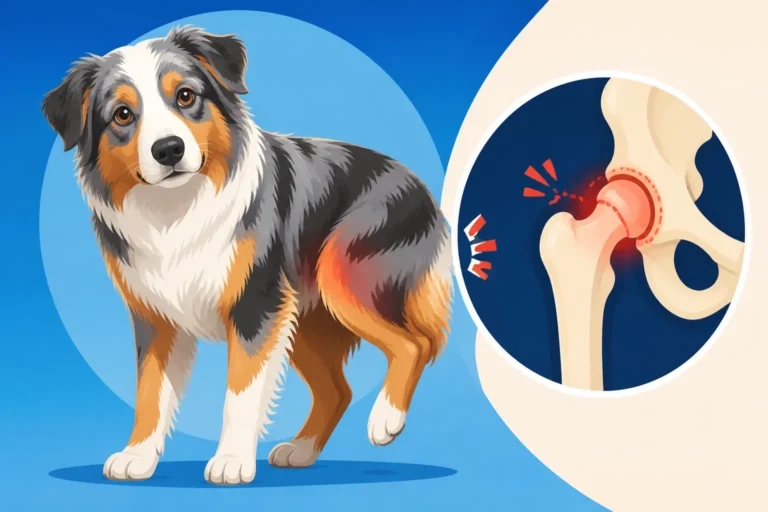
As your Australian Shepherd ages, their body will naturally start to show wear and tear, and these changes often become more pronounced in their final months. One of the most common issues you might notice is a significant decrease in mobility. What once was an enthusiastic run might now be a slow, stiff walk, or perhaps they struggle to get up after lying down. You might observe them favoring certain limbs or hesitating before jumping onto furniture or into the car, movements they once performed with ease. This can often be attributed to conditions like Australian Shepherd Arthritis After Years of Work, which can cause chronic pain. They might also begin to lose muscle mass, especially over their hindquarters, making their frame appear more angular and bony, even if their appetite remains somewhat stable.
Beyond mobility, changes in appetite and thirst are critical indicators. While some older Aussies might develop a ravenous appetite due to certain medical conditions, many will experience a noticeable decrease in their desire for food, or they might become pickier, turning their nose up at meals they once adored. Conversely, an increase in thirst could signal kidney issues or other underlying health problems. Monitoring their bathroom habits closely is also important; more frequent urination, accidents indoors, or changes in stool consistency can all be signs that their internal systems are struggling. A sudden or persistent cough, difficulty breathing, or changes in their coat quality – perhaps it becomes duller, thinner, or they stop grooming themselves as meticulously – are further physical markers that should prompt a conversation with your veterinarian.
Behavioral Shifts and Cognitive Decline
The mind of an Australian Shepherd is often as active and sharp as their body is agile, making cognitive decline particularly noticeable and distressing for their human companions. In their last months, you might observe your Aussie displaying signs of Canine Cognitive Dysfunction (CCD), sometimes referred to as "doggy Alzheimer's." They might seem disoriented in familiar surroundings, getting "stuck" in corners or struggling to navigate rooms they've known their whole life. Their sleep-wake cycle can become erratic, leading to restlessness and pacing at night, and excessive sleeping during the day. This shift can be incredibly disruptive not only for your Aussie but for your household as well, as you try to cope with their altered routine.
Beyond disorientation, their once-unwavering bond and responsiveness might wane. They may stop seeking interaction as much as they used to, or they might seem less interested in their favorite toys or games. Some Aussies might become more irritable or anxious, barking at things that never bothered them before, or showing signs of confusion when approached. You might find your Aussie "zoning out" or experiencing An Aussie That Stops Reading the Room, staring blankly at walls, or failing to respond to their name or commands. These behavioral changes are not naughtiness or defiance; they are often a direct result of neurological changes. Understanding this can help you approach these moments with patience and empathy, realizing that your dog is struggling, not misbehaving.
Managing Pain and Discomfort
Ensuring your Australian Shepherd is as comfortable as possible is paramount during their final months. Older Aussies can suffer from a variety of chronic pains that significantly impact their quality of life. Joint pain, often from arthritis, is incredibly common, making movement difficult and painful. Beyond the visible limp or stiffness, pain can manifest in more subtle ways, such as reluctance to be touched in certain areas, panting excessively when at rest, or a change in their usual resting posture. They might shift positions frequently, trying to find comfort, or appear agitated and unable to settle.
It’s easy to feel helpless when your dog is in pain, but there are many strategies for pain management that can significantly improve their comfort. Your veterinarian can prescribe non-steroidal anti-inflammatory drugs (NSAIDs), gabapentin, or other medications to manage chronic pain. Physical therapies, acupuncture, laser therapy, and even specialized massages can also provide relief. Don't be afraid to be an advocate for your Aussie; if you suspect they are in pain, discuss it openly and repeatedly with your vet. Many pet insurance providers, including Healthy Paws, offer plans that can help alleviate the financial strain of extensive senior care, including diagnostics and treatments in those final months. Having coverage can allow you to explore more options for their comfort without constantly worrying about the bill. Keeping a detailed log of their discomfort levels, their good days versus bad days, and how they react to different treatments can be incredibly useful for your vet in tailoring the best possible pain management plan.
Providing Comfort and Care in the Final Stage
As your Australian Shepherd nears the end of their life, their needs shift dramatically. Your role transitions from an active companion to a gentle caregiver, focusing intently on their comfort, dignity, and overall quality of life. This means making deliberate adjustments to their environment, diet, and daily routine to accommodate their declining health and ensure their remaining time is filled with peace and love.
Adjusting the Home Environment
The familiar comforts of home become even more critical for a senior Australian Shepherd in their final months. Their reduced mobility means that obstacles that were once trivial can now be insurmountable or even dangerous. Consider setting up a designated "senior zone" with easy access to water, food, and a comfortable, orthopedic bed. These beds provide crucial support for aching joints and bones, making it easier for them to rest without exacerbating pain from conditions like Australian Shepherd Hip Dysplasia and Working Joints. You might need to add non-slip rugs on slick floors to help them gain traction and prevent falls. Ramps can be invaluable for helping them navigate stairs or get onto furniture, reducing the strain on their weakened limbs. For an old Australian Shepherd losing its sight, keeping furniture in consistent locations and minimizing clutter can help them navigate more confidently.
Furthermore, ensure that their toileting areas are easily accessible. If your Aussie has trouble holding their bladder or bowel movements, or if moving is painful, consider using puppy pads indoors or providing more frequent, shorter trips outside. Make sure the path to the door is clear and easy to traverse. If your Aussie is dealing with Hearing Loss in an Aging Australian Shepherd, be mindful of approaching them from the front to avoid startling them. Gentle vocal cues and hand signals, even if they're not fully processing them, can still offer comfort and a sense of routine. The goal is to create a safe, calm, and predictable environment that minimizes stress and maximizes their physical ease.
Nutritional Support and Hydration
As an Australian Shepherd ages, their nutritional needs can change considerably, and this becomes even more pronounced in their final months. Their metabolism might slow down, or conversely, certain conditions might increase their caloric needs. Many senior Aussies experience a decrease in appetite, making every meal an opportunity to provide maximum nutrition and enjoyment. Consider feeding smaller, more frequent meals throughout the day instead of one or two large ones. Warm up their food slightly to enhance its aroma and palatability, or add a little low-sodium chicken broth. If they are very finicky, your vet might recommend specific high-calorie, highly palatable prescription diets or supplements. Some older Aussies may find Feeding an Aussie Once the Work Stops requires different considerations, potentially needing a diet with fewer calories but still packed with essential nutrients to support their aging body.
Hydration is just as vital, if not more so, especially if your Aussie has kidney issues or is prone to dehydration. Always ensure fresh water is readily available in multiple locations, particularly near their resting spots. You might need to encourage them to drink more by offering water from a ceramic bowl (some dogs dislike plastic), adding a splash of broth to their water, or offering ice chips as a treat. If they are struggling to drink on their own, a pet water fountain might entice them. If fluid intake becomes a serious concern, your vet might suggest subcutaneous fluids at home, a simple procedure that can make a huge difference in their comfort and well-being. Regular monitoring of their body condition, possibly using a scale if they tolerate it, and discussing any changes with your veterinarian, who might suggest Bloodwork Worth Running on a Senior Aussie, will help ensure they receive appropriate support.
Maintaining Quality of Life
The concept of "quality of life" is subjective but crucial when caring for a senior Australian Shepherd in their final months. It's about finding joy and comfort in the small things, even when the big things are difficult. While their physical capabilities may diminish, their emotional needs remain strong. Continue to offer gentle affection, soft petting, and quiet companionship. Even if they can't go on long hikes, short, slow walks in a quiet, familiar area can still provide mental stimulation and a change of scenery. Think about what your Aussie still enjoys and try to facilitate those experiences within their limitations. Perhaps it’s a favorite chew toy they can still gum, a sunbeam to nap in, or simply being near you.
Regular, gentle grooming is also important. Even if your Aussie can no longer groom themselves effectively, brushing them gently can prevent mats, stimulate their skin, and provide a comforting interaction. For an Aussie with Australian Shepherd Arthritis After Years of Work, even the lightest touch during grooming can be soothing. This also allows you to check for any new lumps, bumps, or skin irritations. Remember that their world is shrinking, and you are their primary source of comfort and stimulation. While it’s hard to imagine, even a severely debilitated Aussie can still have good days, moments of joy, and a sense of belonging. The key is to truly focus on those moments, to live in the present with them, and to give them as much love and dignity as possible during this tender time.
| Sign of Decline | What You Might Observe | Comfort Measure/Action |
|---|---|---|
| Mobility Issues | Stiffness, difficulty rising, falling, hesitating with stairs/jumps | Orthopedic bed, ramps, non-slip rugs, physical therapy, pain medication |
| Appetite Changes | Eating less, picky eating, sudden weight loss, excessive hunger/thirst | Smaller frequent meals, warm food, bland diet, vet consultation for underlying issues |
| Cognitive Decline | Disorientation, staring, pacing at night, anxiety, reduced interaction | Consistent routine, familiar environment, quiet space, gentle interaction, vet for CCD medication |
| Incontinence | Accidents indoors, straining to urinate/defecate | Puppy pads, frequent potty breaks, easy access to outdoors, vet check for UTIs |
| Pain/Discomfort | Panting, restlessness, reluctant to be touched, lameness, changes in posture | Vet-prescribed pain relief, massage, joint supplements, warm compresses |
| Lethargy/Weakness | Excessive sleeping, lack of interest in activities, easy tiring | Minimize strenuous activity, prioritize rest, gentle petting, ensure easy access to necessities |
Making Difficult Decisions
One of the hardest parts of being an Australian Shepherd parent is knowing when it's time to make the ultimate, selfless decision for their comfort. This isn't a conversation any of us want to have, but it's a responsibility we accept when we bring these incredible dogs into our lives. There's no right or wrong answer, and the timing is profoundly personal, but understanding the factors involved can help you navigate this agonizing choice.
When to Consider Euthanasia
The decision to euthanize is rarely clear-cut, and it’s often clouded by our deep love and the hope for "just one more good day." However, focusing on your Australian Shepherd's consistent quality of life is key. When your Aussie's bad days consistently outnumber their good days, and their discomfort or suffering can no longer be effectively managed, it’s a strong indicator that their quality of life has severely diminished. Ask yourself honest questions: Can they still enjoy their favorite activities, even in a modified way? Are they able to eat and drink comfortably? Can they relieve themselves without distress? Are they still able to connect with you, even if it's just a gentle glance or a soft lean? If the answer to most of these questions is consistently "no," then their suffering is likely outweighing their joy.
Your veterinarian is an invaluable partner in this process. They can provide an objective assessment of your Aussie's condition, discuss prognosis, and help you understand the extent of their pain and discomfort. They might use a quality of life scale or help you keep a journal of your Aussie's daily experiences to track patterns. This isn't about giving up; it's about preventing prolonged suffering and offering a peaceful, dignified end. The thought of Deciding for an Australian Shepherd at Fourteen or even younger can be devastating, but it is ultimately an act of profound love and compassion. While financial concerns can add another layer of stress, remember that responsible pet insurance, like Healthy Paws, can often cover end-of-life care, allowing you to prioritize your pet's comfort over the cost of treatments in their final moments.
The Euthanasia Process
Once the incredibly difficult decision has been made, understanding the euthanasia process can help alleviate some anxiety and allow you to focus on your Australian Shepherd. Most veterinarians strive to make this experience as peaceful and comfortable as possible for both pet and owner. You'll typically have the option to be present with your Aussie, which many people find to be a crucial part of saying goodbye.
The process usually involves two steps. First, your vet will administer a sedative, often via injection, to help your Aussie relax and fall into a deep, peaceful sleep. This minimizes any anxiety or discomfort they might feel. During this time, you can hold them, stroke their fur, and tell them how much you love them. Once they are deeply sedated, the veterinarian will administer a second injection, typically an overdose of an anesthetic, into a vein. This medication quickly and painlessly stops the heart and brain function. It’s a very quick process, and your Aussie will not feel any pain. Their eyes may remain open, and there might be a few small, involuntary muscle twitches or a final breath, which are natural reflexes and not signs of consciousness or distress. Many vets offer options for Australian Shepherd Euthanasia and Aftercare, including in-home euthanasia, which can be less stressful for your dog as they remain in their familiar surroundings. This thoughtful approach ensures your last moments together are as serene as possible.
Honoring Your Aussie's Memory
The physical absence of your Australian Shepherd leaves an enormous void, but their spirit and the memories you shared will forever live on. Honoring their memory can be a vital part of the healing process. Many people choose to create a tangible memorial, such as burying them in a special spot in the garden, choosing cremation and keeping their ashes in an urn, or scattering them in a meaningful place. Paw prints or nose prints, created by your vet or a specialized service, can be a beautiful keepsake.
Beyond physical memorials, find ways to keep their memory alive in your daily life. This could be creating a photo album, planting a tree in their honor, or donating to an animal rescue or charity in their name. Sharing stories about your Aussie with friends and family, even if it brings tears, can be incredibly cathartic. Remember the joy, the loyalty, and the unconditional love they brought into your life. Allow yourself to grieve fully and know that the bond you shared is eternal.
Coping with Grief and Loss
The loss of an Australian Shepherd is not "just a pet"; it’s the loss of a family member, a constant companion, and a source of immeasurable joy. The grief you experience can be profound, surprising in its intensity, and can feel isolating. It’s important to acknowledge that your feelings are valid and to give yourself permission to grieve in your own way and on your own timeline.
Allowing Yourself to Grieve
Grief is a complex, unpredictable journey, and there’s no right or wrong way to experience it. You might feel overwhelming sadness, anger, guilt, or even numbness. These emotions can come in waves, catching you off guard long after your Australian Shepherd is gone. It's common to feel a deep sense of guilt, wondering if you did enough, if you made the right decision, or if you could have done something differently. Please understand that these feelings are a normal part of the grieving process. Your Australian Shepherd loved you unconditionally, and they would not want you to carry that burden of guilt.
Allow yourself to cry, to express your sadness, and to acknowledge the depth of your loss. Don't let anyone diminish your grief by suggesting "it was just a dog." Your bond was unique and powerful. Create space for your grief – whether that’s looking through old photos, visiting their favorite spot, or simply sitting in quiet reflection. This time of mourning is crucial for processing your emotions and eventually finding a path towards healing.
Finding Support and Community
One of the most challenging aspects of losing a beloved pet is the feeling of isolation. Not everyone understands the depth of the human-animal bond, and you might encounter well-meaning but unhelpful comments. Seeking support from those who truly understand can make a world of difference. Reach out to friends or family members who have experienced pet loss themselves or who genuinely appreciate the significance of your relationship with your Aussie.
There are also numerous pet bereavement support groups, both online and in person, where you can share your feelings in a safe, judgment-free environment. Websites like The Association for Pet Loss and Bereavement or local humane societies often provide resources and counseling services. Connecting with others who share similar experiences can help you feel less alone and validate your emotions. Remember, you don't have to carry this burden by yourself. Talking through your memories, your pain, and your love for your Australian Shepherd can be incredibly healing.
Memorializing Your Beloved Companion
Creating lasting tributes to your Australian Shepherd can be a beautiful way to honor their memory and help you cope with their absence. While you may have already chosen a physical memorial like an urn or burial site, consider other ways to integrate their memory into your life. Planting a special garden with flowers in their favorite colors, or even a tree, can serve as a living memorial that changes and grows over time. A personalized stone in your yard or a special ornament for your Christmas tree can bring comfort during difficult times.
Digital memorials are also increasingly popular. Creating an online tribute page, compiling a digital photo album, or even commissioning a custom portrait of your Aussie can keep their image and story alive. Some people find solace in volunteering at an animal shelter or fostering another dog in need, channeling their grief into helping other animals. This isn't about replacing your lost companion, but about continuing their legacy of love and compassion. No matter how you choose to remember them, the love you shared with your Australian Shepherd will always be a part of you.
Disclaimer
The information provided in this article is intended for general informational purposes only, and does not constitute veterinary advice. Always consult with a qualified veterinarian for any health concerns or before making any decisions regarding your Australian Shepherd's care, especially concerning end-of-life considerations.