Whether an Australian Shepherd Needs a Gastropexy
The sudden, terrifying reality of bloat, or Gastric Dilatation-Volvulus (GDV), is a nightmare scenario for any dog parent, and particularly for those of us with deep-chested breeds like the Australian Shepherd. It's a condition that strikes fast, demanding immediate emergency veterinary attention, and often leaves owners feeling helpless and anxious. This guide aims to demystify gastropexy, a surgical procedure often discussed as a preventive measure, and help you understand if it's a necessary step for safeguarding your beloved Australian Shepherd.
Understanding Gastric Dilatation-Volvulus and Gastropexy
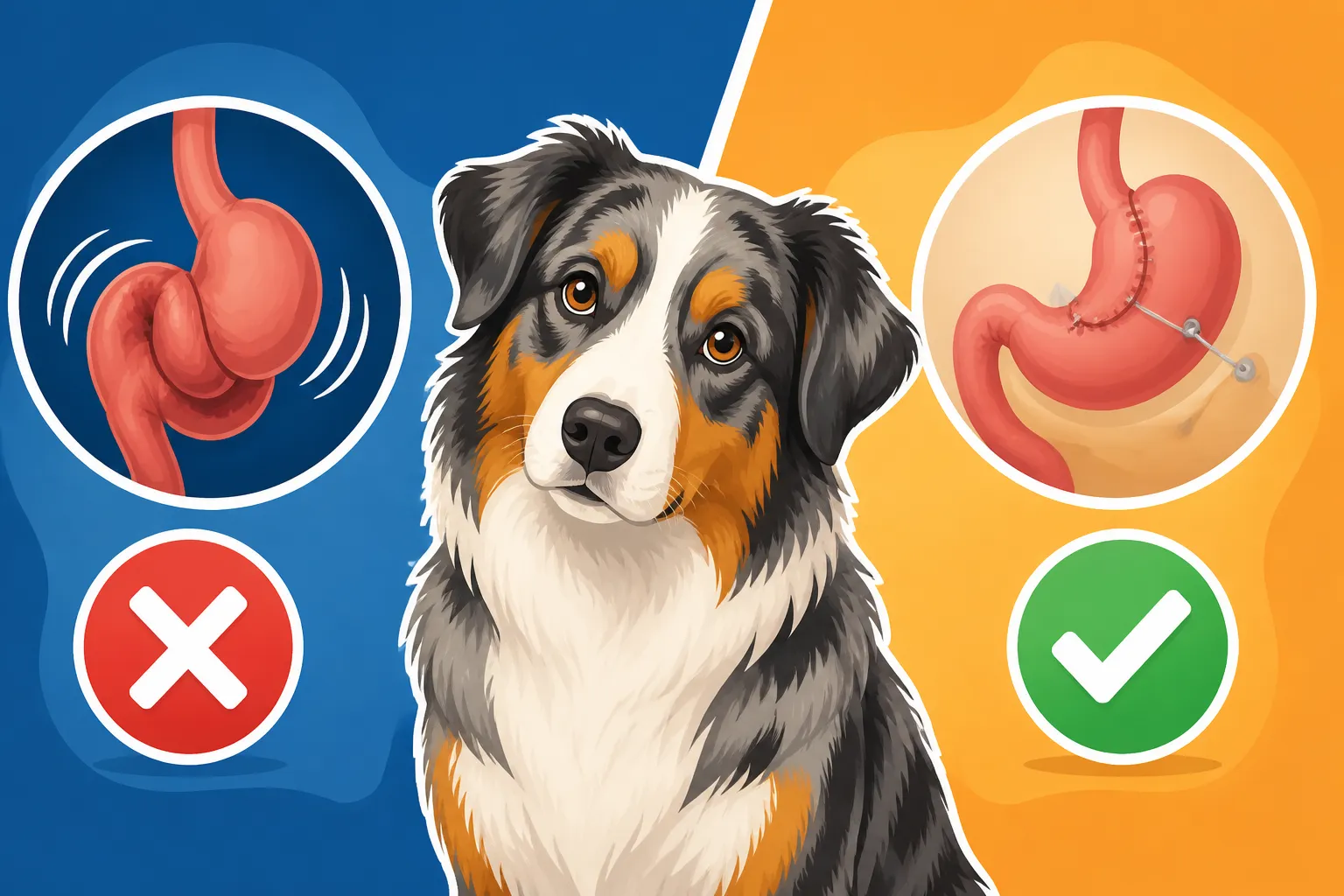
Let's be frank: bloat is absolutely terrifying. One minute your Aussie is fine, and the next they could be fighting for their life. It's not just an upset stomach; it's a rapid, life-threatening condition where the stomach fills with gas, food, or fluid (dilation) and then twists upon itself (volvulus). This twist cuts off blood supply, trapping the gas and quickly sending your dog into shock. It’s excruciating and a race against time, with survival rates dropping dramatically the longer treatment is delayed.
What Gastric Dilatation-Volvulus (GDV) Entails
Imagine your Aussie, let's call her Sadie, after a playful afternoon. She comes inside, drinks a lot of water, maybe gulps down her dinner quickly, and then perhaps rolls around. A few hours later, you notice her pacing restlessly, trying to vomit but producing nothing, her belly hard and distended. This is classic GDV. The stomach, typically anchored in a certain position, distends with gas, becoming a huge, buoyant balloon. When it twists, it essentially "kinks" the esophagus and the exit to the intestines, preventing anything from passing through. Worse, it often traps the spleen and major blood vessels, leading to organ damage and a rapid decline into shock. The pain is immense, and without immediate surgery to untwist the stomach and relieve the pressure, it's almost always fatal. It's why recognizing the Bloat Warning Signs in an Australian Shepherd is so critical.
The Surgical Procedure for Gastropexy
Gastropexy is a surgical procedure designed to prevent the volvulus (twisting) part of GDV by permanently attaching the stomach to the abdominal wall. It doesn't prevent the stomach from dilating with gas, but it stops it from rotating, which is the truly life-threatening aspect. Think of it like securing a loose flag to its pole – the flag might still flap in the wind, but it won't twist around and get stuck.
There are a few ways a gastropexy can be performed:
- Open Gastropexy: This is the traditional method, requiring a larger incision in the abdomen. The surgeon directly visualizes the stomach and stitches a section of its outer wall to the inside of the abdominal wall. This is often done when an Aussie is already experiencing GDV and requires emergency surgery to untwist the stomach. While they're in there, performing the pexy is a logical next step to prevent recurrence.
- Laparoscopic Gastropexy: This less invasive technique uses a camera and specialized instruments inserted through small incisions. It's a prophylactic (preventive) measure, meaning it's done before bloat occurs. Many vets prefer this method for younger, healthy dogs as it results in less pain, smaller scars, and a faster recovery.
- Laparoscopic-Assisted Gastropexy: A hybrid approach where small laparoscopic incisions are made, but a slightly larger incision (often only 2-3 inches) is then used to bring a section of the stomach wall to the outside of the abdomen, where it's sewn to the muscle wall. This combines some benefits of minimally invasive surgery with the robust attachment of an open procedure.
Regardless of the method, the goal is the same: create a permanent adhesion between the stomach and the body wall. This significantly reduces the risk of future gastric torsion, allowing gas to escape more easily and buying critical time if the stomach does dilate. It's a proactive step many owners consider, especially given the breed's known predisposition.
Why Australian Shepherds Face Bloat Risk
It's heartbreaking to think our energetic, loving Aussies could be susceptible to something so devastating, but understanding their specific risks can empower us to make informed decisions. Australian Shepherds, like many larger, deep-chested breeds, carry a higher statistical risk for GDV. This isn't just bad luck; it's tied to their physical conformation and, potentially, their eating habits and general temperament.
Deep Chest Conformation and Other Risk Factors
The primary anatomical reason Australian Shepherds are prone to bloat is their characteristic deep, narrow chest. Visualize it: a chest that's much deeper from backbone to sternum than it is wide. This creates more empty space in the abdomen for the stomach to literally swing and twist if it becomes distended. It's why you often hear the phrase "Why an Aussie's Deep Chest Raises Bloat Risk."
Beyond conformation, other factors contribute to an Aussie's risk:
- Eating Habits: Fast eaters, those who gulp down their food quickly, tend to ingest more air along with their meal, which can contribute to stomach distention. If your Aussie inhales their dinner in seconds, that's a red flag.
- One Large Meal a Day: Feeding a single, large meal rather than smaller, more frequent meals can put more strain on the digestive system and increase the volume of food and gas in the stomach at any one time.
- Exercise Around Meals: High-energy activity directly before or after eating or drinking a large amount of water is thought to increase risk. While the exact mechanism isn't fully understood, the jostling and internal movement could contribute to a stomach twist.
- Stress and Anxiety: Anecdotal evidence suggests that highly stressed or anxious dogs might be more prone to bloat, though the scientific link is still being explored. Aussies, with their sensitive and sometimes anxious dispositions, could potentially fall into this category.
- Genetics: While not a single "bloat gene," a family history of GDV can increase an individual dog's risk. If an Aussie's parents or siblings have experienced bloat, their own risk goes up.
- Age: The risk of GDV generally increases with age, with most cases occurring in middle-aged to senior dogs, though it can strike at any age.
It's a combination of these factors that unfortunately places our beloved Aussies in a higher-risk group compared to, say, a short-bodied, compact bulldog.
Recognizing Bloat Warning Signs in an Australian Shepherd
Given the speed and severity of bloat, recognizing the early warning signs is paramount. This isn't a situation where you "wait and see"; it's an immediate emergency that warrants a trip to the veterinary emergency room. As an Aussie parent, you need to be hyper-aware, especially in the hours following meals or intense exercise.
Here are the critical signs to watch for:
- Restlessness and Pacing: Your normally calm Aussie might be unable to settle, constantly moving, or shifting positions uncomfortably.
- Distended Abdomen: The most iconic sign. Their belly will look swollen, tight, and drum-like when tapped, especially on the left side.
- Unproductive Retching/Vomiting: This is key. Your dog will try repeatedly to vomit, straining forcefully, but nothing comes up, or only a small amount of foamy saliva appears. They're trying to relieve the pressure, but can't.
- Drooling: Excessive drooling can occur due to nausea and discomfort.
- Pain: Your Aussie might whine, groan, look at their flank, or become unusually defensive if you try to touch their belly.
- Rapid, Shallow Breathing: As the distended stomach presses on the diaphragm, breathing becomes difficult.
- Weakness and Collapse: In advanced stages, your dog will show signs of shock: pale gums, rapid heart rate, weakness, and eventually collapse. This is a very grave sign.
If you observe any of these symptoms, particularly unproductive retching and a distended abdomen, do not hesitate. Get your Australian Shepherd to the nearest emergency veterinary clinic immediately. Every minute counts in cases of GDV. Waiting even an hour can drastically impact the outcome and increase the already considerable Australian Shepherd Emergency Vet Visit costs.
Deciding if Gastropexy is Right for Your Australian Shepherd
The decision to pursue a prophylactic gastropexy for your Aussie is a significant one, filled with emotional weight and practical considerations. It's not a choice to be made lightly or in isolation, but rather in careful consultation with your trusted veterinarian, weighing the risks against the peace of mind it can offer.
Discussing Risks and Benefits with Your Vet
Your veterinarian is your best resource when considering a gastropexy. They can assess your individual Australian Shepherd's risk profile, considering factors like their age, overall health, specific conformation, and any family history of bloat. This isn't a "one size fits all" decision, and a good vet will help you navigate the nuances.
Benefits of Prophylactic Gastropexy:
- Significantly Reduced GDV Mortality: This is the big one. While a gastropexy doesn't prevent bloat entirely (the stomach can still fill with gas), it drastically reduces the likelihood of the life-threatening twist. If dilatation occurs, the stomach can usually be decompressed without emergency surgery, buying crucial time to get to the vet.
- Peace of Mind: For many owners, the anxiety surrounding bloat is immense. Knowing you've taken a significant preventive step can greatly reduce this stress.
- Cost Savings in the Long Run: Emergency GDV surgery is incredibly expensive, often ranging from $2,000 to $7,000 or even more, depending on complications and location. A prophylactic gastropexy, while an investment, is generally less costly and planned, avoiding the emotional and financial strain of an emergency. Pet insurance providers like Healthy Paws are excellent for covering unexpected costs, but proactive measures can sometimes make a difference in your claims experience.
Risks and Considerations:
- Surgical Risks: Any surgery carries inherent risks, including complications from anesthesia, infection at the surgical site, pain, and very rarely, injury to surrounding organs. However, modern veterinary anesthesia and surgical techniques have made these procedures very safe, especially in healthy, young dogs.
- Recovery Period: While minimally invasive gastropexies have quicker recovery times, there's still a period of restricted activity and wound care required, typically a couple of weeks.
- Cost: Prophylactic gastropexy can range from $400 to $1,500 or more, depending on the veterinary clinic, the surgical method (open vs. laparoscopic), and your geographic location. This is certainly an investment, but when you consider the potential for Aussie Vet Bills Between $15,000 and $40,000 over a lifetime, especially if dealing with multiple emergency situations, it often makes financial sense.
Gastropexy for Working Aussies vs. Companion Dogs
The lifestyle of your Australian Shepherd can also play a role in the gastropexy decision. A high-energy working Aussie, whether they're on a ranch, competing in agility, or hiking miles with you daily, might face different considerations than a companion Aussie living a more sedate life.
- High-Energy Working Aussies: Dogs that are frequently engaged in intense physical activity, especially those that may gulp water during breaks or eat quickly after a session, could theoretically be at a slightly elevated risk due. Their demanding routines might make quick vet access in an emergency more challenging if they're out on a remote trail or working livestock. For these dogs, the peace of mind a gastropexy offers can be even more compelling, allowing them to continue their active lives with one less major health concern weighing on your mind. You're already doing so much to protect their joints and overall well-being; this could be another layer of care.
- Companion Aussies: Even Aussies who primarily enjoy walks in the park and couch cuddles are not immune to bloat due to their breed-specific conformation. While their risk might be marginally lower than a high-octane working dog if other risk factors are controlled, the underlying anatomical predisposition remains. For these dogs, the decision often comes down to the owner's anxiety level, the dog's individual eating habits, and the financial implications. The goal is always to keep our furry family members with us for their full Australian Shepherd Lifespan Across Twelve to Fifteen Years.
Ultimately, the choice depends on a thorough discussion with your vet, taking into account all variables and your personal comfort level with the risks and benefits.
Considering the Cost and Insurance Coverage
Let's face it, veterinary care can be expensive, and a planned surgery like a gastropexy is an investment. The cost of a prophylactic gastropexy varies widely, typically ranging from a few hundred dollars for an open procedure done concurrently with another surgery (like spaying/neutering) to over a thousand dollars for a stand-alone laparoscopic procedure at a specialist clinic.
Here's a breakdown of what to consider:
- Combined Procedures: Many owners opt to have a gastropexy performed at the same time as spaying or neutering. This makes sense from a financial and recovery standpoint, as the dog is already under anesthesia, and the recovery period for both procedures can overlap. This can significantly reduce the overall cost compared to two separate surgeries.
- Laparoscopic vs. Open: Laparoscopic procedures are often more expensive upfront due to specialized equipment and training, but the quicker recovery and reduced pain can be invaluable.
- Geographic Location and Clinic Type: Veterinary costs can differ significantly between urban and rural areas, and specialty clinics often charge more than general practices.
- Pet Insurance: This is where pet insurance can be a true lifesaver for conditions like bloat, whether preventive or emergency. Many comprehensive pet insurance policies, such as those from Healthy Paws, will cover prophylactic gastropexy if it's deemed medically necessary by a vet to prevent a life-threatening condition. However, always check your specific policy details before scheduling, paying close attention to waiting periods and any specific exclusions. It’s also crucial to remember that for many serious health issues, Australian Shepherd Insurance at $35 to $55 a Month can make the difference between accepting or declining a life-saving procedure. A pet insurance policy can turn potentially devastating bills into manageable co-pays.
When budgeting for your Aussie's health, this procedure is one of those potential "The Aussie Cost Owners Never See Coming" items that it's good to be aware of and plan for. It's often viewed as a worthwhile investment in a long, healthy life for your cherished companion.
What to Expect with a Gastropexy Procedure
Once you've made the decision with your vet, knowing what the process entails can help ease your mind and prepare you for your Aussie's recovery. From the pre-operative preparations to the post-surgical care, it's a journey focused on ensuring the best possible outcome.
Preparation and Recovery Timeline
The journey to gastropexy actually begins well before the surgery itself. Your vet will conduct a thorough physical exam and likely recommend pre-anesthetic blood work to ensure your Australian Shepherd is healthy enough for the procedure. This is a standard part of responsible The Health Tests Every Australian Shepherd Parent Needs and minimizes anesthesia risks. You’ll receive instructions about fasting your dog before surgery (usually no food after midnight the night before, and restricted water access in the morning).
On the Day of Surgery:
- You'll drop your Aussie off at the clinic, often in the morning.
- The veterinary team will administer pre-anesthetic sedatives and pain medication to help your dog relax and ensure a smooth induction of anesthesia.
- The surgery will be performed, which typically takes anywhere from 45 minutes to 2 hours, depending on the method (laparoscopic vs. open) and if it's combined with another procedure like spaying.
- After the surgery, your Aussie will be closely monitored in recovery as they wake up from anesthesia, with continued pain management and observation for any immediate complications.
- Many dogs can go home the same day or the following morning, especially after a laparoscopic procedure.
The Recovery Timeline:
- Immediate Post-Op (Days 1-3): Your Aussie will likely be sleepy, a bit sore, and might have a reduced appetite. Continue pain medication as prescribed. Rest is paramount; discourage jumping, running, or strenuous activity. Monitor the incision site for redness, swelling, or discharge.
- First Two Weeks: This is the critical period for healing. Keep your Aussie on strict leash walks only, no off-leash running, jumping, or rough play. Prevent them from licking or chewing the incision site with an E-collar (cone of shame). Continue with medication as directed. Stitches or staples are usually removed around 10-14 days post-op.
- Weeks 3-6: Gradual return to normal activity. Your vet will advise when it's safe to increase exercise levels. The internal scar tissue needs time to strengthen and fully anchor the stomach.
- Beyond Six Weeks: Most Aussies are fully recovered and can resume their normal activities. The gastropexy is considered permanent after this initial healing period.
Remember, consistent pain management and careful restriction of activity during recovery are key to a successful outcome.
Potential Complications and Post-Operative Care
While gastropexy is generally a safe and effective procedure, like any surgery, it's not without potential complications. Being aware of these and understanding proper post-operative care can help ensure your Australian Shepherd heals well and thrives.
Potential Complications:
- Anesthesia Risks: Though rare, reactions to anesthesia can occur. This is why pre-operative blood work and careful monitoring are so important.
- Infection: Any incision site can become infected. This is why keeping the incision clean, dry, and preventing licking is vital. If you notice excessive redness, swelling, pus, or a foul odor, contact your vet immediately.
- Seroma/Hematoma: Fluid (seroma) or blood (hematoma) can accumulate under the skin at the incision site. Small ones often resolve on their own, but larger ones might need veterinary attention.
- Suture Dehiscence: This is when the surgical incision opens up, either externally or internally. It's rare but serious. Strict activity restriction helps prevent this.
- Incomplete Adhesion: In very rare cases, the stomach may not form a strong enough adhesion to the abdominal wall, meaning the pexy could fail. This is why careful surgical technique and proper post-op rest are crucial.
- Bloat (Dilatation only): Even with a gastropexy, an Aussie can still experience gastric dilatation (the stomach filling with gas). The critical difference is that the stomach cannot twist. This means it's still uncomfortable and requires vet attention, but it's not the immediate, life-threatening emergency of GDV. If you see signs of bloat after gastropexy, you should still contact your vet.
Post-Operative Care Essentials:
- Medication: Administer all prescribed pain relief and antibiotics exactly as directed by your vet. Do not stop early, even if your Aussie seems to be feeling better.
- E-collar (Cone): Absolutely essential. Your dog must wear the E-collar to prevent them from licking or chewing at the incision. Even a quick lick can introduce bacteria and lead to infection or cause stitches to come out.
- Activity Restriction: This cannot be stressed enough. No running, jumping, stairs, rough play, or off-leash activity for the duration your vet specifies (typically 2-4 weeks). Short, controlled leash walks for potty breaks only.
- Incision Monitoring: Check the incision daily for signs of infection (redness, swelling, discharge), bruising, or opening. Contact your vet if you have any concerns.
- Diet: Follow your vet's recommendations for post-operative feeding. Often, a bland diet or smaller, more frequent meals are advised initially.
- Follow-Up Appointments: Attend all scheduled recheck appointments so your vet can monitor healing and remove stitches/staples.
By diligently following your veterinarian's instructions, you'll give your Australian Shepherd the best chance for a smooth and complete recovery, allowing them to enjoy many more healthy, bloat-free years by your side.
Disclaimer
The information provided in this article is for general informational purposes only and is not a substitute for professional veterinary advice. Always consult with a qualified veterinarian for any health concerns or before making any decisions about your pet's medical care.