Whether a Merle Aussie Sunburns More Easily
It’s a truly disheartening moment when you notice your beloved Australian Shepherd, especially one with that gorgeous merle coat, looking a bit red and uncomfortable after a day outside. Many of us worry if those beautiful lighter-pigmented areas are more susceptible to the sun’s harsh rays, and the truth is, you're absolutely right to be concerned. This guide will walk you through why merle Aussies can be more prone to sunburn and provide practical, empathetic advice on how to protect them and what to do if they get a little too much sun.
Understanding the Merle Gene and Skin Sensitivity
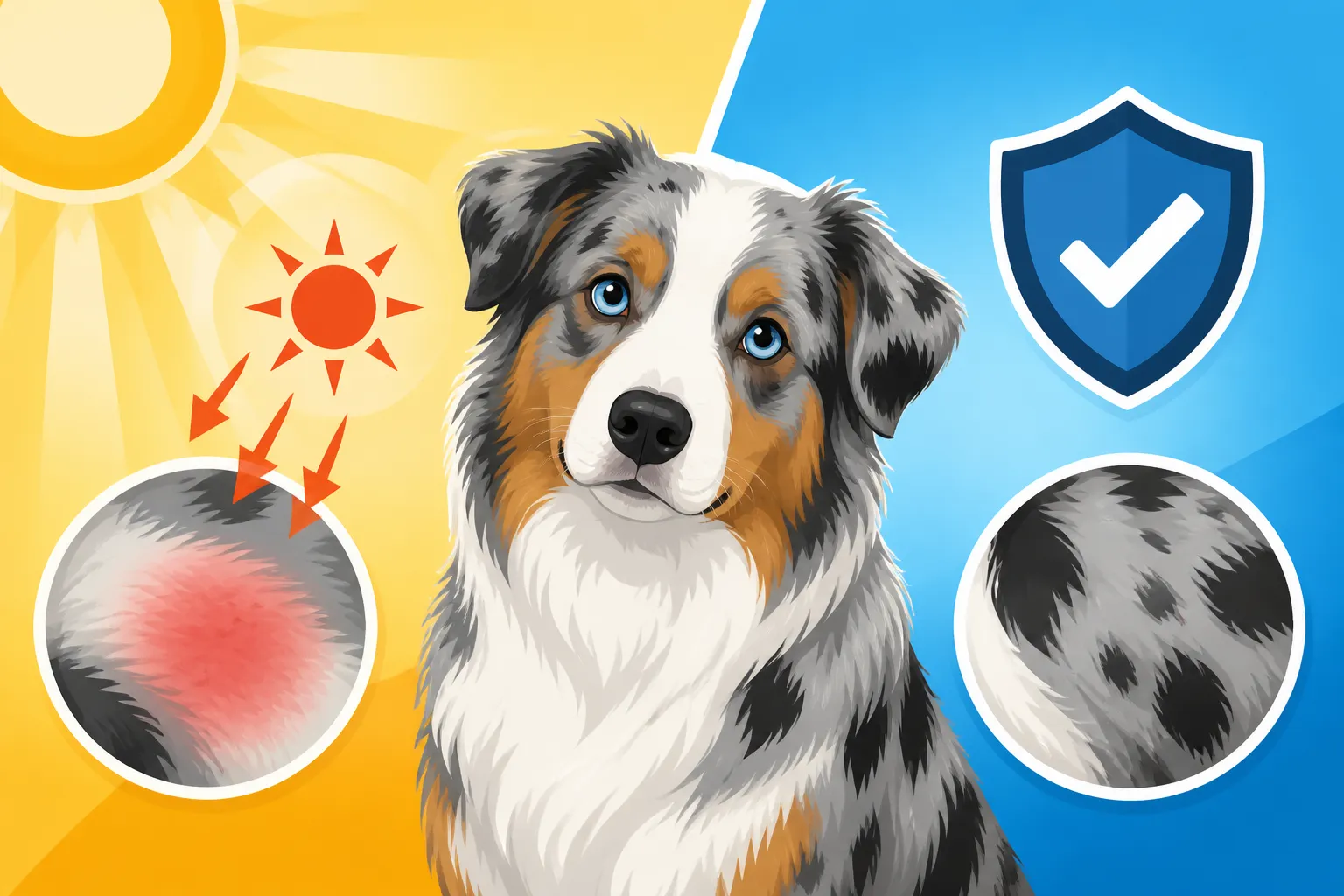
The merle gene is responsible for those stunning, mottled patches of color we see in many Australian Shepherds. It creates the beautiful blue, red, or chocolate patterns that make our Aussies so distinctive. However, the merle gene doesn't just affect hair pigment; it can also impact skin pigmentation, often leading to areas of pink or unpigmented skin, particularly on the nose, around the eyes, and on the ears. This lack of pigment is what makes these areas more vulnerable to sunburn, much like fair skin in humans.
When an Aussie has unpigmented skin, it means there's less melanin, the natural pigment that acts as a protective barrier against ultraviolet (UV) radiation from the sun. Think of it like a human with very fair skin; without melanin, the skin is far more exposed and susceptible to burning. This isn't just a cosmetic issue; repeated sunburns can lead to serious health problems down the line, including skin cancer. It’s a reality we, as Aussie parents, need to be acutely aware of, especially for our merle-coated companions.
While all dogs can get sunburned, those with lighter coats, thin hair, or unpigmented skin patches are at a significantly higher risk. This includes not just merle Aussies, but also breeds like Dalmatians, Boxers, or white Bull Terriers. For Australian Shepherds, these vulnerable areas are frequently seen on their pink noses, the thin skin of their inner ears, eyelids, and sometimes even their bellies if they enjoy sunbathing on their backs. It’s not just the direct sun that’s a problem; reflective surfaces like concrete, sand, or water can amplify UV exposure, increasing the risk even on a cloudy day. Knowing this, we must be proactive in our protective measures to keep their delicate skin safe.
Identifying Sunburn Risks and Symptoms in Your Merle Aussie
Spotting sunburn on a dog can be tricky, especially with their fur, but certain areas are dead giveaways. The unpigmented parts of your merle Aussie are the most obvious places to check. Their pink nose, for instance, might start to look redder than usual, feel warm to the touch, and even be tender. Similarly, the edges of their ears, which often have thinner hair, can show redness, and you might notice them scratching at their ears more frequently. These are common spots where the sun can inflict damage quickly, often before you even realize what’s happening.
Beyond immediate redness, a sunburn can manifest in several ways. Just like in humans, the skin might become dry, flaky, and peel a few days after exposure. In more severe cases, you could see blistering, which is a sign of a second-degree burn and requires immediate veterinary attention. Your Aussie might also act generally uncomfortable, lethargic, or hesitant to be touched in the affected areas. They might lick or chew at the burned spots, which can introduce bacteria and lead to secondary skin infections, complicating the recovery process significantly. These symptoms are clear indicators that your dog has had too much sun and needs care.
It's also important to remember that the long-term effects of repeated sun exposure are a real danger. Chronic sunburn can lead to serious skin conditions, including various forms of skin cancer. Squamous cell carcinoma and hemangiosarcoma are two types of skin cancer that can be exacerbated by UV exposure, especially in areas with sparse hair and light pigmentation. Monitoring any changes in skin texture, color, or the appearance of new lumps or bumps on their sun-exposed areas is crucial for early detection. Regular vet check-ups, especially for older Aussies, are vital for catching these issues early, and having a comprehensive pet insurance plan like one from Healthy Paws can provide financial relief if such serious health concerns arise.
Practical Sun Protection Strategies for Your Australian Shepherd
The best defense against sunburn for your merle Australian Shepherd is prevention. One of the simplest and most effective strategies is to limit their exposure during peak sun hours, typically between 10 AM and 4 PM. If your daily routine involves outdoor activities during these times, try to reschedule them for early morning or late afternoon. For those long summer days, consider starting your walks before the sun gets too intense and saving those longer play sessions for when the sun begins to dip. This shift in schedule alone can significantly reduce their risk.
Providing ample shade is another cornerstone of sun protection. If your Aussie spends time in the yard, ensure there are shaded areas available, whether from natural trees, an awning, or a strategically placed umbrella. Encourage them to rest in these cool spots, and make sure their water bowl is also in the shade to prevent it from getting too hot. For Aussies who love to lounge, consider a raised dog bed with its own canopy. Indoors, if your dog enjoys napping in sunbeams, you might need to close curtains or blinds during the hottest parts of the day to protect them, especially if they have thin hair or pink skin on their belly. Keeping them cool and shaded also helps prevent issues related to overheating, which is another concern for double-coated breeds like Aussies. If you're looking for ways to keep them cool, you might want to explore a good Cooling Kit That Works Under an Aussie Coat.
When it comes to direct sun exposure that can't be avoided, dog-specific sunscreen is your best friend. Human sunscreens often contain ingredients that are toxic to dogs, such as zinc oxide or para-aminobenzoic acid (PABA), so always opt for a product formulated for canines. Look for brands that are fragrance-free, non-greasy, and contain ingredients like titanium dioxide, which creates a physical barrier against UV rays. Apply it generously to their vulnerable areas: the bridge of their nose, ear tips, around their eyes (avoiding direct contact with the eyes), and any thinly haired or pink spots on their belly or groin. Remember to reapply frequently, especially if they've been swimming or getting wet. For specific guidance on nose protection, you can always check out tips on Australian Shepherd Sunscreen on a Pink Nose.
| Ingredient Category | Dog-Safe Examples | Harmful Examples (Avoid!) |
|---|---|---|
| Physical Blockers | Zinc Oxide (if non-nano and non-ingestible), Titanium Dioxide | Zinc Oxide (if nano-particle or readily ingestible) |
| Chemical Filters | Octyl salicylate, Homosalate | Oxybenzone, Avobenzone, Octinoxate, PABA |
| Moisturizers | Aloe Vera (small amounts, consult vet), Shea Butter | Alcohol-based products |
| Other Additives | Vitamin E, Coconut Oil | Fragrances, Artificial Dyes |
Disclaimer: Always consult your veterinarian before applying any new product to your dog, especially if they have sensitive skin or existing conditions. While some zinc oxide can be safe in non-nano forms and if ingestion is prevented, it's generally best to avoid to minimize risk.
Beyond sunscreen, protective clothing can offer an excellent physical barrier. Lightweight, UV-protective dog shirts or rash guards are increasingly available and can be particularly helpful for dogs with extensive pink skin on their bodies or bellies. For the face and ears, some companies make dog hats or visors that can provide shade. While your Aussie might need a little time to get used to wearing these items, the protection they offer against painful burns and long-term damage is well worth the effort. Think of it as investing in their comfort and health, just like you might consider the overall Australian Shepherd Lifespan Across Twelve to Fifteen Years and want to ensure those years are as healthy as possible.
What to Do If Your Merle Aussie Gets Sunburned
Even with the best intentions and preventative measures, sunburn can sometimes happen. If you suspect your merle Aussie has a mild sunburn, the first thing to do is get them out of the sun immediately and bring them into a cool, shaded area. Gently apply cool, damp cloths to the affected skin to help soothe the area and reduce inflammation. You can use a thin, pet-safe aloe vera gel (ensure it’s 100% pure aloe and doesn't contain additives like lidocaine or alcohol, which can be toxic) to moisturize and calm the skin, but always patch test a small area first to ensure there's no adverse reaction. Keeping them hydrated by offering fresh, cool water is also important, as sunburn can contribute to dehydration.
For more severe sunburns, especially if you notice blistering, broken skin, or if your Aussie is showing signs of pain, lethargy, or discomfort, it’s absolutely critical to contact your veterinarian right away. These symptoms can indicate a more serious burn that might require professional medical intervention. Your vet might prescribe pain relief medication, anti-inflammatory drugs, or antibiotics if a secondary infection is present. They can also assess the extent of the burn and rule out other underlying skin conditions that might be mimicking sunburn symptoms. Don't try to self-diagnose or treat severe burns with home remedies; professional guidance is essential to prevent complications.
Long-term management after a sunburn involves vigilance. Continue to protect the affected areas from the sun as they heal. If the skin peels, avoid picking at it, and ensure your Aussie doesn't excessively lick or scratch the area, which could lead to infection. An Elizabethan collar (cone) might be necessary to prevent them from interfering with the healing process. In the aftermath of a severe sunburn, it's wise to discuss a long-term skin health plan with your vet, including regular skin checks and continued sun protection strategies. Remember, preventing future burns is key to protecting your Aussie from the cumulative damage that can lead to more serious conditions like Australian Shepherd Skin, Coat and Allergy Problems or even cancer. This is where a reliable pet insurance plan from Healthy Paws can really shine, helping to manage unexpected veterinary costs associated with ongoing skin issues or severe burns.
Additional Considerations for Aussie Health and Sun Exposure
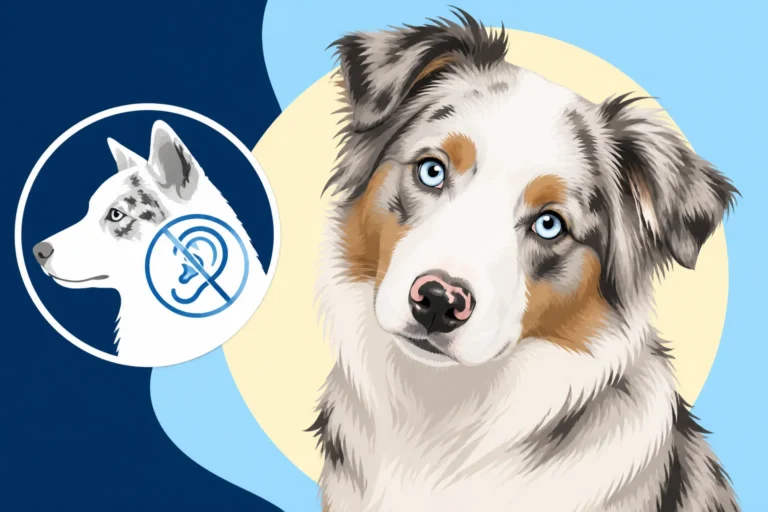
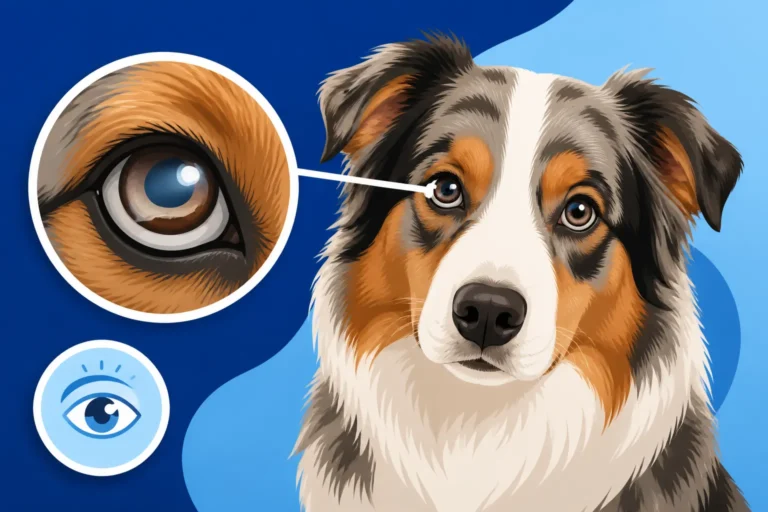
Beyond the immediate concerns of sunburn, prolonged sun exposure can impact your Australian Shepherd's health in other ways, particularly their eyes. Many merle Aussies have striking blue eyes, or sometimes even heterochromia (one blue, one brown eye), and these lighter eyes can be more sensitive to bright light and UV radiation. While there isn't clear evidence directly linking sun exposure to serious eye conditions in dogs in the same way it impacts humans, excessive glare can certainly cause discomfort. Providing shade and avoiding peak sun hours helps protect their sensitive eyes as well. It’s always a good idea to discuss any changes in eye appearance or vision with your vet, just as you would monitor them for conditions like Hereditary Cataracts Clouding an Aussie Eye.
Furthermore, while the thick double coat of an Australian Shepherd offers some natural insulation and protection, it’s not foolproof. Some owners might be tempted to shave their Aussie during the summer months, believing it will keep them cooler and prevent sunburn. However, shaving an Aussie’s double coat can actually increase their risk of sunburn and compromise their natural ability to regulate body temperature. The undercoat provides insulation against heat, and the guard hairs protect the skin from UV rays. Removing these layers exposes their skin directly to the sun, leading to a much higher risk of burning. Instead of shaving, focus on proper grooming, regular brushing to remove dead undercoat, and providing shade and water.
Finally, managing an active Australian Shepherd means finding safe ways for them to exercise and engage, even when the sun is blazing. This might mean getting creative with indoor games, puzzle toys, or even doggy daycare during the hottest parts of the day. For those essential bathroom breaks, walk them in the shade or on grass rather than hot pavement. Remember, a bored Aussie can become a destructive Aussie, so finding outlets for their energy that don’t involve excessive sun exposure is crucial for their physical and mental well-being. Keeping up with their overall health, including comprehensive genetic screening, is something every Aussie owner should prioritize, as detailed in The Genetic Panel Every Australian Shepherd Needs, ensuring you're aware of any predispositions that might impact their care.
Disclaimer
This article is intended for informational purposes only and does not constitute veterinary advice. Always consult with a qualified veterinarian for any health concerns or before making any decisions about your Australian Shepherd's medical care or treatment.