Getting a Working Aussie Back Into Condition
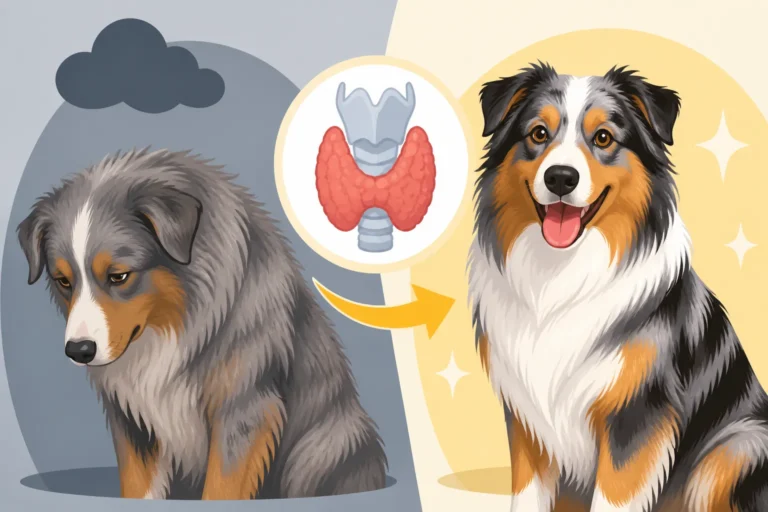
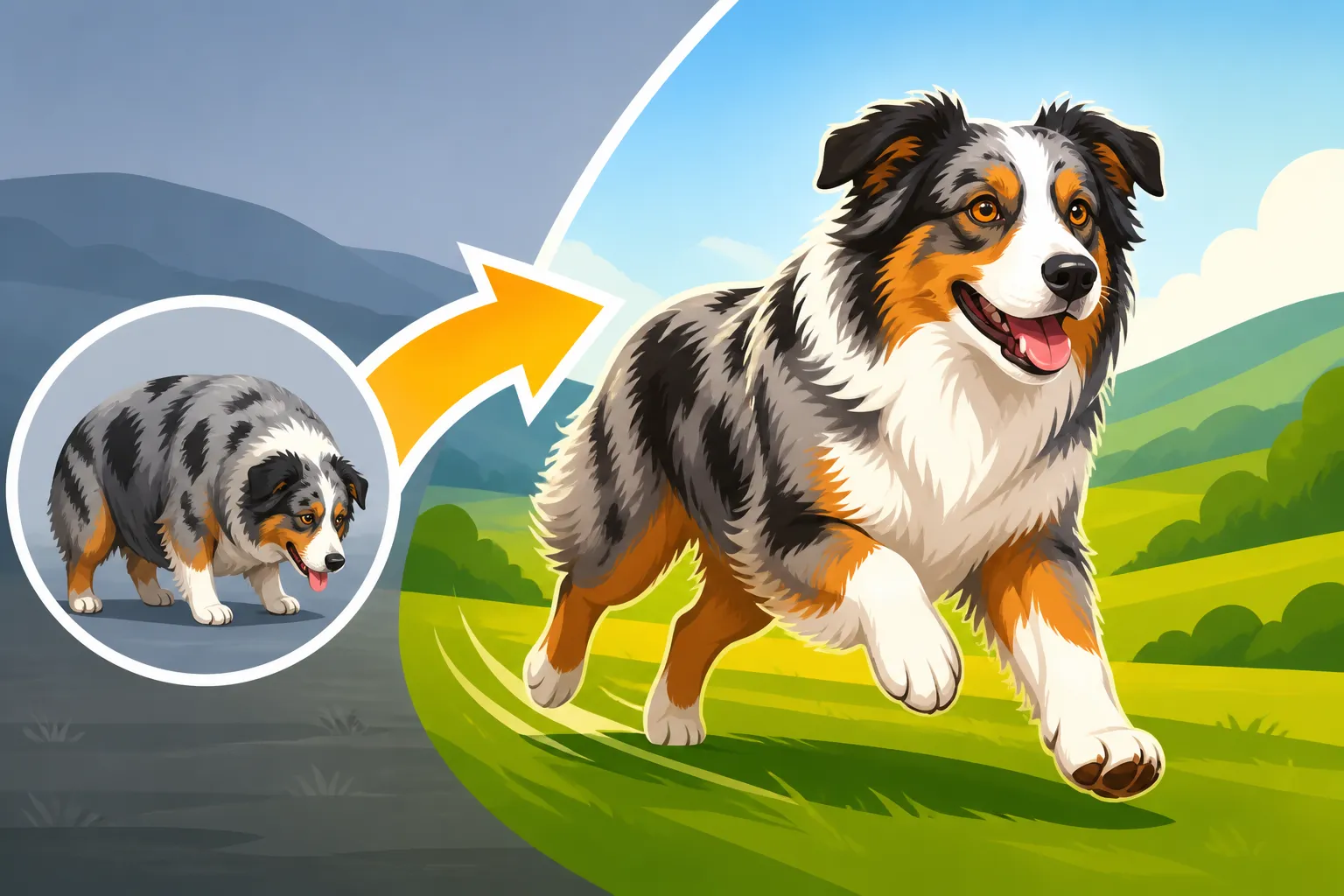
It’s a heart-wrenching moment for any Australian Shepherd owner when your typically vibrant, high-energy working dog loses its edge. Maybe it’s an injury, an unexpected illness, or perhaps just a period of forced inactivity that has left them sluggish, stiff, or even carrying a few extra pounds. Getting a working Aussie back into prime condition isn't just about physical recovery; it's about reigniting that spark and restoring their zest for life. This guide will walk you through a realistic, empathetic approach to help your beloved companion regain their strength, stamina, and that unmistakable Aussie drive.
Understanding Why Your Aussie Lost Condition
Before we even think about how to get your Aussie moving again, it’s crucial to understand why they might have fallen out of condition in the first place. This isn't just about pointing fingers; it's about recognizing the common challenges that impact these amazing dogs so you can tailor the most effective recovery plan.
The Impact of Injury or Illness
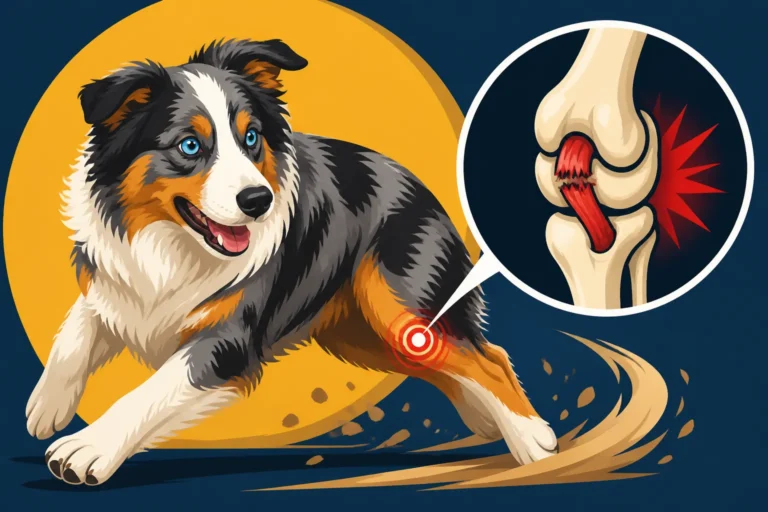
No one wants to see their dog hurt or unwell, but unfortunately, it’s a reality many of us face. A sudden injury, like a torn cruciate ligament or a bad sprain, can sideline an active Aussie for weeks or even months. During this time, while their body is healing, their muscles can atrophy quickly. Imagine your dog, usually bounding across fields, confined to leash walks or crate rest. It's not just the physical healing that needs to happen; it's the prevention of secondary issues like muscle loss and joint stiffness from lack of movement.
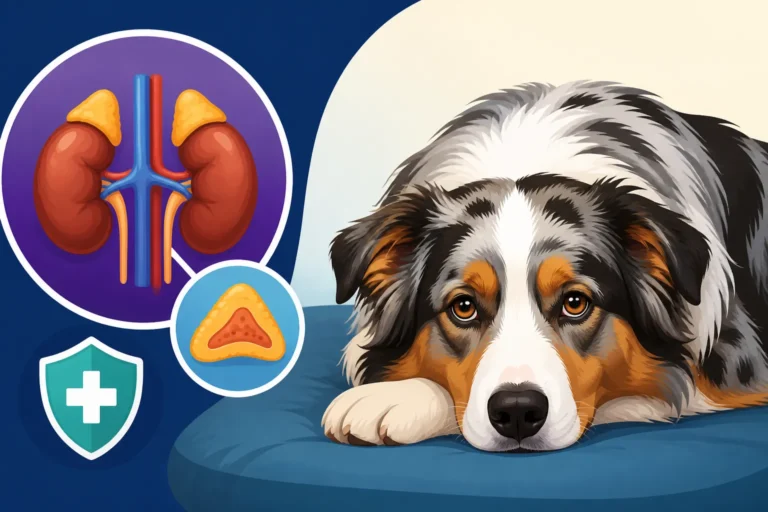
Even a common illness, like a persistent ear infection or an upset stomach that requires a few days of reduced activity, can subtly contribute to a decline in fitness. While your focus is rightly on treating the immediate problem, the ripple effect on their overall condition can be significant. Their stamina drops, their zest for vigorous exercise wanes, and before you know it, getting back to their old routine feels like climbing a mountain. It's a frustrating situation, especially when you know how much your Aussie thrives on having a job and staying active.
The Effects of Inactivity and Weight Gain
An Australian Shepherd is not designed to be a couch potato. Their history and genetics demand physical and mental engagement, often for hours a day. When their exercise routine drops off – whether due to owner busy-ness, bad weather, or simply a change in lifestyle – the consequences can be swift and disheartening. Their finely tuned muscles, built for agility and endurance, start to soften. Their cardiovascular fitness declines.
What often accompanies this inactivity is weight gain. Even a few extra pounds on an Australian Shepherd can place significant stress on their joints, especially their hips and elbows, which are already prone to issues like Australian Shepherd Hip Dysplasia and Working Joints The extra weight makes every movement harder, every jump more impactful, and every run more taxing. It becomes a vicious cycle: they gain weight because they're inactive, and they're inactive because the weight makes exercise uncomfortable or difficult. This isn't just about aesthetics; it profoundly impacts their health, their lifespan, and their ability to enjoy the activities they love. Understanding How Weight Multiplies the Load on Aussie Joints can be a real eye-opener.
Age-Related Changes
It's a tough truth that our dogs don't stay puppies forever. As Australian Shepherds mature and enter their senior years, typically around eight to ten years old, their bodies naturally start to slow down. They might not have the same boundless energy, their joints might become stiffer, and their recovery time after activity lengthens. This isn't a "loss of condition" in the sense of neglect, but a natural progression that requires a thoughtful adjustment to their routine.
An older Aussie might start to show signs of arthritis, which can make them reluctant to jump or run as they once did. Their eyesight or hearing might diminish, making them less confident in busy environments or during complex tasks. While they still possess that incredible Aussie spirit, their physical capabilities change. Ignoring these signs and pushing them as if they were still two years old can lead to injury and discomfort. Instead, adapting their exercise and mental enrichment to their changing needs is key to maintaining their quality of life. For more on this, you might find our guide on Senior Australian Shepherd Care After Ten helpful.
Crafting a Safe and Effective Rehabilitation Plan
Once you understand why your Aussie might be out of condition, the next step is to create a clear, actionable plan to get them back on track. This isn't a race; it's a marathon, and patience, consistency, and careful monitoring are your most important tools.
Starting with a Vet Check and Baseline Assessment
This is non-negotiable. Before you embark on any new exercise regimen, especially if your Aussie has been injured, ill, or significantly inactive, a thorough veterinary examination is paramount. Your vet can identify any underlying health issues, assess joint health, check for pain, and give you a clear understanding of your dog's current physical limitations. They might recommend blood work, X-rays, or other diagnostics to get a complete picture. This isn't just about getting a green light; it's about getting a specific green light with parameters tailored to your dog's individual needs.
For instance, if your Aussie has been An Aussie Stiff After a Career in Agility your vet might prescribe anti-inflammatory medication or recommend specific supplements to manage discomfort before you even begin gentle exercise. They can also advise on appropriate starting points for activity levels and warn against exercises that might exacerbate existing conditions. This initial assessment provides the crucial baseline against which you can measure progress and ensures you're not inadvertently causing further harm. Remember, preventative care and addressing issues early can save a lot in the long run, and having pet insurance like Healthy Paws can certainly help manage those initial diagnostic and treatment costs. A comprehensive understanding of The Health Tests Every Australian Shepherd Parent Needs is always a good idea.
Gradual Reintroduction of Exercise
The biggest mistake people make when getting a dog back into condition is doing too much, too soon. This is especially true for an Australian Shepherd, who often has an abundance of enthusiasm and will push themselves past their limits if you let them. The keyword here is gradual.
Start with short, controlled leash walks on soft surfaces. Think 5-10 minutes, 2-3 times a day, slowly increasing the duration and distance over several weeks. Avoid high-impact activities like jumping, sprinting, or sharp turns in the initial stages.
Consider low-impact activities like swimming, if accessible and safe. Swimming is fantastic for building muscle without putting stress on joints. If your Aussie enjoys it, it can be a great way to improve cardiovascular fitness and strength.
Mental stimulation is also crucial during this phase. While their body might not be ready for intense physical work, their brilliant Aussie minds still need engagement. Puzzle toys, scent games, and short training sessions (focusing on calm, stationary behaviors) can prevent boredom and frustration, which can manifest as destructive behavior or increased anxiety. This is a critical step in Building an Australian Shepherd Exercise Routine
Here’s a basic progression table to illustrate the concept of gradual reintroduction:
| Phase | Duration | Recommended Activities | Things to Avoid |
|---|---|---|---|
| Phase 1: Initial Recovery | 1-2 weeks | Short (5-10 min) leash walks on soft ground, passive range of motion (vet-guided), mental games. | Jumping, running, stairs, rough play. |
| Phase 2: Building Stamina | 2-4 weeks | Gradually increase leash walk duration (15-30 min), gentle incline walks, controlled swimming. | Fetch with sudden stops, long duration intense activity. |
| Phase 3: Increasing Strength | 4-8 weeks | Longer walks (30-60 min), short bursts of controlled trotting, light hiking on even terrain, cavaletti poles. | High-impact jumps, competitive agility until fully conditioned. |
| Phase 4: Return to Full Condition | 8+ weeks | Resume normal working activities, agility, herding, disc, carefully monitoring for fatigue. | Over-training, ignoring signs of discomfort. |
Always consult your vet before advancing phases or introducing new activities.
Nutritional Adjustments for Recovery and Conditioning
A dog in recovery or re-conditioning has different nutritional needs than one at peak performance or one that's been inactive. If your Aussie has gained weight, reducing their caloric intake while ensuring they still get adequate nutrients is essential. Your vet can help you determine the right daily calorie count and recommend a high-quality dog food formulated for weight management or active adult dogs.
Protein is vital for muscle repair and growth. Ensure their diet contains a good source of digestible protein. Sometimes, supplements like glucosamine and chondroitin can support joint health, especially when Starting Joint Support on a Young Working Aussie or an older dog. Omega-3 fatty acids, found in fish oil, can also help reduce inflammation and promote a healthy coat and skin.
It’s not just about what they eat, but how they eat. Consider splitting their daily ration into two smaller meals to help with digestion and prevent bloat, a risk in deep-chested breeds like Aussies. Use a slow feeder bowl to prevent them from gulping down their food too quickly, especially if they are enthusiastic eaters. Remember to factor in any treats given during training into their daily calorie count. A working Aussie’s diet, when managed correctly, becomes a powerful tool in their rehabilitation and ongoing health.
Incorporating Targeted Training and Enrichment
Physical exercise is just one piece of the puzzle. For an Australian Shepherd, mental stimulation and targeted conditioning are equally, if not more, important to bring them back to their best.
Building Core Strength and Flexibility
Just like human athletes, dogs benefit from specific exercises that target core strength and flexibility. These aren't necessarily high-impact activities; in fact, many are low-impact and incredibly effective for rehabilitation.
- Cavaletti Poles: Setting up a series of low poles for your Aussie to step over can improve proprioception (awareness of body position), encourage thoughtful movement, and build muscle in their legs and core. Start with poles on the ground, then gradually raise them a few inches.
- Balance Boards or Wobble Boards: These tools challenge stability and engage core muscles. Start with short sessions, ensuring your dog is comfortable and stable. Always supervise.
- Controlled Hill Walking: Walking uphill builds hindquarter strength, while walking downhill can help strengthen core muscles and improve balance. Start with gentle inclines.
- Play Bows and Stretches: Encourage your Aussie to perform play bows or gentle stretches. You can guide them with a treat to hold a "down" position and then lure their head towards their hip to encourage a gentle stretch.
- Hydrotherapy: If available, working with a certified canine rehabilitation specialist for hydrotherapy (underwater treadmill or swimming in a therapeutic pool) can be incredibly beneficial. The buoyancy of the water reduces impact while providing resistance for muscle building.
These exercises should be introduced slowly and always under the guidance of your vet or a qualified canine physical therapist. The goal is controlled, purposeful movement, not wild abandon.
Mental Stimulation to Prevent Boredom and Frustration
An Australian Shepherd's mind is a powerful engine, and if it's not given a job, it will invent one – often one you don't appreciate! When an Aussie is physically limited, their mental energy needs an outlet more than ever. Boredom and frustration can lead to stress, destructive behaviors, excessive barking, or even self-harm.
- Scent Work: This is an incredible activity for Aussies. Hiding treats or toys around the house or yard and encouraging them to sniff them out taps into their natural instincts and is mentally exhausting without being physically demanding. Basic "find it" games can easily be done indoors.
- Puzzle Toys: Investing in a variety of puzzle toys that require problem-solving to release treats can keep their minds engaged for extended periods. Brands like KONG, Nina Ottosson, or Planet Dog offer a range of difficulty levels.
- Trick Training: Teaching new tricks, or refining old ones, is fantastic for mental engagement. Even simple tricks like "shake a paw," "spin," or "bow" require focus and coordination. These short, positive training sessions build confidence and strengthen your bond.
- Chew Items: High-quality, durable chew toys or bully sticks can provide a calming, self-soothing activity that satisfies their natural chewing instincts. Ensure they are appropriate for your dog's size and chewing style.
Remember, a mentally tired Aussie is often a calm Aussie. Integrating these activities into their daily routine will go a long way in supporting their overall well-being during their recovery.
Monitoring Progress and Adapting the Plan
Rehabilitation is rarely a straight line. There will be good days and maybe some days where your Aussie seems a bit stiff or tired. It’s crucial to be an astute observer of your dog’s body language and energy levels.
- Keep a Journal: Jot down daily notes on their activity, mood, any signs of stiffness or pain, and how well they slept. This objective record can help you spot trends, identify what works (and what doesn't), and provide valuable information to your vet.
- Watch for Subtle Signs: Aussies are often stoic and will try to please you, sometimes masking discomfort. Look for subtle cues: a slight limp, reluctance to use a certain leg, a slower pace, panting more than usual, changes in appetite, or excessive licking of a joint.
- Adjust as Needed: If you notice signs of discomfort, dial back the intensity or duration of exercise. It's better to take a step back for a day or two than to push too hard and cause a setback. Conversely, if your Aussie is consistently doing well and your vet gives the go-ahead, you can gradually increase the challenge.
- Regular Vet Check-ins: Schedule follow-up appointments with your vet to reassess their condition. They might want to monitor joint health or adjust medication. This ongoing partnership with your vet is vital for a successful recovery journey. When discussing long-term plans, considering options like Healthy Paws for continuous coverage can provide peace of mind.
Long-Term Maintenance for a Healthy Working Aussie
Bringing your Australian Shepherd back into condition is a huge accomplishment, but it's not the end of the journey. Maintaining that hard-earned fitness and preventing future setbacks is an ongoing commitment.
Maintaining Peak Condition Through Consistent Routine
The secret to a healthy, well-conditioned Australian Shepherd lies in consistency and variety. Once your Aussie is back to full strength and has been cleared by your vet, establishing a stable, yet diverse, exercise routine is key.
- Vary Activities: Don't just stick to the same walk every day. Rotate activities to work different muscle groups and keep their minds engaged. One day might be a long hike, the next might be a session of fetch or frisbee, followed by a day focused on scent work or obedience training. This prevents boredom and reduces the risk of overuse injuries.
- Incorporate Both Physical and Mental Exercise Daily: An Aussie needs both. Even on days where intense physical exercise isn't possible, ensure they get a good mental workout. Remember, Why Physical Exercise Alone Never Settles an Aussie is a crucial concept.
- Listen to Your Dog: Even at peak condition, some days your Aussie might be a little less energetic. Pay attention to their signals and be willing to adjust the plan for the day. A slight decrease in enthusiasm might indicate they need a rest day, not more pushing.
- Seasonal Adjustments: Be mindful of weather conditions. In hot summers, exercise during cooler parts of the day, prioritize swimming, and carry water. In winter, protect their paws from ice and salt, and consider protective gear if needed, especially if Australian Shepherd Paw Injuries From Hard Running are a concern.
Preventing Future Setbacks and Injuries
Prevention is always better than cure. There are several proactive steps you can take to minimize the risk of your working Aussie falling out of condition again.
- Warm-ups and Cool-downs: Just like human athletes, dogs benefit from a gentle warm-up before strenuous activity and a cool-down afterward. A 5-10 minute leash walk before a high-energy session, and another after, can prepare muscles and help them recover.
- Regular Vet Visits: Don't wait until something is wrong. Biannual or annual check-ups are essential to catch potential issues early, monitor joint health, and discuss any changes you've observed. These check-ups are also vital for discussing parasite prevention and vaccinations.
- Appropriate Gear: Ensure your Aussie has well-fitting harnesses, collars, and leashes. Consider specialized boots if they are working on rough terrain to protect their paw pads.
- Maintain a Healthy Weight: This is paramount. Overweight dogs are significantly more prone to joint issues, diabetes, and other health problems. Regularly assess your Aussie's body condition and adjust their diet and exercise as needed.
- Cross-Training: If your Aussie specializes in one sport, like agility, incorporate other activities that build overall fitness and balance, such as swimming or long hikes, to reduce repetitive strain. Whether Sports Wear Out an Aussie's Joints is a valid concern that cross-training can help mitigate.
The Role of Diet and Supplements in Ongoing Health
Nutrition remains a cornerstone of your Australian Shepherd's long-term health and performance. Their diet should continue to be high-quality, balanced, and appropriate for their activity level and age.
- High-Quality Food: Invest in a premium dog food that lists real meat as the first ingredient and avoids excessive fillers. The specific needs will vary, but generally, an active Aussie benefits from a diet rich in protein and healthy fats.
- Joint Supplements: Many working Australian Shepherds, especially as they age, benefit from daily joint supplements containing ingredients like glucosamine, chondroitin, and MSM. These can help support cartilage health and reduce inflammation associated with conditions like Australian Shepherd Arthritis After Years of Work Your vet can advise on appropriate dosages and specific products.
- Omega-3 Fatty Acids: Continued supplementation with fish oil can provide anti-inflammatory benefits, support skin and coat health, and contribute to overall well-being.
- Hydration: Always ensure your Aussie has access to fresh, clean water, especially during and after exercise. Consider carrying a portable water bottle and bowl on outings.
By being proactive with their diet, supplement regimen, and consistent care, you are setting your Australian Shepherd up for a lifetime of health and happiness. It's an investment, but one that pays dividends in the joy and companionship your resilient Aussie brings. Don't forget that consistent veterinary care and maybe even an insurance policy from a provider like Healthy Paws can act as a crucial safety net for their health journey.
Disclaimer
The information provided in this article is for general informational purposes only and is not intended as a substitute for professional veterinary advice. Always consult with a qualified veterinarian regarding any medical concerns or before making any changes to your Australian Shepherd's diet, exercise, or treatment plan.