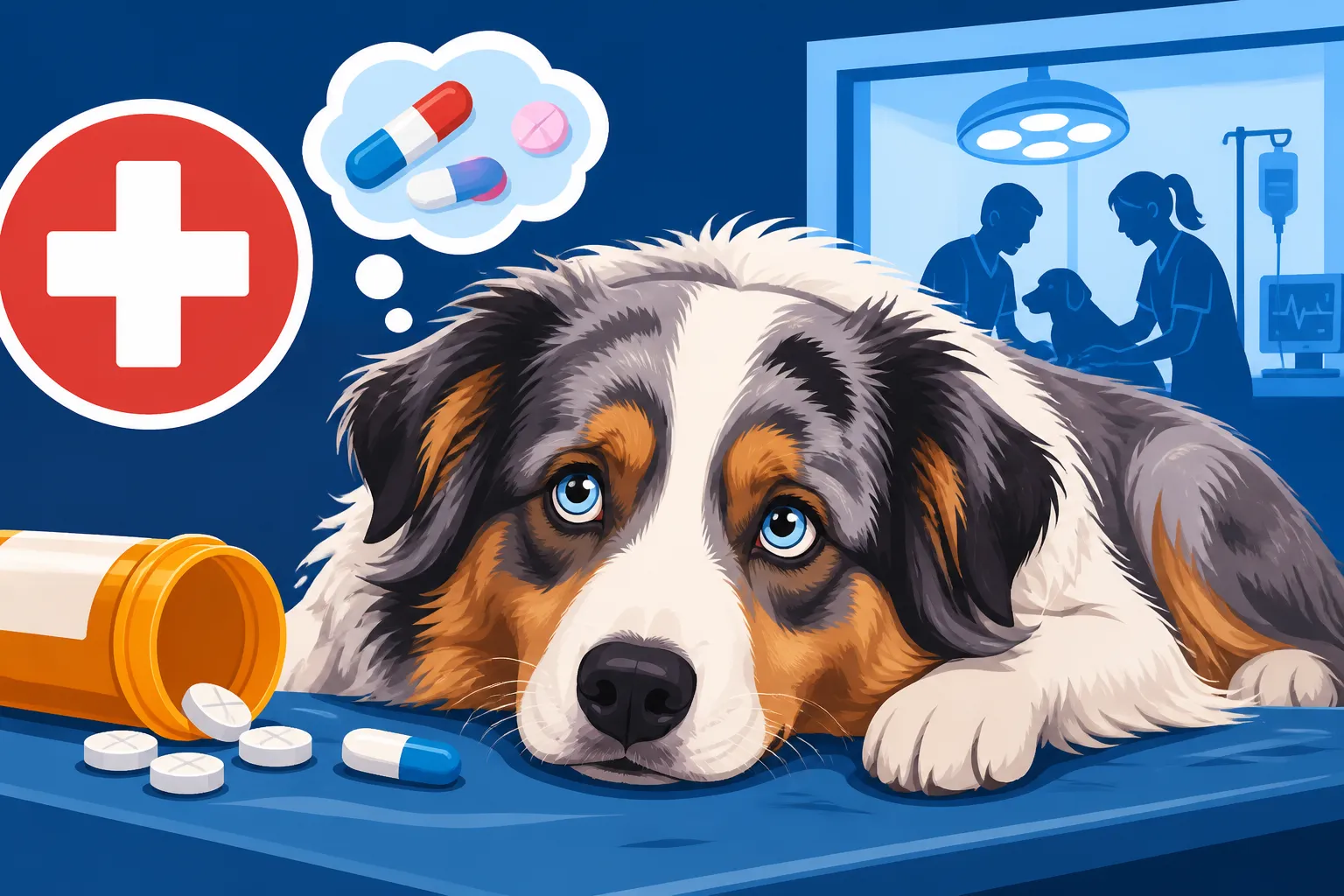
Australian Shepherd Drug Reactions at the Emergency Vet
The sudden onset of a severe drug reaction in your beloved Australian Shepherd can be one of the most terrifying experiences for any dog owner. One moment, your energetic companion is fine, and the next, they're showing alarming symptoms that send you rushing to the emergency vet, feeling helpless and overwhelmed. This comprehensive guide is here to walk you through understanding why Aussies are prone to certain drug sensitivities, what to do if a reaction occurs, and how to proactively protect your furry family member.
Understanding MDR1 Sensitivity in Australian Shepherds
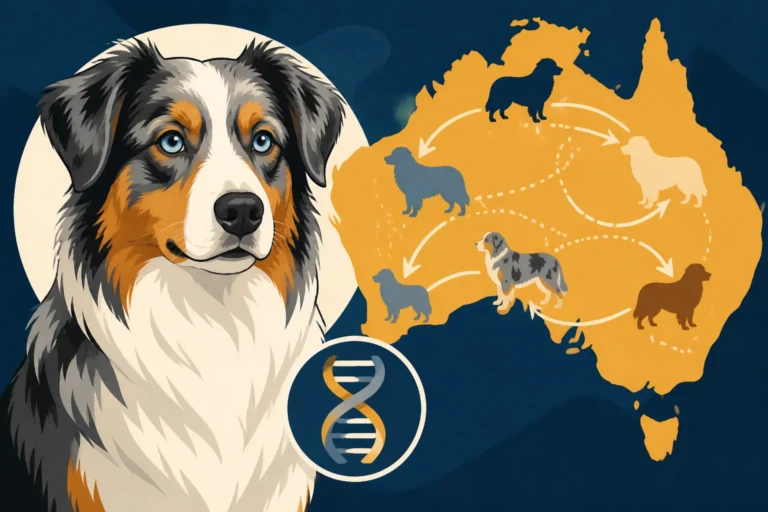
Australian Shepherds, among several other herding breeds, carry a genetic mutation known as MDR1 (Multi-Drug Resistance 1). This mutation can significantly impact how their bodies process and eliminate certain medications, leading to potentially severe and life-threatening reactions. It's not just a minor sensitivity; it’s a fundamental difference in how their system handles drugs that most other dogs can tolerate without issue.
What MDR1 Is and How It Affects Aussies
At its core, the MDR1 gene is responsible for producing P-glycoprotein, a protein that acts like a cellular bouncer. This bouncer is found in various parts of the body, including the brain, intestines, and liver, and its job is to pump certain drugs and toxins out of cells and organs. Think of it as a protective barrier, especially crucial in the blood-brain barrier, which prevents harmful substances from entering the central nervous system. For Aussies carrying the mutated MDR1 gene, this bouncer isn't doing its job correctly, or sometimes not at all.
When P-glycoprotein isn't functioning properly, drugs that would normally be expelled from the body can accumulate to toxic levels. This is particularly dangerous in the brain, where even small amounts of certain medications can cause severe neurological damage. For more detailed information, you can read about What MDR1 Does Inside an Australian Shepherd Brain. Understanding this mechanism is the first step in appreciating the very real risks your Australian Shepherd faces if they have this genetic trait. It’s not just a theory; it’s a biological reality that requires careful management.
Common Drugs That Trigger Reactions
The list of drugs that can cause issues in MDR1-affected Aussies is extensive and includes medications commonly used in veterinary practice. It’s crucial to be aware of these, as even routine treatments can become dangerous.
Here’s a table outlining some of the most concerning drugs for MDR1-positive Australian Shepherds:
| Drug Category | Specific Drugs of Concern | Potential Reaction |
|---|---|---|
| Antiparasitics | Ivermectin (at high doses), Loperamide (Imodium), Selamectin (Revolution), Moxidectin (Advantage Multi, ProHeart), Milbemycin (Interceptor, Sentinel) | Neurological signs like tremors, seizures, ataxia (loss of coordination), blindness, coma, respiratory depression, death. |
| Chemotherapy Agents | Vincristine, Vinblastine, Doxorubicin, Paclitaxel | Severe bone marrow suppression, gastrointestinal issues, increased systemic toxicity. |
| Anesthetics/Sedatives | Acepromazine, Butorphanol (though generally safer at reduced doses) | Prolonged sedation, profound respiratory depression, altered consciousness. |
| Opioids | Loperamide (Imodium) | Severe neurological toxicity, coma. |
| Other | Cyclosporine (immunosuppressant), Digoxin (cardiac drug) | Increased drug levels, leading to organ damage and severe side effects. |
It’s important to note that while Ivermectin is famously associated with MDR1 sensitivity, many heartworm prevention medications contain it at very low, safe doses, even for MDR1-positive dogs. However, higher doses used for other parasitic infections can be lethal. Loperamide, commonly found in over-the-counter anti-diarrheal medications, is another huge red flag and should never be given to an Australian Shepherd without knowing their MDR1 status and explicit vet approval. For a deeper dive into the specific drugs, check out The Drugs an MDR1 Australian Shepherd Cannot Take and The Flea Products Dangerous to an MDR1 Aussie.
Recognizing the Signs of a Drug Reaction
When an Australian Shepherd reacts to a problematic drug, the signs can range from subtle to extremely dramatic and rapidly life-threatening. The specific symptoms often depend on the drug involved and the severity of the reaction, but they commonly involve the nervous system due to the drug crossing into the brain.
You might notice your Aussie exhibiting disorientation, stumbling as if drunk (ataxia), excessive salivation, vomiting, or diarrhea. More severe neurological signs include tremors, muscle weakness, severe depression or lethargy, stupor, and even seizures. In the most critical cases, an Aussie might collapse, go into a coma, or experience respiratory arrest. These symptoms can appear anywhere from minutes to several hours after drug administration. If you ever see any of these neurological signs after your Aussie has been given medication, it's an immediate emergency. It's a terrifying experience, and quick recognition can be the difference between life and death. You can learn more about specific indicators in Neurological Signs an Aussie Is Reacting to a Drug.
What to Do in an Emergency Drug Reaction
When a drug reaction strikes, panic is a natural first response. However, knowing what steps to take can help stabilize your Australian Shepherd and get them the critical care they need as quickly as possible. Every second counts.
Immediate First Steps at Home
The moment you suspect your Australian Shepherd is having a drug reaction, immediate action is paramount. First, ensure your dog is in a safe environment, away from anything that could cause further injury if they become disoriented or have a seizure. If they are actively seizing, gently move objects away from them but do not try to restrain them or put your hands in their mouth. This is dangerous for both of you.
Your next crucial step is to gather all information about what medication was given, when it was given, and the dosage. If you administered the drug yourself, grab the packaging. If it was a vet visit, recall the names of any new medications or treatments. Then, without delay, call your nearest emergency veterinary clinic. Do not waste time trying to "wait and see" if symptoms improve. Time is of the essence, especially with neurological reactions. While on the phone, the emergency vet might provide initial guidance, but be prepared to head straight to the clinic.
Communicating with the Emergency Vet
When you arrive at the emergency vet, clear and concise communication is vital. The moment you walk in, state plainly that you suspect a drug reaction in your Australian Shepherd, and importantly, mention that Aussies are prone to MDR1 sensitivity. This immediately flags a critical piece of information for the veterinary staff.
Provide them with all the details you've gathered: the name of the drug, the dose, the time of administration, and a detailed description of the symptoms you've observed, including when they started and how they've progressed. Hand over any drug packaging you have. Even if you're not 100% sure about the MDR1 status, assume the worst and inform them it's a possibility. Your ability to provide this information quickly and accurately will greatly assist the emergency team in diagnosing and treating your Aussie effectively. Remember, they need every piece of the puzzle you can give them. For a more comprehensive guide on preparing for such a moment, consider reviewing Emergency Vet Instructions for an MDR1 Australian Shepherd.
Treatment Options at the Clinic
At the emergency clinic, the veterinary team will focus on stabilizing your Aussie and eliminating the offending drug from their system, if possible. Depending on the drug and how recently it was administered, this might involve inducing vomiting (if it was ingested orally and very recently) or administering activated charcoal to absorb toxins in the digestive tract.
Supportive care is critical. This often includes intravenous fluids to help flush the system and maintain hydration, medications to control seizures, reduce brain swelling, or counteract other specific symptoms. Your Aussie might need oxygen therapy if they are having breathing difficulties or be placed in a quiet, dark environment to reduce sensory stimulation, especially if they are disoriented or seizing. Monitoring will be intensive, checking vital signs, neurological status, and potentially blood work to assess organ function. The goal is to support their body until the drug is metabolized and eliminated, which can sometimes take days. Throughout this harrowing experience, facilities like the NorthStar VETS Emergency & Specialty Center in New Jersey or Animal Medical Center in New York often have specialists equipped to handle such complex cases.
Preventing Future Drug Reactions
The best treatment for a drug reaction is prevention. Being proactive and knowledgeable can safeguard your Australian Shepherd from these dangerous situations.
The Importance of MDR1 Testing
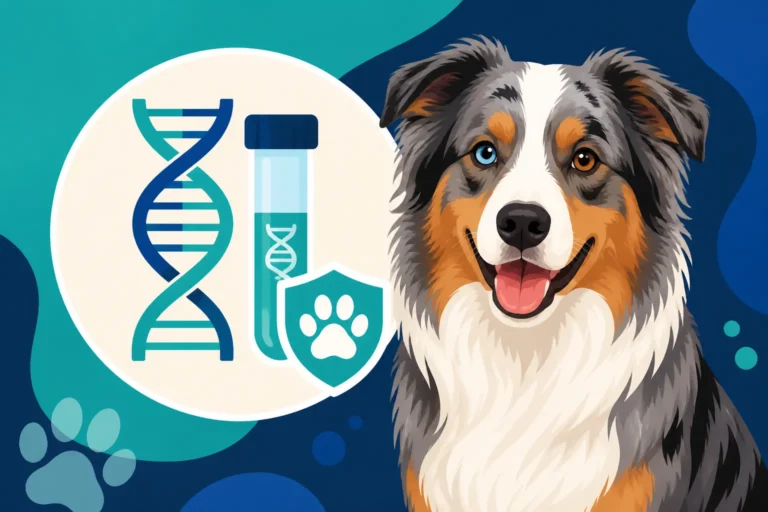
Knowing your Australian Shepherd's MDR1 status is the single most powerful tool you have to prevent drug reactions. This genetic test is straightforward, usually requiring just a cheek swab. Many reputable breeders test their breeding stock, so your puppy might already come with results. If not, testing can be done at any age.
The results will typically come back as "N/N" (normal, no mutation), "M/N" (carrier, one copy of the mutation), or "M/M" (affected, two copies of the mutation). Even carriers (M/N) can exhibit sensitivity, so it's always best to proceed with caution. Once you have this critical information, you can share it with every veterinarian and specialist your Aussie sees. This empowers them to make informed decisions about medication choices and dosages. You can find more information about the process in Testing an Australian Shepherd for MDR1 and The Genetic Panel Every Australian Shepherd Needs. It’s a small investment for massive peace of mind.
Creating an Emergency Plan
Having an emergency plan in place can drastically reduce stress and improve outcomes if a reaction occurs. This plan should start with documenting your Aussie's MDR1 status clearly. Attach the test results to their veterinary records, and even consider putting it on their collar tag or in your wallet.
Compile a list of all medications your Aussie is currently taking, including any supplements, and keep it handy. Know the location and contact information for your closest 24-hour emergency veterinary clinic. Practice the route if you're unsure. Discuss with your regular vet what medications are safe and what specific dosages might be needed for common ailments given your Aussie's MDR1 status. This proactive dialogue ensures everyone is on the same page. Think of it as your Aussie's personal emergency action guide.
Advocate for Your Aussie at Every Vet Visit
You are your Australian Shepherd's best advocate. At every single vet visit, whether for a routine check-up, an injury, or a new prescription, make sure to explicitly state their MDR1 status. Even if it's noted in their chart, a gentle reminder ensures the vet or technician considers it when prescribing or administering any new medication.
Ask questions. Don't be afraid to inquire about the specific drugs being used and whether they are safe for MDR1-affected dogs. A good vet will appreciate your diligence and confirm their protocols. If a new vet is involved, or during an emergency where medical history might not be immediately available, reiterate your Aussie's sensitivity. This vigilance is particularly important for things like Australian Shepherd Vaccination and MDR1 Concerns or when discussing Parasite Prevention Safe for an MDR1 Australian Shepherd. It's your responsibility to be the unwavering voice for your dog's safety.
The Financial Side of Emergency Vet Visits
Beyond the emotional toll, emergency veterinary care, especially for critical conditions like drug reactions, can come with a significant financial burden. It’s a reality no one wants to face, but preparing for it can ease some of the stress during a crisis.
Unexpected Costs and How to Prepare
An emergency vet visit for a severe drug reaction can quickly escalate into thousands of dollars. Costs can include initial examination fees, blood tests, IV fluids, activated charcoal, anti-seizure medications, oxygen therapy, hospitalization fees for overnight or multi-day stays, and potentially specialized consultations. Depending on the severity and duration of care, bills can range from a few hundred dollars for a mild reaction caught early to over $5,000 for prolonged critical care. These are the bills nobody warns you about, and they come at the worst possible time when your focus should be entirely on your dog's recovery. You can read more about typical costs in Aussie Vet Bills Between $15,000 and $40,000 over a lifetime.
To prepare, building an emergency fund specifically for your pet is a smart move. Even setting aside $50-$100 a month can build a substantial cushion over time. Another option is looking into lines of credit specifically for veterinary care, such as CareCredit, which offers deferred interest options.
Pet Insurance and MDR1
Pet insurance can be a literal lifesaver when facing unexpected emergency vet bills. For an Australian Shepherd, especially one with known genetic predispositions like MDR1, having a robust policy is highly advisable. Companies like Healthy Paws offer comprehensive plans that cover accidents, illnesses, surgeries, and emergency care.
The key is to enroll your Aussie before any medical issues arise. If your dog is diagnosed with MDR1 sensitivity after you enroll, most policies will still cover drug reactions as an unexpected illness, provided the reaction itself wasn't directly caused by a pre-existing, documented condition. However, if your dog has already had an MDR1-related drug reaction before you get insurance, that specific condition (or any condition directly stemming from it) might be considered pre-existing and excluded from coverage. Research different plans and understand their terms, deductibles, and reimbursement percentages. While Healthy Paws is a popular choice, always compare what's best for your individual needs. Investing in pet insurance, which might cost around Australian Shepherd Insurance at $35 to $55 a Month, can provide immense financial protection and peace of mind when facing scary situations like drug reactions.
Disclaimer
The information provided in this article is for educational purposes only and is not a substitute for professional veterinary advice. Always consult with a qualified veterinarian for any health concerns or before making any decisions related to your Australian Shepherd's care, especially concerning medication.