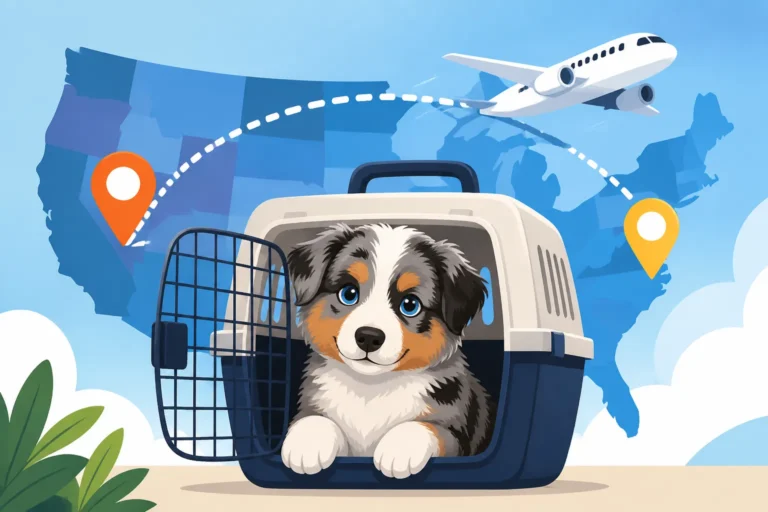
Aussie Rescue Fees Between $250 and $600
Bringing a new Australian Shepherd into your home is an incredibly exciting journey, but many prospective adopters find themselves a bit overwhelmed when they start looking at rescue fees. It’s easy to focus solely on that initial number, ranging anywhere from $250 to $600, and wonder why it varies so much. This guide is here to shed light on what those fees truly cover and, more importantly, to prepare you for the often-overlooked financial commitments that come with providing a loving, stable home for a rescued Aussie.
Understanding Australian Shepherd Rescue Fees
When you decide to open your heart and home to a rescued Australian Shepherd, that adoption fee isn't just a price tag; it's a contribution that helps cover the extensive care and resources the rescue organization has already poured into your future companion. These fees are vital for sustaining the rescue's operations, allowing them to continue their life-saving work.
What the Adoption Fee Actually Covers
Rescue organizations, whether small, local groups or larger, nationwide operations, invest significantly in each dog that comes into their care. The adoption fee typically covers a comprehensive suite of services and treatments that ensure the Aussie is healthy, well-adjusted, and ready for its new home. Think about it: a responsible rescue ensures every dog is spayed or neutered to prevent further pet overpopulation. This alone can cost hundreds of dollars at a private veterinary clinic, depending on the dog's size, age, and any complications.
Beyond that, every Aussie receives a full veterinary check-up upon entering the rescue. This includes vaccinations appropriate for their age and risk factors, such as rabies, distemper, parvovirus, and often kennel cough. They'll also be dewormed and tested for common parasites like heartworm and internal worms. Microchipping is another standard practice, providing a permanent form of identification crucial for their safety. In many cases, rescues will also address any immediate medical needs, whether it's treating a skin infection, managing allergies, or performing necessary dental work. It's a significant upfront investment in each dog's health that the rescue absorbs, and your fee helps replenish those funds.
Why Fees Vary by Rescue and Region
You might notice that rescue fees aren't uniform across the board. A rescue organization in a rural area might have slightly lower fees than one operating in a major metropolitan hub, largely due to differing operational costs. Veterinary expenses, for example, can vary significantly from state to state, or even between clinics within the same city. A rescue in an area with higher living costs will likely face higher overheads for rent, utilities, and staff salaries.
Furthermore, the specific services included can influence the fee. Some rescues might include an initial bag of food, a leash, or a training consultation as part of the package, which naturally adds to the fee. The demand for Australian Shepherds in a particular region can also play a subtle role. In areas where Aussies are popular, rescues might have a steady stream of applications, allowing them to set fees that accurately reflect their costs. Conversely, a rescue with many long-term residents or dogs with extensive medical needs might adjust fees to balance their budget, potentially making the healthier, more easily adoptable dogs slightly more expensive to offset the costs of harder-to-place animals.
Comparing Fees for Puppies vs. Adult Aussies
It's a common trend in the rescue world: puppies often come with a higher adoption fee than adult or senior dogs. While it might seem counterintuitive since puppies usually haven't accumulated as many medical issues as older dogs, there's a practical reason behind this. Puppies require multiple rounds of vaccinations, more frequent deworming, and the critical spay/neuter surgery which, while not always more complex, is often performed at a young age before they are adopted. They also require more intensive fostering and training by the rescue volunteers, which is a considerable time investment.
Moreover, puppies are generally in higher demand. Rescue organizations often leverage this demand by setting slightly higher fees for puppies, using the additional funds to subsidize the care of older, less-desirable, or medically complex Australian Shepherds. Adopting a senior Australian Shepherd can be a deeply rewarding experience, and many rescues offer reduced or waived fees for these wise old souls, recognizing the shorter time they may have left and the potential for higher veterinary costs down the line. It's a way for rescues to encourage adopters to consider dogs who might otherwise be overlooked.
Beyond the Sticker Price: Hidden Costs and Initial Outlays
While the adoption fee is the first financial hurdle, it’s just the beginning. Bringing a rescued Australian Shepherd home means preparing for a range of initial expenses that can easily add up, often surprising unprepared new owners. These aren't "hidden" in the nefarious sense, but rather easily forgotten in the excitement of a new family member.
Initial Supplies and Setup for Your Aussie
Before your new Aussie even steps paw through the door, you'll need to have some essential supplies ready. A comfortable, appropriately sized crate is paramount for house training and providing a safe den for your dog. For an Australian Shepherd, which can range from 35 to 70 pounds, you’ll need a crate that allows them to stand, turn around, and lie down comfortably. Then there’s the leash and collar – vital for walks and identification. You might want to consider a harness, especially if your Aussie is prone to pulling. Food and water bowls, ideally stainless steel or ceramic, are necessary, along with a high-quality dog food. Many rescues will send you home with a small portion of the food they've been eating to help transition, but you'll need a full bag soon enough.
Don't forget toys! Aussies are intelligent and active dogs who thrive on mental and physical stimulation, so a variety of durable chew toys, puzzle feeders, and balls are a must. A cozy dog bed will give them a designated resting spot, separate from their crate. You can find many of these essentials on platforms like Chewy, making it easy to stock up before your new family member arrives. It's wise to budget at least a few hundred dollars for these initial setup costs.
First Vet Visit and Follow-Up Care
Even if your Australian Shepherd comes from the rescue with a clean bill of health and all their initial vaccinations, it's crucial to schedule a "welcome home" vet visit within the first week or two. This allows your personal veterinarian to establish a baseline for your dog's health, review their rescue records, and discuss a long-term wellness plan. They might recommend further screenings based on the Aussie's age, breed-specific predispositions, or any observations you've made since bringing them home. For instance, if your Aussie is showing signs of sensitivity to certain drugs, it might be worth discussing Testing an Australian Shepherd for MDR1 to avoid complications.
Sometimes, a stress-induced illness like kennel cough, diarrhea, or a minor infection might surface in the first few days or weeks as your Aussie adjusts to their new environment. These unexpected issues can lead to additional vet bills, medications, or even special diets. It's important to be financially prepared for these possibilities, as the transition period can be a vulnerable time for a rescued dog. Having a buffer in your budget for unforeseen medical needs is always a good idea.
Training and Socialization Investments
Australian Shepherds are incredibly intelligent and eager to please, but they also come with a strong herding instinct and high energy levels. Many Aussies in rescue situations are there precisely because their previous owners underestimated their training and socialization needs. This means you might be bringing home an Aussie who needs foundational obedience work, or perhaps help with specific behavioral challenges like leash reactivity or separation anxiety. Investing in puppy classes or private training sessions can be invaluable, especially for addressing The Australian Shepherd Herding Drive You Cannot Train Out or managing their natural inclination to nip at heels.
Socialization isn't just for puppies; an adult rescue Aussie may need continued positive exposure to new people, places, and other dogs to build their confidence and manners. This could involve enrolling in group classes, working with a professional trainer who understands the breed's nuances, or participating in dog sports once they're settled. These investments in training and socialization are not optional for an Aussie; they are critical for ensuring a well-adjusted, happy dog and a harmonious household. While costs vary widely by trainer and program, it's realistic to budget several hundred dollars for initial training efforts.
The Exercise Gap That Sends Aussies to Rescue
One of the most heartbreaking reasons Australian Shepherds end up in rescue shelters is a mismatch between their inherent needs and their owner's ability to meet them. Aussies are not couch potatoes; they are active, intelligent, and driven dogs bred to work. Ignoring these needs creates a significant "exercise gap" that often manifests in behavioral problems, leading owners to surrender their beloved companions.
Under-Exercised Aussies and Behavioral Problems
It's a common misconception that simply providing a large yard or an hour of fetch each day will satisfy an Australian Shepherd. While physical exercise is crucial, it's only half the equation. An Aussie whose mind isn't challenged will quickly become bored, and a bored Aussie will invent their own "jobs"—and you likely won't appreciate them. This can manifest as excessive barking, destructive chewing, digging, or even relentless herding of family members, children, or other pets. They might become pushy, demanding attention, or develop neurotic habits like tail chasing.
The frustration that builds up in an under-stimulated Australian Shepherd can lead to reactivity on leash, where they lunge and bark at other dogs or moving objects like bicycles and cars. This isn't usually aggression; it's often an outlet for pent-up energy, anxiety, and a lack of appropriate coping mechanisms. Understanding that Why Physical Exercise Alone Never Settles an Aussie is key to preventing these issues and providing an enriched life for your rescued companion. It's far easier, and ultimately less expensive, to provide consistent mental and physical outlets than to manage the behavioral fallout of neglect.
Budgeting for Mental and Physical Stimulation
Meeting an Australian Shepherd's extensive exercise requirements means thinking beyond just walks. Daily mental stimulation is just as important as physical activity. This can involve puzzle toys, scent work games (like hide-and-seek with treats), or learning new tricks. Many owners find success with enrichment activities that engage their Aussie's natural problem-solving abilities. For physical exercise, two hours a day is often cited as a minimum for a working-line Aussie, but it's the quality and variety of that exercise that truly matters.
For busy families, budgeting for external help can be essential. Doggy daycare, particularly facilities that cater to active breeds, can provide supervised play and mental engagement. Professional dog walkers can offer structured outings during the workday. If your Aussie is particularly social, regular playdates with other well-matched dogs can be a great outlet. These services, however, come with a cost. Full-day daycare can range from $30-60 per day, while a 30-minute dog walk might be $15-25. Factor these into your monthly budget, especially if you work long hours or travel frequently. It’s an investment in your Aussie’s well-being and your own peace of mind.
Trainer Costs for Herding Instinct and Reactivity
Australian Shepherds are born with strong instincts, and their herding drive is a prime example. While some might be happy "herding" a giant exercise ball in the yard, others will need more structured outlets. If your rescued Aussie shows an intense desire to herd, or if they exhibit reactivity towards other dogs, bikes, or joggers, working with a professional trainer is highly recommended. Not just any trainer will do; look for someone experienced with herding breeds and positive reinforcement methods. A trainer who understands The Australian Shepherd Herding Drive You Cannot Train Out can help you channel these instincts constructively.
Private training sessions can be an excellent way to address specific behavioral challenges. These can range from $75-200 per hour, depending on the trainer's experience and location. Group classes for obedience or dog sports like agility, rally, or even beginner herding can be more affordable, typically $150-300 for a 6-8 week course. The cost of not addressing these issues, however, can be much higher, potentially leading to damaged property, vet visits from incidents, or continued stress for both you and your dog. Investing in a good trainer early on can save you a lot of heartache and money in the long run.
Insuring Your Rescued Australian Shepherd
No matter how thoroughly a rescue screens a dog, or how healthy an Australian Shepherd appears initially, unforeseen medical emergencies or chronic health conditions can arise. These can lead to astronomical veterinary bills that quickly dwarf the adoption fee. This is where pet insurance can be a true lifesaver, offering financial peace of mind.
The Value of Pet Insurance for a Rescued Aussie
Australian Shepherds, while generally robust, are predisposed to certain genetic conditions such as Australian Shepherd Hip Dysplasia and Working Joints, Australian Shepherd Epilepsy Starting Between One and Five, and various eye conditions. If your rescued Aussie develops one of these issues, the costs for diagnosis, medication, and potential surgeries can quickly run into the thousands, or even tens of thousands, of dollars over their lifetime. Pet insurance acts as a financial safety net, helping to cover a significant portion of these unexpected expenses.
When considering pet insurance, reputable providers like Healthy Paws offer various plans that can help manage these unforeseen expenses. It's particularly valuable for a rescue dog because you may not have a complete medical history. While pre-existing conditions are typically excluded, getting a policy as early as possible after adoption ensures that any new conditions that arise later will be covered, subject to your chosen plan's terms. It’s a proactive step to protect your budget from the shock of sudden, high vet bills.
How Age and Health Affect Premiums
Just like human health insurance, pet insurance premiums are influenced by several factors, including your Australian Shepherd's age, breed, and location. Younger, healthier Aussies generally have lower premiums because they are less likely to develop chronic conditions or need extensive medical care. As an Aussie ages, the risk of conditions like arthritis, cancer, or organ failure increases, leading to higher insurance costs.
If your rescued Australian Shepherd has a known medical condition from their previous life or documented by the rescue, it might be considered a pre-existing condition and therefore excluded from coverage. This is a crucial detail to understand when selecting a policy. However, even with pre-existing conditions, a policy can still be incredibly valuable for covering new illnesses, accidents, or injuries that are unrelated to the existing issues. It’s worth getting quotes from different providers and thoroughly reading their terms and conditions to understand what is and isn't covered for your specific dog.
Understanding Deductibles and Reimbursement
When you choose a pet insurance policy, you'll encounter terms like "deductible," "reimbursement percentage," and "annual limit." The deductible is the amount you pay out-of-pocket before your insurance coverage kicks in. This can be an annual deductible, or sometimes per-incident. Common deductible amounts range from $100 to $1,000. A higher deductible usually means a lower monthly premium.
The reimbursement percentage is the portion of the eligible vet bill that the insurance company will pay after you've met your deductible. Typically, this ranges from 70% to 90%. So, if you have an 80% reimbursement plan and a vet bill for $1,000 after your deductible is met, the insurance company would pay $800, and you would be responsible for $200. Finally, most policies have an annual limit, which is the maximum amount the insurance company will pay out in a given policy year. Some providers offer unlimited annual payouts, which can be highly beneficial for a breed like the Australian Shepherd with potential for costly conditions. Understanding these numbers is vital for predicting your actual out-of-pocket expenses when your Aussie needs care.
| Cost Category | Initial Estimate (One-Time) | Ongoing Estimate (Monthly) | Notes |
|---|---|---|---|
| Adoption Fee | $250 – $600 | N/A | Varies by rescue, age, location; covers initial vet care, spay/neuter. |
| Initial Supplies | $200 – $500 | N/A | Crate, bed, leash, collar, bowls, toys, first bag of food. |
| First Vet Visit | $50 – $150 | N/A | Check-up, fecal test, possibly additional vaccinations/tests. |
| Training Classes | $150 – $300 | N/A (for initial course) | Puppy class, basic obedience, addressing specific issues. |
| High-Quality Dog Food | N/A | $50 – $100 | Varies by brand (e.g., Ollie), size of dog, activity level. |
| Treats & Chews | N/A | $20 – $50 | For training, enrichment, and general enjoyment. |
| Pet Insurance Premium | N/A | $35 – $55 | Varies by age, breed, location, deductible, reimbursement. |
| Grooming & Supplies | N/A | $15 – $50 | Brushes, shampoo, occasional professional deshedding. |
| Routine Vet Care | N/A | $20 – $40 (averaged) | Annual check-ups, vaccinations, parasite prevention. |
| Daycare/Walker (as needed) | N/A | $100 – $300+ | For active Aussies with busy owners, highly variable. |
| Miscellaneous | N/A | $10 – $30 | Replacements, unexpected small items, licensing. |
Note: These are general estimates and can vary greatly based on your location, chosen products/services, and your Australian Shepherd's individual needs.
Ongoing Costs of Living with a Rescued Australian Shepherd
Beyond the initial fees and setup, owning an Australian Shepherd is a long-term commitment that requires consistent financial planning. From their daily meals to annual check-ups, these ongoing expenses add up over their typically Australian Shepherd Lifespan Across Twelve to Fifteen Years. It’s crucial to understand these recurring costs to ensure you can provide a stable and healthy life for your rescued companion.
Food and Nutrition Choices
Feeding an Australian Shepherd requires careful consideration. These are active dogs, and their caloric needs reflect their energy levels. A high-quality kibble designed for active medium to large breeds is a common choice, with monthly costs typically ranging from $50 to $100, depending on the brand and bag size. Brands like Purina Pro Plan, Royal Canin, or Taste of the Wild are popular options that provide balanced nutrition. For those interested in exploring fresh food options, services like Ollie provide pre-portioned, human-grade meals tailored to your dog's needs, though these come at a higher price point, potentially $100-200+ per month.
Beyond the main meals, don't forget about treats and chews. Aussies are smart and highly trainable, and treats are invaluable for positive reinforcement. Investing in healthy, low-calorie training treats, as well as durable chews to satisfy their need to gnaw, is a wise expense. If your Aussie develops food sensitivities or allergies, a vet-prescribed or novel protein diet might be necessary, which can also increase food costs. Regular monitoring of your Aussie's body condition is essential, as Australian Shepherd Weight Control on a Working Frame helps prevent joint issues and other health problems down the line.
Grooming and Seasonal Shedding
Australian Shepherds boast a beautiful double coat that requires consistent maintenance to stay healthy and prevent matting. They experience two major "coat blows" each year, typically in spring and fall, during which they shed profusely. During these periods, daily brushing with a good undercoat rake and slicker brush is essential. While you can handle much of this grooming at home, investing in quality tools and learning proper line brushing techniques is key.
However, many owners opt for professional grooming, especially during heavy shedding seasons. A deshedding treatment at a salon can cost anywhere from $50 to $100 per session, and you might need these several times a year. This service helps remove dead undercoat, reduces shedding in your home, and prevents painful matting. Regular nail trims and ear cleaning are also part of routine care. If you're comfortable doing these at home, you'll save money, but if not, they can be done at the vet or groomer for an additional fee. Proper Australian Shepherd Grooming and Shedding Costs are a necessary part of keeping your Aussie comfortable and healthy.
Annual Vet Check-ups and Preventive Care
Even the healthiest Australian Shepherd needs annual veterinary check-ups to ensure they remain in peak condition. These visits typically include a thorough physical examination, updated vaccinations, and discussions about parasite prevention. Heartworm, flea, and tick prevention are year-round necessities for most Aussies, especially if they spend a lot of time outdoors or in grassy areas. Depending on the products you choose, these monthly preventatives can cost $20-50.
As your Australian Shepherd ages, the frequency and cost of vet care may increase. Senior Aussies often require more frequent check-ups, bloodwork to monitor organ function, and potentially medications for conditions like Australian Shepherd Arthritis After Years of Work. It’s important to budget for these potential increases in vet expenses, as preventive care and early detection are key to maintaining their quality of life. Thinking about Aussie Vet Bills Between $15,000 and $40,000 over a lifetime gives a realistic perspective on the financial commitment.
Disclaimer
The information provided in this article is for general informational purposes only and does not constitute professional veterinary or financial advice. Always consult with a qualified veterinarian regarding your Australian Shepherd's specific health needs and a financial advisor for personal financial planning. Rescue fees and related costs can vary significantly based on location, specific organizations, and individual circumstances.