What an Aussie Cruciate Repair Costs
The terrifying reality for many Australian Shepherd owners is the sudden lameness that signals a serious knee injury, often a torn cranial cruciate ligament. This debilitating injury, often referred to as an "ACL tear" in humans, can leave your energetic Aussie in pain and you, the dedicated owner, facing daunting decisions about their health and recovery. Beyond the immediate worry for your beloved dog, the financial implications of surgical repair can be overwhelming. This comprehensive guide will meticulously break down the costs associated with Australian Shepherd cruciate repair, exploring the different surgical options, the numerous factors that influence the final bill, and practical strategies to help you manage these significant expenses.
Understanding Cruciate Ligament Tears in Australian Shepherds
A cruciate ligament tear is one of the most common orthopedic injuries in dogs, and it’s especially prevalent in active breeds like our beloved Australian Shepherds. When the cranial cruciate ligament (CCL) in a dog's knee joint ruptures, it leads to instability, pain, and subsequent degenerative changes like arthritis. For an Aussie, a breed built for movement and agility, this injury can severely impact their quality of life.
Why Aussies Are Prone to Cruciate Tears
Australian Shepherds are high-energy, athletic dogs, renowned for their quick turns, powerful jumps, and tireless work ethic. These very traits, unfortunately, can predispose them to cruciate injuries. Imagine your Aussie mid-game of fetch, making a sudden pivot to chase a disc, or landing awkwardly after a high jump in an agility course. These intense, dynamic movements place immense stress on their knee joints. Over time, or with a single misstep, the ligament can stretch, fray, and eventually tear.
Beyond their active lifestyle, there can be genetic predispositions at play. While not as widely discussed as hip or elbow dysplasia, some breed lines might have ligaments that are simply not as robust. Additionally, chronic inflammation, obesity, or subtle abnormalities in knee anatomy can contribute to the gradual weakening of the ligament, leading to a tear even without a dramatic traumatic event. This is why keeping an eye on your Australian Shepherd's overall joint health, even from a young age, is so important. Topics like Starting Joint Support on a Young Working Aussie and Australian Shepherd Hip Dysplasia and Working Joints discuss broader joint health that can impact the knees. We've seen many cases of Aussie Cruciate Tears From Sharp Turns during intense play or work.
Recognizing the Signs of a Tear
Spotting a cruciate tear in your Australian Shepherd can range from obvious to subtle, depending on the severity of the tear. If your dog suffers a complete rupture, you’ll likely see sudden, severe lameness, where they refuse to put weight on the affected leg. They might hold the leg up, or only "toe-touch" it to the ground. This acute onset of pain is hard to miss.
However, many tears are partial at first, developing into a full rupture over weeks or months. In these cases, you might notice intermittent lameness, stiffness after rest, or a reluctance to engage in activities they once loved, like jumping into the car or going for long runs. You might observe a subtle "head bob" as they try to shift weight away from the painful leg, or notice that the thigh muscles on the affected leg are starting to atrophy, becoming visibly smaller than the healthy leg. Sometimes, a "clicking" sound can be heard from the knee as they walk. Any persistent lameness, no matter how mild, warrants a veterinary visit. Early diagnosis can sometimes lead to better outcomes and perhaps even slightly less invasive surgical options, if appropriate.
The Different Surgical Approaches and Their Costs
When it comes to fixing a torn cruciate ligament in an Australian Shepherd, surgery is almost always the recommended course of action, especially given their active nature and size. There are several surgical techniques, each with its own methodology, recovery time, and, of course, cost. Understanding these options is crucial for making an informed decision with your veterinary surgeon.
Lateral Suture Technique Extracapsular Repair
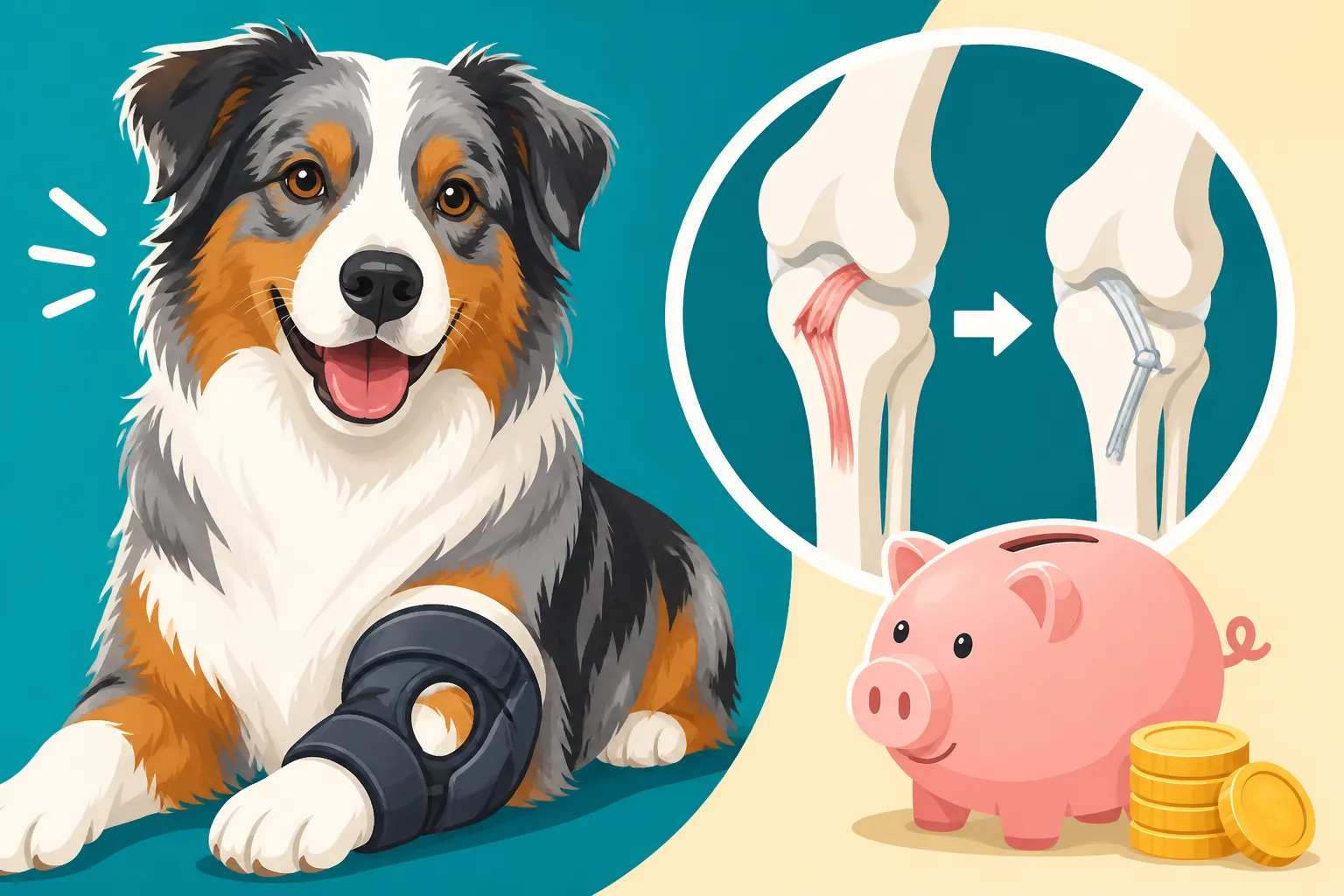
The lateral suture technique, also known as extracapsular repair, is one of the older and often less expensive surgical options. In this procedure, the surgeon uses a strong nylon or monofilament line, acting as an artificial ligament, to stabilize the knee joint from outside the joint capsule. This line runs from the front of the femur to the back of the tibia, effectively preventing the "tibial thrust" motion that occurs when the cruciate ligament is torn.
This technique relies on the body forming scar tissue around the artificial ligament to provide long-term stability. It's often considered for smaller, less active dogs, or sometimes for very old dogs where a more invasive bone-cutting procedure might be too taxing. For an Australian Shepherd, especially a working or highly active one, it might be less successful in providing durable, long-term stability compared to the bone-modifying techniques. However, some general practice vets are proficient in this technique, which can make it more accessible. The typical cost for a lateral suture repair for an Australian Shepherd can range anywhere from $1,200 to $2,500. This range usually includes the surgery, anesthesia, basic pain medications, and a few days of hospitalization.
Tibial Plateau Leveling Osteotomy TPLO
The Tibial Plateau Leveling Osteotomy, or TPLO, is widely considered the gold standard for cruciate ligament repair, particularly for larger, more active breeds like the Australian Shepherd. Unlike the lateral suture, TPLO doesn't try to replace the torn ligament. Instead, it changes the biomechanics of the knee joint itself. The surgeon makes a curved cut in the tibia (shin bone) and rotates the tibial plateau (the top part of the shin bone) until it's nearly level. This neutralizes the "tibial thrust" that causes instability, even without a functional cruciate ligament. The bone is then secured in its new position with a bone plate and screws.
This procedure creates a stable knee joint immediately after surgery, allowing for a faster and more predictable recovery, especially for active dogs. Because it addresses the fundamental instability, it tends to have a very high success rate in restoring athletic function. However, it's a complex orthopedic procedure that requires specialized training and equipment, usually performed by a board-certified veterinary orthopedic surgeon. This expertise and the hardware involved translate into a higher cost. A TPLO surgery for an Australian Shepherd typically ranges from $3,500 to $6,000, but in highly specialized or urban centers, it can sometimes reach $8,000 to $10,000 or more, depending on inclusions like initial consultations, advanced imaging, and post-operative care.
Tibial Tuberosity Advancement TTA
Another popular bone-modifying surgery is the Tibial Tuberosity Advancement, or TTA. Similar to TPLO, TTA also aims to neutralize the tibial thrust without replacing the damaged ligament. In this procedure, the surgeon cuts a section of the tibia (the tibial tuberosity) and advances it forward. A titanium cage and plate are then used to hold the bone in its new, more advanced position. This changes the angle of the patellar tendon, making it perpendicular to the tibial plateau, which in turn prevents the forward thrust of the tibia.
TTA offers similar benefits to TPLO in terms of stability and successful outcomes for active dogs. Some proponents argue that it may be slightly less invasive than TPLO, as it doesn't involve cutting and rotating the weight-bearing surface of the tibia directly. The choice between TPLO and TTA often comes down to the surgeon's preference, experience, and sometimes the specific anatomy of your Australian Shepherd's knee. Like TPLO, TTA is a specialized procedure performed by orthopedic surgeons. The cost for a TTA surgery is generally comparable to TPLO, typically falling within the $3,500 to $6,000 range, with the same potential for higher costs in premium facilities. The article Knee Repair After an Aussie Tears a Cruciate delves deeper into the specifics of these procedures.
Here's a quick comparison of the common surgical options:
| Surgical Technique | Description | Typical Cost Range (Aussie) | Pros | Cons |
|---|---|---|---|---|
| Lateral Suture (Extracapsular) | Uses a strong line outside the joint to stabilize the knee; relies on scar tissue for long-term support. | $1,200 – $2,500 | Less invasive, lower cost, often performed by general practitioners. | May be less stable for larger/active Aussies, higher re-injury rate, longer recovery in some cases. |
| Tibial Plateau Leveling Osteotomy (TPLO) | Changes the angle of the shin bone (tibia) by cutting and rotating it; neutralizes instability. | $3,500 – $10,000+ | High success rate, excellent long-term stability for active dogs, faster functional recovery. | More invasive, higher cost, requires specialized orthopedic surgeon, potential for plate complications. |
| Tibial Tuberosity Advancement (TTA) | Advances a section of the shin bone forward; changes patellar tendon angle to neutralize instability. | $3,500 – $10,000+ | High success rate, excellent long-term stability for active dogs, potentially less invasive than TPLO. | More invasive, higher cost, requires specialized orthopedic surgeon, potential for implant complications. |
Factors That Drive Up the Bill
The base cost of the surgery itself is just one piece of the financial puzzle. There are several other crucial factors that can significantly impact the final bill for your Australian Shepherd's cruciate repair. Understanding these can help you better prepare and budget.
Geographic Location and Veterinary Clinic
Just like human medical procedures, the cost of veterinary surgery can vary wildly depending on where you live and the type of clinic you choose. If you're in a major metropolitan area like New York City, Los Angeles, or Seattle, expect costs to be at the higher end of the spectrum. Veterinary practices in areas with a higher cost of living or strong demand will naturally have higher operating expenses, which are reflected in their service fees. Conversely, clinics in rural areas might offer slightly lower prices.
The type of veterinary facility also plays a huge role. A general practice veterinary clinic that performs extracapsular repairs might be less expensive than a specialized veterinary orthopedic center or a university veterinary teaching hospital where TPLO or TTA procedures are common. These specialist centers often have state-of-the-art equipment, board-certified surgeons with extensive experience, and dedicated 24-hour care staff, all of which contribute to a higher price tag. However, the expertise they offer often means better outcomes for complex surgeries. Sometimes, an emergency vet visit is required even before the surgery, which can also add to the initial diagnosis costs. An Australian Shepherd Emergency Vet Visit can often be significantly more expensive than regular appointments.
Severity of the Injury and Additional Procedures
The nature of your Aussie's injury itself can influence the cost. A straightforward, clean rupture of the CCL might be less complicated than a case where there's also significant damage to the meniscus. The menisci are cartilage pads within the knee joint that act as shock absorbers. About 50-70% of dogs with CCL tears also have meniscal damage, which is often discovered and addressed during the cruciate surgery. A meniscal tear requires a meniscectomy (removal of the damaged portion) or a meniscal release (a small incision to prevent future tearing), adding extra time and complexity to the surgery, and thus, extra cost.
Furthermore, if your Australian Shepherd has bilateral tears (tears in both knees), which isn't uncommon, the total cost will essentially double if both are repaired, though sometimes vets offer a slight discount for doing the second knee if done shortly after the first. Pre-operative diagnostics also contribute. This includes X-rays, often from multiple angles, blood work to ensure your dog is healthy enough for anesthesia, and sometimes advanced imaging like an MRI or CT scan if other issues are suspected, especially in cases of chronic lameness. These diagnostic tests, while essential, add to the overall expense.
Post-Operative Care and Rehabilitation
The journey doesn't end when your Australian Shepherd leaves the operating room. Post-operative care and rehabilitation are absolutely critical for a successful outcome and can add a substantial amount to your total expenses. Immediately after surgery, your Aussie will need a regimen of medications, including pain relievers, anti-inflammatories, and sometimes antibiotics. These prescription costs can add up over several weeks.
Beyond medication, physical rehabilitation is paramount for regaining strength, range of motion, and preventing muscle atrophy. This often includes structured exercises at home, and frequently, professional canine physical therapy sessions. These sessions can involve hydrotherapy (underwater treadmill), therapeutic laser, massage, stretching, and targeted exercises. A typical rehab program can last several weeks to months, with sessions costing anywhere from $50 to $150 or more per session. A full course of rehab can easily add hundreds, if not thousands, of dollars to your bill. For example, Chewy and similar online retailers offer a range of specialized recovery supplies like orthopedic beds, elevated food bowls, and ramps that can make recovery easier at home. Sometimes, a special diet might be recommended to support healing or weight management. You might consider fresh food options like Ollie, which can be customized to your dog's specific caloric needs during recovery, ensuring they get optimal nutrition while preventing unwanted weight gain that could stress the healing joint.
Follow-up veterinary visits and X-rays are also necessary to monitor healing and ensure the surgical site is progressing well. These check-ups typically occur at 2, 4, 8, and 12 weeks post-surgery, with each visit incurring a consultation and potentially imaging fee. Keeping your Australian Shepherd comfortable and mobile in their later years might also involve thinking about Mobility Aids for an Old Australian Shepherd long after the initial recovery, as arthritis can still develop over time.
Strategies for Managing Cruciate Repair Costs
Facing a large veterinary bill for a cruciate repair can feel overwhelming, but there are several strategies and resources available to help you manage the financial burden. Being proactive and informed can make a world of difference.
The Lifeline of Pet Insurance
Pet insurance can be an absolute lifesaver when unexpected, costly surgeries like cruciate repair arise. The key, however, is to enroll your Australian Shepherd before any signs of lameness or injury appear. Cruciate tears, like most major health conditions, are considered pre-existing conditions by insurance providers if they occur or show symptoms before your policy activates or during its waiting period. This means if you buy insurance after your Aussie has already started limping, that specific injury (and often the other knee, due to its increased risk) will likely not be covered.
Providers like Healthy Paws offer comprehensive accident and illness plans that can cover a significant portion of surgical costs, including diagnostics, surgery, hospitalization, and even rehabilitation. When choosing a plan, pay close attention to the deductible (the amount you pay before coverage kicks in), the reimbursement rate (the percentage of the vet bill the insurer pays back, typically 70-90%), and the annual limit. For a surgery costing $5,000 with an 80% reimbursement and a $500 deductible, you could still be looking at an out-of-pocket expense of $1,500 after your deductible and co-pay. However, this is far better than the full $5,000. It's wise to review options like those discussed in Australian Shepherd Insurance at $35 to $55 a Month and understand common exclusions such as those related to Hip Dysplasia Waiting Periods on an Aussie Policy.
Alternative Financial Solutions
If pet insurance isn't an option or doesn't cover the full expense, don't despair; there are other avenues to explore. Many veterinary clinics, especially specialist centers, understand the financial strain of these procedures and offer payment plans directly or through third-party services like CareCredit. CareCredit functions like a credit card specifically for healthcare expenses, often offering deferred interest periods if the balance is paid within a certain timeframe.
Building an emergency fund for your pet is always a smart move. Even setting aside a small amount regularly can create a buffer against unforeseen medical emergencies. For those without a fund, crowdfunding platforms like GoFundMe or similar pet-specific fundraising sites can sometimes rally support from friends, family, and compassionate strangers. Additionally, various non-profit organizations and breed-specific rescues (like those dedicated to Australian Shepherds) sometimes offer financial assistance or grants for owners who meet certain criteria. It's always worth asking your veterinary clinic if they are aware of any local or national programs that could offer aid. Finally, taking the advice in Saving Ahead of an Aussie Hip Surgery and applying it to potential knee issues is a great way to prepare for future expenses. Being prepared, even if it feels like preparing for the worst, can significantly reduce stress when these challenging situations arise.
Disclaimer
The information provided in this article is for general informational purposes only and does not constitute veterinary advice. Always consult with a qualified veterinarian or veterinary specialist for any medical concerns or before making any decisions about your Australian Shepherd's health or treatment plan. Costs mentioned are estimates and can vary widely based on location, clinic, and individual circumstances.