Mobility Aids for an Old Australian Shepherd
It's heartbreaking to watch our once spry, agile Australian Shepherds start to slow down. The leaps over agility jumps turn into hesitant steps, and long walks become shorter, more challenging outings. As our beloved Aussies age, mobility issues often emerge, making daily life harder for them—and for us, as we try to ensure their comfort and independence. This comprehensive guide will explore the various mobility aids available, offering practical solutions to help your senior Australian Shepherd navigate their golden years with dignity and ease.
Understanding Mobility Challenges in Your Aging Australian Shepherd
Seeing our energetic Aussies, known for their boundless enthusiasm and agility, begin to falter in their steps can be incredibly tough. It's a natural part of aging, but it doesn't mean we can't make their lives more comfortable and active. Understanding why their mobility declines and recognizing the early signs are the first crucial steps to providing the right support.
Recognizing the Early Signs of Decreased Mobility
Sometimes, the changes are subtle. You might notice your Australian Shepherd taking just a little longer to get up from a nap, or perhaps they hesitate before jumping onto the couch where they once effortlessly launched themselves. These aren't necessarily signs of a sudden crisis, but rather gentle nudges that their body is changing. They might lag slightly behind on walks, or their gait might look a bit stiffer, especially in the morning or after resting. Many owners report their senior Aussie "shuffling" their feet more, or perhaps having trouble on slippery floors, which never used to be an issue. You might also notice a decrease in their desire to play or engage in activities they once loved, such as chasing a ball or going for a run. Remember, these intelligent dogs are masters at hiding discomfort, so paying close attention to these minor shifts in behavior and movement is key. You might notice your senior Aussie is also less enthusiastic about walks or even seems to be An Aussie Refusing Work It Used to Love. It's easy to dismiss these as just "getting old," but they're often indicators that something needs attention.
Another subtle sign can be a change in their posture or how they hold themselves. An Aussie might start standing with their back slightly hunched, or shift their weight unevenly. When they lie down, they might do so more carefully, almost lowering themselves gingerly, rather than flopping down with youthful abandon. Grooming can become a challenge too; they might struggle to reach certain spots, leading to mats or a duller coat because they can't groom themselves as effectively. If you've been doing regular Grooming an Arthritic Australian Shepherd, you might already be noticing some of these physical limitations. These small observations, when pieced together, paint a picture of a dog experiencing some level of discomfort or physical limitation. Catching these signs early means you can start interventions sooner, improving their quality of life significantly.
Common Health Conditions Affecting Senior Aussie Movement
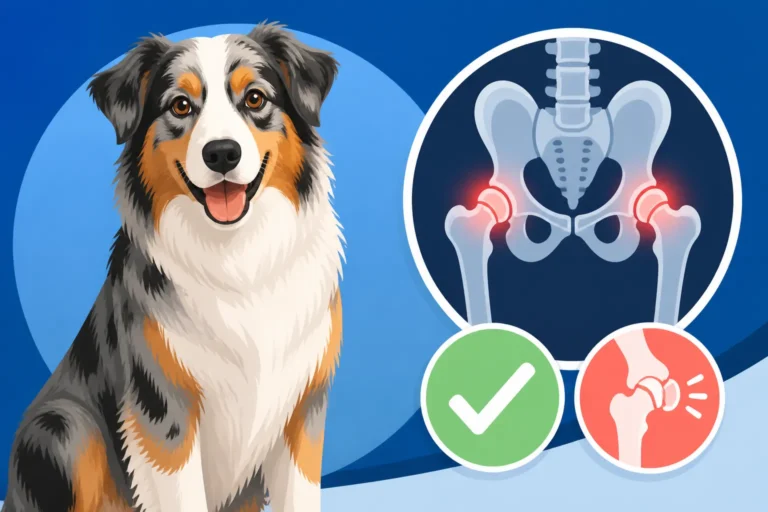
When we talk about decreased mobility in an Australian Shepherd, we’re often looking at a few usual suspects in terms of health conditions. The most prevalent is undoubtedly arthritis, or osteoarthritis, which is essentially inflammation and degeneration of the joints. Years of high-impact activities, herding, agility, or just the wear and tear of a long, active life can lead to this painful condition. It affects their hips, elbows, shoulders, and spine, causing stiffness, pain, and reduced range of motion. It's why many senior Aussies seem An Aussie Stiff After a Career in Agility or struggle with stairs. Hip and elbow dysplasia, conditions many Aussies are predisposed to, can also worsen with age, exacerbating arthritic changes.
Beyond arthritis, other neurological conditions can impact mobility. Degenerative Myelopathy (DM), though less common in Aussies than some other breeds, is a progressive disease of the spinal cord that leads to weakness and paralysis, typically starting in the hind limbs. Spinal issues like intervertebral disc disease (IVDD) can also cause sudden or gradual mobility loss due to disc herniation compressing the spinal cord. Injuries that never quite healed right, or even soft tissue problems like tendonitis, can flare up with age, making movement painful. Sometimes, it’s not just one thing, but a combination. For instance, a dog might have mild arthritis, but then a neurological issue makes them unstable, and suddenly, they're really struggling. This is why a thorough veterinary check-up is paramount when you start noticing mobility changes. Your vet might recommend specific Bloodwork Worth Running on a Senior Aussie to rule out other underlying conditions.
Essential Mobility Aids for Inside the Home
Our homes, designed for human convenience, can become obstacle courses for an aging Australian Shepherd with declining mobility. Stairs, slippery floors, and even getting on and off furniture can pose significant challenges, leading to frustration, pain, and even injury. Thankfully, a range of thoughtfully designed mobility aids can transform your home into a safe and accessible haven for your senior companion.
Supportive Harnesses and Lifting Slings
One of the most immediate and impactful aids for an Aussie struggling with mobility is a good supportive harness or lifting sling. These aren't just fashion statements; they're functional tools that can provide stability, assist with standing, and help you gently lift your dog without putting strain on your back or their sensitive joints. Imagine your sweet old Aussie struggling to stand up after a long nap, their back legs wobbling. A rear-support harness, like those from Help 'Em Up or Ruffwear, allows you to give them that crucial boost, taking the pressure off their weakened hindquarters. Some harnesses even offer full-body support, distributing weight evenly if your Aussie has front and rear limb weakness. This can be a game-changer for getting them outside for potty breaks or just moving from one room to another. It also prevents you from inadvertently hurting them by grabbing them awkwardly under the belly.
When choosing a harness, comfort is key. Look for wide, padded straps that won't dig into their skin, especially in sensitive areas like the groin or armpits. Adjustable sizing is also crucial to ensure a snug, secure fit for your Aussie's unique build. Many harnesses are designed to be worn for extended periods, making them convenient for daily use. Think about the specific areas where your Aussie needs help. If it's primarily their back end, a simple rear-support sling might suffice for short lifts. If they need more general stability or struggle with all four limbs, a full-body harness with handles over the hips and shoulders would be more appropriate. These harnesses are not just for emergencies; they're for everyday assistance, giving your dog more confidence and helping to prevent falls, especially on tricky surfaces.
Ramps and Steps for Easier Access
Stairs, couches, and beds that were once easily conquered become insurmountable mountains for a senior Australian Shepherd. Ramps and pet steps are fantastic solutions to eliminate these barriers, reducing the impact on their joints and preventing dangerous jumps or falls. For instance, if your Aussie has Australian Shepherd Arthritis After Years of Work, every jump off the couch or climb up a step can cause pain and further joint damage. A well-placed ramp can completely remove this stressor.
Indoor ramps can be placed next to your sofa or bed, allowing your Aussie to join you for snuggles without pain. Look for ramps with non-slip surfaces and a gentle incline that is comfortable for your dog to walk up. For outdoor use, portable ramps are invaluable for getting your Aussie in and out of the car, especially if they can no longer jump. Imagine a weekend trip where your dog needs help into the SUV – a sturdy, foldable ramp makes this simple and safe. Pet steps, on the other hand, are great for smaller height differences, like getting onto a lower bed or a pet-friendly chair. They take up less space than ramps and can be easily moved. The key is to introduce these aids gradually and positively, using treats and praise to make them a welcoming part of their routine. Ensuring your Aussie’s continued access to their favorite spots without pain or risk is a wonderful way to maintain their comfort and connection with the family.
Orthopedic Beds and Enhanced Flooring Options
A comfortable resting place is paramount for an aging Australian Shepherd, especially one with joint pain or stiffness. Regular dog beds often don't provide adequate support, allowing their weight to press down on painful joints. This is where orthopedic beds become indispensable. These beds are typically made with high-density memory foam or supportive gel foam, designed to conform to your dog's body, evenly distribute weight, and relieve pressure points. Think of it like a human memory foam mattress – it cradles the body, supporting the spine and joints, and helping to reduce morning stiffness. For an Aussie with hip dysplasia or Australian Shepherd Hip Dysplasia and Working Joints, a quality orthopedic bed isn't just a luxury; it's a therapeutic necessity. Brands like Big Barker, often recommended by vets, specialize in beds engineered for larger breeds, offering superior support that won't flatten over time.
Beyond bedding, flooring can significantly impact a senior Aussie’s mobility. Slippery hardwood, laminate, or tile floors can be incredibly challenging and even dangerous. Their weakened legs might struggle to find purchase, leading to slips, falls, and further injury or fear of movement. Imagine your old Aussie trying to cross the kitchen floor, their legs splaying out from under them – it's frightening for them and for you. Strategically placed non-slip rugs, runners, or carpet tiles can make a world of difference. They provide traction and confidence, allowing your dog to move more freely and safely throughout the house. Even something as simple as putting yoga mats in high-traffic areas can help. For long-term solutions, consider installing non-slip flooring or adding carpet if you're renovating. These seemingly small changes in your home environment can dramatically improve your senior Australian Shepherd's comfort, confidence, and overall quality of life.
Mobility Solutions for Outdoor Adventures and Walks
Just because an Australian Shepherd is getting older and slower doesn't mean their world needs to shrink to the confines of the backyard. Aussies thrive on engagement and exploration, and with the right outdoor mobility aids, you can continue to share adventures, even if they're a bit different now. The goal is to maintain their mental and physical well-being by keeping them active, safely.
Dog Wheelchairs and Mobility Carts
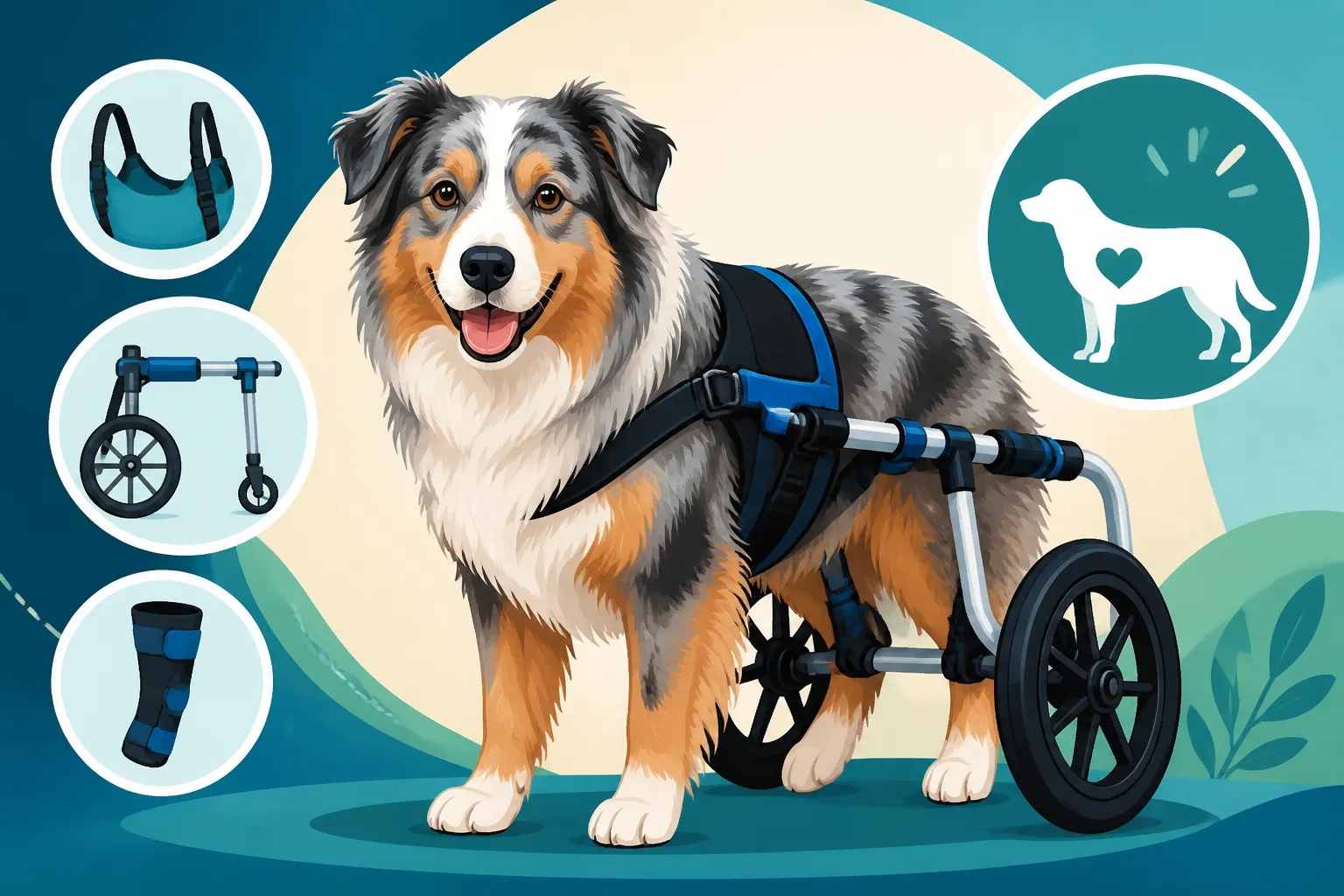
For Australian Shepherds experiencing significant weakness or paralysis in their hind legs, a dog wheelchair, often called a mobility cart, can be a life-changing invention. I've seen countless dogs, once resigned to dragging themselves, light up with joy the moment they're placed in a well-fitted cart. Suddenly, they're running, playing, and exploring again! These custom-fitted devices support their hindquarters (or sometimes all four limbs) allowing their front legs to propel them forward, or giving them full support if it's a quad cart. It’s important to work with a specialist or a reputable company to get a properly fitted wheelchair. A poorly fitted cart can cause rubbing, discomfort, or even injury.
Wheelchairs come in various designs, from those meant for short periods of exercise to those designed for all-day use. They are particularly beneficial for conditions like degenerative myelopathy or severe hip dysplasia where the hind limbs are compromised. Seeing an Aussie, who might be Deciding for an Australian Shepherd at Fourteen due to mobility issues, suddenly regain the ability to run is truly heartwarming. It can extend their active life significantly and provide immense mental stimulation. Introducing the cart gradually, with positive reinforcement, helps your dog adjust. Many dogs adapt surprisingly quickly, especially those who've been frustrated by their immobility. It’s an investment, but the return in your dog's happiness and independence is immeasurable. Remember to discuss this option with your vet or a rehabilitation specialist to ensure it's the right choice for your Aussie's specific needs.
Paw Protection and Traction Enhancements
Sometimes, the simplest solutions can make the biggest difference. For an aging Australian Shepherd, especially one with weakened hindquarters or an unsteady gait, losing traction on walks can be a major problem. Slippery pavement, wet grass, or even worn paw pads can make them hesitate or slip, leading to falls and reduced confidence. That’s where paw protection and traction enhancements come into play. Dog boots or socks with rubberized soles are excellent for providing extra grip, particularly on slippery surfaces. They also offer protection from hot pavement in summer or icy conditions in winter, which can be extra painful for sensitive, arthritic joints.
If full boots aren't your Aussie's style, consider paw balms or sprays that improve traction. Some products are specifically designed to create a non-slip grip on their paw pads. Another fantastic option is toenail grips, which are small rubber sleeves that fit over the nails, extending just beyond the quick to provide extra traction on smooth surfaces indoors. These can be especially helpful for dogs who struggle to stand on slippery floors but still have relatively good mobility otherwise. Regularly trimming your Aussie's nails is also crucial, as overgrown nails can interfere with their natural gait and reduce their ability to grip properly. Remember, every little bit of stability helps them feel more secure and confident, allowing them to enjoy their walks without fear of falling.
Strollers and Wagons for Extended Outings
Even with harnesses and traction aids, there might come a time when your senior Australian Shepherd can no longer keep up on longer walks or hikes, or when their stamina simply isn't what it used to be. This doesn't mean they have to miss out on family outings or fresh air. Dog strollers and wagons are wonderful tools that allow you to bring your Aussie along, even when their legs can't carry them the whole way. Imagine pushing your beloved senior dog around a park, letting them sniff the fresh scents and enjoy the sights from the comfort of a wheeled carriage. It keeps them engaged with the world, prevents isolation, and maintains their bond with you.
Modern dog strollers are much more robust than older models, with sturdy frames, good suspension, and ample space for an Australian Shepherd. Look for models with large, air-filled tires if you plan on going over uneven terrain, and ensure there's enough room for your Aussie to comfortably lie down or sit. Wagons, often larger and more rugged, are great for beach trips, farmers' markets, or other places where a stroller might struggle. Some even have removable sides, allowing your Aussie to easily get in and out. While it might feel a little different at first, the joy your dog will experience from continuing to be a part of your adventures is truly worth it. It’s about adapting, not giving up, and allowing your cherished companion to continue experiencing the world around them for as long as possible.
Integrated Approaches to Supporting Senior Aussie Mobility
Providing mobility aids is just one piece of the puzzle when caring for an aging Australian Shepherd. A truly comprehensive approach involves integrating various therapies, nutritional support, and thoughtful home adjustments to ensure their maximum comfort, independence, and overall quality of life. It’s about treating the whole dog, not just the symptom of stiffness.
Physical Rehabilitation and Therapeutic Exercises
Just like humans, dogs can greatly benefit from physical rehabilitation to manage pain, improve strength, and maintain mobility. For an aging Australian Shepherd, this can be a game-changer. A certified canine rehabilitation therapist or veterinary physiotherapist can assess your Aussie's specific needs and design a tailored exercise program. This isn't just about running them more; it's about targeted, controlled movements. Hydrotherapy, where dogs exercise in a water treadmill or a pool, is particularly beneficial. The buoyancy of the water reduces weight-bearing stress on joints, allowing them to move with less pain and build muscle strength without impact. I’ve seen dogs who could barely walk on land transform after a few sessions of hydrotherapy, their muscles rebuilding, and their confidence soaring.
Other forms of physical therapy include therapeutic exercises like passive range of motion, stretching, balance exercises, and core strengthening. These help maintain joint flexibility, prevent muscle atrophy, and improve overall body awareness and stability. Laser therapy, acupuncture, and massage can also be incorporated to manage pain and inflammation. The key is consistency and gentle progression. These aren't quick fixes but rather ongoing investments in your Aussie's comfort and well-being. Even simple at-home exercises, demonstrated by your therapist, can make a huge difference. Think of it as investing in their physical longevity, much like we plan for our own retirement. And speaking of investments, knowing you have a reliable pet insurance provider like Healthy Paws can give you peace of mind when exploring these therapeutic options, helping to manage the costs associated with specialized treatments.
Nutritional Support, Joint Supplements, and Pain Management
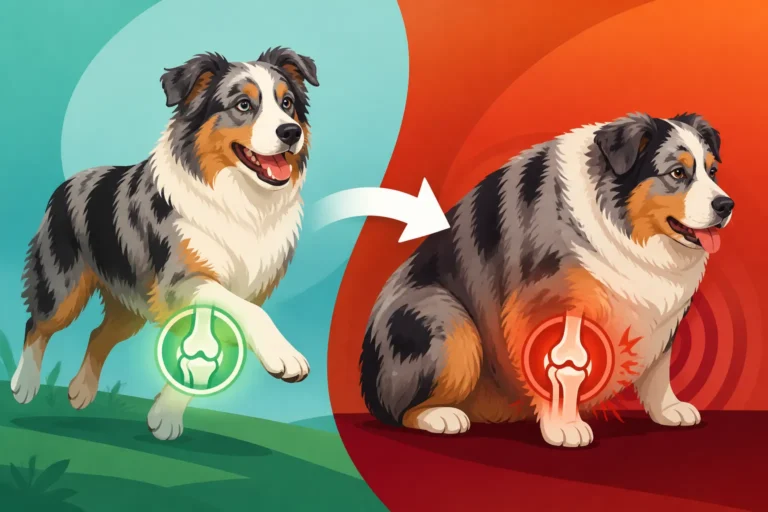
What we feed our Australian Shepherds, especially as they age, plays a critical role in their mobility. Maintaining a healthy weight is absolutely paramount. How Weight Multiplies the Load on Aussie Joints is a concept every senior Aussie owner needs to understand. Even a few extra pounds can significantly increase the stress on already compromised joints, worsening arthritis and accelerating degeneration. Work with your vet to determine the ideal weight for your senior Aussie and adjust their diet accordingly. Sometimes, simply reducing calorie intake or switching to a senior-specific formula, as outlined in What Changes in an Aussie Bowl at Eleven, can make a noticeable difference.
Beyond weight management, joint supplements can provide crucial support. Ingredients like glucosamine, chondroitin sulfate, MSM, and omega-3 fatty acids (specifically EPA and DHA) are widely recognized for their anti-inflammatory properties and ability to support cartilage health. Starting joint support on a young working Aussie can be beneficial, but it's never too late to start. Your vet can recommend reputable brands and appropriate dosages. For dogs experiencing significant pain, your vet may prescribe non-steroidal anti-inflammatory drugs (NSAIDs) or other pain medications. These can dramatically improve your Aussie's comfort and ability to move. Regular vet check-ups are essential to monitor pain levels, adjust medication as needed, and keep an eye on overall health. Proactive care and communication with your veterinary team are key to providing the best possible quality of life for your aging companion. Having good pet insurance, like a plan from Healthy Paws, can also help cover the ongoing costs of these medications and specialized diets.
Creating an Accessible and Safe Home Environment
Beyond specific aids, a thoughtful review of your entire home environment can reveal numerous opportunities to enhance your senior Australian Shepherd's safety and ease of movement. Just as we child-proof a home, we need to "senior-proof" it for our aging dogs. Start by identifying common pathways and problem areas. Are there stairs that can be blocked off with baby gates to prevent dangerous attempts? Are there slippery rugs that bunch up and become trip hazards? For an old Australian Shepherd losing its sight, navigating a familiar environment can become disorienting and stressful. Keeping furniture in consistent locations can help them create a mental map.
Consider your dog's daily routine. Where do they eat? Where do they sleep? Where do they go to the bathroom? Ensure these areas are easily accessible. For outdoor access, if a dog door is too high, can you build a small ramp? If their outdoor potty area is far away, can you create a closer, easily accessible spot? Even lighting can make a difference, especially for Aussies with declining vision. Good illumination in hallways and areas they frequent can prevent stumbles. Think about comfort as well. Providing easy access to fresh water throughout the house, especially after exercise or medication, is crucial. Every small adjustment you make contributes to a safer, more comfortable, and less stressful environment for your senior Australian Shepherd, allowing them to maintain their independence and dignity for as long as possible.
| Mobility Aid Category | Specific Aid Examples | Primary Purpose | Key Considerations |
|---|---|---|---|
| Support & Lifting | Full-body Harnesses, Rear-support Slings, Lift Vests | Assist with standing, walking, stair navigation, transfers | Comfort, adjustability, material durability, ease of use for owner |
| Access & Navigation | Pet Ramps (folding, telescopic), Pet Steps/Stairs | Help access furniture, vehicles, raised entrances, stairs | Incline angle, non-slip surface, weight capacity, storage |
| Traction & Protection | Non-slip Socks/Boots, Paw Grips, Paw Wax/Balm | Improve grip on slippery surfaces, protect paw pads | Fit (snug but comfortable), material breathability, durability |
| Assisted Mobility | Dog Wheelchairs (2-wheel, 4-wheel), Mobility Carts | Provide support for compromised or paralyzed limbs, enable walking/running | Proper custom fit, adjustability, lightweight frame, terrain suitability |
| Comfort & Rest | Orthopedic Beds, Elevated Feeders, Raised Bowls | Relieve pressure on joints, aid digestion, reduce neck/back strain | Foam density, size, washable covers, feeder height |
| Transport | Dog Strollers, Pet Wagons, Car Seat Boosters | Enable longer outings, reduce fatigue, provide safety during travel | Size & weight capacity, maneuverability, ventilation, safety features |
Disclaimer
This guide is intended for informational purposes only and is not a substitute for professional veterinary advice. Always consult with your veterinarian before making any decisions about your Australian Shepherd's health, treatment, or care, especially when introducing new mobility aids, supplements, or medications.