The Puppy Shot Series for an Aussie
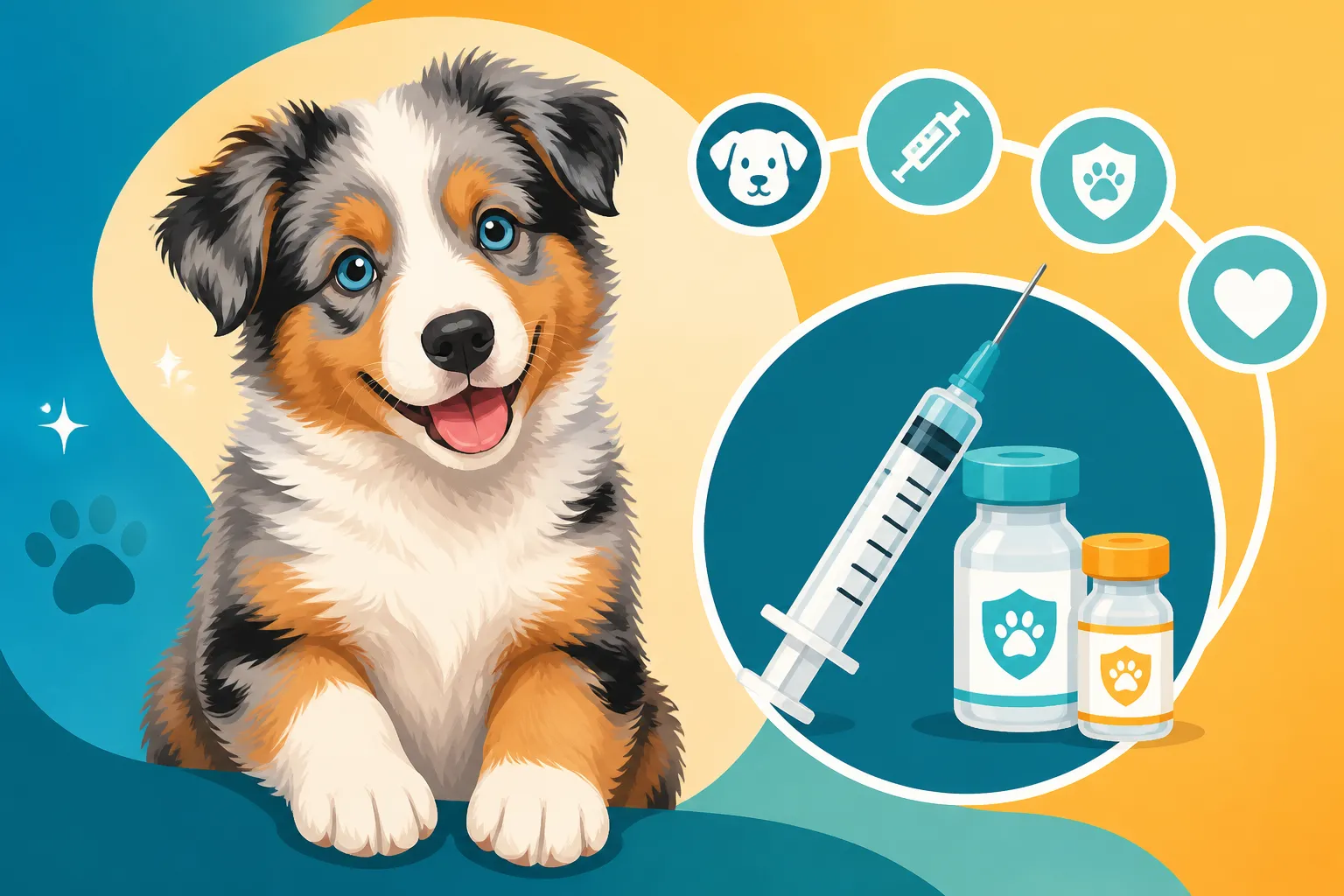
Bringing home an Australian Shepherd puppy is a whirlwind of joy, excitement, and let's be honest, a fair amount of anxiety about doing everything just right. One of the biggest worries for new puppy parents is navigating the crucial puppy shot series—making sure your energetic little bundle of fluff is protected against serious diseases without overwhelming their tiny system. This guide will walk you through the essential vaccinations your Aussie puppy needs, why timing is everything, and what to expect along the way to keep them healthy and thriving.
The Essential Puppy Vaccination Schedule for Your Aussie
When you first bring your Australian Shepherd puppy home, they're typically just starting their journey of vaccinations. It can feel like a lot of trips to the vet, but each injection is a vital shield against common, often life-threatening diseases that can easily be picked up in the environment. Understanding the core vaccines and their purpose will empower you as a responsible Aussie owner.
Core Vaccines: Distemper, Adenovirus, Parvovirus, and Parainfluenza
These four are often combined into one shot, commonly referred to as the "DHPP" or "DAPP" vaccine. They are considered core because the diseases they protect against are widespread, highly contagious, and carry severe health risks.
- Distemper (D): This is a nasty viral disease that attacks multiple body systems, including respiratory, gastrointestinal, and neurological systems. Symptoms can range from fever and coughing to vomiting, diarrhea, seizures, and paralysis. It's often fatal, and survivors can suffer permanent neurological damage. Vaccinating against distemper is non-negotiable for an Aussie puppy, especially given their curious, active nature that puts them in contact with various environments.
- Adenovirus (A/H): This vaccine typically covers two types of canine adenovirus. Canine Adenovirus Type 1 (CAV-1) causes infectious canine hepatitis, which can be severe and affect the liver, kidneys, and eyes. Canine Adenovirus Type 2 (CAV-2) is one of the culprits behind "kennel cough," a highly contagious respiratory illness. Protecting your Aussie from both ensures they don't develop serious liver issues or suffer from protracted respiratory infections, which can be debilitating for an active breed.
- Parvovirus (P): Canine parvovirus, or "parvo," is perhaps one of the most feared diseases for puppy owners. It's an incredibly hardy and contagious virus that attacks the intestinal lining and white blood cells. Puppies with parvo suffer from severe vomiting, bloody diarrhea, lethargy, and dehydration, often leading to death if not treated aggressively. Australian Shepherds are typically out and about, exploring the world, and parvo can be found everywhere, making this vaccine absolutely crucial. This is why limiting your Aussie's exposure until their series is complete is paramount.
- Parainfluenza (P): Another common cause of kennel cough, canine parainfluenza virus contributes to respiratory disease. While typically not as severe as distemper or parvo, it's highly contagious and can lead to uncomfortable coughing, sneezing, and nasal discharge. Including it in the core vaccine helps provide comprehensive protection for your Aussie's respiratory health, especially if they will be exposed to other dogs in training classes or dog parks.
The Critical Rabies Vaccine for Australian Shepherds
Rabies is a viral disease that attacks the central nervous system and is almost always fatal once clinical signs appear. What makes it particularly alarming is its zoonotic nature—it can be transmitted to humans. Because of this severe public health risk, rabies vaccination is legally mandated in most places across the United States and many other countries.
Unlike the DHPP series, the rabies vaccine is usually given as a single shot, often around 12-16 weeks of age, after the initial puppy series has begun. Your Australian Shepherd will receive a booster a year later, and then typically every one or three years thereafter, depending on local laws and the specific vaccine used. Even if your Aussie is an indoor-only dog, the law typically requires this vaccine, and for a breed known for its outdoor adventures and strong prey drive, the risk of encountering wildlife that could carry rabies, like bats, raccoons, or foxes, is ever-present. This makes the rabies vaccine not just a legal requirement, but a crucial safety measure for both your dog and your family.
Navigating Maternal Antibodies and Vaccination Timing in Aussies
The timing of your Australian Shepherd puppy's vaccinations isn't arbitrary; it's a carefully calculated dance around their natural immunity. Understanding this process can help you make informed decisions with your veterinarian and keep your puppy safe during a vulnerable period.
Why Timing Matters: The Maternal Antibody Interference Window
When an Aussie puppy is born, they receive antibodies from their mother through her colostrum, the nutrient-rich first milk. These "maternal antibodies" provide a temporary shield against diseases the mother is immune to. It's a fantastic head start, but it also creates a challenge for vaccination. These maternal antibodies can actually neutralize the vaccine, preventing the puppy's own immune system from developing its protective response. This period where maternal antibodies are present but declining, creating a window of vulnerability, is called the "maternal antibody interference window."
Vaccines are typically started around 6-8 weeks of age and boosted every 3-4 weeks until the puppy is 16 weeks or older. The goal is to give multiple doses, hoping that at least one of them lands after the maternal antibodies have dropped to a low enough level to allow the vaccine to work. This staggered approach ensures that by the time your Aussie puppy is around 16 weeks old, they have developed their own robust immunity. During this window, it's crucial to exercise caution with your puppy's exposure to unknown dogs or public places like dog parks, where disease transmission is higher. If you're looking for quality food to support your puppy's developing immune system, many owners explore options like Ollie for fresh, tailored nutrition.
Tailoring the Schedule to Your Australian Shepherd's Lifestyle
While there's a general recommended vaccination schedule, a good veterinarian will always consider your Australian Shepherd's specific lifestyle, environment, and potential risks. An Aussie living on a farm with livestock and exposure to wildlife might need different non-core vaccinations than one living in a suburban apartment, even though both are active.
For instance, an Australian Shepherd that frequently accompanies you on hikes through wooded areas or has access to stagnant water might benefit greatly from a Leptospirosis vaccine. This bacterial disease, often spread through the urine of infected wildlife, can cause severe kidney and liver damage. Similarly, if your Aussie will be attending doggy daycare, boarding facilities, or frequenting dog parks, a Bordetella vaccine (for kennel cough) is often recommended or even required. Your vet will discuss these "non-core" options based on a thorough assessment of your Aussie's planned activities. Having these conversations early can help ensure your Australian Shepherd is protected for all the adventures you plan to share.
Here’s a general overview of a typical Australian Shepherd puppy vaccination schedule:
| Vaccine Type | First Dose (Weeks) | Second Dose (Weeks) | Third Dose (Weeks) | Fourth Dose (Weeks) | Booster Schedule |
|---|---|---|---|---|---|
| DHPP/DAPP (Core) | 6-8 | 9-11 | 12-14 | 16 | Annually or Every 3 Years |
| Rabies (Core) | 12-16 | – | – | – | Annually, then Every 1 or 3 Years (Legally Mandated) |
| Leptospirosis | 12-16 | 3-4 weeks after 1st | – | – | Annually |
| Bordetella | 8-16 (single dose) | – | – | – | Annually (or every 6-12 months) |
| Lyme Disease | 12-16 | 3-4 weeks after 1st | – | – | Annually |
Note: This table provides a general guideline. Always consult your veterinarian for a schedule tailored to your Australian Shepherd puppy's individual needs and local regulations.
Understanding Potential Reactions and MDR1 Concerns with Aussie Puppy Shots
While vaccines are incredibly safe and effective, it’s normal for puppies to have some minor reactions, and Australian Shepherds have a unique genetic consideration that needs special attention. Knowing what to watch for can help you feel more confident during their vaccination series.
Common Mild Reactions to Vaccinations
Just like humans, puppies can experience mild side effects from vaccinations. These are generally short-lived and resolve on their own. The most common reactions include:
- Soreness or Swelling at the Injection Site: Your Aussie puppy might be a little tender where the shot was given. You might notice a small lump or slight swelling, and they might even limp for a day if the shot was in a leg. This is usually harmless and indicative of the immune system getting to work.
- Low-Grade Fever: A slight increase in body temperature is not uncommon. Your puppy might feel a bit warm to the touch or seem a little lethargic.
- Reduced Appetite and Lethargy: For a day or two after vaccination, your normally boisterous Aussie might be a bit quieter, sleep more, and not be as enthusiastic about their food. They might just want to snuggle more, which is perfectly fine.
- Mild Sneezing or Coughing (especially after intranasal Bordetella): If your Aussie receives an intranasal vaccine for kennel cough, they might have some mild sneezing or nasal discharge, which is usually fleeting.
These mild reactions are generally nothing to worry about and indicate that your puppy's immune system is responding to the vaccine. If you’re ever concerned, a quick call to your vet for reassurance is always a good idea. Many new Aussie owners find it helpful to stock up on essentials through reliable online retailers like Chewy, ensuring they have cozy beds and comforting treats for post-vaccine cuddles.
Recognizing More Serious Allergic Responses
While rare, more serious allergic reactions can occur. These usually happen within minutes to a few hours after vaccination and require immediate veterinary attention. Knowing the signs can literally be life-saving for your Australian Shepherd.
- Facial Swelling: This might appear as puffy eyes, a swollen muzzle, or even swelling around the ears.
- Hives: Bumps or welts on the skin, often accompanied by itching. These can be hard to spot under a thick Aussie coat.
- Vomiting and Diarrhea: While mild gastrointestinal upset can be a common minor reaction, severe, persistent vomiting and diarrhea, especially when combined with other symptoms, warrant immediate concern.
- Difficulty Breathing: This could manifest as rapid, shallow breaths, wheezing, or blue-tinged gums. This is a medical emergency.
- Collapse or Severe Weakness: If your puppy suddenly becomes extremely weak, disoriented, or collapses, seek emergency veterinary care immediately.
If you observe any of these more severe signs, do not hesitate; contact your veterinarian or an emergency animal hospital right away. It's always a good idea to stay near the vet clinic for about 30 minutes after your puppy receives vaccinations, just in case an immediate reaction occurs. When discussing the financial implications of unexpected vet visits, especially emergencies, conversations about pet insurance often come up. Companies like Healthy Paws can offer peace of mind, helping to cover unforeseen medical costs like these.
Specific MDR1 Considerations for Australian Shepherd Vaccinations
Here's where Australian Shepherds require special attention. Many Aussies carry the MDR1 Mutation Half of Australian Shepherds Carry, a genetic mutation that affects how their body processes certain drugs. While this mutation is primarily known for its impact on medications like ivermectin or loperamide, there is some ongoing discussion in the veterinary community about its potential, albeit rare, implications for vaccine reactions in some sensitive individuals.
While most standard vaccines are generally considered safe for MDR1-positive dogs, it's always prudent to inform your veterinarian that your Australian Shepherd is MDR1 positive or has not been tested. This allows them to monitor your puppy more closely post-vaccination, or in very rare cases, discuss alternative vaccination protocols if there's a history of severe reactions in the dog's line. Having your Aussie tested for MDR1 is part of The Health Tests Every Australian Shepherd Parent Needs and provides crucial information for their lifetime care. Understanding Australian Shepherd Vaccination and MDR1 Concerns is key to ensuring their safety during routine preventative care.
Beyond the Core: Additional Vaccines and Comprehensive Preventative Care
While the core vaccines form the bedrock of your Australian Shepherd puppy's immune protection, there are other important considerations for their long-term health, including non-core vaccines and parasite prevention.
Deciding on Non-Core Vaccines: Leptospirosis, Bordetella, and Lyme Disease
Beyond the essential DHPP and Rabies shots, your vet might recommend additional "non-core" vaccines based on your Aussie's risk factors. These are vital considerations that protect against specific regional or lifestyle-related threats.
- Leptospirosis (Lepto): This bacterial disease is spread through the urine of infected wildlife (like raccoons, deer, and rodents) and contaminates standing water, wet soil, and even puddles. If your Australian Shepherd will be exploring hiking trails, swimming in lakes or ponds, or living in an area with high wildlife presence, this vaccine is strongly recommended. Lepto can cause severe kidney and liver damage, and it's also zoonotic, meaning it can spread to humans. For an active Aussie who loves to splash and explore, the Lepto vaccine is a powerful layer of defense.
- Bordetella (Kennel Cough): This vaccine protects against Bordetella bronchiseptica, a primary cause of infectious tracheobronchitis, or "kennel cough." It's highly contagious and spreads easily in environments where many dogs congregate, such as dog parks, boarding kennels, grooming salons, and obedience classes. While kennel cough is usually not life-threatening, it's very uncomfortable for the dog, involving a harsh, honking cough. If your Aussie will be socially active, this vaccine is a smart choice and often required by dog facilities.
- Lyme Disease: Transmitted by ticks, Lyme disease can cause lameness, joint pain, lethargy, and in rare cases, kidney failure. If you live in a region where Lyme disease is prevalent or your Australian Shepherd spends a lot of time in wooded or tall grassy areas where ticks thrive, your vet may suggest this vaccine. However, vaccination alone isn't enough; it should always be combined with vigilant tick prevention, which is part of a broader parasite management strategy.
Your veterinarian will work with you to assess your Aussie's unique exposure risks and help you determine which of these non-core vaccines are appropriate. This personalized approach ensures your Australian Shepherd receives the most relevant protection without over-vaccinating.
The Broader Picture of Preventative Health for Your Australian Shepherd
Vaccinations are just one piece of the puzzle when it comes to keeping your Australian Shepherd healthy and thriving. Comprehensive preventative care is an ongoing commitment that spans their entire lifespan.
This includes regular deworming to protect against intestinal parasites, which puppies are particularly susceptible to. Your vet will recommend a schedule for fecal exams and deworming treatments. Beyond that, year-round flea, tick, and heartworm prevention is absolutely non-negotiable for an active breed like the Aussie. Heartworm disease is transmitted by mosquitoes and can be devastating, leading to severe lung disease, heart failure, and death. There are many safe and effective options for Parasite Prevention Safe for an MDR1 Australian Shepherd, so discuss these thoroughly with your vet, especially if your Aussie has the MDR1 gene.
Proper nutrition is another cornerstone of preventative health. Feeding your growing Australian Shepherd a high-quality, balanced diet supports their immune system, promotes healthy bone and muscle development, and gives them the energy they need for their boundless activity. Regular grooming, including brushing to manage their double coat and checking for mats or skin issues, is also important. Finally, consistent veterinary check-ups throughout their life, even when they seem perfectly healthy, are essential for early detection of potential issues. These annual or biannual visits are a chance for your vet to perform a thorough physical exam, discuss any changes in behavior or health, and ensure your Aussie stays on track for a long, happy life. Knowing the ins and outs of care from Australian Shepherd Puppy Health Checks at Eight Weeks to Senior Australian Shepherd Care After Ten is a lifelong journey.
Disclaimer
This article is for general informational purposes only and does not constitute professional advice. Laws, prices and regulations vary by location and change over time. Consult a qualified professional for guidance on your specific situation.