How Often an Aussie Needs Its Ears Checked
If you've ever had an Australian Shepherd, you know they're bundles of energy with luscious coats and expressive eyes. But often, amidst all the joy and activity, one area gets overlooked until it becomes a real headache: their ears. These beautiful, often semi-erect or dropped ears, combined with their thick double coat and love for adventure, create a perfect storm for all sorts of pesky problems. This guide is here to walk you through exactly how often you should be checking your Australian Shepherd's ears, what to look for, and how to keep those ears healthy and happy.
Understanding Why Australian Shepherd Ears Need Special Attention
It's not just about what you see on the surface; an Australian Shepherd's ear structure and lifestyle inherently make them more susceptible to certain issues than some other breeds. Knowing these underlying reasons can help you be more proactive in their care.
The Double Coat and Ear Structure
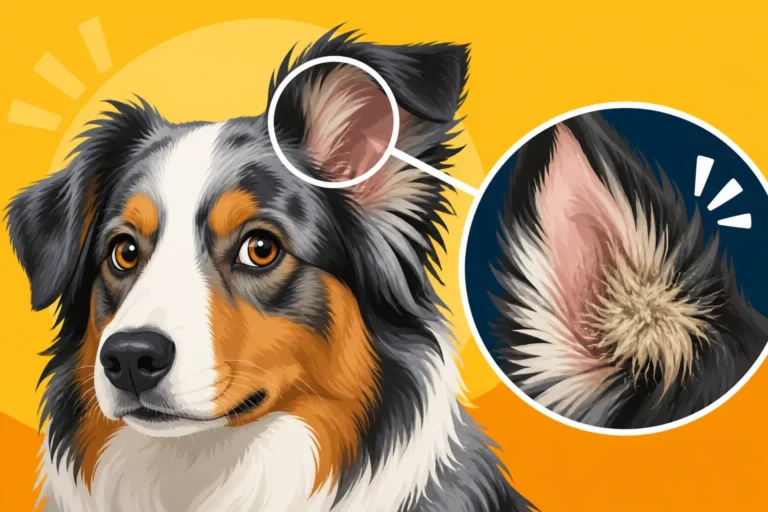
Australian Shepherds boast a magnificent double coat that is fantastic for keeping them insulated in various climates. However, this same dense fur, particularly the longer feathering around their ears, can trap moisture, debris, and even parasites. Imagine going for a romp through tall grass or splashing in a creek; all that lush fur acts like a net, catching everything it passes. This creates a warm, moist environment deep inside the ear canal – an ideal breeding ground for bacteria and yeast, which are the usual culprits behind ear infections.
Their ear carriage also plays a role. While some Aussies have fully erect ears, many have semi-erect or dropped ears. These ears, which fold over the ear canal, restrict airflow significantly more than fully open, upright ears. With less air circulation, moisture and heat are trapped, exacerbating the conditions for microbial growth. It's like putting a lid on a pot – all that warmth and humidity stays right inside, inviting trouble. This anatomical setup means you, as their dedicated caregiver, need to be extra vigilant.
Lifestyle Factors Contributing to Ear Issues
Beyond their natural physiology, an Australian Shepherd's active lifestyle is a huge factor in their ear health. These are working dogs, bred to be out in the fields, running through brush, and often enjoying a good swim. All that adventure, while wonderful for their physical and mental well-being, means their ears are constantly exposed to environmental elements.
Think about a typical day for an energetic Aussie: a hike through a wooded trail, chasing a frisbee in a grassy park, or perhaps even a quick dip in the lake on a hot day. During these activities, foreign bodies like grass seeds, foxtails, dirt, and even tiny insects can easily find their way into the ear canal. Once inside, these foreign objects can cause irritation, trigger allergic reactions, or even perforate the eardrum if they travel too far. Moisture from swimming or even just a very humid day can settle deep within the ear canal, leading to ear infections. Regular checks are not just a recommendation; they're a necessity for these adventurous dogs. Checking an Australian Shepherd for Burrs and Foxtails isn't just about their coat, it's vital for their ears too!
Recognizing the Early Signs of Ear Trouble
Before an ear issue escalates into something serious and painful, your Australian Shepherd will almost certainly give you clues. The trick is knowing what to look for and listening to what your dog is trying to tell you, even if they're not using words.
Visual Cues and Odors
One of the first things you'll notice if something is amiss with your Aussie's ears are visual changes. A healthy ear canal should be clean, pale pink, and free of discharge. When infection or irritation sets in, things change.
- Redness or Swelling: Gently lift your Aussie's ear flap and look inside. Is the skin redder than usual? Is there any noticeable swelling around the entrance of the ear canal? These are clear indicators of inflammation.
- Discharge: Any discharge is usually a red flag. It can range from dark brown, waxy buildup (often indicative of yeast or ear mites) to yellowish, pus-like discharge (more suggestive of a bacterial infection). Sometimes it can even be black and crumbly, like coffee grounds, which is a classic sign of ear mites.
- Crusts or Scabs: If your Aussie has been scratching or shaking their head excessively, you might notice crusts, scabs, or even raw spots around the ear flap or just inside the canal. This can be a secondary issue caused by their attempts to relieve discomfort.
- Hair Loss: In severe or chronic cases, you might observe hair loss around the ear or on the outside of the ear flap due to constant scratching.
Beyond what you see, use your nose! Healthy dog ears have a very faint, almost neutral smell. If you detect a strong, yeasty odor, a foul smell, or anything that reminds you of old socks or rotten fruit, it's highly likely an infection is brewing. Yeast infections often have a distinct sweet, pungent smell that's hard to miss once you've encountered it.
Behavioral Indicators of Discomfort
Dogs are masters at hiding pain, but even the stoic Australian Shepherd will show behavioral changes when their ears are bothering them. These might be subtle at first, but they become more pronounced as discomfort increases.
- Head Shaking: This is perhaps the most common and obvious sign. Your Aussie might shake their head vigorously, sometimes repeatedly, as if trying to dislodge something. It’s an instinctive response to an itch or irritation deep within the ear.
- Ear Scratching: Observe if your dog is scratching at their ears more than usual. They might use a back paw or rub their head along furniture or the carpet. Be mindful of excessive or frantic scratching, especially if it leads to skin abrasions.
- Ear Tilting or Drooping: An Aussie might hold the affected ear slightly lower or tilt their head to one side to try and alleviate pressure or pain. If one ear looks "off" compared to the other, pay close attention.
- Sensitivity to Touch: If your Australian Shepherd yelps, flinches, or pulls away when you try to touch their head or ears, it's a strong sign of pain or tenderness. This is particularly concerning and warrants immediate investigation.
- Rubbing Head on Surfaces: You might notice your dog rubbing the side of their head against furniture, the floor, or even your leg, trying to get relief from an internal itch or discomfort.
- Lethargy or Irritability: If the ear issue is causing significant pain, your otherwise lively Aussie might become less active, more withdrawn, or even a bit irritable when approached, especially if you get near their head.
Ignoring these signs can lead to more severe infections, chronic pain, and even potential hearing damage. Prompt action based on these early warnings is crucial for your Aussie's comfort and long-term health. Knowing the signs of Australian Shepherd Ear Infections is key to catching them early.
Establishing a Regular Ear Check Routine for Your Aussie
So, how often should you really be checking those ears? For an active Australian Shepherd, a weekly ear check is an excellent baseline. This isn't just about looking for problems; it's about making ear handling a positive, routine experience. For dogs that swim frequently or have a history of chronic ear issues, you might even consider checking them every few days.
Step-by-Step Weekly Ear Inspection
Making ear checks a calm, positive experience is key. Get into a routine, perhaps during your weekly grooming session or after a bath.
- Gather Your Supplies: You’ll need some dog-specific ear cleaner (ask your vet for recommendations, but many good options are available from retailers like Chewy or Amazon), cotton balls or gauze pads (avoid Q-tips, as they can push debris deeper), and plenty of high-value treats.
- Find a Quiet Time: Choose a moment when your Aussie is relaxed. Start by gently petting their head and ears.
- Lift the Ear Flap: Gently lift one ear flap to expose the inner ear.
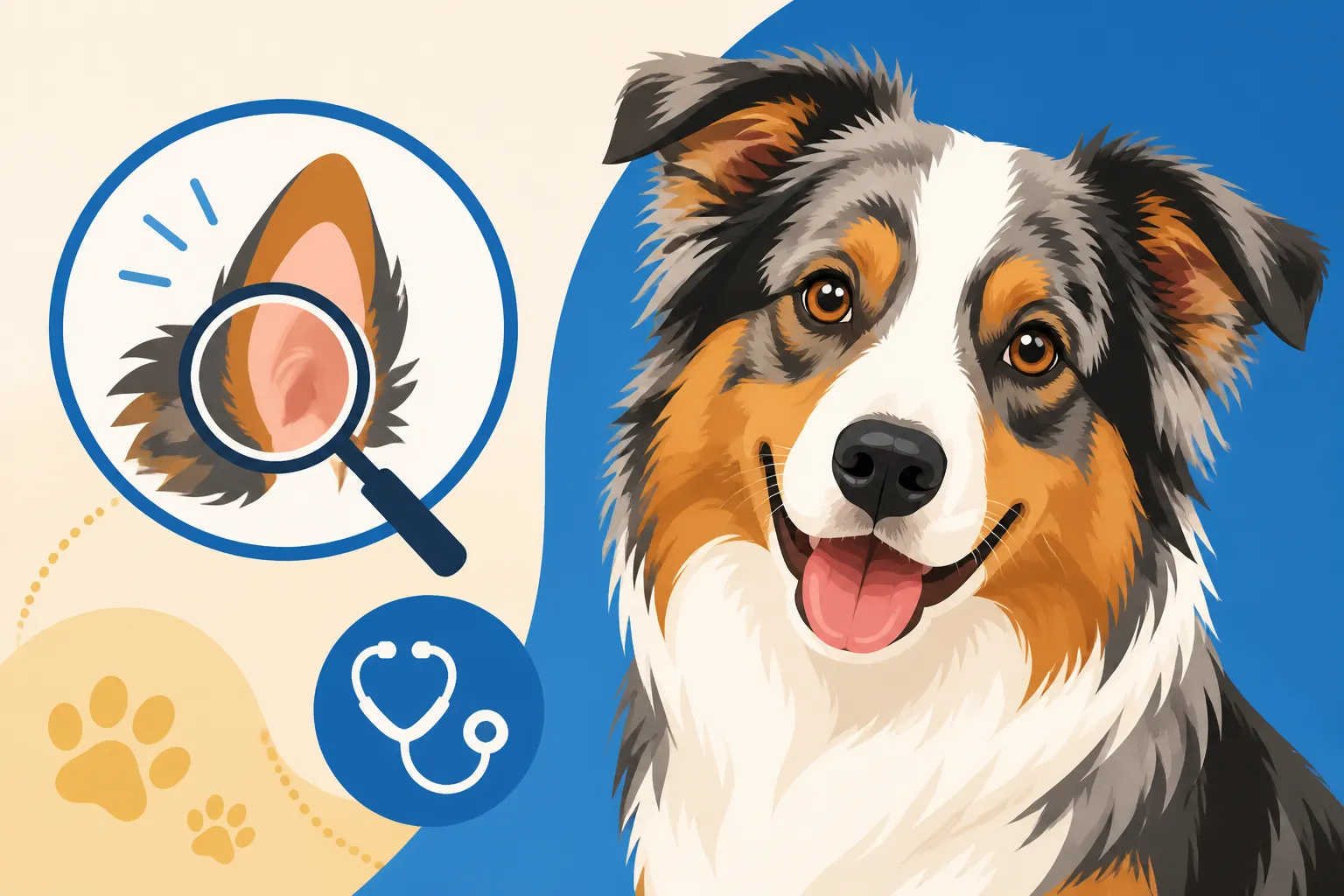
- Visual Inspection: Look closely at the visible parts of the ear canal. Is the skin a healthy, pale pink color? Is there any redness, swelling, discharge, or dark debris? Note any changes from what you consider "normal."
- The "Sniff Test": Bring your nose close and take a gentle sniff. Does it smell neutral, or do you detect any unusual odors like yeast, funk, or something foul?
- Gentle Palpation: Gently feel the base of the ear. Does your Aussie flinch or show any signs of pain? The area should feel soft and not swollen or hot.
- Address External Debris (If Present): If you see obvious dirt or a small amount of dark wax only in the outer ear folds, you can gently wipe it away with a cotton ball slightly dampened with ear cleaner. Never insert anything deep into the ear canal.
- Reward Heavily: Throughout the process, keep it positive. Offer praise and treats generously, especially when they cooperate. The goal is to make them associate ear checks with good things.
When to Clean, When to Just Check
A common misconception is that you need to clean your Aussie's ears every time you check them. This isn't true and can actually be counterproductive. Over-cleaning can disrupt the natural pH balance of the ear canal, leading to irritation and potentially more infections.
- Clean only when necessary: If you notice a mild buildup of wax, a slight odor, or a little dirt after a particularly muddy adventure, that's the time for a gentle cleaning. Follow your vet’s specific instructions for the ear cleaner, but generally, you'll apply a small amount into the ear canal, gently massage the base of the ear for 20-30 seconds to help break up debris, and then let your dog shake their head. After they shake, use a cotton ball to wipe away any loosened debris from the outer ear.
- Weekly checks are mostly observational: Most weeks, your check will simply be an inspection to ensure everything looks and smells normal. If it does, great! No cleaning necessary. Consistent observation is the goal.
This routine, along with a good diet (maybe something you get from Ollie that supports overall health), and plenty of exercise, forms the foundation of good ear care. Remember, the purpose of regular checks is early detection, not constant intervention. Australian Shepherd Dental and Ear Routine are two very important aspects of their overall care that go hand-in-hand.
| Signs of Ear Trouble | What to Look For (Visual/Smell) | What Your Aussie Might Do (Behavioral) | Recommended Action |
|---|---|---|---|
| Mild Irritation | Slight redness, minor waxy buildup | Occasional head shake, occasional scratch | Monitor closely, gentle external wipe if superficial wax. Consider cleaning if mild odor. |
| Developing Infection | Redness, swelling, dark waxy discharge, mild odor | Frequent head shaking, persistent scratching, ear rubbing | Schedule vet visit for diagnosis and treatment. |
| Moderate to Severe Infection | Pronounced redness/swelling, yellowish/pus-like discharge, strong foul odor, scabs | Constant head shaking, frantic scratching, yelping when touched, lethargy | Immediate vet visit. |
| Foreign Object/Trauma | Sudden onset of pain, visible foreign body, bleeding, raw spots | Sudden frantic pawing/scratching, intense head shaking, holding ear down, rubbing | Immediate vet visit. Do not attempt to remove deep objects. |
| Allergies (often recurrent) | Redness, generalized itching, sometimes hair loss around ear, chronic waxy buildup | Persistent scratching of ears/body, rubbing, recurrent infections | Consult vet for allergy diagnosis and management plan. |
When to Seek Professional Veterinary Help
Knowing when to transition from home care to professional veterinary attention is critical. Don't hesitate if you're ever in doubt. Early veterinary intervention can save your Australian Shepherd from unnecessary pain and prevent minor issues from becoming chronic or severe.
Persistent Symptoms or Worsening Conditions
If you've been doing your weekly checks and notice symptoms that are persistent, worsening, or just don't feel right, it's time to call the vet.
- No Improvement with Home Care: If you've tried a gentle cleaning for a mild waxy buildup and slight odor, but the symptoms haven't improved within a day or two, or they've actually gotten worse, a vet visit is needed. Over-the-counter cleaners are not treatments for active infections and can sometimes mask symptoms, delaying proper diagnosis.
- New or Severe Symptoms: The sudden appearance of significant redness, swelling, a strong foul odor, or any kind of pus-like discharge needs immediate professional assessment. These are classic signs of an active infection (bacterial, yeast, or both) that will require prescription medication.
- Pain or Aggression: If your usually docile Aussie becomes reactive, yelps, or shows any signs of aggression when you try to examine their ears, it indicates significant pain. A dog in this much discomfort needs prompt veterinary attention. Trying to clean or treat a very painful ear at home without proper diagnosis can be distressing for both of you.
- Visible Foreign Objects: While you might be able to wipe away some surface dirt, never attempt to remove a foreign object that has entered the ear canal. Grass seeds, foxtails, or even small burrs can travel deep, causing severe trauma or perforating the eardrum if extracted incorrectly. This is a job for a veterinarian with specialized tools. Australian Shepherd Paw Injuries From Hard Running can happen from these same hazards, so always be mindful of debris.
Understanding the Importance of a Vet Visit
A trip to the vet for ear issues is more than just getting a prescription. Your veterinarian will:
- Perform a Thorough Examination: This includes using an otoscope to look deep inside the ear canal, beyond what you can see at home. They'll check for foreign objects, eardrum integrity, tumors, or polyps.
- Take Samples: They'll often take a swab of the discharge for cytology (looking at the cells under a microscope) to identify whether the infection is bacterial, yeast, or mites. This is crucial for prescribing the correct medication. Without knowing the specific culprit, treatment can be ineffective.
- Prescribe Appropriate Treatment: Based on the diagnosis, your vet will prescribe specific ear drops, oral antibiotics, or anti-fungal medications. They might also recommend an anti-inflammatory to reduce swelling and pain.
- Discuss Underlying Causes: Recurrent ear infections often point to an underlying issue, such as allergies (environmental or food-related), anatomical predispositions, or even autoimmune conditions. Your vet can help you investigate these possibilities to prevent future recurrences. For some Aussies, underlying Australian Shepherd Skin, Coat and Allergy Problems are the true root of their ear woes. They might even recommend specific diet changes, perhaps exploring options from brands like Ollie if food allergies are suspected.
Regular ear checks at home are your first line of defense, but your veterinarian is your essential partner in keeping your Australian Shepherd's ears healthy. Don't underestimate the complexity of ear problems, and always prioritize professional advice when concerns arise.
Disclaimer
This article is for general informational purposes only and does not constitute professional advice. Laws, prices and regulations vary by location and change over time. Consult a qualified professional for guidance on your specific situation.