Crate Training an Aussie That Protests
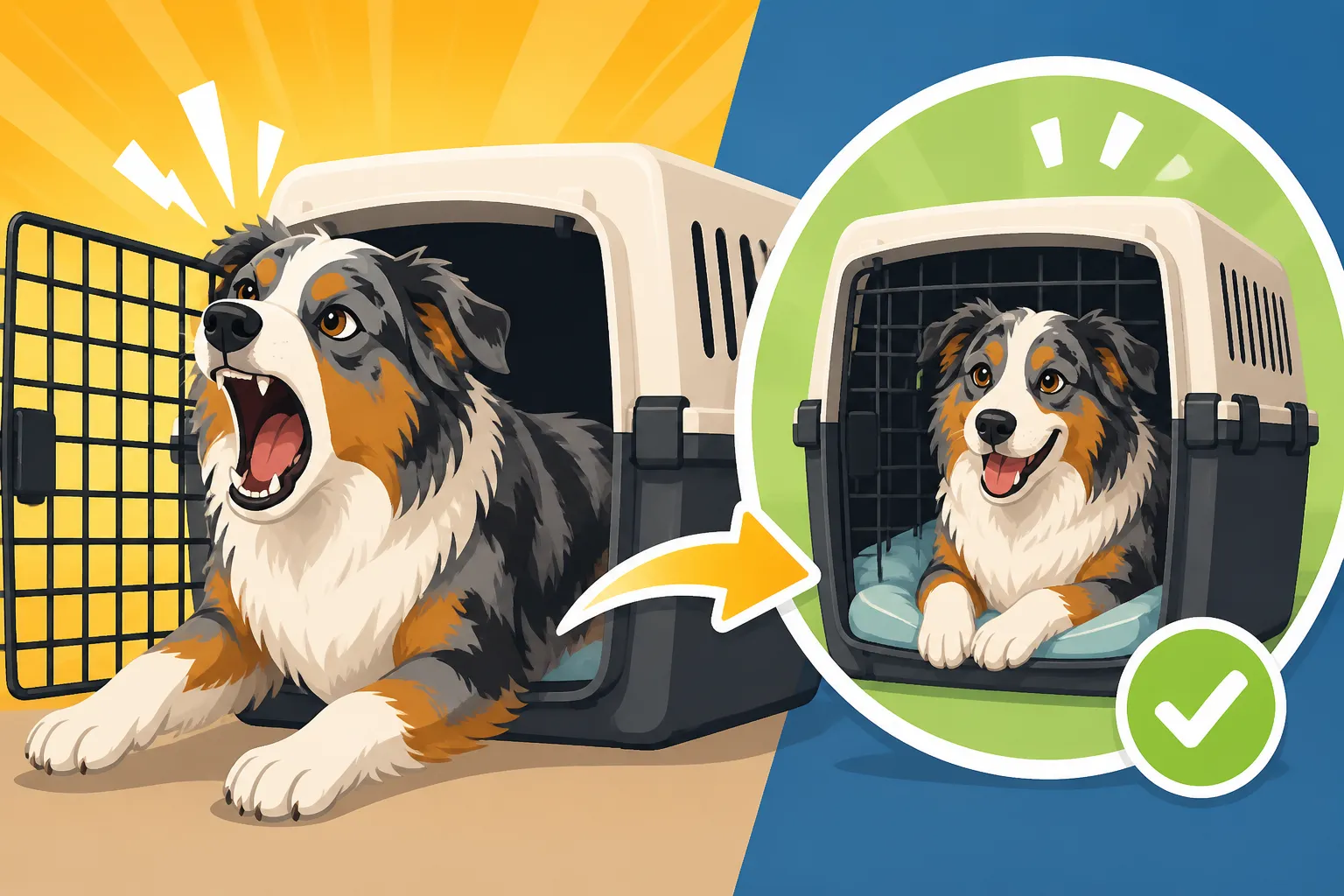
Bringing home an Australian Shepherd puppy or even an adult can be an absolute joy, but let's be real – sometimes that joy comes with the distinct, LOUD sound of a protesting Aussie in their crate. It's frustrating, disheartening, and can make you question everything you thought you knew about dog training. You want your dog to be safe and comfortable, but their dramatic objections make you feel like a terrible pet parent. This guide is all about navigating those vocal protests, understanding why your intelligent Aussie might be fighting the crate, and giving you practical, empathetic strategies to turn that crate from a perceived prison into a calm, safe haven.
Understanding Why Your Aussie Protests the Crate
It's easy to take an Aussie's crate protests personally, especially when they sound like they're being terribly wronged. But understanding the root cause of their objection is the first step toward finding a solution. Australian Shepherds are complex, smart, and deeply bonded dogs, and their protests usually stem from something very specific, not just stubbornness.
The Aussie's Innate Need for "Work" and Engagement
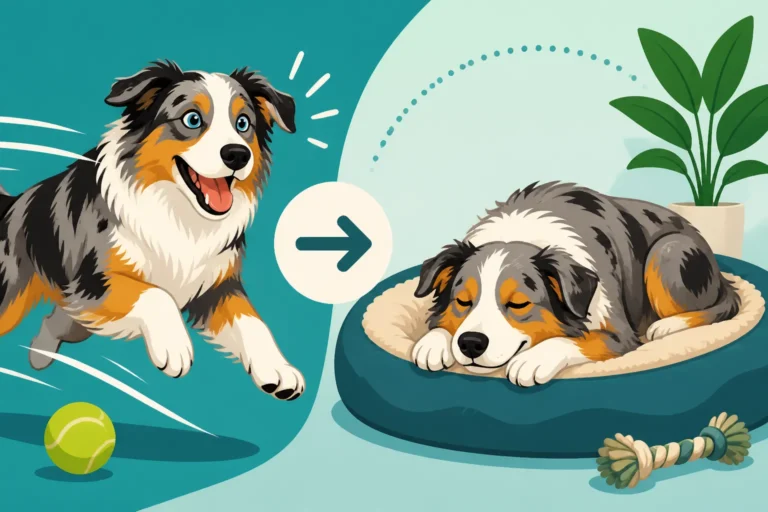
Let's face it, Aussies weren't bred to be couch potatoes. They come from a long line of working dogs, constantly engaged, problem-solving, and moving. If your Australian Shepherd isn't mentally and physically exhausted before going into the crate, that pent-up energy and sharp mind can quickly turn into anxiety or boredom, leading to protests. They're literally asking, "What's my job? Why am I just sitting here?" They might pace, bark, or even try to dig their way out because their brain is just too active for confinement.
Think about it: a well-exercised Aussie, both physically and mentally, is far more likely to settle. If they've had a solid game of fetch, a stimulating walk with lots of sniffing, or a demanding training session where they learned new tricks, their mental battery is drained. When they're then asked to settle, their natural inclination to do something is less overwhelming. Without that outlet, the crate can feel like a punishment rather than a safe space to rest.
It’s crucial to realize that for an Aussie, a simple stroll around the block probably isn't enough to satisfy their deep-seated drive. They need purposeful activity. This could be a vigorous session with a flirt pole, a challenging scent work game, or even a session of Australian Shepherd Agility and Disc Sports. Understanding and addressing this fundamental need for engagement is paramount to successful crate training.
Separation Anxiety vs. Crate Dislike
This is a critical distinction, and one that many Aussie owners struggle to differentiate. A dog that simply dislikes the crate might whine or bark for a short period, then settle. They might look a bit sad but aren't in a full-blown panic. Their protests are about inconvenience or a desire to be with you, not outright terror.
True separation anxiety, on the other hand, is a much more serious behavioral issue. It manifests as intense panic when left alone, whether in a crate or not. Signs can include excessive drooling, destructive behavior (even chewing through metal crates), frantic attempts to escape that can lead to injury, incessant barking or howling, and even house-soiling, even if they are perfectly house-trained. If your Aussie is exhibiting these extreme behaviors, especially if they are injuring themselves trying to get out, you are likely dealing with separation anxiety, and a different approach is needed. An Australian Shepherd Destroying Doors When Alone can be a symptom of true separation anxiety, not just crate protest.
If your Aussie’s protests are mild to moderate and subside after 10-15 minutes, it’s probably crate dislike or boredom. If it’s escalating into a full-blown panic attack, seek professional help immediately from a qualified veterinary behaviorist or certified professional dog trainer specializing in anxiety.
Prior Negative Experiences
Sometimes, an Aussie's aversion to the crate isn't genetic or personality-based; it's learned. A puppy from a crowded litter might have been crated for too long without potty breaks, creating an association between the crate and soiling its sleeping space. An adopted adult Aussie might have been crated as a punishment in a previous home, or even left for excessive periods, leading to trauma.
Even well-meaning owners can accidentally create negative associations. If the only time your Aussie goes into the crate is when you leave for work, they quickly connect the crate with your departure and their isolation. If you only ever use the crate when they've done something "bad" as a form of timeout, it becomes a punitive space. The key is to build positive associations from day one, ensuring the crate is always a place of comfort and reward, never a place of fear or punishment.
Consider if there was any moment that might have flipped the switch from neutral to negative for your Aussie. Perhaps an unfamiliar sound startled them while crated, or they felt trapped during a period of distress. Even a single negative incident can be enough for a smart, sensitive breed like the Australian Shepherd to develop a strong aversion. Rebuilding trust will require patience and consistent positive reinforcement.
Setting the Stage for Crate Success Before the Door Closes
Successfully crate training a protesting Australian Shepherd isn't just about what you do while they're in the crate; it's largely about the preparation and association you build before they even go in. This foundational work transforms the crate into something they willingly accept.
Choosing the Right Crate and Location
The crate itself matters more than you might think. It needs to be the right size – large enough for your Aussie to stand up, turn around comfortably, and lie down fully stretched out, but not so big that they can relieve themselves in one corner and sleep in another. For a growing puppy, you might need a crate with a divider to adjust the space. There are many types of crates available on sites like Amazon, from wire to plastic to furniture-style. Wire crates offer good ventilation and visibility, while plastic ones can feel more den-like and secure for some dogs.
The location is equally crucial. Place the crate in an area where your Aussie feels part of the family but also has a sense of security. A living room corner, your bedroom, or a quiet hallway can work. Avoid isolating them in a basement or garage, especially in the initial stages, as this can heighten anxiety. Having the crate in your bedroom at night, for example, can provide comfort and connection while they learn to settle. Getting a Restless Aussie to Settle in a Crate is much easier if the crate is in a calming, familiar spot.
Ensure the crate is comfortable. Line it with a soft bed or blankets. Some Aussies might appreciate a blanket draped over part of the crate to create a den-like feel, making it feel more secure and less exposed.
Making the Crate a "Happy Place" with Positive Association
This is perhaps the most important principle for any dog, but especially a sensitive Aussie. The crate should never be associated with anything negative. Instead, every interaction should be positive.
Start by simply leaving the crate door open and letting your Aussie explore it on their own terms. Toss high-value treats inside, especially delicious ones they don't get at any other time. Feed all their meals inside the crate, even if the door remains open at first. This builds a powerful association: "Good things happen here! Food comes here!" You can also give them special, long-lasting chews or puzzle toys (again, Amazon has a great selection of these) only when they are in their crate. This makes the crate the source of special, enjoyable items.
Practice short, positive entries. Say a cheerful cue like "Crate!" or "Kennel!", toss a treat inside, and when they go in to get it, immediately praise them. Don't close the door at first. Just let them go in, get the treat, and come out. Gradually, you'll work up to closing the door for a few seconds, then opening it and rewarding them. The key is to keep it positive, short, and always end on a good note.
The Role of Exercise and Mental Stimulation Before Crating
An under-exercised Aussie is a disaster waiting to happen, especially when it comes to crating. Their protests are often just an outlet for pent-up energy and an active mind. Before asking your Australian Shepherd to settle in their crate, ensure they've had adequate physical and mental stimulation.
A long, sniffy walk where they can explore their environment, a vigorous game of fetch or flirt pole in the yard, or even a session of training new tricks can help drain their energy reserves. Mental stimulation is just as important, if not more so, than physical exercise for this breed. Puzzle feeders, scent games, or learning complex commands can tire an Aussie's brain just as much as a run tires their body. Mental Work That Actually Tires an Australian Shepherd is invaluable for calming them down.
If you know you'll need to crate your Aussie for a few hours, plan their activity schedule accordingly. A solid block of exercise and mental enrichment about 30-60 minutes before crating can make a world of difference in their willingness to settle. They'll be more inclined to see the crate as a cozy place to relax and nap, rather than a confinement where they have to endure boredom. This proactive approach significantly reduces the likelihood of protests.
Gentle Techniques for an Aussie That Fights the Crate
Once you've set the stage with positive associations and proper exercise, it's time to work on gradually increasing acceptance of the crate. Patience is your most important tool when dealing with an Australian Shepherd that protests.
Gradual Introduction and Short Durations
Never force your Aussie into the crate. This can set back your training significantly. Instead, focus on making it their choice. Start with very short durations, building up slowly.
- Door open: Lure them in with a treat, let them eat it, and come right back out. Repeat this multiple times.
- Door closed for seconds: Once they are happily going in for treats, close the door for 1-2 seconds, then immediately open it and reward them. Slowly increase the time, literally second by second, rewarding calm behavior.
- Staying in for a minute or two: With the door closed, offer a high-value chew like a Kong filled with peanut butter or a bully stick (which you can find easily on Amazon). This keeps them occupied and creates a positive experience while the door is closed. Leave for a minute or two, then return and let them out before they start protesting. The goal is to always let them out when they are quiet and calm, reinforcing that behavior.
- Leaving the room: Once they're comfortable for a few minutes with you nearby, try leaving the room for a few seconds, then returning. Gradually extend this time. If your Aussie starts to protest, you've gone too far, too fast. Shorten the duration next time and build up more slowly.
Remember, this isn't a race. Some Aussies will take days, others weeks, or even months to become truly comfortable. The key is consistency and never pushing them past their comfort zone.
Addressing Whining and Barking
This is where many owners falter. When your Aussie starts whining or barking in the crate, your natural instinct is often to soothe them or let them out. However, responding to their protests, even with comforting words, can inadvertently reinforce the behavior. They learn that making noise gets your attention or gets them out of the crate.
The golden rule is: never let your Aussie out of the crate while they are actively whining or barking. Wait for a brief moment of silence, even just a second, and then open the door. This teaches them that quiet behavior, not noise, is what earns their freedom. If you're struggling, try these steps:
- Ignore: For initial, minor protests, try to ignore them completely. Turn your back, leave the room, or put on headphones. It's tough, but necessary.
- Redirection: If ignoring isn't working and the protests escalate, try a verbal interrupter. A sharp "Quiet!" or "Enough!" might get their attention. The moment they pause, even for a breath, reward them with a treat through the bars and praise for that split second of quiet.
- Re-evaluate: If the protests are incessant and prolonged, you've likely pushed them too far, too fast, or haven't provided enough pre-crate enrichment. Go back to shorter durations and higher-value rewards. Also, rule out any physiological needs – do they need a potty break? Are they hungry or thirsty?
It’s a fine line to walk, as you don't want to create fear. If the protests sound genuinely panicked rather than simply demanding, re-read the section on separation anxiety and consider professional help. However, for typical "I don't wanna be in here" protests, consistency in rewarding quiet is paramount.
Using Enrichment to Build Positive Associations
Enrichment is a game-changer for crate training a protesting Aussie. It transforms the crate from a boring box into a place of enjoyable activity. The goal is to make the crate so appealing that they look forward to going in.
- Long-lasting Chews: A frozen Kong stuffed with peanut butter, plain yogurt, or wet dog food can keep your Aussie occupied for a long time. Bully sticks, dental chews, or other high-quality, safe chew toys are also excellent. Reserve these special treats ONLY for crate time. This builds a strong positive association.
- Puzzle Feeders: These require your Aussie to use their brain to get food out, providing mental stimulation. Many varieties are available, from simple treat-dispensing balls to more complex sniff-and-find puzzles. You can find many options on Amazon that are durable enough for an Aussie.
- Scent Work: Hide a few highly aromatic treats (like small pieces of cheese or cooked chicken) in different spots inside the crate for your Aussie to discover. This makes entering the crate an exciting scavenger hunt. Scent Games That Tire an Australian Shepherd are wonderful ways to engage their powerful noses and minds.
Introducing these enrichment items only when they're in their crate can help shift their perspective. Instead of dreading the crate, they begin to anticipate it, associating it with delicious treats and engaging activities. This positive anticipation is key to overcoming protests.
When to Seek Professional Help and What to Look For
While many crate training protests can be managed with patience and consistent techniques, there are times when professional intervention is not just helpful but necessary. Knowing when to reach out can prevent further distress for your Aussie and yourself.
Recognizing Signs of True Separation Anxiety
As mentioned earlier, separating general crate dislike from true separation anxiety is crucial. If your Aussie's protests escalate beyond simple whining or barking into a state of panic, it's time to consult a professional.
Key signs of true separation anxiety when crated include:
- Self-Harm: Chewing through crates, breaking teeth, bloody paws from frantic digging, or injuring themselves trying to escape.
- Excessive Drooling/Panting: Beyond what's normal for slight stress, indicating significant distress.
- Inappropriate Urination/Defecation: Even in a perfectly house-trained dog, this can happen due to anxiety, not a lack of bladder control.
- Persistent, High-Pitched Howling/Barking: Not just occasional complaints, but sustained, desperate vocalizations.
- Destruction: Destroying blankets, beds, or the crate itself, often aimed at escaping.
If you observe these behaviors, your Aussie isn't being "stubborn"; they are in genuine distress. This isn't something to be trained out with treats alone. A certified professional dog trainer or a veterinary behaviorist can provide a proper diagnosis and develop a tailored management plan, which might include medication, specific behavioral modification protocols, and a gradual desensitization process. An Australian Shepherd That Gets Worse in the Evening could be displaying anxiety that needs professional assessment.
Finding a Trainer Who Understands the Aussie Temperament
Not all dog trainers are created equal, and for a breed as unique as the Australian Shepherd, finding one who truly understands their working drive, intelligence, and potential sensitivities is paramount.
Look for a trainer who:
- Employs positive reinforcement methods: Avoid trainers who advocate for punishment, harsh corrections, or "alpha" theory, especially when dealing with anxiety. This can severely damage trust with your Aussie and exacerbate their issues.
- Has experience with herding breeds: A trainer familiar with the Aussie's innate drive, tendency to herd, and need for mental stimulation will offer more effective strategies. They'll understand that an Aussie needs a "job" and can help you channel that energy constructively.
- Is certified: Look for certifications like CPDT-KA (Certified Professional Dog Trainer – Knowledge Assessed) or similar professional credentials. Veterinary behaviorists (DACVB) are specialists in animal behavior and often have DVM degrees.
- Offers a comprehensive approach: A good trainer won't just focus on the crate; they'll look at your Aussie's overall lifestyle, exercise routine, diet, and mental enrichment.
Companies like BAXTER & Bella offer online puppy training programs that can be incredibly helpful for foundational skills, including crate training, and they often have resources that address common behavioral challenges. While not a substitute for one-on-one professional help for severe anxiety, a good online program can provide excellent guidance for building a solid training foundation. When interviewing potential trainers, don't be afraid to ask about their philosophy, experience with Aussies, and what their approach would be to your specific crate-protest situation.
Remember, seeking help is a sign of responsible pet ownership, not failure. A professional can offer invaluable insights and techniques that can transform your Aussie's relationship with their crate, ensuring they are safe, comfortable, and happy.
Crate Training Protest Behaviors and Initial Responses
Here's a quick reference table to help you identify common protest behaviors and how you might initially respond. Remember, this is a starting point, and severe or escalating behaviors warrant professional help.
| Protest Behavior | What it Might Mean | Initial Response | When to Re-evaluate/Seek Help |
|---|---|---|---|
| Whining/Soft Crying | Mild objection, seeking attention, feeling lonely. | Ignore until quiet for a few seconds, then release. Or, offer a long-lasting chew when quiet. Ensure pre-crate exercise. | If it escalates to barking/howling, or doesn't subside. |
| Barking | Stronger objection, demanding attention, boredom, frustration. | Ignore until quiet for a brief moment. Do not engage visually or verbally. Reward quiet. Ensure mental and physical exercise beforehand. | If sustained for long periods (15+ mins), sounds distressed/frantic, or leads to self-harm. |
| Pawing/Scratching at Door | Attempting to escape, boredom, frustration, curiosity. | Redirect with a high-value chew/toy. Ensure crate is comfortable and not too large. Increase positive associations. | If pawing becomes destructive (damaging crate/paws), indicating high stress or escape attempts. |
| Digging/Chewing Bedding | Boredom, anxiety, nesting behavior (can be destructive). | Provide appropriate chew toys/enrichment. Use a more durable crate pad or no bedding if destructive. Ensure good pre-crate enrichment. | If destructive chewing leads to ingesting fabric/crate materials or self-injury. |
| Staring/Vocalizing at You | Seeking connection, attention, wanting to be let out. | Break eye contact. Do not speak to them. Wait for them to disengage and be quiet before opening the door. | If accompanied by signs of panic, such as excessive drooling or panting. |
| House-soiling (after potty) | Anxiety, marking, lack of appropriate crate size. | Ensure crate is appropriate size (not too big). Thoroughly clean crate. Rule out medical issues. If it's pure anxiety, seek professional help. | If it happens consistently despite ample potty breaks and proper crate sizing. |
The journey of crate training an Australian Shepherd that protests can be challenging, but it's a journey worth taking. With patience, understanding, consistent positive reinforcement, and knowing when to call in the cavalry (a good trainer!), you can help your Aussie not just tolerate their crate, but actually love it as their personal den.
Disclaimer
This article is for general informational purposes only and does not constitute professional advice. Laws, prices and regulations vary by location and change over time. Consult a qualified professional for guidance on your specific situation.