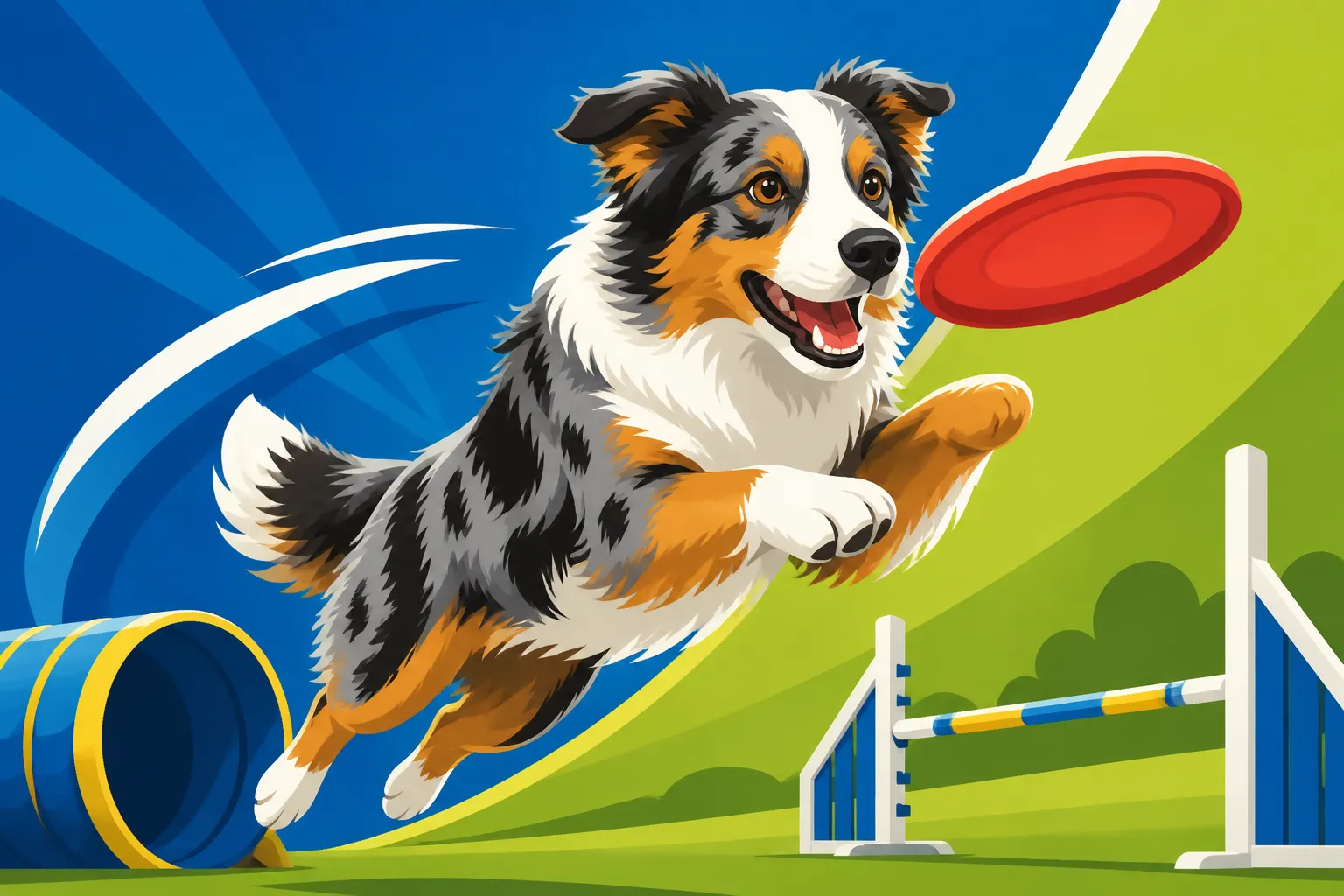
Australian Shepherd Agility and Disc Sports
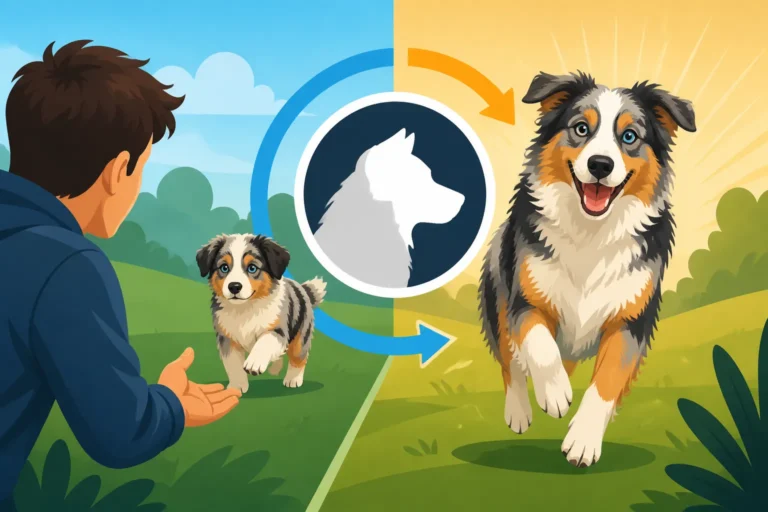
The boundless energy and sharp minds of Australian Shepherds can sometimes feel like a whirlwind in your living room, leaving many owners wondering how on earth to channel all that drive constructively. If you’ve ever found yourself exhausted after a "long walk" that barely touched your Aussie's battery, you're not alone. This guide is here to dive deep into two fantastic avenues for those intelligent, active dogs: agility and disc sports, exploring how these activities can transform that intense herding drive into a joyful partnership and a truly tired, happy companion.
The Core Drive: Why Aussies Excel in Dog Sports
Australian Shepherds weren't just born to look pretty; they were bred for demanding work, often alongside ranchers and cowboys, needing both physical prowess and keen intelligence. This heritage is precisely why they shine so brightly in dog sports like agility and disc work. It’s not just about burning off steam; it’s about fulfilling their very nature.
Innate Herding Instinct and Athleticism
Think about what a herding dog does: they observe, anticipate, move swiftly, change direction on a dime, and cover vast distances. These are the exact qualities that make an Australian Shepherd a natural athlete. They possess an inherent desire to control movement, to chase, to gather, and to respond to subtle cues from their handler. This isn't just a physical attribute; it's a deep-seated instinct. When you see an Aussie tear across a field, leaping over obstacles or snagging a disc out of the air, you're watching generations of selective breeding for performance come alive. Their powerful hindquarters, agile frames, and boundless stamina are perfectly designed for explosive bursts of speed and sustained effort, making them formidable competitors and joyful participants in almost any dog sport.
Beyond the sheer speed, their body awareness is incredible. They can navigate uneven terrain, duck under fences, and jump over hurdles with a grace that seems almost effortless. This athletic intelligence is a huge advantage in sports where quick decisions and precise movements are key. It’s why an Australian Shepherd doesn't just run an agility course; they attack it with enthusiasm, every muscle engaged, every thought focused on the next command. Their drive to move, and move with purpose, is a force that, when properly directed, becomes an incredible asset in these physically and mentally stimulating activities. The Australian Shepherd Herding Drive You Cannot Train Out is a fundamental part of their being, and channeling it into a structured sport like agility or disc work is far more effective than trying to suppress it.
Mental Acuity and Trainability
An Australian Shepherd isn't just a brawny worker; they're incredibly smart, often described as having an insatiable desire to learn and a strong need for mental stimulation. This isn't always a blessing, as a bored Aussie can quickly become a destructive or mischievous one! But in dog sports, this high intelligence and eagerness to please are invaluable. They pick up new commands and sequences with remarkable speed, often anticipating what you want before you even finish the cue. Their problem-solving abilities are on full display as they navigate complex agility courses or figure out the trajectory of a disc.
The communication loop between an Aussie and their handler in these sports is truly something to behold. They are incredibly attuned to body language, subtle vocal cues, and even changes in your breathing. This makes them highly trainable, not just for basic obedience, but for the intricate choreography required in performance sports. Training becomes a collaborative dance, a shared puzzle where both dog and human are actively engaged. This intense focus and desire for a "job" means that mental work that actually tires an Australian Shepherd is often far more effective than just physical exertion alone. They thrive on the challenge, the feedback, and the sheer joy of working alongside their person, making them ideal candidates for the intricate demands of agility and the precision of disc sports.
Diving into Agility: Obstacles, Training, and Benefits
Agility is perhaps one of the most popular dog sports, and for good reason. It’s a dynamic, exciting activity that showcases a dog’s athletic ability, intelligence, and teamwork with their handler. For an Australian Shepherd, it's a perfect fit, tapping into their natural speed, nimbleness, and desire to follow instructions.
Understanding the Agility Course
An agility course is essentially an obstacle course for dogs, designed to be navigated in a specific sequence, off-leash, and against the clock. It includes a variety of elements: tunnels (both open chute and collapsible), weave poles (requiring a zigzag motion), A-frames and dog walks (steep ramps and elevated planks that dogs must ascend and descend, often with "contact zones" they must touch), seesaws (teeter-totters), and various types of jumps (hurdles, broad jumps, tire jumps). The handler runs alongside their dog, guiding them through the course with vocal commands and body language, without touching the dog or the obstacles.
The challenge lies not just in clearing each obstacle, but in performing them correctly and in the right order. For example, dogs must enter weave poles from the correct side, maintain contact with the colored zones on the A-frame and dog walk, and perform all jumps cleanly. Faults are incurred for missed obstacles, knocked bars, or incorrect performance, and time is always a factor. Each course is different, designed by a judge, ensuring that both dog and handler are constantly learning and adapting. This constant variability keeps it fresh and engaging, providing an endless supply of novel challenges that truly give an Australian Shepherd a job instead of a walk.
Getting Started with Agility Training
Starting agility doesn't require a backyard full of professional equipment, nor does it demand your Aussie be a superstar from day one. The key is to build a solid foundation of obedience, enthusiasm, and confidence. Many local dog clubs offer beginner agility classes, and this is often the best way to start, as instructors can teach proper technique and ensure safety. You can also begin with homemade or inexpensive starter equipment purchased from places like Amazon to introduce your Aussie to the concept of jumping over low hurdles or running through a makeshift tunnel. The focus at first should always be on positive reinforcement and making it fun.
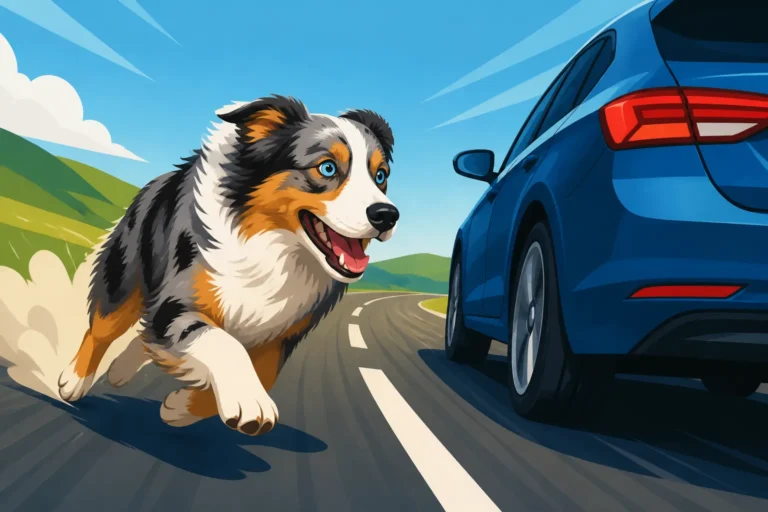
The initial steps often involve teaching your Aussie to go over a single low jump, through a straight tunnel, or onto a low contact obstacle. You'll work on building drive, reinforcing proper obstacle performance, and developing clear communication cues. Important foundational skills like a strong recall, stay, and directional cues (left/right) are paramount. Australian Shepherd Recall Around Moving Things is particularly crucial, as you'll need your dog to stay focused on you amidst all the excitement and distractions of a trial. Remember, patience is key. Each obstacle has its own learning curve, and some dogs might take to certain elements more quickly than others. Celebrate small victories and keep the training sessions short, positive, and engaging to maintain your Aussie's enthusiasm.
The Physical and Mental Payoffs of Agility
The benefits of agility for an Australian Shepherd are immense, touching on every aspect of their well-being. Physically, it's an incredible full-body workout. They're jumping, weaving, climbing, and running at high speeds, which strengthens muscles, improves cardiovascular health, and maintains agility into their senior years. This rigorous activity helps keep their joints mobile and their weight healthy, which is vital for a breed prone to Australian Shepherd Hip Dysplasia and Working Joints. It's a fantastic way to keep them lean, agile, and robust throughout their lives.
Mentally, agility is a powerhouse. It challenges their intelligence, problem-solving skills, and focus, satisfying their deep need for a "job." Learning sequences, responding to cues, and navigating new courses all provide the intense mental stimulation that Aussies crave. This engagement can significantly reduce common Australian Shepherd behavior problems from under-exercise or boredom, leading to a calmer, more content dog at home. The shared experience also strengthens the bond between you and your Aussie, building trust and a deeper understanding of each other. It's truly a partnership, fostering communication and mutual respect that extends far beyond the agility course.
The Thrill of Disc Sports: Catching Air and Building Bonds
If you've ever watched an Australian Shepherd launch themselves skyward to snatch a frisbee out of the air, you understand the pure joy and athleticism involved in disc sports. Also known as "disc dogging" or "Freestyle Frisbee," this sport celebrates the Aussie's explosive power, incredible leaping ability, and intense prey drive, all while building an incredible bond between dog and handler.
What Disc Dogging Entails
Disc dogging encompasses a variety of events, but at its heart, it's about a dog catching a flying disc thrown by a human. The most common forms are "Toss & Fetch" and "Freestyle." In Toss & Fetch, the goal is simply to have your dog retrieve the disc within a certain time limit, often from various distances, accumulating points based on where the catch is made on the field. It’s a test of accuracy for the thrower and speed/catch ability for the dog.
Freestyle, however, is where the artistry and athleticism truly shine. Here, dog and handler perform a choreographed routine to music, incorporating a wide array of throws, catches, and acrobatic maneuvers. This can include vaults (the dog leaping off the handler's back or leg), overs (jumping over the handler), multiple disc sequences, and complex aerial catches. It’s a beautiful display of teamwork, trust, and incredible canine athleticism. Regardless of the specific discipline, disc dogging encourages an active lifestyle, sharpens reflexes, and provides an unparalleled outlet for an Aussie's natural exuberance and desire to chase.
Basic Disc Skills and Safety
Before diving into complex aerials, it's essential to teach your Australian Shepherd the basics of disc play, focusing on safety. Start with soft, dog-specific discs, not hard plastic human frisbees that can damage their teeth. Introduce the disc as a fun toy, encouraging retrieves and short, low rolls. Teach a reliable "drop it" or "out" command, as resource guarding can sometimes be an issue for highly driven dogs. Gradual progression is key: begin with short, straight throws, then slowly introduce throws that require a little more movement or a small jump. Always pay attention to your dog's body language; they should be enthusiastic, not stressed.
Safety is paramount in disc sports, especially given the high-impact nature of jumping and landing. Always warm up your Aussie with some light jogging and stretching before a session and cool them down afterward. Avoid playing on hard surfaces like asphalt, opting for grass or soft dirt. Be mindful of extreme temperatures, especially heat, as Aussies with their double coats can overheat quickly. Australian Shepherd Paw Injuries From Hard Running are also a concern, so regularly check their paw pads for wear and tear. If you're looking for durable, dog-friendly discs, online retailers like Amazon offer a wide selection of brands known for their quality and safety.
Progressing to Freestyle and Competition
Once your Aussie has mastered basic retrieves and is comfortably catching discs in the air, you can begin exploring more advanced techniques and potentially even competition. Freestyle involves breaking down complex tricks into smaller, manageable steps. For example, to teach a vault, you might start by luring your dog over your leg while it's low to the ground, gradually increasing the height. Incorporating multiple discs requires teaching your dog to differentiate between active and inactive discs, and to bring back the correct one.
Many disc dog clubs and trainers offer workshops and classes specifically for freestyle. These are invaluable for learning proper throwing techniques, developing creative routines, and ensuring both you and your Aussie are performing safely and effectively. Competitions range from local fun matches to national and international championships, providing opportunities to test your skills and bond with a community of fellow disc enthusiasts. Even if competition isn't your goal, the process of teaching and learning these tricks will provide endless hours of fun, mental stimulation, and a truly unique connection with your Australian Shepherd.
Preparing Your Aussie for Sport: Health and Foundation
Before launching into the exciting world of dog sports, it’s crucial to ensure your Australian Shepherd is physically ready and possesses the foundational training to excel safely and happily. Skipping these steps can lead to frustration or, worse, injury.
Essential Health Clearances Before Sport
High-impact sports like agility and disc require your Aussie to be in peak physical condition. The first and most critical step is a thorough veterinary check-up. Your vet can assess overall health, joint soundness, and discuss any potential predispositions. For Australian Shepherds, specific genetic health screenings are highly recommended, especially considering the breed's prevalence of conditions like hip and elbow dysplasia, as well as various eye conditions. The Genetic Panel Every Australian Shepherd Needs includes tests for things like MDR1, Collie Eye Anomaly (CEA), and Hereditary Cataracts (HC), which are vital to know about.
If you adopted your Aussie or are unsure of their lineage, your vet might recommend X-rays to check for hip and elbow dysplasia, even if they show no outward symptoms. Starting a high-impact sport with underlying joint issues can exacerbate them significantly. Pay close attention to your Aussie's age as well. Young dogs have open growth plates, and intense jumping or repetitive impact before these plates close can cause permanent damage. Generally, most vets and trainers recommend waiting until at least 12-18 months of age, and often closer to two years for high-impact activities, to ensure all growth plates have fully fused. Australian Shepherd Growth Plates and When They Close varies by individual, so a vet's clearance is essential.
Building Foundational Obedience and Impulse Control
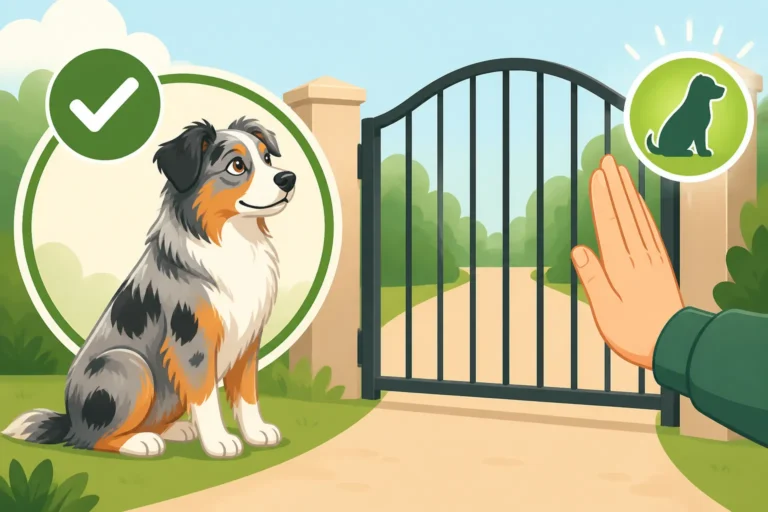
Beyond physical health, a strong foundation in basic obedience is non-negotiable for success and safety in dog sports. Your Aussie needs to understand and respond reliably to cues like "sit," "stay," "down," and a rock-solid "come" or recall, even amidst high distractions. A reliable recall is particularly vital in environments where your dog will be off-leash and highly stimulated. If your Aussie struggles with An Australian Shepherd That Cannot Switch Off, working on impulse control will be paramount.
Equally important is impulse control. Australian Shepherds are renowned for their drive, which can sometimes tip into overarousal, making it hard for them to focus. Training impulse control means teaching your dog to wait patiently, to not self-reward, and to look to you for guidance rather than bolting after every moving object. This might involve exercises like waiting for food, waiting at doors, or learning to ignore distractions in a controlled environment. A strong "leave it" command is invaluable both on and off the course. Many online training platforms, such as BAXTER & Bella, offer comprehensive puppy and adolescent obedience programs that can build these essential foundational skills, making the transition to dog sports much smoother. Investing in these basics ensures your Aussie is not only capable but also a polite and safe participant in any dog sport environment.
Finding the Right Path: Clubs, Trainers, and Resources
Embarking on a dog sport journey with your Australian Shepherd is exciting, but navigating the options for training and community can feel a little overwhelming at first. The good news is, there are usually plenty of resources available if you know where to look.
Locating Local Dog Sport Clubs
The best way to get started with agility or disc sports is often by joining a local dog sport club or training facility. These clubs provide structured classes, often led by experienced instructors, and offer access to appropriate equipment in a safe environment. You can typically find clubs through a quick online search for "dog agility classes near me" or "disc dog club [your city/state]." National organizations like the American Kennel Club (AKC), United States Dog Agility Association (USDAA), or North American Disc Dog Association (NADD) also have directories of affiliated clubs and events.
Visiting a local club, even just to observe a class or trial, can be incredibly insightful. It allows you to see different training styles, gauge the atmosphere, and talk to current members about their experiences. You'll often find a supportive community of like-minded individuals who are passionate about their dogs and the sport. Many clubs offer introductory courses that focus on foundational skills and proper obstacle performance, easing you and your Aussie into the sport without pressure. This collective environment is great for both you and your dog to learn from others and build confidence in new situations.
Choosing a Trainer Who Understands Aussies
Not all dog trainers are created equal, especially when it comes to working with high-drive breeds like Australian Shepherds. When selecting an instructor for agility or disc sports, it's vital to find someone who deeply understands the breed's unique temperament, intelligence, and herding instincts. A trainer accustomed to working with Aussies will appreciate their sensitivity, their need for mental stimulation, and their tendency towards overarousal if not managed correctly. Look for trainers who use positive reinforcement methods and focus on building a strong, joyful partnership rather than relying on punitive techniques.
Ask prospective trainers about their philosophy, their experience with Australian Shepherds or other herding breeds, and how they handle common Aussie traits like high drive, reactivity, or sensitivity. A good trainer will be able to help you channel your dog's energy effectively, teach you how to read their body language, and provide strategies for managing Australian Shepherd Reactivity and Overarousal in a high-stimulus environment. Finding a Trainer Who Understands an Aussie is crucial for both your success and your dog's enjoyment of the sport. They should be able to tailor their approach to your dog's individual needs, ensuring a positive and productive learning experience.
Online Resources and Training Programs
While in-person classes are ideal, online resources and training programs can be excellent supplements, especially for learning foundational skills or practicing specific elements at home. Many reputable trainers offer online courses, video tutorials, and even virtual coaching sessions. These can be particularly useful for owners in rural areas without access to local clubs or for those who want to brush up on techniques between classes.
Platforms like BAXTER & Bella, for instance, offer extensive online training programs that cover everything from puppy basics to advanced obedience, which are essential prerequisites for dog sports. They often provide step-by-step guidance, video demonstrations, and support from professional trainers. For disc dogging, there are numerous YouTube channels and websites dedicated to teaching throwing techniques and freestyle moves. When choosing online resources, look for those with clear, positive reinforcement-based instructions and a focus on safety. While online learning can't fully replace the hands-on feedback of an in-person coach, it's a fantastic way to deepen your understanding, practice regularly, and stay motivated on your dog sport journey. Don't forget that practical equipment like various types of discs, small cones, or low jumps are readily available online through popular retailers like Amazon, allowing you to set up your own practice space.
Comparison of Agility and Disc Sports for Australian Shepherds
To help you decide which sport might be the best fit for your Australian Shepherd, here's a quick comparison of agility and disc sports. Both offer incredible benefits, but they cater to slightly different aspects of an Aussie's natural abilities and require different types of commitment.
| Feature | Agility | Disc Sports (Disc Dogging) |
|---|---|---|
| Primary Skill Focus | Obstacle negotiation, sequence memory, handler direction, precise movement | Catching, jumping, speed, handler throwing accuracy, acrobatics |
| Mental Engagement | High: memorizing sequences, quick decision-making, problem-solving | High: anticipating disc trajectory, strategizing catches, freestyle choreography |
| Physical Engagement | High: sustained running, jumping, climbing, weaving, quick turns | High: explosive sprints, high jumps, aerial maneuvers, sudden stops |
| Required Equipment (Initial) | Low jumps, tunnels (can be DIY or inexpensive), weave poles | Dog-safe discs (multiple types/weights) |
| Space Needs (Practice) | Moderate to Large: requires open area for various obstacles | Moderate to Large: open field for throwing and running |
| Handler Involvement | Runs the course with the dog, uses body language and verbal cues | Primarily throwing, can involve handler movements for vaults/overs |
| Key Benefits | Builds confidence, body awareness, fine motor skills, handler communication | Enhances raw athleticism, incredible bond, creative expression |
| Common Challenges | Overarousal on course, contact zone performance, weave pole entry | Impulsive chasing, landing safety, teeth/mouth injury, handler throwing skill |
| Ideal Aussie Type | Energetic, highly trainable, enjoys complex tasks, good body awareness | High prey drive, loves chasing/retrieving, strong leap, robust health |
Common Challenges and How to Overcome Them
Even with the perfect Aussie and the best intentions, dog sports come with their own set of challenges. Understanding and proactively addressing these can make all the difference in ensuring a positive and sustainable experience for both you and your dog.
Overarousal and Focus Issues
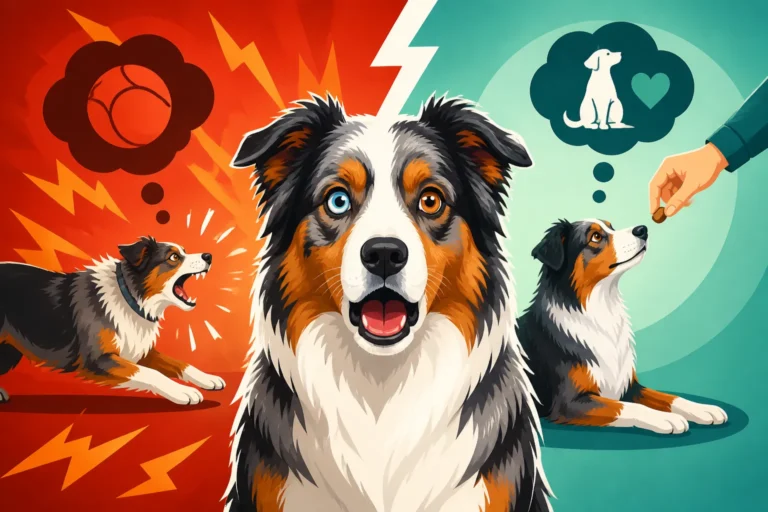
One of the most common hurdles with intelligent, high-drive breeds like Australian Shepherds in dog sports is managing overarousal. An Aussie's incredible enthusiasm can sometimes spill over into excessive barking, frantic movement, or difficulty focusing on the handler. They might become so excited by the activity or the environment that they start making mistakes, anticipating cues, or simply ignoring you. This isn't naughtiness; it's often a sign that their emotional bucket is overflowing.
Overcoming overarousal requires a multi-pronged approach. Firstly, work on "off-switch" training at home, teaching your Aussie to settle calmly even when exciting things are happening around them. Incorporate enforced naps, especially for younger dogs. Enforced Naps for an Overtired Aussie Puppy can do wonders for their ability to self-regulate. During training, keep sessions short, positive, and end them before your dog becomes frantic. Practice in increasingly distracting environments gradually. Teach relaxation techniques, like mat work, outside the sport context. During competition or busy classes, strategically provide breaks, quiet spaces, and use high-value rewards that can cut through the distraction. Sometimes, even a short walk away from the action can help reset their focus. The goal is to teach your Aussie to manage their excitement and maintain a clear head, so they can perform their best.
Managing Physical Demands and Injury Prevention
While Australian Shepherds are naturally athletic, dog sports are physically demanding, and injury prevention must always be a top priority. Repeated high-impact movements, sharp turns, and jumps can take a toll on joints, muscles, and soft tissues over time. This is especially true as dogs age, and Australian Shepherd Arthritis After Years of Work can become a real concern if not managed proactively throughout their lives.
To mitigate risks, ensure proper warm-up and cool-down routines before and after every training session or competition. This includes light jogging, stretching, and perhaps some gentle massage. Maintain your Aussie at a healthy weight; How Weight Multiplies the Load on Aussie Joints significantly increases the stress on their skeletal system. Incorporate cross-training activities like swimming or hiking to build overall strength and fitness without repetitive impact. Feed a high-quality diet, and consider veterinarian-approved joint supplements, especially for working or senior dogs. Regular veterinary check-ups are essential, and don't hesitate to consult a canine physical therapist or sports medicine vet if you notice any changes in your Aussie's gait, willingness to work, or general comfort. Learning to recognize subtle signs of lameness or discomfort is crucial. Your dog can't tell you they hurt, so observing their movements carefully, both on and off the course, is your responsibility to keep them safe and thriving in their sport for many years to come.
Disclaimer
This article is for general informational purposes only and does not constitute professional advice. Laws, prices and regulations vary by location and change over time. Consult a qualified professional for guidance on your specific situation.