Treat Costs for Daily Aussie Training
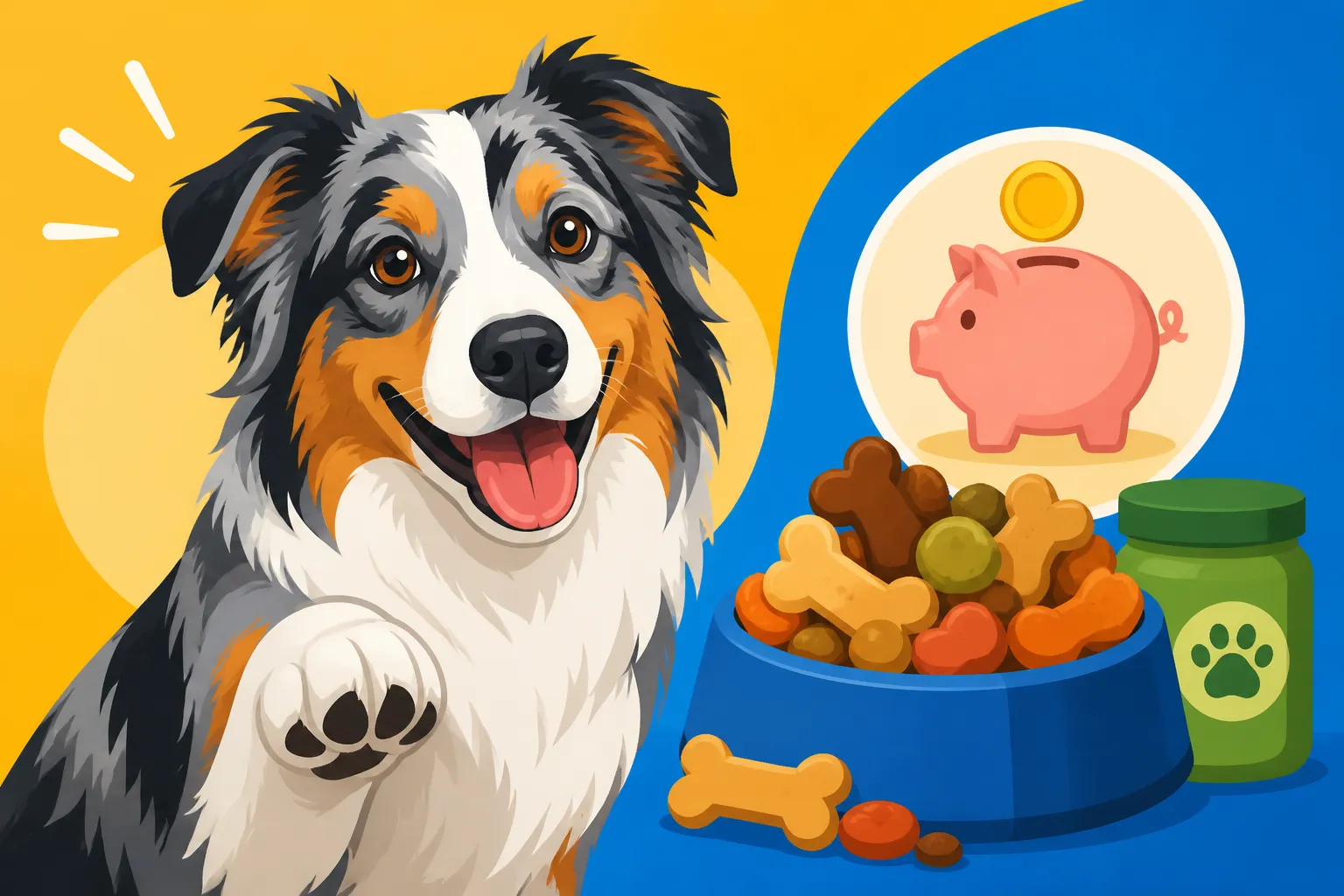
It’s a familiar scenario for any Australian Shepherd parent: you’re trying to teach a new trick, reinforce good behavior, or just keep your smart, energetic companion engaged, and you reach for a treat. Then you look at the bag, then your calendar, and you start to wonder if your daily training sessions are going to break the bank. You want to reward your Aussie consistently and effectively, but the cost of treats can add up fast. This guide is all about navigating those treat costs, making smart choices, and ensuring your Aussie gets all the delicious motivation they need without depleting your wallet.
Why Daily Treats are Essential for Australian Shepherd Training
Australian Shepherds are incredibly intelligent dogs, eager to please, and highly motivated by reinforcement. Treats are a powerful tool in their training, especially when you're working on complex tasks or trying to build a strong foundation of good manners. Dismissing treats as an unnecessary expense misses the point of how effective they are for these brilliant working dogs.
The Power of Positive Reinforcement
For an Aussie, positive reinforcement is the gold standard of training. They thrive on clear communication and rewards for desired actions. When your Australian Shepherd successfully performs a 'sit,' 'stay,' or a 'come' command, a tasty treat acts as a clear, immediate signal that they got it right. This positive association strengthens the behavior, making them more likely to repeat it. Imagine trying to teach your Aussie to ignore that squirrel darting across the yard without a high-value reward waiting – it’s a much tougher sell! Consistency is key, and daily training sessions, even short ones, reinforce these habits.
This isn't just about basic obedience either. If you're tackling more advanced activities like agility or rally obedience, or even just working on more nuanced home behaviors, having those rewards handy means your Aussie stays engaged and enthusiastic. It keeps their brilliant minds active, which is crucial for a breed that needs a job to do, even if that job is learning new tricks in the living room. These little rewards keep them focused and prevent frustration for both of you.
How Treats Enhance Learning and Engagement
Treats aren't just for 'good job' moments; they actually make the learning process more enjoyable and efficient for your Aussie. Think about it from their perspective: every time they offer a behavior you like, they get a little bonus. This keeps them guessing, keeps them motivated, and builds a stronger bond of trust between you. They learn that engaging with you is a rewarding experience.
Moreover, different types of treats can be used for different levels of difficulty or distraction. A low-value treat might be fine for a simple 'sit' in a quiet house, but when you're working on something really challenging, like teaching your Aussie to come off a chase when a deer runs by, you'll need something incredibly high-value to break their focus. The right treat at the right moment can make all the difference, helping them push through distractions and learn in more challenging environments. It turns training into a fun game, rather than a chore, which is vital for maintaining an Aussie's zest for life and learning.
Breaking Down the Real Cost of Training Treats
When you decide to actively train your Australian Shepherd daily, the cost of treats can quickly become a significant line item in your budget. It's not just about buying a bag of biscuits; it's about understanding the different types of treats, how frequently you use them, and the hidden costs that can sneak up on you.
Understanding Treat Categories and Prices
Treats for training come in a vast array of types, each with its own price point and purpose. Generally, you can categorize them into three main groups:
- Low-Value Treats: These are your everyday, run-of-the-mill biscuits or kibble. They're usually crunchy, often generic, and while palatable, they don't exactly send your Aussie into a frenzy of excitement. A large bag of these can be quite inexpensive, often just a few dollars, and they're good for basic reinforcement in low-distraction environments. However, their lower palatability means they might not be effective for harder tasks or when your Aussie is highly distracted. Think of them as the participation trophy of treats – nice, but not highly motivating.
- Mid-Value Treats: This category includes softer, chewier treats, often semi-moist, or small pieces of dried jerky. They have a stronger aroma and are generally more appealing. Brands like Zuke's Mini Naturals or Wellness Soft Puppy Bites fall into this category. They are excellent for daily training sessions, especially when you need repetition. A typical bag might cost anywhere from $7 to $15 and contain a good number of pieces. These are your workhorse treats, versatile enough for most situations, but still affordable.
- High-Value Treats: These are the big guns, reserved for challenging tasks, new environments, or when you really need to capture your Aussie's attention. Think freeze-dried salmon, liver bits, small pieces of cheese, boiled chicken, or specialized soft training treats. These are intensely aromatic and highly palatable. They are also, predictably, the most expensive per ounce. A small bag of high-value freeze-dried treats could easily run you $10-$20. While you wouldn't use them for every single 'sit,' they are indispensable for breaking through tough training plateaus or introducing your Aussie to novel, potentially scary, situations. For instance, when you're working on Australian Shepherd Reactivity and Overarousal, a high-value treat can make all the difference in redirecting their focus.
Here’s a quick overview of typical treat costs:
| Treat Category | Examples | Average Cost Range (per ounce/small bag) | Use Case |
|---|---|---|---|
| Low-Value | Dog biscuits, regular kibble | $0.10 – $0.30 per ounce | Basic commands, low distraction, high repetition |
| Mid-Value | Soft training bites, small jerky pieces | $0.50 – $1.00 per ounce | Daily training, moderate distraction, varied commands |
| High-Value | Freeze-dried meat, boiled chicken, cheese | $1.50 – $3.00+ per ounce | Difficult tasks, high distraction, specific behavior modification |
The Cumulative Effect of Daily Use
It's easy to underestimate how quickly treats disappear when you're training consistently. A typical training session might involve 20-30 repetitions of a behavior, meaning 20-30 individual treats. If you're doing a few short sessions a day, or working on complex chains of behaviors, you could easily go through 50-100 treats daily.
Let's do some quick math. If you're buying mid-value treats at, say, $10 for a 6oz bag, and that bag contains roughly 100 small pieces (this varies wildly by brand and treat size, of course), then each treat costs you about $0.10. Fifty treats a day means $5 a day, or $150 a month! That’s a significant chunk of change that many people don't budget for when they first bring home their Australian Shepherd. This is why understanding the "per treat" cost is so important, not just the "per bag" cost. It's not just the sticker price that matters, but how many effective rewards you get for your dollar.
Hidden Costs and How They Add Up
Beyond the direct purchase price, there can be other, less obvious costs associated with training treats.
- Shipping Fees: If you're ordering specialized treats online, shipping costs can add up, especially if you're not consolidating orders or meeting free shipping thresholds. This is where a platform like Chewy can be beneficial, offering free shipping on orders over a certain amount, allowing you to stock up on different types of treats for your Aussie.
- Impulse Buys: Walking into a pet store can be a minefield of adorable, but often overpriced, treats. It’s easy to grab a new flavor or a cute seasonal treat that you don't really need, adding to your overall expenditure. Having a plan and sticking to a shopping list can help curb these impulse purchases.
- Dietary Needs and Allergies: If your Australian Shepherd has specific dietary restrictions or allergies, finding suitable treats can be more expensive. Grain-free, limited ingredient, or novel protein treats often carry a premium price tag. For example, if your Aussie has Australian Shepherd Skin, Coat and Allergy Problems, you might need to invest in more specialized, and therefore pricier, options to avoid flare-ups. This is where reading labels carefully and sometimes consulting your vet for recommendations becomes crucial, as a cheap treat that causes an allergy flare-up will ultimately cost you more in vet bills.
- Spoilage: Buying in bulk can save money, but if you don't use treats quickly enough, or store them improperly, they can spoil. Soft treats can mold, and even dry biscuits can go stale and lose their appeal. Proper storage in airtight containers is essential to maximize their lifespan and prevent wasted money.
Smart Strategies to Manage Aussie Treat Expenses
The good news is that you don’t have to compromise on effective training or go broke feeding your Australian Shepherd. With a little planning and smart shopping, you can keep your treat costs manageable while still providing plenty of positive reinforcement.
Homemade Treats and DIY Solutions
One of the best ways to control treat costs and ensure quality ingredients is to make them yourself. Many human foods, in moderation, make fantastic, high-value training treats.
- Cooked Chicken or Turkey: Simply boil some plain chicken breast or turkey, let it cool, and cut it into tiny, pea-sized pieces. It’s incredibly palatable, low in fat, and very affordable when bought in bulk. These are fantastic for challenging training sessions.
- Cheese: Small cubes of low-fat cheese (like mozzarella or cheddar) are often irresistible to Aussies. Just be mindful of the calorie count and use sparingly.
- Boiled Eggs: Hard-boiled eggs can be chopped into small pieces. They’re packed with protein and generally loved by dogs.
- Sweet Potato: Baked or boiled sweet potato, cut into small cubes, is another healthy and affordable option. Many Aussies adore the sweet taste.
- Liver Treats: Dehydrated liver is a classic high-value treat. You can buy chicken or beef liver from your butcher, slice it thin, and dehydrate it in a dehydrator or a low oven. This is much cheaper than buying commercially prepared liver treats.
When making homemade treats, remember to cut them into tiny pieces. A small Aussie mouth doesn't need a huge chunk, and smaller pieces mean more repetitions per session without overfeeding. Always ensure the ingredients are dog-safe and avoid any seasonings, salt, or spices.
Leveraging Regular Kibble and Meal Portions
Don't underestimate the power of your Aussie's regular kibble! If your Australian Shepherd is food motivated, a portion of their daily kibble can be an excellent, free training treat. This is especially true for Aussies who are enthusiastic about their meals.
Instead of putting their entire meal in a bowl, measure out a portion for the day and keep it in a treat pouch. Use this kibble for routine training sessions, reinforcing basic commands, or practicing tricks indoors. This strategy helps manage weight, as you're not adding extra calories beyond their regular diet. It also ensures they're getting a balanced nutritional intake, especially if you're feeding a high-quality food. For an Australian Shepherd puppy, using their kibble for training can be a great way to start good habits early without constantly introducing new foods, which helps with Australian Shepherd Puppy Diarrhea After Homecoming.
Smart Shopping: Bulk Buys, Sales, and Subscriptions
When it comes to commercial treats, being a savvy shopper can significantly cut down costs.
- Buy in Bulk: Larger bags often offer a better price per ounce. If you know your Aussie loves a particular treat, and it has a long shelf life, buying the biggest bag available is usually the most economical choice. Just make sure you have proper airtight storage to keep them fresh.
- Look for Sales and Coupons: Keep an eye on weekly flyers from pet stores, or check online retailers like Chewy for sales events. Signing up for email newsletters from your favorite brands or pet supply stores can often net you exclusive discounts and coupons.
- Subscription Services: Many online retailers offer subscription services where you can set up recurring deliveries of your preferred treats. These often come with a discount, saving you a percentage off each order. Brands like Ollie, known for fresh, human-grade dog food, also offer options for treats or can be a source for high-quality food that you can repurpose as training rewards. If you're already getting your dog food through a subscription, adding treats can often simplify things and save on shipping.
- Compare Unit Prices: Don't just look at the bag price. Always compare the "price per ounce" or "price per treat" to truly understand which option offers the best value. A seemingly cheaper bag might actually be more expensive if it contains less product.
The Treat Pouch: Your Best Friend for Portion Control
A good treat pouch isn't just convenient; it's a tool for portion control. By loading your pouch with a measured amount of treats for a training session, you become more mindful of how many you're giving out. This prevents absentmindedly grabbing too many, and helps you keep track of your daily treat usage. It also ensures that treats are always readily available when your Aussie does something right, making your timing perfect for effective reinforcement. Keep the treats small, soft, and easy to dispense quickly. The goal is rapid reward, not a full snack.
Making the Most of Every Treat
Treats are a valuable resource, and knowing how to maximize their impact can save you money and enhance your Australian Shepherd's training. It's not just about what you give, but how and when you give it.
The Art of the Tiny Treat
This is perhaps the single most important tip for managing treat costs and preventing your Aussie from gaining too much weight. Most commercial training treats are far larger than necessary. Your Aussie doesn't need a whole cookie; they just need a small, palatable taste to signify success.
Think pea-sized, or even smaller, especially for high-value treats. If you have soft, chewy treats, you can often cut them into 4-6 smaller pieces. Freeze-dried meats can be crumbled. The smaller the treat, the more repetitions you can get out of a single bag, and the fewer extra calories your Aussie consumes. This is particularly important for active breeds like Aussies, where maintaining a lean, healthy weight is crucial for joint health, as covered in topics like Australian Shepherd Hip Dysplasia and Working Joints. When you need to give Treats Small Enough for Aussie Training Repetition, this strategy is indispensable.
Varying Treat Value for Different Scenarios
Not all behaviors are created equal, and neither are all distractions. Tailor your treat choice to the difficulty of the task and the level of distraction.
- Low-Distraction, Easy Tasks: Use low-value treats (like kibble or plain biscuits) for basic obedience in a quiet home environment. For instance, practicing "sit" or "down" when your Aussie is calm and focused.
- Moderate Distraction, New Tasks: Mid-value treats are perfect for introducing new behaviors or practicing known behaviors in slightly more distracting environments, like your backyard.
- High Distraction, Challenging Tasks: Break out the high-value treats (chicken, cheese, freeze-dried options) for situations where you really need to capture your Aussie's attention, such as proofing a recall command at the park or working on something your Aussie finds particularly difficult or anxiety-provoking. This targeted approach means you conserve your more expensive treats for when they truly matter, stretching your budget further.
Combining Treats with Other Rewards
While treats are fantastic, they shouldn't be your only form of reinforcement. Integrating other types of rewards keeps things exciting for your Australian Shepherd and reduces your reliance solely on food.
- Praise and Affection: A happy, enthusiastic "Good dog!" and a gentle scratch behind the ears can be incredibly rewarding for many Aussies, especially after they've received a treat.
- Play: For a high-energy Australian Shepherd, a quick game of tug or fetch can be a powerful reward, especially for behaviors like a fast recall or a successful retrieve. Ending a training session with a short play break can be very motivating. Sometimes, offering Tug as a Legal Outlet for Aussie Herding Drive can be even more rewarding than a treat for these working dogs.
- Life Rewards: Sometimes, the reward is simply getting what they want. Want to go outside? Your Aussie sits at the door, you say "Good sit!" and then open the door. Want to chase the ball? Your Aussie waits patiently, you release them with "Okay!" These "real-life rewards" are extremely powerful and cost nothing.
- Environmental Rewards: Access to a favored toy, sniffing a new bush on a walk, or greeting a friendly person can all be used as rewards for good behavior. Teaching your Aussie to look to you before accessing these things builds impulse control and attention.
When to Phase Out Treats (or Adjust)
The goal isn't to be a treat dispenser forever. As your Australian Shepherd masters a behavior, you can gradually start to "fade" the treat by:
- Intermittent Reinforcement: Instead of rewarding every single time, start rewarding every second, then every third, then more randomly. This makes the behavior more durable because your Aussie learns to perform it in anticipation of a reward, even if it doesn't come every time. This is key for things like a reliable Australian Shepherd Recall Off a Squirrel.
- Using a Lure and Fade: Initially, you might use a treat to lure your Aussie into position (e.g., holding a treat over their head to get a sit). As they understand the verbal cue, you reduce the lure until the treat is no longer visible, but still given as a reward.
- Rewarding with Life: Once a behavior is solid, you can transition to using more praise, play, and real-life rewards. For example, your Aussie sits politely before greeting a visitor, and the reward is getting to greet the visitor.
However, never stop using treats entirely, especially for important behaviors. Keep a stash of high-value treats for emergency recalls, or for reinforcing difficult behaviors in new environments. Treats can always be brought back to refresh a behavior or help your Aussie through a challenging new experience. Even an adult Australian Shepherd benefits from occasional treats to keep their motivation high and their skills sharp, preventing An Aussie That Will Not Hand Things Over or other undesirable habits. The key is to be strategic about their use, ensuring maximum impact for every delicious bite.
Disclaimer
This guide offers general information and recommendations regarding Australian Shepherd treat costs and training strategies. It is not a substitute for professional veterinary advice or certified dog training consultation. Always consult with your veterinarian regarding your Australian Shepherd's specific dietary needs, health conditions, and appropriate treat choices, especially if they have allergies or medical issues. Individual results and costs may vary.