Aussie Coat Care After Swimming in a Lake
Oh, the sheer joy of watching your Australian Shepherd leap into a cool lake on a hot day, splashing and retrieving with pure abandon! It's one of those quintessential Aussie moments, isn't it? But then, the fun ends, and you're faced with a soaking wet, potentially matted, and surprisingly dirty dog, wondering how on earth you're going to get that dense double coat clean and dry without it becoming a smelly, matted mess. Many of us have been there, struggling with persistent dampness and hidden debris. This guide is here to help you navigate the post-swim coat care routine, ensuring your adventurous Aussie stays healthy, comfortable, and beautiful after every lake adventure.
The Unique Challenge of the Aussie Double Coat and Lake Water
It’s easy to underestimate just how much of a magnet your Australian Shepherd’s coat can be for everything a lake has to offer. That gorgeous, weather-resistant fur that makes them so robust in various climates also presents a significant challenge when it gets thoroughly drenched.
How the Double Coat Traps Moisture and Debris
Your Aussie's coat is a marvel of natural engineering, consisting of a soft, dense undercoat for insulation and a coarser, water-resistant outer coat that provides protection. This combination is fantastic for keeping them warm in winter and helping to regulate their temperature, but it's also a double-edged sword when it comes to swimming. When your Aussie plunges into a lake, that undercoat acts like a sponge, soaking up an incredible amount of water. It holds onto that moisture deep against the skin, making it incredibly difficult to dry properly.
Beyond just water, a lake is full of other things that get trapped in those layers. Think about it: silt, sand, mud, tiny bits of leaves, stray twigs, and even algae or other organic matter that you might not even notice at first glance. These particles don't just sit on the surface; they work their way down, getting embedded in the undercoat and settling against your dog's skin. This isn't just an aesthetic problem; this trapped debris, combined with prolonged dampness, creates a perfect breeding ground for bacteria and yeast, which can quickly lead to uncomfortable skin irritations or nasty hot spots. It's a real frustration to think you've cleaned them, only to find a gritty residue days later!
Why Air Drying Just Isn't Enough for an Australian Shepherd
If you've ever thought, "Oh, they'll just air dry," you're not alone. Many new Aussie owners make this assumption, only to discover their dog remains damp for hours, sometimes even overnight, especially in cooler climates or if they've been swimming multiple times. The sheer density of the Australian Shepherd's double coat means that air simply cannot circulate adequately to dry the undercoat all the way down to the skin.
When the undercoat stays damp for an extended period, it's not just uncomfortable for your dog; it poses significant health risks. That warm, moist environment creates the ideal conditions for fungal and bacterial infections to flourish, leading to itchy skin, unpleasant odors, and the dreaded hot spot. These can be incredibly painful for your dog and a real headache to treat. Even in warm, sunny weather, the sun might dry the outer coat, but the dense underlayer often remains stubbornly wet. This is why active, thorough drying is an absolute non-negotiable step after your Aussie enjoys a lake swim. Without it, you’re practically inviting skin problems and a perpetually damp, potentially smelly dog.
Essential Tools for Post-Swim Aussie Coat Care
To properly care for your Australian Shepherd's coat after a lake swim, you're going to need more than just a towel. Having the right arsenal of grooming tools and products on hand will make the process much smoother and more effective, saving you time and your Aussie a lot of discomfort.
Grooming Tools to Have on Hand
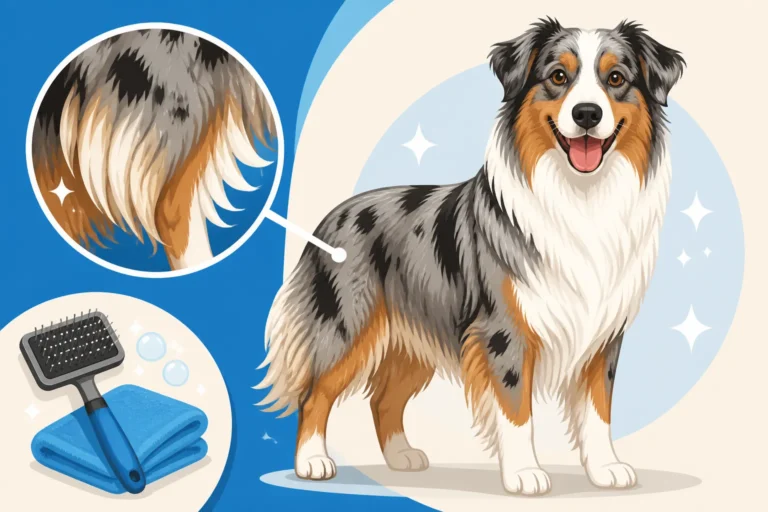
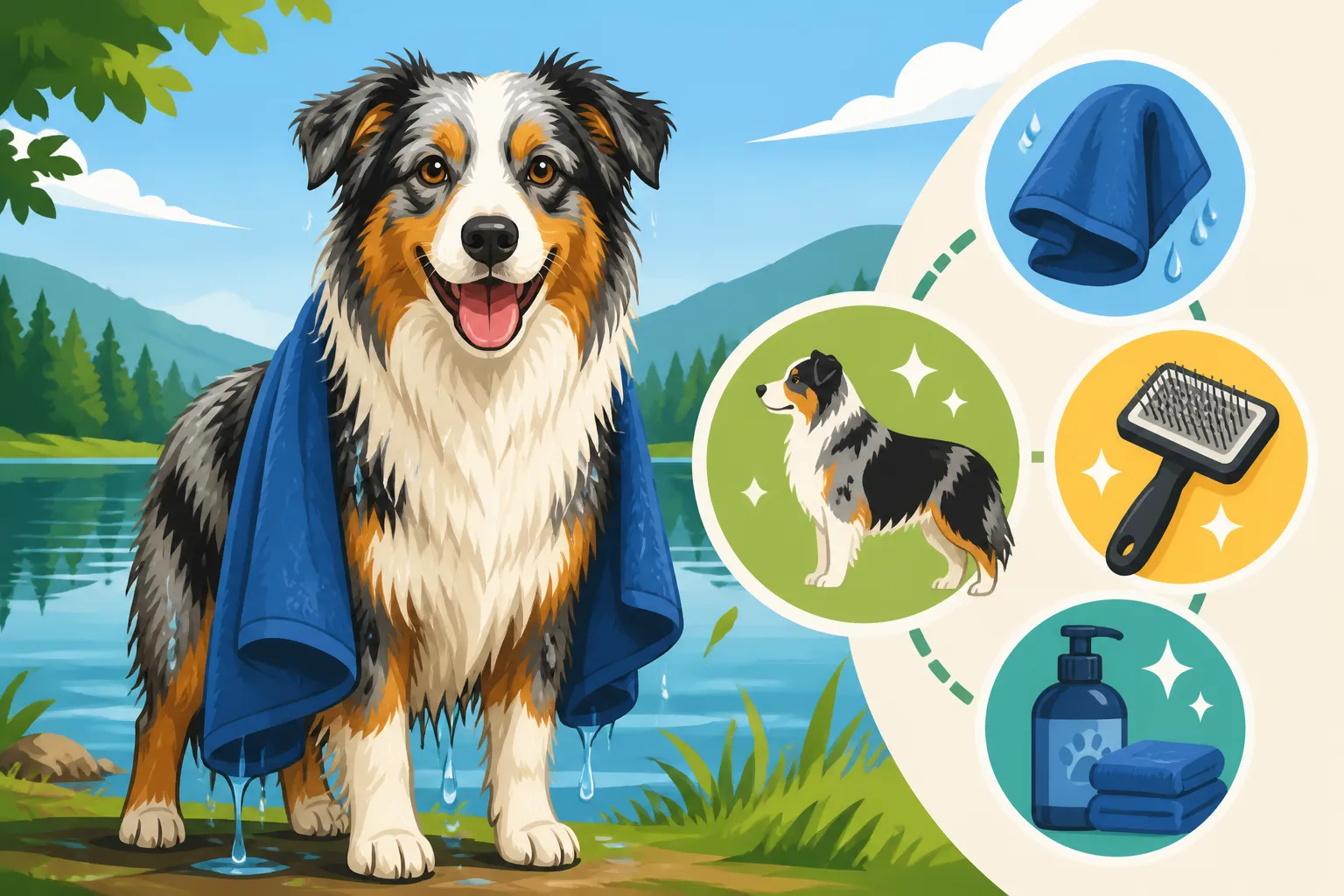
When it comes to tackling a wet, debris-filled Aussie coat, a few key tools are indispensable. First and foremost, you'll want a good undercoat rake. This tool is specifically designed to reach through the outer guard hairs and gently pull out loose undercoat and any trapped debris like sand, silt, or plant matter. Using it before and after washing can make a world of difference. Next, a sturdy slicker brush is crucial for detangling and smoothing the outer coat, especially around the feathering on legs, tail, and britches, which are prone to matting. A wide-toothed comb is also helpful for carefully working through any stubborn knots that might form.
Beyond brushes, a few high-quality, absorbent microfiber towels are a must. They soak up significantly more water than regular towels, drastically cutting down on initial drying time. And, perhaps the most critical tool for an Aussie's double coat: a high-velocity dryer. This isn't just a fancy hairdryer; these powerful blowers push air through the coat, forcing water out from the skin up, completely drying the undercoat. You can find excellent options for undercoat rakes, slicker brushes, and even high-velocity dryers on platforms like Amazon or Chewy, which often have a wide selection and competitive prices. If a high-velocity dryer isn't an option, a regular human hairdryer on a cool setting can work, but it will take much longer and might not be as effective at reaching the deep undercoat.
Shampoos and Conditioners for Lake Water Residue
Choosing the right shampoo and conditioner is just as important as having the right brushes. After a lake swim, your Aussie's coat isn't just wet; it's likely picked up environmental pollutants, organic matter, and possibly even microscopic organisms. A good clarifying or deodorizing shampoo is often the best first step to strip away all that lake gunk without over-drying the skin. Look for ingredients that are gentle but effective at removing dirt and odors. Some brands formulate shampoos specifically for "muddy dog" or "outdoor adventure" scenarios, which can be a great choice.
Following up with a rich, moisturizing conditioner is absolutely vital. While clarifying shampoos do a great job of deep cleaning, they can sometimes leave the coat feeling a little stripped. A good conditioner will restore moisture to both the skin and coat, helping to prevent dryness, reduce static, and make the coat softer and more manageable for brushing, which in turn helps prevent future matting. Look for conditioners with ingredients like oatmeal, aloe vera, or natural oils. Always choose products that are pH-balanced for dogs to avoid skin irritation. You can typically find a wide range of suitable shampoos and conditioners from reputable brands like those found on Chewy. It’s also wise to have a good detangling spray on hand for those extra stubborn knots after the bath.
Step-by-Step Guide to Post-Lake Swim Coat Care
Successfully drying and cleaning your Australian Shepherd after a lake dip is a methodical process. Rushing through it will only lead to lingering dampness, mats, and potential skin issues. Take your time, and your Aussie (and your nose!) will thank you.
The Initial Rinse and Debris Removal
As soon as your Aussie is out of the lake and you’re ready to begin, the first step is a thorough initial rinse. This might seem redundant since they've just been in water, but a forceful stream of clean water is essential to dislodge all the loose surface debris, mud, and sand before it gets further embedded or turns into concrete when dry. Use lukewarm water and direct it down through the coat, working from the neck to the tail, making sure to get to the skin. You'll be surprised how much grit washes away during this stage.
Pay extra attention to areas where debris loves to hide: under the belly, around the legs, in the feathering on the back of the legs, and of course, those adorable fluffy pants! Don't forget to check their paw pads carefully for any tiny pebbles or sharp bits of wood, and give their ears a quick visual inspection. If you notice a lot of gunk, a pre-bath brush-out with an undercoat rake can also be incredibly helpful here. You want to get as much solid matter out as possible before you even think about shampoo. This initial effort significantly reduces the amount of dirt you're trying to wash into the coat during the actual bath.
Thorough Washing and Conditioning
Now that the major debris is gone, it's time for the real wash. Apply your chosen shampoo, starting from the neck and working your way down, making sure to lather it up thoroughly. The key here is to ensure the shampoo penetrates all the way to the skin. Don't just scrub the top layer of fur; gently but firmly massage the shampoo in, parting the fur with your fingers if necessary, to ensure every inch of skin gets clean. This is crucial for removing any lake water contaminants, bacteria, or algae that might be clinging to the skin. Rinse, rinse, and rinse again! Shampoo residue can be just as irritating to the skin as dirt, so be absolutely meticulous until the water runs clear and the coat feels squeaky clean, not slick.
Once the shampoo is completely rinsed out, it's time for conditioner. Apply a generous amount, again ensuring it reaches the skin and coats every strand of hair. Let it sit for a few minutes if the product instructions recommend it, as this allows the conditioning agents to do their magic. Conditioner helps to restore moisture, prevent dryness, and make the coat smoother and less prone to matting during the drying process. Again, rinse thoroughly. This step will make brushing and drying much easier, preventing tangles and static that often plague a freshly washed double coat. Remember, a well-conditioned coat is a healthier, happier coat, less likely to succumb to environmental stresses.
The Critical Drying Process
This is arguably the most crucial step, especially for an Australian Shepherd. Simply towel drying is insufficient. Start by squeezing as much water out of the coat as you can by hand, then use those super-absorbent microfiber towels to blot and rub the coat vigorously. Get out every drop you possibly can. The goal is to reduce the dripping wetness to just dampness before moving on to forced air.
Next, it's time for your high-velocity dryer. If you don't have one, a human hairdryer on a cool setting is a backup, but be prepared for it to take a long time and not be as effective. The high-velocity dryer works wonders because it literally blasts the water out of the coat. Use it systematically, section by section, starting from the rump and working your way forward. Hold the nozzle close to the skin, parting the fur as you go, to ensure you are drying the undercoat first. You'll see clouds of water mist flying off your dog – that’s how you know it’s working! While drying, use your slicker brush or undercoat rake to continuously brush through the coat. This technique, called "line brushing," helps to separate the hairs, allow air to penetrate, and ensures every layer of that dense coat gets completely dry. Never put your Aussie away until you are absolutely certain their undercoat is bone dry, particularly in areas like the armpits, groin, and behind the ears, which tend to hold moisture. For more on this critical step, check out Why an Aussie Must Be Dried to the Roots.
Preventing Issues and Maintaining Coat Health
The post-swim routine isn't just about getting clean and dry; it's a vital part of preventative care to keep your Australian Shepherd healthy and comfortable in the long run. Skipping these steps can lead to a cascade of problems.
Tackling Mats and Skin Irritations
Even with the most diligent drying, mats can still form, especially in Aussies with particularly dense coats or those prone to heavy shedding. Mats are essentially clumps of tangled fur that tighten over time, pulling on the skin and creating painful hot spots or infections if left untreated. The most common areas for mats are behind the ears, in the armpits, the groin, and the long feathering on the legs and tail. After bathing and during the drying process, these are the areas you need to inspect most closely. Refer to The Mats That Form Behind Aussie Ears for more specific guidance.
If you find a mat, resist the urge to pull or yank at it. Instead, use a detangling spray generously and carefully work at it with a wide-toothed comb or a mat splitter, starting from the outer edge of the mat and working your way inward, gently teasing the hairs apart. For really stubborn mats, sometimes it's best to carefully cut them out with blunt-nosed scissors, always cutting away from the skin. While you're going through the coat, keep an eye out for any signs of skin irritation: redness, flakiness, or excessive itching. These can be early indicators of a hot spot or a fungal infection taking hold. Early detection and treatment are key, so don't hesitate to consult your vet if you're concerned. Issues like these are common reasons for Australian Shepherd Skin, Coat and Allergy Problems to flare up.
The Importance of Regular Grooming Beyond Swims
While specific post-lake care is critical, it’s really just one piece of a much larger puzzle when it comes to maintaining your Aussie's coat health. Regular, consistent grooming is paramount, regardless of whether they’ve had a swim. Australian Shepherds are known for their double coats and the impressive amount of shedding they do, particularly during their twice-yearly "coat blow" periods. During these times, daily brushing is almost a necessity to remove dead undercoat and prevent mats. For everyday maintenance, Brushing an Australian Shepherd Twice a Week is a good guideline.
Even outside of coat blow, routine brushing helps distribute natural oils, keeps the coat clean, and allows you to catch any potential skin issues, parasites, or new mats before they become serious problems. Investing in quality grooming tools, like various brushes and rakes (you can find a range of options by searching for "Aussie grooming tools" on Amazon), and making grooming a positive, consistent experience for your dog will pay dividends in their overall health and your peace of mind. Keeping up with nail trims and ear cleaning is also part of a comprehensive routine that contributes to their well-being. Think of it as an ongoing commitment; post-swim care is intense, but it's built upon a foundation of regular maintenance. This also ties into managing seasonal shedding, as described in Twice-Yearly Coat Blow in an Australian Shepherd.
| Grooming Tool | Primary Use | Best For |
|---|---|---|
| Undercoat Rake | Reaching deep into the undercoat to remove loose fur | Heavy shedding, removing trapped debris from double coats |
| Slicker Brush | Detangling, smoothing topcoat, general brushing | All-around brushing, mat prevention, fluffing |
| Wide-Toothed Comb | Gently working out small mats and tangles | Precision detangling, checking for missed mats |
| Microfiber Towels | Absorbing maximum water quickly | Initial drying after baths or swims |
| High-Velocity Dryer | Forcing water out of the undercoat, thorough drying | Essential for double-coated breeds, preventing hot spots |
Disclaimer
This article is for general informational purposes only and does not constitute professional advice. Laws, prices and regulations vary by location and change over time. Consult a qualified professional for guidance on your specific situation.