When an Aussie’s Manners Slip Because It Hurts
Behavioral changes in Australian Shepherds can signal hidden pain, helping owners recognize movement, social, and appetite signs.

Behavioral changes in Australian Shepherds can signal hidden pain, helping owners recognize movement, social, and appetite signs.

Australian Shepherd owners learn how to evaluate trainers for herding breeds, positive reinforcement, and relationship building.
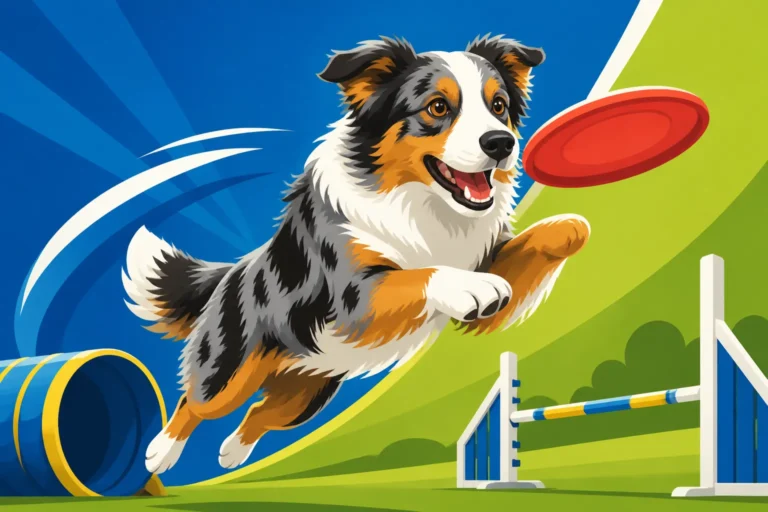
Australian Shepherd agility and disc sports channel intense herding energy into physical exercise and mental stimulation.

Australian Shepherd herding training explains instinct tests, professional trainers, round pen basics, and foundational livestock commands.
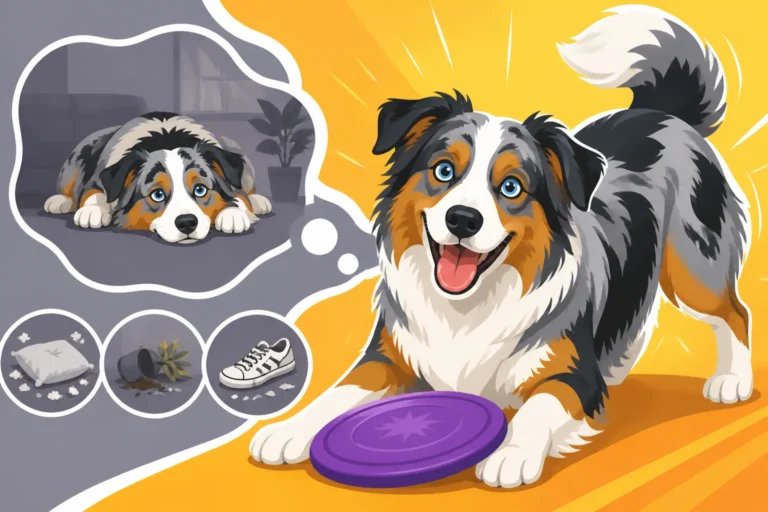
An under-stimulated Australian Shepherd needs mental challenges like puzzle toys, training sessions, and scent games to prevent destructive behaviors.

Australian Shepherd resource collection and guarding behaviors require positive reinforcement training techniques like trade methods for reliable drop commands.
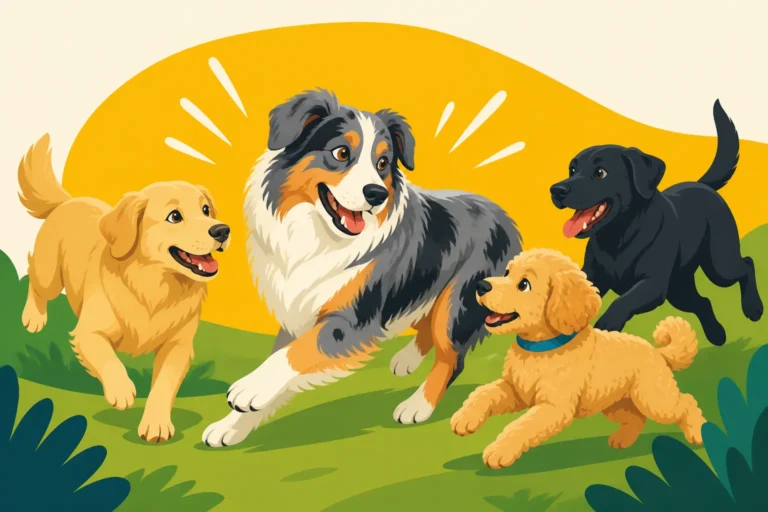
Australian Shepherd play styles often clash with non-herding breeds. Learn strategies to ensure safe and enjoyable interactions for everyone.

Australian Shepherd suspicion of strangers stems from herding instincts and genetics, requiring socialization and training to build confidence.

Australian Shepherd socialization methods help puppies develop confidence in urban environments during critical growth periods.

Australian Shepherd barking at movement stems from herding instincts, guarding, and overstimulation, requiring effective management strategies.