When an Aussie’s Manners Slip Because It Hurts
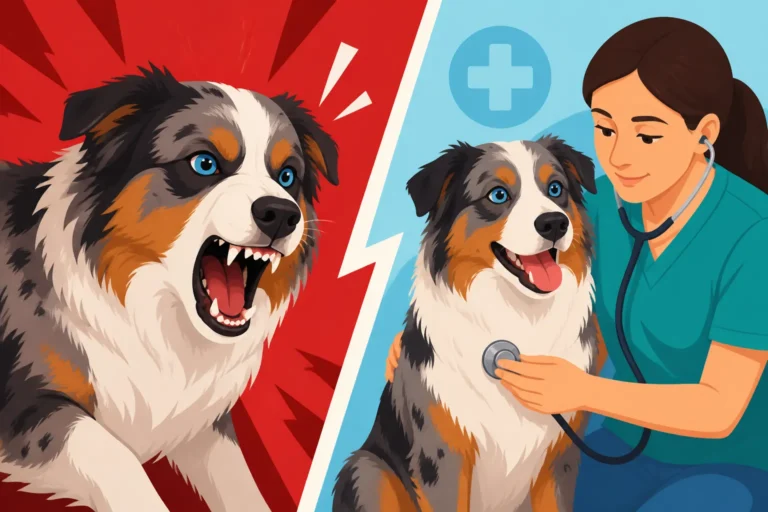
It’s utterly bewildering and, frankly, heartbreaking when your normally well-mannered Australian Shepherd suddenly starts acting out. One day they’re a perfect angel, the next they’re snapping at the kids, refusing to lie down, or even having accidents indoors. Often, our first thought is that training has failed, or they’re being stubborn, but what if these 'bad manners' are actually a silent scream for help? What if your usually biddable Aussie is just hurting? This guide will dive deep into how pain can manifest as behavioral changes in your beloved Australian Shepherd, helping you recognize the subtle signs, understand the common culprits, and know what to do next.
Recognizing the Subtle Signs of Pain in Australian Shepherds
Australian Shepherds are incredibly stoic creatures, a trait often bred into working dogs who learn to "work through" discomfort. This means they are masters at hiding pain, making it incredibly challenging for us, their devoted humans, to spot when something is truly amiss. What looks like a sudden mood change or a lapse in training could actually be a desperate attempt to cope with persistent discomfort. Our job is to become detectives, observing the nuanced shifts in their everyday lives.
Changes in Movement and Posture
One of the first, yet often overlooked, indicators of pain in an Australian Shepherd is a change in how they move or hold their body. You might not see an obvious limp at first, especially if the pain is low-grade or bilateral. Instead, look for stiffness, particularly after they’ve been resting for a while, like first thing in the morning or after a long nap. Do they hesitate before jumping into the car, or do they struggle more with stairs they once bounded up? These aren't necessarily signs of aging; they can be flags for underlying pain.
Observe their gait when they walk or run. Is it as fluid and effortless as it used to be? Perhaps they’re holding a limb slightly differently, favoring one side, or shifting their weight subtly to alleviate pressure. A healthy Aussie moves with grace and power, so any departure from this should catch your eye. Pay attention to how they get up and lie down, too. A dog in pain might groan, grunt, or struggle, taking multiple attempts to settle into a comfortable position.
Beyond movement, their posture can speak volumes. A hunched back, a tail tucked more often than usual, or sitting with one leg awkwardly extended can all signal discomfort. They might sit or lie down in unusual positions, trying to find relief, or avoid lying on a particular side that hurts. Even if they’re just standing, a dog protecting a sore area might hold itself rigid, with tense muscles.
Altered Social Interactions
A truly heartbreaking sign of pain can be a shift in your Aussie's social behavior. A previously friendly, affectionate dog might become withdrawn, irritable, or even aggressive. This isn't a sudden personality change; it’s a defensive mechanism. If your Aussie has hip pain, for instance, an accidental bump from a playful child or another dog could trigger a growl or a snap, not because they’re being mean, but because they’re trying to prevent excruciating pain.
Think about the context of these new reactions. Do they flinch or pull away when you reach to pet their back, collar, or head? Are they avoiding cuddles on the couch or no longer initiating playful wrestling? These aren't signs of them falling out of love with you; they are clear indicators that certain touches or interactions are causing discomfort. They are, in essence, trying to communicate "don't touch me there, it hurts."
This protective instinct can also extend to resource guarding. An Aussie in pain might suddenly become very protective of their bed, their food bowl, or even their favorite human. This isn't necessarily true resource guarding in the traditional behavioral sense, but rather a perceived need to maintain a safe, pain-free space where they won't be bothered or accidentally bumped. They might feel more vulnerable due to their physical limitations and react more strongly to perceived threats.
Subtle Shifts in Appetite and Sleep
Even seemingly minor changes in daily routines like eating and sleeping can be pain indicators. While a complete refusal to eat is a clear red flag, a slight decrease in appetite or becoming unusually picky can also signal underlying discomfort. If your Aussie suddenly starts eating slower, drops kibble more often, or refuses hard chews they once loved, it could be a sign of dental pain or even internal stomach discomfort. Imagine trying to enjoy a meal with a throbbing toothache or an upset stomach.
Sleep patterns are another critical area for observation. An Aussie in pain might struggle to get comfortable, pacing restlessly at night, or changing positions frequently. Conversely, they might start sleeping more than usual, using increased rest as a way to cope with chronic discomfort or recover from inflammatory processes in their body. You might also notice excessive panting even when they're resting, which can be a sign of pain or stress.
They might also seek out new, often softer, resting spots. If your Aussie typically loves their firm dog bed but suddenly prefers the plush rug or the softest spot on the couch, it could be a sign that their usual resting place is no longer comfortable for their aching joints. Observing these small, daily adjustments can provide valuable clues that something is physically bothering your otherwise stoic companion.
Common Ailments Leading to Behavioral Changes
It's tempting to categorize a dog's "bad behavior" solely as a training issue, especially with a smart breed like the Australian Shepherd. However, a wide array of physical conditions can directly cause these changes, turning a happy, well-adjusted dog into a grumpy, reactive, or withdrawn one. Understanding these common ailments is the first step toward finding a solution beyond simply more training.
Orthopedic Issues: Hips, Elbows, and Spine
Australian Shepherds, like many active breeds, are unfortunately prone to a range of orthopedic issues that can cause significant chronic pain. Australian Shepherd Hip Dysplasia and OFA Scoring is a well-known concern, where the hip joint doesn't form correctly, leading to painful friction and eventual arthritis. Similarly, Aussie Elbow Dysplasia From Hard Turning can cause chronic discomfort in their front limbs. These conditions can start subtly, with a slight limp or stiffness, and gradually worsen over time. A young Aussie might even begin to show Australian Shepherd Hip Dysplasia Symptoms Before Two, leading to early behavioral changes.
When movement becomes excruciating, even simple actions like standing up from a nap, navigating a flight of stairs, or jumping into the car can become formidable tasks. This direct link between movement and pain often leads to a noticeable reduction in activity, a general lameness, and a reluctance to engage in play or walks they once cherished. They might avoid certain movements or yelp when touched in a specific area.
Beyond the hips and elbows, spinal issues can also be a hidden source of agony. Conditions like intervertebral disc disease (IVDD) or spondylosis can cause immense pain along the back. This might manifest as a hunched posture, sensitivity to touch along their spine, or a reluctance to bend or twist their body. In severe cases, spinal issues can even lead to neurological deficits, further impacting their mobility and overall demeanor.
Dental Disease and Oral Pain
It might sound surprising, but dental disease is one of the most common, yet often overlooked, causes of pain and behavioral changes in dogs. Imagine having a persistent, throbbing toothache every single day. That's the reality for many dogs with untreated dental issues. Plaque and tartar buildup can lead to gingivitis, painful abscesses, fractured teeth, and even bone loss in the jaw.
The signs of oral pain can be subtle. You might notice unusually bad breath, increased drooling, or your Aussie pawing at their mouth. They might become reluctant to chew hard food, toys, or even their favorite treats, choosing softer options or eating only small portions. This constant discomfort can significantly impact their mood, making them irritable, withdrawn, or less enthusiastic about anything, including interactions with you.
A dog with dental pain might also become grumpy when you approach their face, mistaking your loving attempts to pet or inspect them for an impending painful touch. Regular Australian Shepherd Dental Care, including professional cleanings and daily brushing, is crucial not just for fresh breath, but for their overall well-being and preventing these pain-induced behavioral shifts.
Internal Organ Discomfort and Chronic Illnesses
Not all pain is visible on the outside. Internal organ discomfort or chronic illnesses can cause persistent, low-grade pain or acute episodes that significantly impact an Aussie's behavior. Conditions such as chronic pancreatitis, inflammatory bowel disease, kidney disease, bladder infections, or even certain types of cancer can lead to generalized malaise, nausea, or localized pain that is difficult to pinpoint.
You might notice more generalized signs like a loss of appetite, lethargy, restlessness, or changes in potty habits. For example, a urinary tract infection can cause increased frequency and urgency, leading to accidents indoors. Even less obvious issues, like a dog's susceptibility to Why an Aussie's Deep Chest Raises Bloat Risk, though acute and severe, highlight how internal issues can suddenly take over. Milder digestive upsets can cause pacing, discomfort, and an inability to settle, behaviors easily mistaken for anxiety or naughtiness.
Furthermore, hormonal imbalances, such as those caused by Australian Shepherd Autoimmune Thyroiditis, can affect your dog's overall energy levels, metabolism, and even mood. An underactive thyroid can make an Aussie seem lethargic, dull, or even anxious, leading to behavioral changes that appear to come out of nowhere. These internal conditions require careful veterinary diagnosis, as their symptoms can be incredibly varied and subtle.
| Behavioral Change | Potential Pain-Related Cause | Observation Tip |
|---|---|---|
| Sudden Snapping/Growling | Joint pain (hips, back), dental pain, ear infection | Watch for flinching when touched, guarding body parts |
| Reluctance to jump/climb | Hip/elbow dysplasia, arthritis, cruciate tear | Observe hesitation at stairs, difficulty getting into car |
| House Soiling | Urinary tract infection, kidney pain, bowel discomfort | Note frequency, straining, accidents after previously being house-trained |
| Increased Anxiety/Restlessness | General discomfort, internal pain, neurological issues | Pacing, inability to settle, panting without exertion |
| Loss of appetite/Pickiness | Dental pain, nausea (internal organ issues), general malaise | Chewing slowly, dropping food, refusing favorite treats |
| Lethargy/Increased Sleep | Chronic pain, systemic illness, generalized discomfort | Unusually quiet, less enthusiastic about walks, difficulty rousing |
| Avoiding Interaction/Withdrawal | Pain from being bumped, general vulnerability due to pain | Hiding, moving away when approached, not seeking usual attention |
Connecting Pain to Specific "Manners" Issues
When your Australian Shepherd, who once had impeccable manners, suddenly starts misbehaving, it's easy to jump to conclusions about training failures or a shift in temperament. However, many "bad manners" are direct manifestations of underlying pain. Understanding this connection is vital for addressing the root cause rather than simply punishing the symptom.
Increased Reactivity and Aggression
One of the most alarming changes an owner can face is an increase in reactivity or aggression from their Aussie. If your previously friendly or tolerant dog suddenly starts snapping, growling, or lunging, especially in situations where they used to be fine, pain should be a primary suspect. Imagine yourself with a searing headache or a throbbing backache; your patience would be thin, and you'd likely react strongly if someone accidentally bumped you. Dogs are no different.
An Aussie in pain might lash out as a desperate defense mechanism. If a child or another pet accidentally bumps into a sore hip, a stiff back, or a tender paw, a growl or a snap is a natural, albeit undesirable, reaction to prevent further pain. This isn't necessarily inherent aggression, but rather a pain-induced defensive response. You might notice An Australian Shepherd Snapping Because Its Hips Hurt or if you try to touch their ears when they have an infection.
This pain-driven reactivity can also manifest as An Aussie Reacting to Dogs on the Lead or even strangers. They might be trying to create distance, not out of malice, but because they anticipate being touched, jostled, or challenged in a way that would exacerbate their discomfort. What looks like a breakdown in socialization could, in fact, be a sophisticated avoidance strategy born out of physical suffering.
House Soiling and Loss of Potty Training
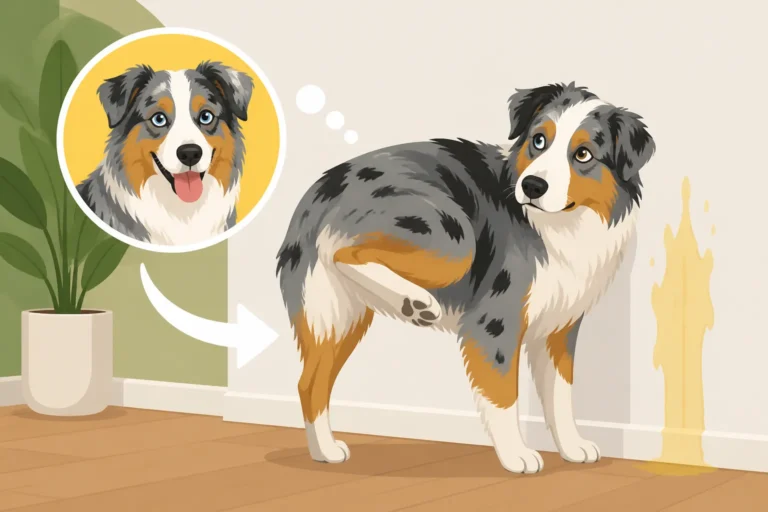
Discovering unexpected accidents indoors from a previously perfectly house-trained Australian Shepherd is incredibly frustrating. We often assume they're being defiant or have forgotten their training. However, pain or discomfort can make it genuinely difficult for your Aussie to hold their bladder or bowels, or even to get outside in time.
A common culprit for indoor urination is a urinary tract infection (UTI), which causes increased frequency, urgency, and often pain during urination. This can make it impossible for even the best-trained dog to wait until they're outside. Similarly, joint pain or general mobility issues can make the trip to the backyard, especially down stairs or off a porch, too painful or too slow. The dog might simply give up and relieve themselves closer by to avoid the discomfort of movement.
Gastrointestinal upset from internal pain, such as inflammatory bowel disease or chronic pancreatitis, can lead to sudden diarrhea or more frequent bowel movements that an Aussie simply cannot control. Before you get frustrated with your dog for "forgetting" their potty training, always rule out a medical cause. It’s far more likely to be a physical issue than a sudden behavioral regression.
Reluctance to Perform Known Cues
Few things are more perplexing than when your Australian Shepherd, a breed renowned for its intelligence and eagerness to please, suddenly ignores a command they've known since puppyhood. When a "sit," "down," or "stay" is met with hesitation, a blank stare, or even a subtle head turn, it's easy to assume defiance or a sudden bout of selective hearing. But consider this: what if the command itself triggers discomfort or pain?
A dog with hip pain will understandably be reluctant to sit squarely or might shift their weight awkwardly. One suffering from elbow or shoulder pain might avoid lying down completely, or do so very slowly and gingerly. What looks like refusal could be a physical inability or a strong, negative association between the action and pain. They aren't trying to be disobedient; they are trying to avoid hurting themselves.
Even a simple recall, like "come," might be ignored if the movement required to respond quickly is painful, especially if it involves getting up from a resting position or accelerating. This is often misinterpreted as a lapse in recall training when, in reality, it's a direct consequence of physical limitation. If your Aussie has always been eager to please and suddenly isn't, especially with movements that involve their body, it's a strong signal that pain might be the underlying cause.
The Importance of Veterinary Consultation and Diagnosis
When you start noticing these subtle or not-so-subtle shifts in your Australian Shepherd's behavior, the most critical step you can take is to schedule a visit with your veterinarian. Attempting to manage pain or behavioral issues without a proper diagnosis can lead to prolonged suffering for your dog and incredible frustration for you. A professional medical assessment is non-negotiable.
The Diagnostic Process
When you suspect pain, your vet will begin with a thorough physical examination. This isn't just a quick once-over; they'll meticulously check for tenderness, swelling, reduced range of motion in joints, muscle atrophy, and any unusual responses to palpation. They'll observe your Aussie's gait, posture, and how they interact with their environment in the examination room.
Beyond the physical exam, diagnostics may include a range of tests. X-rays are commonly used to check for orthopedic issues like hip or elbow dysplasia, Australian Shepherd Hip Dysplasia and OFA Scoring often requiring sedation for optimal positioning. Blood work can reveal internal organ dysfunction, inflammation, or hormonal imbalances like those seen in thyroid disease. In some complex cases, more advanced imaging such as ultrasound or MRI might be recommended for a detailed look at soft tissues or spinal structures. Your vet might even suggest a trial course of pain medication to see if the behaviors improve, which can be a valuable diagnostic tool, confirming that pain was indeed the underlying factor.
Communicating Changes Effectively
Your observations are gold to your veterinarian. They can only see your Aussie for a short period, and dogs are often good at "doctoring up" in the clinic setting. To help your vet connect the dots, it's incredibly helpful to keep a detailed journal of the behavioral changes. Note down precisely what changed, when it started, any specific triggers (e.g., "snaps when kids approach his hind end," "struggles to get up after lying down for an hour"), and what seems to make the behavior better or worse.
Be specific in your descriptions. Instead of saying "he's grumpy," explain, "he growled when I tried to brush his tail," or "he used to jump on the couch easily, now he hesitates and sometimes whines." Document the frequency and severity of these incidents. Even subtle details, like your Aussie seeking out different resting spots or a slight decrease in enthusiasm for walks, can provide valuable clues. Your thorough reporting helps the vet piece together the puzzle that might not be evident in a quick exam.
Don't hold back any details, even if they seem unrelated. A change in food preference, a subtle tremor, unusual panting while resting, or an altered sleep schedule can all be significant pieces of information. The more comprehensive and precise your notes, the better equipped your veterinarian will be to diagnose the underlying issue.
Why Self-Diagnosis is Risky
In this age of information, it’s incredibly tempting to consult online forums, social media groups, or "Dr. Google" when your Aussie isn't quite right. However, attempting to self-diagnose your dog's pain or behavioral changes carries significant risks. Misdiagnosing a serious condition can lead to delayed treatment, allowing the underlying problem to worsen and causing unnecessary prolonged suffering for your beloved companion.
Furthermore, administering over-the-counter human pain medications to your dog is incredibly dangerous and potentially lethal. Many common human medications, such as ibuprofen or acetaminophen, are highly toxic to dogs, even in small doses. They can cause severe gastrointestinal bleeding, kidney failure, or liver damage. Always, always consult your veterinarian before giving your dog any medication, even seemingly innocuous supplements.
Assuming your Aussie's behavioral issues are "just a behavior problem" without a veterinary check can send you down a frustrating and ineffective path of training solutions. This not only wastes your time and effort but also deepens the strain on your bond with your dog, as you might inadvertently be punishing them for expressing pain. Ultimately, an undiagnosed and untreated medical condition will continue to cause discomfort, affecting your Aussie's quality of life.
Managing Pain and Re-establishing Good Manners
Once a diagnosis is made and the pain is being addressed, the journey towards managing your Australian Shepherd's discomfort and re-establishing harmonious living can begin. This often involves a multi-faceted approach, combining veterinary treatments with thoughtful adaptations at home and a generous dose of patience.
Veterinary Treatment Plans
The specific treatment plan for your Aussie will depend entirely on the underlying cause of their pain. Your vet might prescribe anti-inflammatory medications (NSAIDs), targeted pain relievers, or even nerve pain medications to help manage discomfort. For chronic conditions like Australian Shepherd Arthritis After Years of Work, long-term pain management often involves a combination of daily medications, therapeutic diets, and appropriate exercise.
Joint supplements are frequently recommended, containing ingredients like glucosamine, chondroitin, and MSM, which can help support cartilage health and reduce inflammation. These are widely available, for example, on Amazon, or from specialty pet stores, but it's always best to discuss which specific supplements and dosages are right for your dog with your vet. For some conditions, physical therapy, acupuncture, or laser therapy might be suggested to improve mobility and reduce pain.
In more severe cases, such as a torn cruciate ligament or advanced hip dysplasia, surgery might be the best option. Procedures like Knee Repair After an Aussie Tears a Cruciate can restore function and alleviate significant pain. If surgery is recommended, it's crucial to follow all post-operative instructions meticulously to ensure a smooth recovery and minimize any residual discomfort for your Aussie.
Adapting Training and Environment
With your Aussie's pain under medical management, you can gradually begin to re-approach any behavioral issues that arose, but with a renewed sense of empathy and understanding. You'll need to modify your demands and expectations. If sitting is painful, teach an alternative cue like a "stand-stay" or a "down-stay" that doesn't put pressure on a sensitive area. Positive reinforcement methods are more crucial than ever, as they help rebuild your dog's confidence and willingness to engage without fear of pain.
Your home environment can also play a huge role in their comfort. Consider ramps for stairs or to help them get into the car, elevated food and water bowls to reduce neck strain, and supportive orthopedic beds to cushion aching joints. Non-slip rugs or runners on slick floors can prevent slips and falls that could exacerbate pain.
When reintroducing training, keep sessions short, positive, and free from pressure. Celebrate every small success. Online training platforms, like BAXTER & Bella, can be incredibly valuable here, as they often provide flexible, positive reinforcement-based methods that you can adapt to your Aussie's current physical limitations, allowing you to work at their pace and rebuild desirable behaviors gently.
Patience and Realistic Expectations
The journey of managing chronic pain and correcting pain-induced behaviors is rarely a straight line. Your Australian Shepherd will likely have good days and bad days, and setbacks are a normal part of the process. It's essential to be patient with both your dog and yourself. This is a long-term commitment, not a quick fix.
Understand that some behaviors, especially if the pain is chronic and irreversible, might not fully disappear. The goal shifts from "curing" the behavior to compassionately managing it, ensuring your dog's comfort and quality of life. You might need to adjust your expectations about what your Aussie can physically do or how they might react in certain situations.
Celebrate every small victory: a relaxed sigh as they settle into their bed, a moment of spontaneous play, or a willingness to engage in a short, gentle training session. These are all signs of progress and a strengthening of the bond you share. Your understanding and unwavering support are the most important tools in helping your Aussie navigate life with greater comfort and happiness.
Preventative Care and Long-Term Well-being
While it's crucial to address pain when it arises, a proactive approach through preventative care is the best way to safeguard your Australian Shepherd's long-term health and, consequently, their good manners. Many issues can be mitigated or caught early before they become debilitating and lead to significant behavioral shifts.
Regular Vet Check-ups and Screenings
The cornerstone of preventative care for your Australian Shepherd is regular veterinary check-ups. Even if your Aussie seems perfectly healthy, annual (or even bi-annual for seniors) visits allow your vet to monitor their overall health, catch subtle changes, and perform routine screenings that can detect issues before they escalate into painful, behavior-altering problems.
Discuss age-appropriate screenings with your vet, especially for breeds known for certain predispositions. For Aussies, this includes orthopedic evaluations for hip and elbow health, and genetic testing for known conditions like The Genetic Panel Every Australian Shepherd Needs, including the MDR1 Mutation Half of Australian Shepherds Carry, or screening for Australian Shepherd Epilepsy Starting Between One and Five. These tests can provide valuable insights into potential future health challenges, allowing you to prepare and plan preventative measures.
Routine bloodwork, particularly as your Aussie approaches their senior years, can monitor organ function (kidney, liver, thyroid) and detect underlying conditions that might not yet show outward symptoms. Early detection allows for earlier intervention, potentially preventing chronic pain and the associated behavioral issues.
Nutrition and Joint Support
A high-quality, balanced diet tailored to your Australian Shepherd's age, activity level, and any specific health needs is fundamental to their overall well-being. Proper nutrition supports healthy growth, maintains muscle mass, and is critical for managing a healthy weight, which directly impacts joint health. For example, Feeding an Australian Shepherd That Works All Day will be very different from feeding a less active companion dog.
As your Aussie ages, or if they are particularly active in sports, consider incorporating joint supplements into their diet. Ingredients like glucosamine, chondroitin, green-lipped mussel, and Omega-3 fatty acids can help support cartilage, reduce inflammation, and improve joint lubrication. While many excellent supplements are available, always consult your veterinarian before adding new supplements to your dog's regimen.
Perhaps one of the most impactful preventative measures is maintaining an ideal body condition. How Weight Multiplies the Load on Aussie Joints is often underestimated. Even a few extra pounds can put significant strain on hips, elbows, and spine, exacerbating existing conditions or leading to new ones. Keeping your Aussie lean and fit is paramount for preserving joint health throughout their life.
Appropriate Exercise and Weight Management
Australian Shepherds are high-energy dogs, but "appropriate" exercise means more than just boundless running, especially as they mature or if they have existing joint predispositions. While mental stimulation is key, physical exercise needs to be thoughtfully planned. High-impact activities involving sharp turns, jumps, and hard stops, though fun, can be hard on joints over time.
Focus on controlled, steady exercise like leash walks, swimming (which is fantastic for joints as it’s non-weight-bearing), or structured fetch in a way that minimizes sudden impacts. For young Aussies, it’s even more critical to limit strenuous exercise to protect their developing growth plates; Starting Joint Support on a Young Working Aussie might be recommended by your vet even before issues arise.
Regularly assess your Aussie's body condition by feeling for their ribs – you should be able to feel them easily without seeing them, and they should have a discernible waist. If you’re unsure, ask your vet or a certified professional to help you determine and maintain your Aussie’s ideal weight. Consistent, appropriate exercise combined with proper nutrition and weight management will significantly contribute to your Australian Shepherd's comfort and happy demeanor for years to come.
Disclaimer
This article is for general informational purposes only and does not constitute professional advice. Laws, prices and regulations vary by location and change over time. Consult a qualified professional for guidance on your specific situation.