Why Aussie Popularity Rose Through the 2000s
It's no secret that the Australian Shepherd went from being a relatively niche, working-class dog to a household name over the course of the 2000s. Suddenly, everywhere you looked, from dog parks to commercials, you'd spot that striking merle coat and those intelligent eyes. This surge in popularity didn't happen by accident; it was a perfect storm of the breed's inherent qualities aligning with shifting societal trends and increased accessibility to information.
The Alluring Blend of Brains and Beauty: Inherent Aussie Appeal
The Australian Shepherd possesses a unique combination of traits that naturally draw people in. They're not just beautiful; they're incredibly capable and engaging dogs that, for many, represent the ideal canine companion. This inherent appeal laid the groundwork for their rise in public consciousness.
High Intelligence and Trainability
One of the most compelling aspects of the Australian Shepherd is their sharp intelligence. These dogs were bred for demanding work, requiring them to think quickly, adapt, and respond to complex commands on the ranch. This mental prowess translates into a highly trainable companion animal. Owners quickly discover that an Aussie thrives on learning, whether it's basic obedience, advanced tricks, or competitive dog sports. This eagerness to please and quick grasp of new concepts makes them incredibly rewarding to train, which is a huge draw for people looking for more than just a couch potato. Their intelligence also means they pick up on routines and human emotions remarkably well, making them feel like true partners in daily life. However, this high intelligence also means they require consistent mental stimulation, or they'll invent their own "jobs"—and you might not like those jobs!
Their ability to excel in various disciplines further cements their reputation as intelligent dogs. From competitive obedience to agility, flyball, and even search and rescue, Aussies consistently demonstrate their capacity for complex tasks. This versatility often captivated potential owners who were looking for a dog to actively participate in their lives, rather than just be a passive observer. Many people began to see them as the ultimate "do-it-all" dog, capable of being both a loving family member and a star athlete. The sheer satisfaction of working with such a smart animal is a powerful motivator for many.
Striking Looks and Diverse Coat Colors
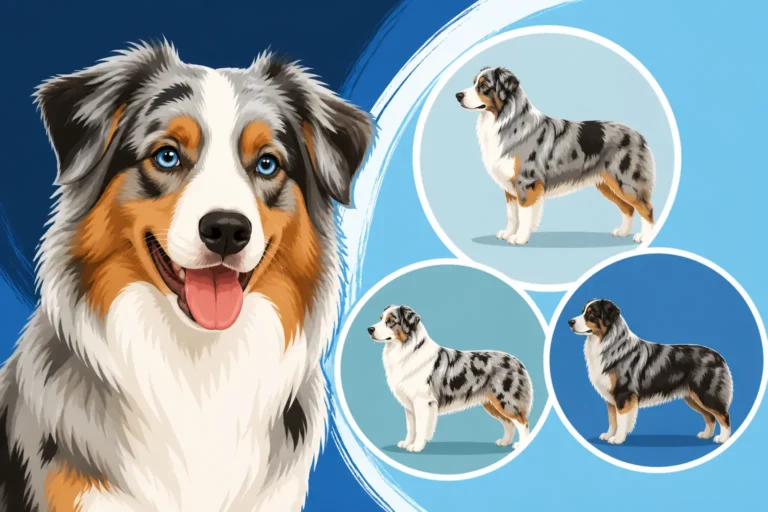
Let's be honest, Australian Shepherds are simply stunning to look at. Their hallmark merle coats, whether blue or red, with their intricate patterns and splashes of color, are incredibly eye-catching. Then you add in the possibility of striking blue eyes, bi-colored eyes, or even amber eyes, and you have a dog that stands out in any crowd. This aesthetic appeal definitely played a significant role in their increasing visibility and desirability throughout the 2000s. People were drawn to their unique appearance, seeing them as both elegant and rugged.
Beyond the merle, the black tri and red tri coats, often with their rich copper points and crisp white markings, are equally beautiful. These diverse color possibilities mean there’s an Aussie look for almost everyone, adding to their broad appeal. A beautiful dog is often a popular dog, and the Australian Shepherd's striking appearance undoubtedly contributed to their rise in the public eye. It's hard to walk past an Aussie without doing a double-take, and that kind of visual magnetism translates directly into increased interest. This is especially true as more people shared photos and videos of their unique-looking companions online.
Adaptability to Active Lifestyles
The 2000s saw a growing trend towards more active and outdoor-oriented lifestyles. People were becoming more interested in hiking, running, cycling, and exploring nature, and they wanted a canine companion that could keep up. The Australian Shepherd, with its athletic build, boundless energy, and strong desire to be involved, fit this bill perfectly. Unlike some breeds that might prefer a leisurely stroll, Aussies thrive on vigorous exercise and mental challenges, making them ideal partners for adventurers. Their inherent Australian Shepherd Herding Drive You Cannot Train Out means they are always ready for action.
This breed isn't just about physical activity; they also crave a "job" or purpose. Whether that's actual herding, dog sports, or even just being your constant companion on errands and outings, they want to be engaged. For active individuals or families seeking a dog that could join them on every adventure, from mountain trails to beach walks, the Australian Shepherd became an increasingly attractive option. They offer a level of companionship and enthusiasm that perfectly complements an energetic lifestyle, turning everyday activities into shared adventures. Understanding their needs for Australian Shepherd Exercise at One to Two Hours a Day became crucial for successful ownership.
Media Exposure and Cultural Shifts: The Aussie Spotlight
Beyond their inherent qualities, external factors like increased media visibility and shifts in broader cultural trends significantly contributed to the Australian Shepherd's surge in popularity. The digital age, in particular, played a huge role in making these dogs household names.
Rodeo Roots to Mainstream Media
For decades, Australian Shepherds were primarily known within specific circles: ranchers, cowboys, and rodeo enthusiasts. They were the unsung heroes of the arena, working behind the scenes, skillfully herding cattle and performing impressive tricks. However, as the 2000s unfolded, Aussies started to step into the spotlight of mainstream media. They appeared in commercials, print advertisements, and even some television shows and movies, often cast for their intelligence and striking looks. This exposure introduced the breed to a much wider audience who might never have encountered them otherwise.
Suddenly, people who had only ever seen Labs or Golden Retrievers as the quintessential family dog were seeing these dynamic, colorful canines performing incredible feats. This mainstream media presence helped to demystify the breed, moving them from the specialized world of working dogs into the general consciousness as attractive and capable pets. The narrative shifted from "the ranch dog" to "the amazing dog you saw on TV," sparking curiosity and desire among potential owners. This broader appeal was a critical factor in their growing popularity.
The Rise of Active, Outdoor Lifestyles
As mentioned earlier, there was a noticeable cultural shift towards healthier, more active lifestyles in the 2000s. People were prioritizing fitness, spending more time outdoors, and seeking ways to integrate their pets into these activities. The Australian Shepherd, with its undeniable athleticism and love for outdoor adventure, was perfectly positioned to become the breed of choice for this emerging demographic. They weren't just pets; they were companions for hiking, trail running, camping, and exploring national parks.
This alignment with evolving lifestyle choices made Aussies aspirational. Owning an Australian Shepherd became symbolic of a vibrant, active way of life. They were seen as the ideal partner for those who wanted to do more than just walk around the block. This cultural alignment was a huge driver of demand, as more and more people actively sought out dogs that could keep up with their adventurous spirits and become a true part of their outdoor pursuits. The breed's Australian Shepherd Temperament and Working Character made them a natural fit for these active individuals.
The "Smart Dog" Trend in Popular Culture
The 2000s also saw an increased fascination with dog intelligence and the capabilities of highly trainable breeds. Documentaries, internet videos, and books often highlighted dogs performing extraordinary tasks, and the Australian Shepherd consistently fit into this "smart dog" narrative. People were increasingly impressed by stories of dogs learning hundreds of words, solving complex puzzles, or excelling in canine sports, and Aussies were frequently at the forefront of these discussions.
This fascination translated into a desire for dogs that were not just companions but also intelligent partners with whom they could interact on a deeper level. The Australian Shepherd, with its well-deserved reputation for mental acuity, became a prime candidate for those seeking an intelligent, engaging dog. This trend fed into the overall perception of Aussies as exceptional animals, further driving their popularity among a public eager to witness and experience such canine brilliance firsthand.
Increased Visibility and Accessibility: Finding Your Aussie
Once a breed starts gaining traction, its visibility and accessibility also tend to increase. The digital age, in particular, revolutionized how people learned about and acquired dogs, playing a pivotal role in the Australian Shepherd's widespread recognition.
Ease of Information and Online Resources
Before the internet became ubiquitous, learning about specific dog breeds often required visiting libraries, consulting breed-specific books, or attending dog shows. The 2000s changed all that. With a few clicks, prospective owners could find a wealth of information about Australian Shepherds: their history, temperament, care requirements, and even potential health concerns. Online forums, breed club websites, and early social media platforms allowed people to connect with experienced Aussie owners and breeders, asking questions and sharing experiences.
This unprecedented access to information demystified the breed for many. It allowed people to research thoroughly, compare notes, and ultimately decide if an Aussie was the right fit for their lifestyle. While this access was largely positive, it also meant that some less reputable sources might paint an overly rosy picture, downplaying the significant commitment these dogs require. Nevertheless, the sheer volume and ease of information access significantly boosted the breed's profile and made it much easier for interested parties to learn about them.
Breeder Availability and Rescue Efforts
As demand for Australian Shepherds grew, so too did the number of breeders. While responsible breeders focused on preserving the breed's health and temperament, the increased popularity also unfortunately led to a rise in less scrupulous operations looking to capitalize on the trend. Regardless, the sheer increase in the number of available puppies made them more accessible geographically and numerically than ever before. People no longer had to travel across states or wait years for a puppy, although reputable breeders still often have waiting lists.
Concurrently, Australian Shepherd-specific rescue organizations also saw an increase in activity. As more Aussies were bred and acquired, some inevitably ended up in rescue due to owners being unprepared for their energy levels or specific needs. These rescues, often operating online, also played a role in visibility, showcasing beautiful Aussies in need of homes and further raising awareness of the breed. This dual increase in both breeding and rescue visibility contributed to the widespread availability of Australian Shepherds. Potential owners could easily find listings for puppies and adoptable adults, sometimes even browsing large online retailers like Chewy for supplies needed for their new family member, long before the dog even arrived home.
Pet Retailer Influence and Product Accessibility
The growth of large pet retail chains and, crucially, online pet supply stores like Chewy, had an indirect but significant impact on the popularity of breeds like the Australian Shepherd. As these dogs became more common, the market responded by offering a wider array of products tailored to their needs. This included specialized foods for active dogs, durable toys that could withstand an Aussie's intense play, and grooming tools specifically designed for their double coats.
The accessibility of these products made owning an Australian Shepherd seem more manageable. New owners could easily order everything from large crates to high-quality kibble and interactive puzzle toys without leaving home. This convenience subtly lowered the perceived barrier to entry for some, making the ownership experience feel less daunting. If you could get all your Australian Shepherd Flea and Tick Products Safe With MDR1 delivered to your door, it just made things easier. The thriving pet industry both benefited from and contributed to the Aussie's rising star by catering to the needs of their growing fan base.
What Comes With Popularity: Challenges and Responsibilities
While the rise in Australian Shepherd popularity brought joy to many new owners, it also highlighted some critical challenges. Rapid increases in demand for any breed can lead to issues that conscientious owners and breeders need to be aware of.
The Dangers of Uninformed Breeding
One of the most unfortunate side effects of a breed's sudden rise to fame is the proliferation of backyard breeders and puppy mills. These individuals or operations often prioritize profit over health and temperament, breeding dogs without proper genetic testing or care for the welfare of the parents or puppies. This can lead to an increase in health problems like hip and elbow dysplasia, Australian Shepherd Epilepsy Starting Between One and Five, or genetic conditions such as The MDR1 Mutation Half of Australian Shepherds Carry. Responsible breeders carefully screen their breeding stock for these issues, but less scrupulous breeders often skip these vital steps.
Prospective owners, drawn in by the striking looks or a lower price tag, might unknowingly acquire a puppy from such a source, only to face significant health and behavioral challenges down the line. It underscores the importance of thoroughly vetting breeders and insisting on seeing health clearances and genetic test results for both parents. A reputable breeder will also be transparent about The Test Results an Aussie Breeder Must Produce and ensure their puppies are well-socialized before going to their new homes.
Managing High-Energy Expectations
The undeniable allure of an active, intelligent dog can sometimes overshadow the reality of living with one. Many people, captivated by the Australian Shepherd's athletic prowess and striking looks, underestimated the sheer amount of exercise and mental stimulation these dogs genuinely require. An Aussie isn't content with just a quick walk around the block; they need purposeful activity, daily training, and engaging mental work to truly thrive. Without it, they can develop Australian Shepherd Behavior Problems From Under-Exercise, like destructive chewing, excessive barking, or even herding children and furniture.
The glamorous image of an Aussie hiking companion sometimes eclipsed the daily commitment needed to fulfill their needs. This mismatch in expectations led to many young Australian Shepherds being rehomed or surrendered to rescues, often between 12 and 24 months of age, when their adolescent energy levels were at their peak and owners were overwhelmed. It's a stark reminder that while a breed might be popular, understanding its specific needs, especially its working drive and energy, is paramount for a successful companionship.
Ensuring Proper Care in a New Era
With increased popularity comes a greater responsibility for new owners to educate themselves thoroughly on the specific care requirements of the Australian Shepherd. This isn't just about exercise; it includes understanding their grooming needs, given their dense double coat, and recognizing potential health issues unique to the breed. For instance, their beautiful coats require regular brushing to prevent matting, particularly during their biannual "coat blow" periods. Investing in good grooming tools, perhaps from Chewy, becomes essential.
Moreover, the breed's genetic predispositions mean that owners need to be proactive about preventive care and aware of signs of common conditions. As Australian Shepherds became more common, so did the need for vets to be familiar with their unique health profiles. Ensuring proper nutrition, regular veterinary check-ups, and early intervention for any health concerns are all part of responsible ownership. The sheer volume of information available online (and accessible through platforms like Chewy for pet supplies) means that owners have more resources than ever to provide excellent care, but it still requires diligence and commitment.
| Factor Contributing to Popularity | Description | Impact on Aussie's Image |
|---|---|---|
| Intelligence | Highly trainable, eager to please, excels in various disciplines. | Seen as a "smart" and capable dog for active families. |
| Appearance | Striking merle coats, piercing eyes, athletic build. | Visually appealing, stood out in a crowd, photogenic. |
| Versatility | Excels in sports, herding, therapy work, loyal companion. | Appealed to a broad range of active individuals and families. |
| Media Exposure | Featured in commercials, movies, and online content. | Increased brand recognition, made them desirable. |
| Shift to Active Lifestyles | More people seeking outdoor activities with dogs. | Matched the lifestyle trend perfectly, seen as an ideal companion for hiking, running. |
| Social Media & Internet | Easy sharing of photos/videos, online communities, access to info. | Exponentially increased exposure and aspirational ownership. |
Disclaimer
This article is for general informational purposes only and does not constitute professional advice. Laws, prices and regulations vary by location and change over time. Consult a qualified professional for guidance on your specific situation.