The Month an Aussie Stops Answering
You’ve spent months diligently training your Australian Shepherd puppy, and they were a star student, nailing every "sit," "stay," and "come." Then, seemingly overnight, you call their name and they just… look through you. Or worse, they bolt in the opposite direction, acting as if they’ve never heard your voice before. This sudden "selective deafness" can be incredibly frustrating and even alarming for Aussie owners, but it’s a perfectly normal, albeit challenging, phase known as canine adolescence. This guide will walk you through why your once-obedient Australian Shepherd might suddenly stop answering, what to expect during this period, and practical strategies to navigate these tricky teenage months with grace and patience.
The Teenage Tsunami: Why Your Aussie Suddenly Ignores You
Just like human teenagers, adolescent Australian Shepherds go through significant physical and mental changes that can make them seem like a completely different dog. What was once a biddable, focused puppy transforms into an independent, sometimes rebellious, young adult. Understanding the underlying reasons for this shift is the first step in dealing with it effectively.
Hormonal Havoc and Brain Development
Around six months to two years of age, your Australian Shepherd hits adolescence. This isn't just about physical growth; it's a profound period of brain development and hormonal shifts. Hormones are surging, impacting everything from their energy levels to their focus. Think of it like a massive construction project happening inside their head – some parts are being torn down, others are being rebuilt, and sometimes, the communication lines get a little tangled.
During this time, the frontal cortex, responsible for impulse control and decision-making, is still maturing. This means your Aussie might genuinely struggle to override an instinctual urge (like chasing a squirrel) even if they know the "correct" command. Their world is suddenly filled with new smells, sights, and sounds that are far more exciting and compelling than your voice. What might look like defiance is often just an immature brain struggling to prioritize. It's a key part of The Aussie Teenage Months and What Changes.
Testing the Waters: Boundary Pushing and Independence
As Australian Shepherds mature, they naturally become more confident and independent. Their innate herding drive, which was manageable as a puppy, can now manifest in more pronounced ways as they explore their role in the world. They might start to test boundaries, not out of malice, but to see what they can get away with. "Can I really ignore 'come' and chase that leaf? What happens if I don't drop the sock right away?" These are the questions they're exploring.
This isn't just about you; it's about their environment, too. A world they once cautiously observed is now an exciting playground to be explored. A new scent might take precedence over a familiar command. They're trying to figure out their place, both within your household and in the wider world. This push for independence is crucial for their development, but it certainly makes training a challenge, especially when their instincts kick in.
Recognizing the Selective Deafness: What it Looks Like
It's easy to dismiss your Aussie's sudden non-responsiveness as stubbornness or naughtiness, but it’s more complex than that. Knowing the common manifestations of this adolescent phase can help you identify it and respond appropriately, rather than getting caught in a cycle of frustration.
The Elusive Recall: When "Come" Becomes "Later, Maybe"
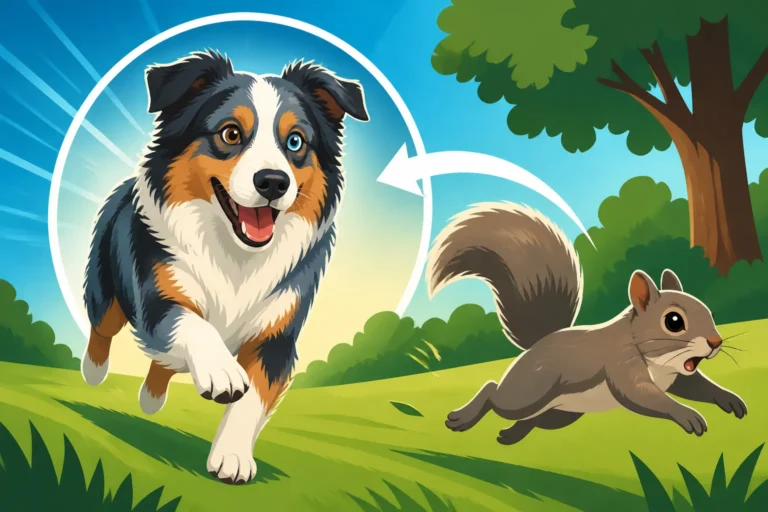
One of the most disheartening changes during adolescence is the deterioration of recall. Your Australian Shepherd, who once bounded back to you with lightning speed, might now pause, consider, and then decide that the distant scent or the wiggling bunny is far more interesting. This isn't just annoying; it can be downright dangerous, especially if you're in an unfenced area. Suddenly, they're not just ignoring you around familiar objects, but around Australian Shepherd Recall Around Moving Things.
I remember a client, Sarah, whose blue merle Aussie, Finn, was a dream puppy. They lived near a park and Finn loved to chase his frisbee. Then, around 9 months, Finn started giving Sarah the cold shoulder. She'd call "Finn, come!" and he'd just accelerate away, often towards other dogs or people picnicking. It felt like a betrayal after all their hard work. This selective hearing is a hallmark of this stage, often exacerbated by the high prey drive and vigilance inherent in the breed. It truly highlights Whether an Aussie Recall Holds at Adolescence.
Ignoring Basic Commands: A Sudden Lapse in Manners
Beyond recall, you might notice a general decline in their responsiveness to other well-learned commands. "Sit" might become a slow-motion slump, "stay" might last for a mere second before they wander off, and even their polite leash manners might unravel, transforming into a pull-and-lunge spectacle. This isn't usually about forgetting the command; it's about their motivation to perform it. Why sit for a boring piece of kibble when there's an entire world to investigate?
They’re testing the boundaries of what is truly enforced. If they realize they can get away with ignoring a command without immediate, clear consequences (or if the reward isn't enticing enough), they’ll start doing it more often. This period requires you to be exceptionally consistent and creative with your reinforcement to remind them that listening to you is always the most rewarding option.
Increased Reactivity and Herding Instincts
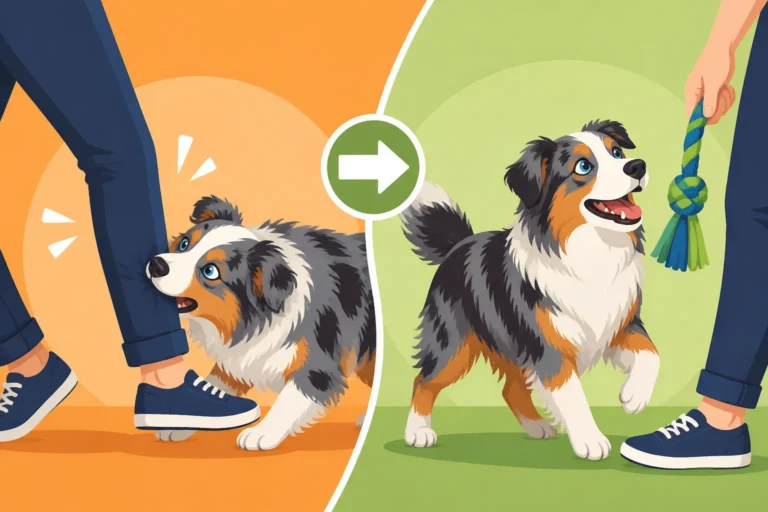
The surge of hormones and developing brain can also lead to an increase in reactivity and a more pronounced expression of their natural herding instincts. An Aussie might become more vocal, barking at things they previously ignored, or become more easily startled. They might start to 'herd' people, children, or other pets with more intensity, nipping at heels or circling. Why Herding Instinct Is the Aussie Operating System really comes to the forefront here.
This heightened sensitivity and drive can lead to challenging behaviors like lunging at passing dogs or cyclists, or intense staring. It's a sign that their internal world is buzzing, and they need appropriate outlets and guidance to channel that powerful energy. For example, if your Aussie starts rounding up the family cats, it’s not because they suddenly dislike them; it’s their brain telling them to organize movement.
Rebuilding the Bond: Practical Strategies for Adolescent Aussies
While it can feel like you've gone back to square one, canine adolescence is a temporary phase. The key is to respond with patience, consistency, and a renewed commitment to positive reinforcement. This isn't the time to get angry or give up; it's the time to double down on clear communication and management.
Back to Basics: Reinforcing Foundational Training
When your Aussie starts acting like they've never been trained, it's time to literally go back to basics. Don't assume they remember anything. Start with simple commands in a low-distraction environment, just like you did with your puppy. Use extremely high-value treats – think chicken, cheese, or hot dogs – not just kibble. Make every interaction a mini-training session, rewarding even the smallest successes.
Consider enrolling in another round of basic obedience classes, or revisiting an online program. Many owners find structured programs helpful for consistency. For instance, BAXTER & Bella offers comprehensive online puppy and adolescent dog training that can help you re-establish those foundational cues with clear, step-by-step guidance. The goal is to rebuild their confidence and yours, proving that listening to you is consistently rewarding. Focus on those quick, snappy responses in controlled settings before gradually introducing more distractions.
Management and Prevention: Setting Your Aussie Up for Success
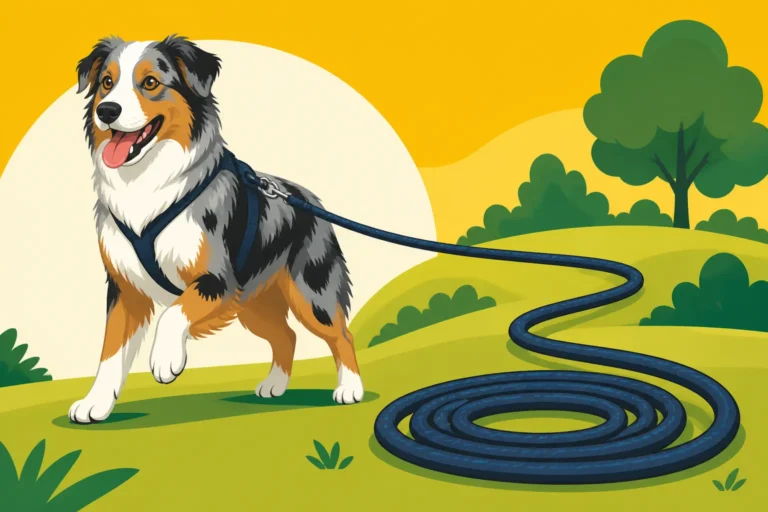
During this "teenager" phase, management is your best friend. Instead of putting your Aussie in situations where they are likely to fail (and you get frustrated), set them up for success. This might mean keeping them on a long line in unfenced areas to prevent them from practicing that disappearing act. A high-quality long line, easily found on Amazon, can be a game-changer for practicing recall safely.
Consider a head halter or a no-pull harness if leash pulling has become problematic. Avoid dog parks where their recall or reactivity might put them (or other dogs) at risk. Implement a clear "no free lunch" policy: your Aussie has to work for everything they want, even a simple pet or their meal. This reinforces your leadership and keeps them engaged.
Here’s a quick overview of essential management tools:
| Tool/Strategy | Purpose | Benefit |
|---|---|---|
| Long Line | Safe recall practice, preventing runaway | Freedom for Aussie, peace of mind for owner |
| Head Halter/No-Pull Harness | Managing leash pulling | More enjoyable walks, better control |
| High-Value Treats | Maximizing motivation during training | Faster learning, stronger recall |
| Secure Fenced Area | Safe off-leash exercise and play | Prevents escapes, reduces risk of reactivity |
| Puzzle Toys | Mental stimulation, boredom prevention | Redirects energy, keeps mind active |
High-Value Rewards and Engagement
Your voice and traditional praise might not cut it anymore. You need to become the most exciting thing in your Aussie's environment. This means pulling out the big guns when it comes to rewards. Think small pieces of cooked meat, cheese, or even a quick game of tug with a favorite toy. The reward needs to be worth more than the distraction.
Beyond food, engage their brilliant Aussie minds. Incorporate short, frequent training sessions into your daily routine. Use play as a reward, not just as exercise. If your Aussie loves fetch, a successful recall might be rewarded with a toss of the ball. If they love tug, a good "leave it" could earn a quick tug session. Keep them guessing, keep it fun, and keep it fast. This will make you an irresistible magnet, even when the world outside is calling. Don't forget that The Recall Word That Stops an Aussie Mid-Chase often needs to be backed up by a truly phenomenal reward.
Mental Enrichment Over Endless Physical Exercise
It's a common misconception that if your Australian Shepherd is misbehaving, they simply need more physical exercise. While Aussies absolutely need a good amount of physical activity – often How Much Daily Exercise an Australian Shepherd Needs is cited at one to two hours a day – simply running them ragged won't solve the underlying mental and hormonal shifts of adolescence. In fact, over-exercising an already over-aroused adolescent can sometimes make them more reactive and wound up.
Instead, focus on mental enrichment. Puzzle feeders, scent games, trick training, and even just learning new, complex behaviors can tire an Aussie out far more effectively than another mile of running. These activities engage their problem-solving abilities and satisfy their desire to "work." For example, teaching a new trick like "spin" or "weave" for five minutes can be as tiring as a 20-minute walk. Explore activities that challenge their brains, like practicing Scent Games That Tire an Australian Shepherd. A highly engaged mind is a calmer, more responsive mind.
Disclaimer
This article is for general informational purposes only and does not constitute professional advice. Laws, prices and regulations vary by location and change over time. Consult a qualified professional for guidance on your specific situation.