Getting a Restless Aussie to Settle in a Crate
It's a familiar scenario for many Australian Shepherd owners: you've tried to get your energetic, intelligent companion settled in their crate, only to be met with whining, barking, scratching, or relentless pacing. That restless energy, which makes them such incredible working dogs, can feel like a huge hurdle when you just need them to relax and feel safe in their own space. This guide is here to walk you through how to transform that stressful experience into a positive, calm routine for your Aussie, making the crate a sanctuary rather than a source of anxiety.
Understanding Your Aussie's Crate Resistance
Australian Shepherds are incredibly smart, sensitive, and deeply attached to their people. When you ask them to go into a crate, especially without proper introduction, it can feel like a profound isolation or punishment. Their working dog instincts mean they thrive on purpose and connection, and being confined can clash with that inherent drive. Understanding why your Aussie might be struggling is the first step toward helping them embrace their crate.
Why Aussies Find Crates Unnatural Initially
Think about the natural history of an Australian Shepherd. These dogs were bred to work alongside humans, often out in wide-open spaces, making decisions, and herding livestock. Their primary mode of existence isn't solitary confinement. To them, being cut off from the action or from their "flock" (which is you, and your family!) can feel very wrong. It's not necessarily disobedience; it's often a deep-seated instinctual discomfort with separation and inactivity. They're used to being vigilant and engaged, so suddenly being asked to do nothing in a small space can be genuinely confusing and unsettling.
Moreover, Aussies are highly observant. They notice everything you do, and if the crate has ever been associated with something negative – being put away when you're frustrated, or only used when you leave – they're quick to make that connection. They learn patterns fast, which is fantastic for training, but can be a double-edged sword if the pattern they've learned about the crate is a bad one. We need to consciously re-wire those associations to create a positive picture.
Distinguishing Separation Anxiety from Lack of Training
This is a critical distinction that many Aussie owners struggle with. Is your dog genuinely suffering from separation anxiety, or do they simply not understand what the crate is for and haven't been properly trained to settle in it? True separation anxiety often involves panic, intense vocalization (howling, persistent barking), destructive chewing aimed at escape, self-harm, and even house-soiling, only when left alone. These behaviors are usually not limited to the crate; they might happen if your dog is left loose in the house as well. It's a profound distress at being separated from a specific attachment figure.
On the other hand, a lack of crate training might look like whining, pawing, or barking for a short period, then settling, or only being unsettled if they haven't been exercised. They might chew out of boredom rather than panic. If your Aussie has never had a structured, positive introduction to the crate, or if their crate time isn't aligned with their natural cycles of rest, their restlessness is more likely a reflection of incomplete training or unmet needs. The Australian Shepherd Herding Drive You Cannot Train Out can play a role here; their busy minds need direction. A comprehensive program like those offered by BAXTER & Bella can guide you through the nuanced steps of differentiating these behaviors and addressing them appropriately.
The Herding Instinct and Confinement
The Australian Shepherd's strong herding instinct isn't just about moving sheep; it's also about control, vigilance, and keeping their "flock" together. When placed in a crate, this instinct can make them feel like they've lost control or are separated from their group. They want to be aware of where everyone is and what's happening. This hyper-awareness can manifest as an inability to truly relax in a confined space. Every sound, every movement outside the crate, can trigger their "on duty" brain.
For an Aussie, being crated might feel like being taken off watch, which can be unsettling. This is why mental stimulation before crating is so important – it can help satisfy their need for purpose and make them more amenable to resting. If their brain is tired from a puzzle or a training session, they're less likely to feel the compulsive need to monitor their surroundings from the crate. It's about giving their natural drives an outlet, so they can then switch into a calmer, more restful state.
Crafting the Ideal Crate Environment
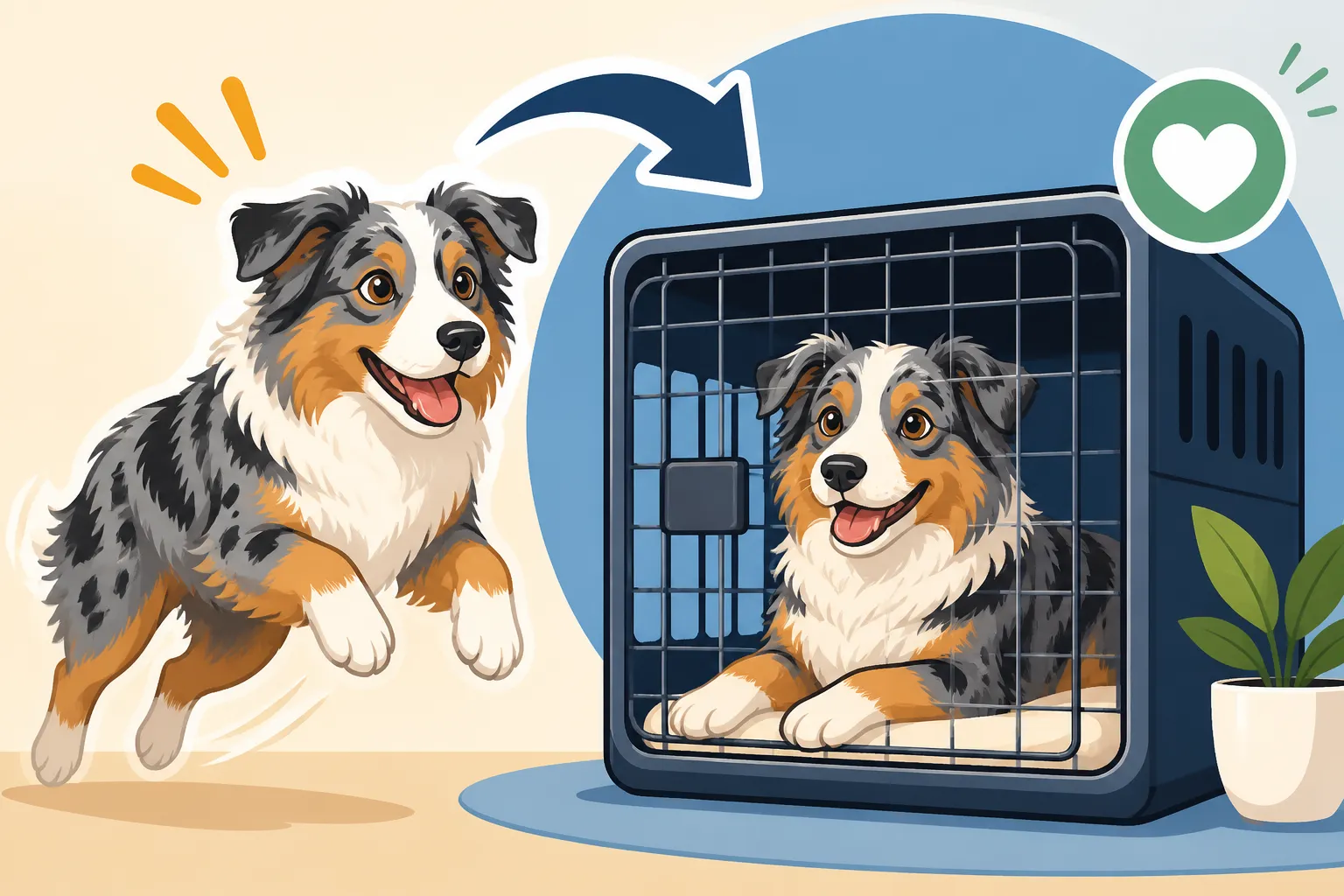
The crate shouldn't just be a wire box; it should be a haven, a personal bedroom where your Australian Shepherd feels safe, comfortable, and content. The way you set it up and where you put it makes a world of difference in how quickly your restless Aussie will accept and even love it.
Selecting the Right Crate Size and Type
Choosing the correct crate is paramount. It needs to be big enough for your Aussie to stand up, turn around comfortably, and lie down fully stretched out, but not so large that they can soil one end and sleep in the other, which defeats the purpose of house training. For an adult Australian Shepherd, this usually means a crate that's around 42 inches long, but always check the specific dimensions against your dog's size. Remember, The Crate a Fifty Pound Aussie Needs will be different from a smaller or larger Aussie. If you have a puppy, you can get a large crate with a divider to expand the space as they grow. This saves you from buying multiple crates.
There are several types of crates:
- Wire Crates: These are popular for their ventilation and visibility. Many come with a divider for puppy training. They're durable and easy to clean. You can often find a good selection on Amazon.
- Plastic/Airline Crates: These offer more of a den-like feel and are often preferred by dogs who like a cozy, enclosed space. They're also required for air travel. They can be heavier and bulkier, but dogs often feel more secure in them.
- Furniture Crates: These are designed to blend with home decor and can look quite nice, but ensure they are sturdy and secure enough for an active Aussie. They tend to be more expensive.
Making the Crate a Sanctuary, Not a Jail
Once you have the right crate, the next step is to make it irresistible. Line the bottom with a comfortable, chew-resistant bed or blankets. Some Aussies might try to "rearrange" their bedding, so choose something durable that won't become a choking hazard. Place a favorite, safe chew toy or puzzle toy inside – something that takes time to work on, like a Kong filled with frozen peanut butter or plain yogurt. This creates a positive association and gives them something to do while inside.
Draping a blanket or towel over the top and sides of a wire crate can create that crucial den-like atmosphere. It reduces visual distractions and helps your Aussie feel more secure and private. Imagine it as their own little quiet room, separate from the hustle and bustle of the house. This sense of enclosure can actually be calming for many dogs, despite their initial resistance to confinement. It's about security, not restriction.
Strategic Placement: Where the Crate Belongs
The location of the crate matters significantly, especially in the initial stages of training. For a restless Aussie, placing the crate in a quiet corner of a room where the family spends a lot of time – like the living room or den – can be beneficial. They can still hear and smell you, feeling part of the pack, but have their own space. This reduces feelings of isolation.
Avoid placing the crate in a high-traffic area where they will constantly be stimulated, or in a secluded basement where they feel completely abandoned. For nighttime, many owners find success by moving the crate into their bedroom or placing it right next to their bed. This provides proximity and comfort, especially for puppies or newly adopted dogs. As your Aussie becomes more comfortable with crating, you can gradually move the crate to a more permanent location, if desired. The goal is to make the crate feel like an extension of your family life, not a place where they are sent away.
A Step-by-Step Approach to Crate Acclimation
Crate training an Australian Shepherd is a marathon, not a sprint. Rushing the process will almost certainly lead to a more restless, crate-averse dog. It requires patience, consistency, and a deeply positive approach. Each step builds on the last, solidifying the idea that the crate is a good place to be.
Positive Associations: Food, Toys, and Gentle Introduction
The very first step is to create overwhelmingly positive associations with the crate. Never use the crate for punishment or as a "time-out" spot. This immediately poisons the well. Instead, make the crate a source of good things.
Start by simply leaving the crate door open and letting your Aussie explore it on their own terms. Toss high-value treats (like small pieces of cheese or cooked chicken) just inside the door, then further in. Let them go in, eat, and come out freely. Don't force them. You can also feed their regular meals inside the crate, leaving the door open. This associates the crate with a very primal, positive experience: food.
Introduce special, high-value chew toys that only appear when the crate is present. A durable, engaging chew toy from Amazon, or a puzzle feeder, can become a "crate-only" treat. Let them play with it near the crate, then eventually inside the crate with the door still open. The goal is to make them want to go into the crate because it means something wonderful is happening.
Building Short, Calm Stays
Once your Aussie is willingly entering the crate to retrieve treats or eat meals with the door open, it's time to introduce brief periods of confinement. Start incredibly small:
- Door Closed for Seconds: With your Aussie happily munching on a treat or working on a puzzle toy inside, gently close the door for just a few seconds. If they remain calm, immediately open the door and praise them. Don't make a big fuss; keep it low-key.
- Gradually Increase Time: Over many repetitions (and this might be dozens over several days), gradually increase the time the door stays closed. Go from 5 seconds to 10, then 30, then a minute. Only extend the time if your Aussie remains relaxed. If they start to vocalize, you've gone too far, too fast. Shorten the time on the next attempt.
- Stay Present: During these initial short stays, remain in the room with your Aussie. They need to learn that being in the crate doesn't mean being abandoned. You can sit quietly, read a book, or watch TV. This teaches them to settle even when you're nearby. Consistency is key here; frequent, short, positive crate sessions are more effective than infrequent, long, stressful ones. This builds their tolerance.
Gradually Extending Duration and Independence
As your Aussie becomes comfortable with short stays while you're in the room, you can start to extend the duration and introduce brief absences.
- Brief Absences: Once they can calmly stay in the crate for 5-10 minutes with you in the room, try stepping out of sight for a few seconds. Go to another room, then immediately return. Don't react if they make noise; wait for a moment of silence before returning and opening the door. Gradually increase the time you're out of sight. Remember to leave them with a desirable chew or toy to keep them occupied.
- Longer Stays: Continue to build up the time incrementally. Aim for 30 minutes, then an hour, then two. Always ensure they've had proper exercise and a potty break beforehand. During these longer stays, don't rush back at every sound. Let them work through any momentary discomfort. The goal is for them to realize that you will return, and that nothing bad happens in the crate. This is crucial for teaching an Aussie to truly relax in their space. Crate Training an Aussie That Protests might involve revisiting these steps and slowing down.
| Training Step | Duration/Action | Goal |
|---|---|---|
| Initial Introduction | Door open, treats, meals inside | Crate = positive association, voluntary entry |
| Short, Calm Stays (Phase 1) | Door closed for 5-60 seconds, owner present | Tolerance to brief confinement, no panic |
| Building Duration (Phase 2) | Door closed for 1-5 minutes, owner present | Increased comfort with longer stays |
| Introducing Absence (Phase 3) | Owner out of sight for seconds-minutes | Trust that owner returns, independence in crate |
| Longer Stays (Phase 4) | 30 minutes to 3 hours, owner absent | Comfortably settling for extended periods |
| Nighttime Acclimation | Crate by bed, gradually move | Calm sleep through the night in crate |
Integrating the Crate into Your Aussie's Daily Rhythm
A crate isn't a standalone tool; it's most effective when it's a seamlessly integrated part of your Australian Shepherd's daily routine. For a breed with such high energy and intelligence, thoughtful planning around crate time is essential to foster calmness and acceptance.
Timing Is Everything: When to Crate for Calmness
Think of the crate as a quiet space for relaxation, not a punishment or a place to contain boundless energy. Therefore, the timing of crate use is paramount. The best time to ask your Australian Shepherd to go into their crate is when they are already naturally winding down. This means after a good exercise session, a mental enrichment activity, and a potty break. They should be tired, content, and ready for a nap or some quiet chew time.
Avoid crating your Aussie when they are full of pent-up energy, hyped up from play, or desperately needing to go outside. This sets them up for failure and reinforces the idea that the crate is a frustrating place where their needs aren't met. Instead, make it part of a calm transition: "We just had a great walk and sniff session, now you can settle down with your special chew in your comfy bed." For young Aussie puppies, enforced naps are incredibly helpful for preventing overstimulation and promoting calm behavior. Enforced Naps for an Overtired Aussie Puppy can be a lifesaver for both you and your pup.
The Importance of Pre-Crate Exercise and Mental Stimulation
This is perhaps the most critical factor for getting a restless Aussie to settle in a crate. An under-exercised or under-stimulated Australian Shepherd is a restless Australian Shepherd, period. They have an immense capacity for physical activity and an even greater need for mental engagement. Simply running them in the yard for fifteen minutes isn't enough. How Much Daily Exercise an Australian Shepherd Needs is often more than new owners anticipate.
Before crating, ensure your Aussie has had a good physical outlet – a long walk, a game of fetch, some off-leash running in a safe area. But don't stop there. Follow it up with mental work. This could be a training session working on obedience commands, a scent work game where they have to find hidden treats, or a complex puzzle toy. Mental Work That Actually Tires an Australian Shepherd truly wears them out in a way physical exercise alone cannot. A mentally tired Aussie is far more likely to relax and settle in their crate than one who is physically tired but mentally buzzing. They need to feel like they've had a purpose, even a small one, before being asked to 'turn off' for a while.
Addressing Nighttime Whining and Early Morning Waking
Nighttime can be a major challenge for many Aussie owners, especially with puppies or newly adopted dogs. If your Aussie whines or barks in their crate at night, first and foremost, consider their needs. Have they had a final potty break right before bed? Are they truly comfortable (temperature, bedding)? Is the crate near you, so they feel less alone?
If you've addressed basic needs and they're still vocalizing, try to distinguish between "I need to go out" and "I want attention." For puppies, a middle-of-the-night potty break might be necessary. But if it's purely attention-seeking, ignoring it (as difficult as it sounds) is usually the best approach. Any attention, even negative attention, reinforces the behavior. Wait for a lull in the noise before you interact. You can also place the crate right next to your bed for the first few weeks, giving them comfort in your proximity, then gradually move it further away. Using a white noise machine or fan can also help drown out startling sounds that might trigger Australian Shepherd Barking and Noise Sensitivity. Over time, with consistent routine, your Aussie will learn that nighttime in the crate means quiet sleep for everyone.
Troubleshooting Common Crate Challenges
Even with the best intentions and a solid training plan, you might hit some bumps in the road. Australian Shepherds are smart and persistent, and they'll test boundaries. It's important to have strategies for addressing common issues like barking, escape attempts, or a complete refusal of the crate.
Managing Barking, Whining, and Destructive Behavior
These behaviors are your Aussie's way of communicating distress, boredom, or frustration.
- Barking and Whining: As mentioned, first rule out physical needs (potty, hunger, thirst). If those are met, they are likely seeking attention or expressing boredom. The key is to not reward the vocalization. Wait for a moment of quiet, even if it's just a second, before you approach the crate or let them out. This teaches them that calm behavior gets results. You can also try giving them a highly engaging, long-lasting chew toy (like a filled Kong) as you put them in, to distract them immediately. If they start up, give a verbal cue like "Quiet" and wait for the silence before rewarding.
- Destructive Chewing/Escape Attempts: If your Aussie is trying to chew the crate or escape, this is a serious sign of distress or extreme boredom. Ensure the crate is sturdy and appropriate for their size and strength. A strong wire crate or a heavy-duty plastic crate may be necessary. For some dogs, a fabric crate is simply not secure enough. Chewing can also be a sign of true separation anxiety, which might require a different approach, possibly involving a veterinary behaviorist. However, for many Aussies, it's a sign they weren't tired enough before crating or that they need a more stimulating, safe chew item. Providing a safe, irresistible chew that only appears in the crate can redirect this behavior. Always supervise initial chewing with new toys.
When Your Aussie Refuses the Crate Entirely
Sometimes, despite your best efforts, an Aussie might develop a strong aversion to the crate and outright refuse to go in. This often happens if the initial training was rushed, or if the crate was used inappropriately. If your Aussie actively fights going into the crate, yelps, or shows signs of fear (tucked tail, flattened ears), you need to go way back to basics.
Forget about closing the door for a while. Focus purely on making the crate a happy, voluntary place. Play games like "go to your bed" (which is their crate) for treats. Feed all meals inside the open crate. Hide treats in it when they're not looking. Make it the most desirable spot in the house. You might need to make some initial improvements to the crate itself, ensuring it's comfortable and feels secure. Sometimes, a change of crate type (e.g., from wire to a more den-like plastic) can help. Consider seeking guidance from an online program like BAXTER & Bella that offers structured steps for overcoming crate aversion, as they emphasize positive reinforcement and building confidence.
Seeking Professional Guidance for Severe Crate Aversion
If you've diligently worked through all the steps, provided ample exercise and mental stimulation, and your Australian Shepherd still exhibits extreme distress in the crate – such as persistent, frantic escape attempts, self-harm, excessive drooling, or severe house-soiling only when crated – it's time to seek professional help. This could be genuine separation anxiety or a deep-seated fear.
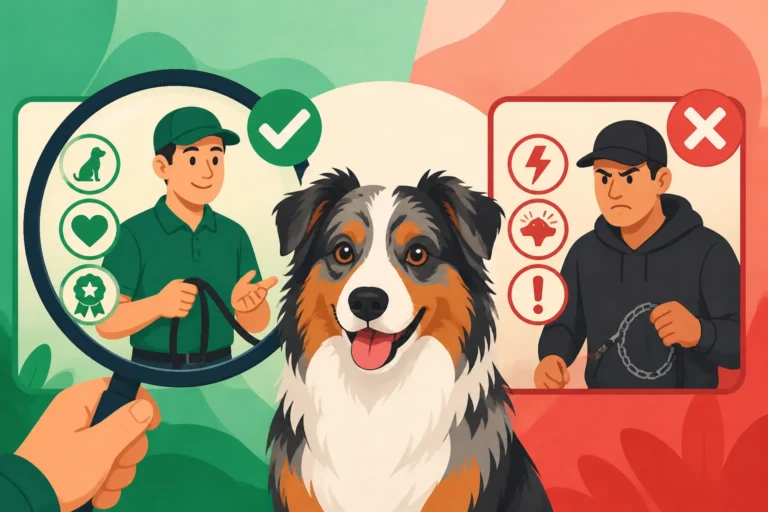
A certified professional dog trainer specializing in positive reinforcement, or a veterinary behaviorist, can assess your Aussie's specific situation. They can differentiate between behavioral issues and true anxiety, and develop a tailored plan. This might involve behavior modification techniques, management strategies, and in some cases, medication to help manage anxiety while you work on training. Never hesitate to reach out for expert assistance; it's a sign of a responsible and caring owner who wants the best for their beloved Aussie. Ignoring severe crate aversion can lead to greater stress for both you and your dog.
Disclaimer
This article is for general informational purposes only and does not constitute professional advice. Laws, prices and regulations vary by location and change over time. Consult a qualified professional for guidance on your specific situation.