Whether an Aussie Recall Holds Near Traffic
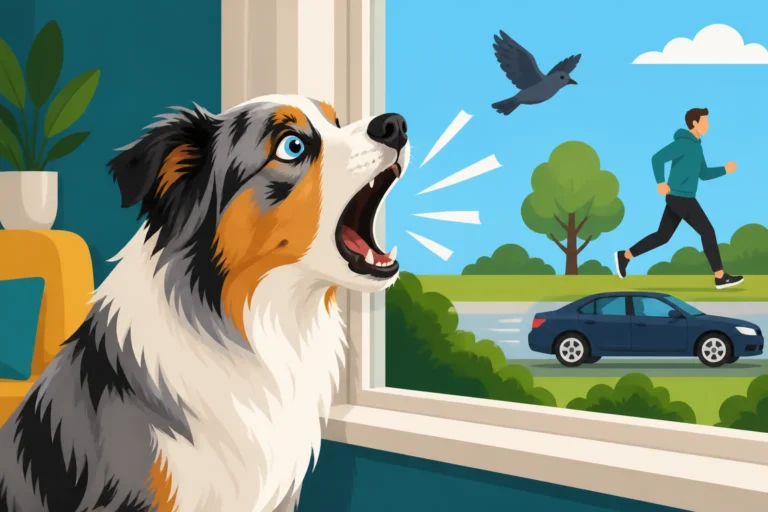
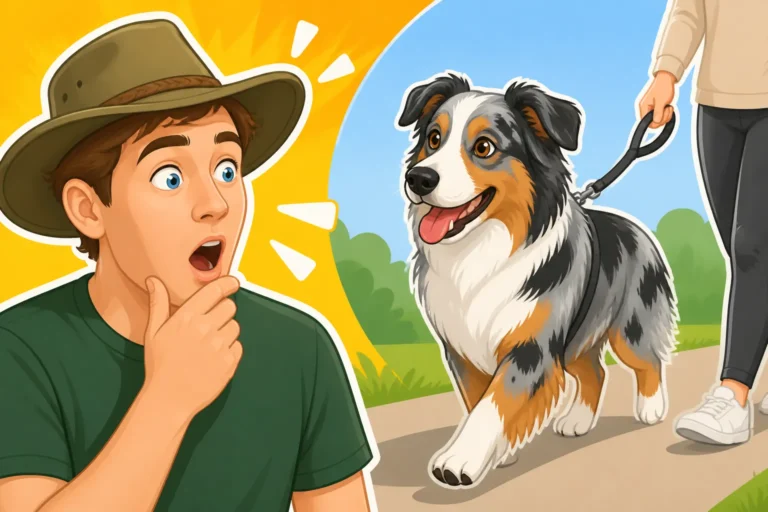
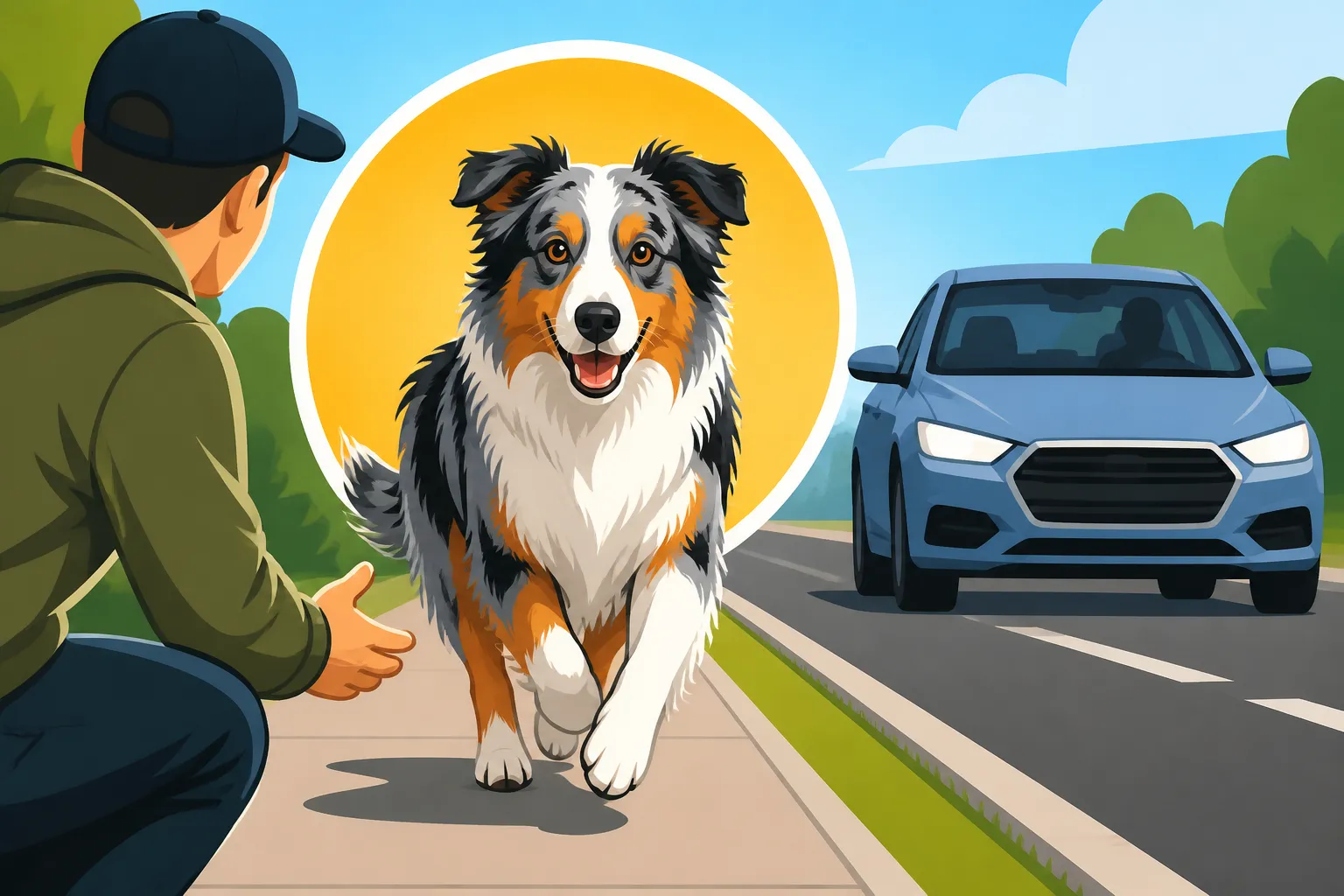
It’s a heart-stopping moment many Australian Shepherd owners know all too well: your beloved Aussie is off-leash in a seemingly safe area, and suddenly a car whizzes by, or a bicycle appears from nowhere, triggering that intense instinct to chase. You call their name, yell "Come!" with all your might, and they just… don't. The sheer terror of your dog darting into traffic is a nightmare, and this guide is here to unravel why an Aussie's recall can sometimes fail around moving vehicles and, more importantly, how to build a reliable emergency stop that keeps them safe.
The Instinctive Drive for Movement in Australian Shepherds
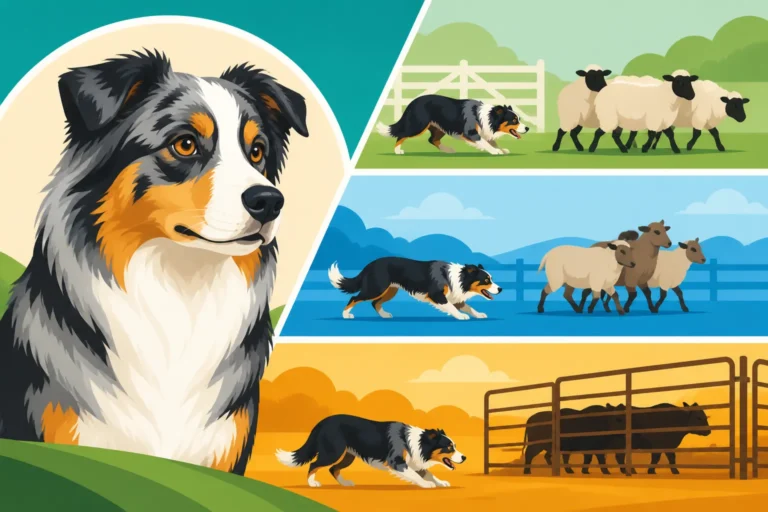
Australian Shepherds are incredible dogs, brilliant, athletic, and loyal. But beneath that beautiful coat and intelligent gaze lies a powerful, ancient instinct: herding. This isn't just a quaint trait; it's their operating system, deeply embedded in their DNA. This instinct is what makes their recall around traffic such a unique and often terrifying challenge.
The Instinct to Herd Moving Objects
Imagine a sheepdog in its element. What does it do? It rounds up, gathers, and controls moving livestock. Now, swap the sheep for a bicycle, a skateboard, a car, or even a jogging person. To your Aussie, these aren't just inanimate objects or other beings; they are potential "flock" that needs to be controlled. Their brains are hardwired to react to movement, often with an intensity that can override even the most well-practiced commands. A flash of chrome, the whir of tires, or the swift motion of a cyclist can flip a switch in their brain, turning off their awareness of you and turning on that primal chase drive. It’s not that they’re being disobedient; it’s that their instincts are screaming louder than you are. This is why you might find your Aussie staring intently at passing vehicles, sometimes even giving a low growl or starting to stalk. It's their attempt to "herd" the world around them.
This deeply ingrained impulse can be incredibly strong, often surprising owners who haven't experienced a herding breed before. A casual stroll through a park adjacent to a road can quickly become a high-stakes situation if an unexpected vehicle enters their line of sight. Their entire focus narrows to that moving object, making it incredibly difficult for them to process your voice, no matter how loud or urgent it is. Understanding this fundamental aspect of their breed is the first crucial step in building a recall that genuinely stands a chance against the allure of traffic.
High Arousal and Tunnel Vision
When an Australian Shepherd's herding instinct is triggered by something like a speeding car, their body and mind enter a state of high arousal. This isn't just excitement; it's a physiological response that prepares them for action. Their heart rate increases, their pupils dilate, and their senses become hyper-focused on the target. In this state, they develop what we call "tunnel vision." Everything else, including your voice, your presence, and any treats you might have, fades into the background. It's like trying to have a calm conversation with someone who's sprinting through a dense forest with a bear chasing them – their brain simply isn't processing anything that isn't directly related to the immediate, high-stakes situation.
This level of arousal makes it almost impossible for your Aussie to hear or obey a standard "come" command. Their primal brain takes over, driven by instinct, and the rational, trained part of their brain takes a backseat. This intense focus is also why they might seem to ignore pain or fatigue in these moments; their drive to chase or herd is paramount. It’s not a reflection on your training or your bond, but rather a testament to the power of their inherent nature. Recognizing these signs of escalating arousal – stiffening body language, intense staring, a slight crouch, or even a sudden shift in ear position – can give you a precious few seconds to intervene before they hit full tunnel vision. Why an Australian Shepherd Bolts After Movement explores this phenomenon further, helping owners understand the underlying causes of their Aussie's chasing habits.
Why "Recall" Isn't Just One Command Near Traffic
For many dog owners, "recall" is a single, all-encompassing command: "Come!" or "Here!" But with an Australian Shepherd, especially when traffic is involved, thinking of recall as a single magic word is a recipe for disaster. What works in your quiet backyard or a fenced park simply isn't enough when faced with the overwhelming stimuli of a busy road.
The Difference Between a Casual Come and an Emergency Stop
A "casual come" is what you might use in the dog park when your Aussie is sniffing a bush and you want them to rejoin you. It's often reinforced with a pat or a low-value treat, and it works because the distractions are relatively low, and the stakes aren't particularly high. Your Aussie knows you want them, and they respond willingly because there’s no overriding impulse competing for their attention. It’s a polite request.
An "emergency stop," on the other hand, is a command designed for life-or-death situations. This is the command that needs to rip through your Aussie’s tunnel vision, interrupt their most powerful instincts, and get them to you immediately, no matter what. It demands a different level of training, different reinforcement, and a completely different mindset from both you and your dog. This command needs to be practiced with such intensity and with such high-value rewards that it becomes an almost involuntary reflex. It’s not a request; it’s a non-negotiable directive that promises an unparalleled reward. The Recall Word That Stops an Aussie Mid-Chase emphasizes the importance of a distinct, powerful emergency recall.
The Sensory Overload of a Busy Street
Think about what a busy street means for your Australian Shepherd. It's not just the visual stimuli of moving cars, trucks, and bikes. It's a cacophony of sounds: roaring engines, screeching tires, honking horns, distant sirens, and the chatter of people. Add to that an onslaught of smells: exhaust fumes, hot asphalt, discarded food, and the scent markers of countless other dogs and animals. For a dog with an already heightened sense of awareness and an intense prey/herding drive, this environment is a sensory explosion.
This overload can be paralyzing or, more commonly for an Aussie, incredibly stimulating, pushing them further into that state of high arousal and tunnel vision we discussed earlier. A dog that might have a decent recall in a quiet field can become completely deaf to your commands when overwhelmed by the sheer volume and variety of sensations near traffic. This is why training around traffic needs to be approached meticulously and incrementally, ensuring your Aussie can gradually cope with and respond reliably amidst these intense distractions, rather than being thrown into the deep end.
Building a Bulletproof Emergency Recall
Creating an emergency recall that truly holds near traffic is one of the most critical skills you can teach your Australian Shepherd. It requires patience, consistency, and a deep understanding of what motivates your dog. This isn't just about yelling louder; it's about building an unbreakable association between your unique command and an irresistible reward.
Choosing a Unique, High-Value Recall Word
First things first, your emergency recall needs its own special word. Don't use "come," "here," or your dog's name for this. These words are likely already diluted by everyday use and might carry less urgency for your Aussie. Pick something distinct, sharp, and easy to yell. Many trainers suggest words like "Front!", "Gotcha!", "Mine!", or even a distinct whistle. The key is that this word is only ever used for emergency recall situations and is always followed by the absolute best reward your dog can imagine.
This isn't the time for a kibble treat. This is the time for boiled chicken, roast beef, cheese, or whatever your Aussie considers the pinnacle of deliciousness. The goal is to make the experience of coming to you when you use this word so overwhelmingly positive that it becomes the most compelling thing in their world, even over a moving car. You want them to think: "Oh my gosh, THAT word means the BEST THING EVER is happening at warp speed!" Never use this word when you're annoyed, or when you know they won't respond, as this will dilute its power. Reserve it for practice and real emergencies only.
Starting Training in Low-Distraction Environments
You wouldn't ask a child to solve advanced calculus before they've mastered basic addition, and the same principle applies to your Aussie's recall. Start in the easiest possible environment: your quiet living room or a securely fenced backyard. With your Aussie just a few feet away, say your emergency recall word in an excited, happy tone, and immediately reward them with that high-value treat as they turn to you. Make it a party! Repeat this dozens of times in short sessions. The moment they associate the word with instant gratification, you can start to add a tiny bit of distance.
As they become lightning-fast and consistently responsive indoors, gradually introduce very mild distractions. Maybe have a family member walk by slowly, or roll a toy gently. Never increase the distraction level too much too soon. The goal is for them to always succeed during practice. If they fail, it means you've pushed them too far, too fast, and you need to dial back the distractions. Remember, every successful recall builds the foundation; every failed recall erodes it. Programs like BAXTER & Bella offer structured training modules that can guide you through these incremental steps, ensuring you build a solid foundation before tackling high-distraction areas.
Gradually Introducing Real-World Traffic Stimuli
Once your Aussie is rock-solid on their emergency recall in low-distraction environments, it's time to start introducing them to the very thing that challenges their recall most: traffic. But again, this needs to be done gradually and safely. Start by having your Aussie on a long line – we'll talk more about those soon – in a park that's near a road, but not directly beside it. The goal is for them to notice the traffic, but not be overwhelmed by it.
Practice your emergency recall when a car passes in the distance. When they respond, celebrate wildly and give that ultimate reward. Slowly, over many, many sessions, you can decrease the distance to the road and increase the volume of traffic. The long line is your safety net, ensuring that even if their instincts kick in, you can prevent them from darting into danger. Never take your Aussie off-leash near traffic until their emergency recall is 100% reliable, and even then, always consider the risks. Even the best-trained dog can have a moment of instinctual override. Practicing Aussie Recall in a Fenced Field can provide ideas for safe, intermediate steps before moving closer to roads.
Tools and Strategies for Safety Near Roads
Even with the most dedicated training, an Australian Shepherd's powerful instincts mean that total off-leash freedom near roads is often an unrealistic and dangerous goal. Thankfully, there are tools and strategies that can bridge the gap between their natural drive and their safety.
The Indispensable Long Line for Practice
A long line is quite possibly the single most important piece of equipment for safely training an Australian Shepherd, especially around areas where an off-leash run could be dangerous. These aren't just extended leashes; they are training tools designed to give your dog the feeling of freedom while you maintain control. Typically ranging from 15 to 50 feet, a long line allows your Aussie to explore, sniff, and even get a good running start, all while you have the ability to gently guide them back or, crucially, prevent them from bolting.
When practicing recall near traffic, a long line is your ultimate safety net. You can let your Aussie roam at the edge of a field that borders a road, allowing them to register the passing cars without putting them in direct danger. If they ignore your emergency recall command, you can calmly and safely reel them in, reinforcing the command as they come closer. You can find durable long lines made from various materials like nylon or biothane on platforms like Amazon, ensuring you choose one that's comfortable to hold and easy to clean. How Long an Aussie Long Line Should Be provides further details on choosing the right length.
Harnesses and Double Leashing for Control
For those moments when you need extra security, particularly with a strong-willed Aussie, a well-fitting harness combined with a double leash system can be invaluable. A harness, especially one that clips in the front, offers better control than a collar alone, as it distributes pressure more evenly across their chest and discourages pulling. If your Aussie has a tendency to pull, a front-clip harness can gently redirect their momentum back towards you.
Double leashing means attaching one leash to their harness and another to their collar. This provides a backup in case one attachment point fails or if your dog manages to slip out of one. This might seem like overkill, but when you're walking near a busy street and your Aussie spots a squirrel, that extra layer of security can make all the difference. Always ensure the harness is properly fitted and not rubbing or causing discomfort, especially in the armpit area, which can lead to chafing for active dogs.
GPS Trackers as a Backup Plan
Let's face it, accidents happen. Even the most diligent owners and best-trained dogs can have a moment of unexpected escape. Perhaps a gate was left ajar, or a leash slipped from your grasp. In these worst-case scenarios, a GPS tracker can be a literal lifesaver. These small, lightweight devices attach to your dog's collar and allow you to track their location in real-time via an app on your smartphone.
While a GPS tracker is absolutely no substitute for solid recall training and responsible leash management, it provides an invaluable layer of reassurance. If your Aussie does bolt after something and disappears from sight, you'll have a much higher chance of locating them quickly and safely. Consider this a vital piece of insurance for any Australian Shepherd owner, especially those with high drive. Whether a Tracker Replaces an Aussie Recall delves into the pros and cons of relying on technology for dog safety.
| Recall Scenario | Environment / Distraction | Recommended Approach | Essential Tools |
|---|---|---|---|
| Casual "Come" | Home / Quiet Park | Low-value treats, positive tone, occasional practice | Standard leash |
| Emergency Recall | Fenced Park / Yard | High-value treats, unique word, enthusiastic praise | Long line |
| Emergency Recall | Near Distant Traffic | High-value treats, consistent practice, gradual exposure | Long line, harness |
| Emergency Recall | Busy Street (On-Leash) | Double leash, front-clip harness, constant vigilance | Double leash, harness |
| Unexpected Escape | Any | Immediate recall command, silent pursuit, then tracker use | GPS tracker, ID tags |
Common Recall Mistakes and How to Avoid Them
Even seasoned dog owners can fall into common traps when training recall, especially with a high-drive breed like an Australian Shepherd. Recognizing these pitfalls is the first step toward correcting them and building a more reliable response from your dog.
Over-Reliance on a Single Command
One of the biggest mistakes we make as dog owners is expecting one word to do all the heavy lifting. "Come" is a versatile command, but it's often overused and, as a result, loses its impact. If you use "come" when your dog is engaged in sniffing a fascinating scent, or wrestling with a playmate, or simply not paying attention, and they ignore you, you've inadvertently taught them that "come" is optional. Each time they ignore you, that command weakens. When you then try to use that same weakened command in a high-stakes situation like near traffic, it's already fighting an uphill battle.
To avoid this, segment your recall commands. Have a casual "come" for low-stakes situations, which you reinforce consistently. But also, develop that distinct, high-value emergency recall command that is never ignored and always followed by an incredible reward. This separation helps your Aussie understand the different levels of urgency and importance associated with your requests. Additionally, ensure you're not always calling your dog to you for something they dislike (like going home after fun). Occasionally call them, reward them, and then immediately release them back to play – this builds positive associations.
Not Proofing in Diverse Environments
Another common error is practicing recall only in familiar, safe, and low-distraction environments. Your Australian Shepherd might have a perfect recall in your backyard, but that doesn't mean it will translate to a bustling city park or a trail bordering a busy road. The world is full of novel sights, sounds, and smells that can easily override even a strong command if your dog hasn't been "proofed" in those varied settings.
Proofing means systematically practicing your recall command in a wide array of locations, with gradually increasing levels of distraction. Start in quiet areas, then move to slightly busier parks, then near residential streets with occasional traffic, and eventually to more challenging environments, always using a long line for safety. The key is to expose your Aussie to these distractions in a controlled manner, so they learn to generalize the command and understand that "emergency recall" means always come, no matter what captivating thing is happening around them. This gradual exposure helps them build confidence and responsiveness in diverse, real-world scenarios.
Forgetting the Value of Consistency and Reinforcement
Consistency is the bedrock of all effective dog training, and it's particularly crucial for recall with an Australian Shepherd. If you're inconsistent with your expectations or your rewards, your Aussie will quickly learn that sometimes they can ignore you, and sometimes they can get away with a half-hearted response. Every time you call your dog and they don't come, and there are no consequences (even if it's just gentle guidance with a long line), you're reinforcing the idea that your command is optional.
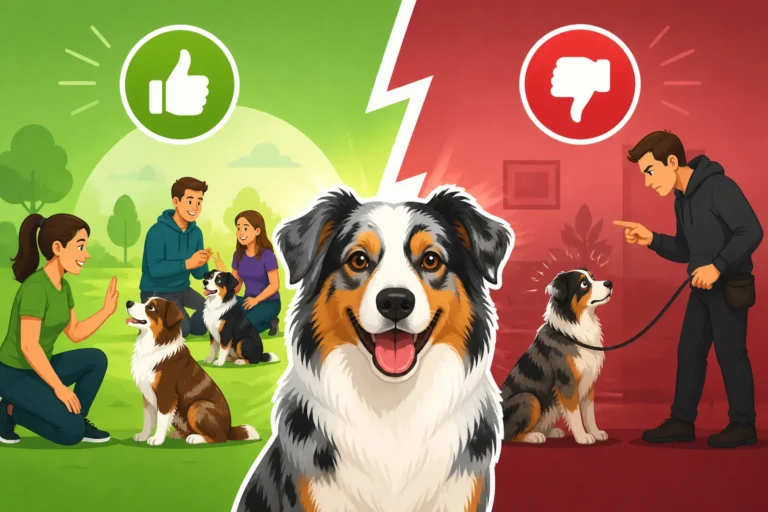
Reinforcement doesn't just mean treats, though high-value treats are paramount for emergency recall. It also means consistent praise, enthusiastic vocalizations, and making coming back to you the most exciting thing in the world. Always reward a successful recall, even if it took a moment longer than you wanted. And crucially, never call your dog to you to scold them or do something they dislike, like leave the dog park. If you need to put them on a leash to leave, go to them instead. You want your presence, especially when you call them, to always be associated with positive outcomes. The First Year Mistakes Aussie Owners Make often highlights recall issues due to inconsistent training.
When Professional Help Becomes Essential
Sometimes, despite your best efforts, you might find yourself hitting a wall with your Australian Shepherd's recall, especially around the formidable distraction of traffic. It's okay to admit that you need an expert's eye and guidance.
Identifying When You're Stuck
There are clear signs that it might be time to call in a professional. If your Aussie consistently ignores your emergency recall command even in moderately distracting environments, or if you feel anxious every time you take them out because of their unpredictable responses to movement, a trainer can help. Perhaps you've tried all the techniques, but your dog's herding drive is so intense that nothing seems to penetrate their focus on passing cars or cyclists. Maybe you're not sure how to safely progress from backyard training to real-world scenarios, or you're struggling to identify what truly motivates your particular dog in high-stress situations.
Another key indicator is if your own frustration is growing, making training less enjoyable and potentially straining your bond with your dog. A good trainer won't just train your dog; they'll train you to be a more effective handler, equipping you with the knowledge and skills to understand your Aussie's unique wiring and communicate more clearly with them. Don't wait until a serious incident occurs; proactive professional help can prevent future heartache.
Finding a Trainer Specializing in High-Drive Breeds
Not all dog trainers are created equal, especially when it comes to breeds with specific, intense drives like Australian Shepherds. When seeking professional help for recall issues, it's crucial to find a trainer who has extensive experience with herding breeds and understands their unique temperament, instincts, and learning styles. A trainer who works primarily with low-drive companion breeds might not grasp the depth of an Aussie's instinct to chase.
Look for trainers who emphasize positive reinforcement, force-free methods, and who are willing to work with you and your dog in real-world environments, not just in a classroom. Ask about their philosophy on managing high-drive dogs, their experience with emergency recall, and whether they use tools like long lines effectively. Don't hesitate to interview several trainers and ask for references. A reputable trainer will be happy to discuss their methods and show you how they can help you build a reliable and safe recall for your amazing, but sometimes challenging, Australian Shepherd. Finding a Trainer Who Understands an Aussie offers excellent advice on how to vet potential trainers.
Disclaimer
This article is for general informational purposes only and does not constitute professional advice. Laws, prices and regulations vary by location and change over time. Consult a qualified professional for guidance on your specific situation.