Finding a Trainer Who Understands an Aussie
It's incredibly frustrating, isn't it? You bring home your amazing Australian Shepherd, full of life and intelligence, only to find that some dog trainers just don't seem to "get" them. They might offer generic advice that falls flat, or worse, use methods that clash with your Aussie's sensitive nature. This guide is here to help you navigate that often confusing search, ensuring you find a trainer who truly understands the unique brilliance and challenges of your Australian Shepherd.
Why a 'Generic' Dog Trainer Might Miss the Mark with an Aussie
When you’re looking for a dog trainer, it’s easy to assume that all dogs are more or less the same, and what works for a Labrador will work for your Australian Shepherd. But Aussies are a different kettle of fish altogether, with a unique blend of traits that can leave a less experienced or breed-savvy trainer scratching their head. Their foundational instincts and intellectual prowess mean they require a specific approach, one that acknowledges their heritage and inherent capabilities. It's not that generic trainers are bad, it's just that they might not have the specialized knowledge to tap into what makes an Aussie tick.
Understanding the Australian Shepherd's Unique Herding Instinct
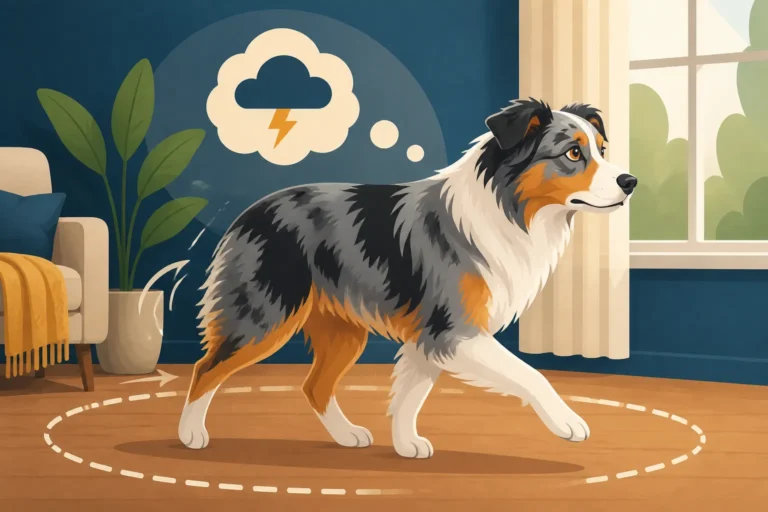
Let's be real: your Australian Shepherd didn't just wake up one day deciding to herd everything in sight. This behavior is deeply ingrained, a part of their very operating system. They were bred for centuries to gather and move livestock, often independently, using their keen intelligence and intense focus. This isn't just a quirky habit; it’s a powerful drive. When a trainer doesn't understand this, they might misinterpret your Aussie's heel-nipping of children, their circling of cyclists, or their intense stare at squirrels as simple "naughtiness" rather than a hardwired instinct trying to find an outlet. A good trainer understands that you can't train out herding instinct, but you can redirect it. They'll help you channel that energy into appropriate activities, rather than trying to suppress a fundamental part of your dog's being. This deep understanding is crucial for effective training and management. Why Herding Instinct Is the Aussie Operating System
The High Intelligence and Need for Mental Engagement
If there's one thing Aussie owners universally agree on, it's that these dogs are smart. Like, frighteningly smart. They soak up new commands faster than a sponge, figure out puzzle toys in minutes, and seem to anticipate your next move. While this intelligence is a joy, it also means they get bored easily. A trainer who focuses solely on repetitive drills or basic commands might find your Aussie quickly disengaging or, worse, inventing their own "jobs" – which often aren't to your liking. An Aussie needs mental stimulation just as much as physical exercise, if not more so. A trainer who understands this will emphasize brain games, trick training, scent work, or complex sequences that challenge your dog's mind, preventing them from becoming destructive or neurotic. They know that a mentally tired Aussie is a well-behaved Aussie, and that simply running them until they drop isn't enough to satisfy their keen intellect. Mental Work That Actually Tires an Australian Shepherd
Sensitivity and Potential for Reactivity
Beneath that tough, working dog exterior, many Australian Shepherds are surprisingly sensitive. They often pick up on subtle cues, both from their environment and from their human handlers. While this makes them incredibly attuned partners, it also means they can be prone to overstimulation, anxiety, or reactivity if not handled correctly. A harsh word, a sharp correction, or an intimidating training method can quickly erode trust and potentially lead to fear-based aggression or extreme shyness. A trainer who doesn't recognize this sensitivity might unwittingly exacerbate behavioral issues, turning a minor concern into a major problem. Aussies thrive with positive reinforcement, clear communication, and an environment where they feel safe to learn and explore. They need a patient hand that understands how to build confidence, manage their environment, and gradually desensitize them to triggers, rather than forcing them through uncomfortable situations. Australian Shepherd Reactivity and Overarousal
What to Look for in an Australian Shepherd Trainer
Now that we understand why a specialized approach is so important for our unique Aussies, let's talk about how to actually find that perfect trainer. It’s not just about finding someone with a certificate; it’s about finding a true partner in your Aussie’s development. This is someone who doesn't just teach commands but helps you build a strong, trusting relationship with your dog.
Experience with Herding Breeds Specifically Aussies if Possible
This is, without a doubt, the most crucial factor. Don't be afraid to ask direct, pointed questions about a trainer's experience. "Have you worked with Australian Shepherds before?" is a great start, but dig deeper. Ask them what specific challenges they've encountered with Aussies and how they addressed them. Someone who has worked extensively with Border Collies, Shelties, or even other high-drive working breeds will likely have a better grasp of the Australian Shepherd temperament than someone whose experience is limited to Golden Retrievers and Poodles. They should be able to articulate the nuances of herding drive, high intelligence, and potential sensitivities that are common in Aussies. A trainer who truly understands Aussies won't just tell you what they would do; they'll tell you what they have done, with examples and real-world results. They should also be familiar with common breed-specific health concerns that can sometimes manifest as behavioral issues, ensuring a holistic approach to your dog's well-being.
Training Philosophy and Methodology
The world of dog training has evolved, and thankfully, most reputable trainers today lean heavily on positive reinforcement. For an Australian Shepherd, this isn't just a preference; it's often a necessity. Aussies thrive when they are motivated, engaged, and understand what's being asked of them through clear, rewarding communication. Avoid any trainer who relies on outdated, dominance-based methods or heavy-handed corrections. Terms like "alpha dog," "pack leader," or methods that involve pain, intimidation, or fear (e.g., choke chains, prong collars, shock collars used for punishment) are red flags for an Aussie. These tools and philosophies can easily break an Aussie's spirit, shut them down, or even provoke reactivity and aggression in a dog that is trying to communicate discomfort. Look for trainers who use treats, toys, praise, and environmental management to teach desired behaviors. They should focus on setting your dog up for success and rewarding them for making good choices, building confidence and a strong bond rather than relying on coercion.
Focus on Relationship Building and Communication
A truly effective trainer for an Australian Shepherd understands that their job isn't just to "fix" your dog; it's to teach you how to understand and communicate with your dog. They act as a translator, helping you decipher your Aussie's body language, motivations, and needs, and then empowering you with the skills to guide them effectively. This approach recognizes that you are your dog's most consistent teacher, and the real training happens daily in your home environment. They should emphasize building a trusting partnership between you and your Aussie, fostering clear two-way communication. This often means less focus on rigid obedience and more on engagement, play, and mutual respect. Resources like BAXTER & Bella, for example, offer online programs that emphasize this very aspect – teaching owners to be effective, positive leaders and building a strong foundation for a lifetime of good behavior. They understand that a deep, empathetic connection is the cornerstone of a well-adjusted Australian Shepherd.
Practical Steps to Vetting Potential Trainers
Finding the right trainer isn't a passive process; it requires you to be an active investigator. You're entrusting them with the well-being and development of your beloved Australian Shepherd, so it's perfectly reasonable to be thorough. Don't feel pressured to choose the first trainer you speak with. Take your time, ask questions, and gather information to make an informed decision.
The Initial Interview: Questions to Ask
Think of your first interaction with a potential trainer as a job interview – for them! You're the employer, and they're applying to work with your Aussie. Prepare a list of specific questions that get to the heart of their approach and experience. Here are some ideas:
- "What is your philosophy on dog training, and how does it specifically apply to high-drive herding breeds like Australian Shepherds?"
- "Can you describe your experience working with Aussies who exhibit [specific behavior, e.g., heel nipping, leash reactivity, intense staring]?"
- "What training tools do you primarily use, and why?" (Listen for answers that prioritize positive reinforcement and avoid aversives).
- "How do you handle a dog that is stressed, fearful, or overstimulated in a training environment?"
- "Do you offer ongoing support or follow-up after the initial training period?"
- "Can I observe one of your classes or a private session before committing?"
- "What are your qualifications, certifications, and how do you continue your education in dog behavior?"
A confident, ethical trainer will be happy to answer these questions transparently. If they are evasive, defensive, or dismissive of your concerns, consider it a significant red flag.
Observing Classes or Sessions
Asking to observe a class or private session is not just a polite request; it's an essential step in your vetting process. Seeing a trainer in action provides invaluable insight that a phone conversation or website can't. When you observe, pay close attention to:
- The Dogs: Do they look happy, engaged, and eager to learn, or do they appear stressed, shut down, or fearful? Are they making choices, or being forced into positions?
- The Owners: Are the owners actively participating and learning, or are they confused or frustrated? Does the trainer clearly explain why they're doing something, not just what to do?
- The Trainer's Demeanor: Are they patient, calm, and encouraging? Do they adjust their approach for individual dogs? Do they model the behaviors they want owners to adopt?
- The Environment: Is the training space clean, safe, and free from excessive distractions for the dogs present?
Observing will give you a visceral feel for their methods and whether it aligns with the kind of experience you want for your sensitive Australian Shepherd. It also allows you to see if the trainer's words match their actions.
Checking References and Online Presence
Just as you wouldn't hire an employee without checking references, you shouldn't choose a dog trainer without doing your due diligence. Ask for references from past or current clients who have Australian Shepherds or similar herding breeds. When you speak to references, ask about their overall experience, the results they saw, and how the trainer handled any challenges.
Beyond direct references, take advantage of the digital age to research a trainer's online presence. Look for:
- Website/Social Media: Do they post educational content that aligns with modern, positive reinforcement techniques? Do they showcase dogs who look happy and confident?
- Online Reviews: Check platforms like Google, Yelp, or local dog forums for reviews. While a few negative reviews aren't necessarily disqualifying, a pattern of complaints about harsh methods, poor communication, or lack of results should give you pause.
- Professional Affiliations: Are they members of reputable professional organizations that adhere to ethical, science-based training standards?
A solid online presence, often featuring positive reviews and informative content, can be a great indicator. You might even find recommendations for specific training aids or books on Amazon that they endorse, which can give you further insight into their methods.
Different Types of Training Environments and What Suits an Aussie
Once you've found a trainer whose philosophy aligns with your Australian Shepherd's needs, you'll need to decide on the best environment for their learning. Each option has its unique benefits and drawbacks, and what works wonderfully for one Aussie might be overwhelming or insufficient for another. The key is to match the environment to your Aussie's personality, their specific challenges, and your own learning style.
Group Classes vs. Private Training
Group classes can be a fantastic way to socialize your Australian Shepherd in a controlled environment, exposing them to other dogs and people while still focusing on basic obedience. This can be especially beneficial for younger Aussies who need varied experiences or for those whose reactivity is mild enough to manage in a classroom setting. The cost is often lower, and it can be motivating to learn alongside other dog owners. However, for a highly sensitive or easily overstimulated Aussie, a group class might be too much too soon. The distractions could lead to overarousal, making it difficult for your dog to learn.
Private training, on the other hand, offers individualized attention. The trainer comes to your home or meets you in a low-distraction environment, tailoring the sessions precisely to your Aussie's needs and your family's lifestyle. This is often the best choice for Aussies with more significant behavioral challenges, like severe reactivity or anxiety, as it allows for focused work without the added pressure of other dogs. It's also ideal if you have a busy schedule that doesn't align with fixed class times. While typically more expensive, the targeted approach can yield faster, more profound results for specific issues. Group Class Against Private Aussie Training
Board and Train Programs: Proceed with Caution
Board and train programs involve sending your Australian Shepherd to live with a trainer for an extended period, typically weeks or even months. The idea is that the dog receives intensive, consistent training. While this sounds appealing on the surface, especially for busy owners, it comes with significant risks for an Australian Shepherd. Aussies bond deeply with their families and can be sensitive to new environments. A program that uses outdated, harsh, or dominance-based methods can inflict severe psychological damage, leading to increased fear, anxiety, or aggression.
If you are considering a board and train, be exceptionally cautious. Demand complete transparency. Ask:
- What specific methods will be used? Get this in writing.
- Can you visit your dog?
- Will you receive daily updates (photos/videos)?
- What is the trainer's background and experience with Australian Shepherds in particular?
- How do they handle stress or fear in the dogs?
- What is the transition plan to ensure the learned behaviors transfer back to your home environment with you?
Without absolute confidence in the trainer's positive reinforcement methods and transparency, a board and train program can be detrimental to your Aussie's well-being and your relationship. Board and Train and Whether an Aussie Needs It
Specialized Dog Sports and Activities
Sometimes, the best "trainer" for your Australian Shepherd isn't a traditional obedience instructor, but rather an instructor for a specific dog sport or activity. These specialized classes aren't just about teaching commands; they're about channeling your Aussie's inherent drives into productive, engaging outlets. Consider options like:
- Herding: If you have access to facilities and livestock, herding classes can be incredibly fulfilling for an Aussie, allowing them to do what they were bred for. Getting an Australian Shepherd Herding Instinct Tested
- Agility: This fast-paced sport demands both physical prowess and mental focus, making it perfect for energetic and intelligent Aussies.
- Scent Work/Nosework: Tapping into their incredible sense of smell, scent work is a fantastic mental workout that can tire an Aussie out without intense physical exertion.
- Disc Dog or Flyball: For the incredibly athletic and retrieve-driven Aussie, these sports offer an exhilarating outlet.
These activities provide mental and physical challenges that traditional obedience might not. They often use highly motivating, positive reinforcement techniques because the dog needs to want to do the activity. Many Aussies thrive in these environments, becoming more settled and focused in everyday life because their core needs are being met. Australian Shepherd Sports From Herding to Agility
Recognizing Red Flags and When to Walk Away
Unfortunately, not all dog trainers operate with the same ethical standards or understanding of canine behavior. It's vital for you, as your Australian Shepherd's advocate, to be able to spot red flags and know when to politely (or not-so-politely) walk away. Entrusting your sensitive, intelligent Aussie to the wrong hands can cause more harm than good, potentially undoing months of progress or creating new, more severe behavioral issues.
Trainers Who Rely on Aversives or Punishment
This is arguably the biggest red flag of all. Any trainer who suggests or consistently uses tools or methods designed to inflict pain, fear, or discomfort should be avoided at all costs when working with an Australian Shepherd. These include:
- Choke chains, prong collars, or electronic/shock collars (e-collars) for punishment: While some "balanced" trainers might use e-collars for communication, if their primary use is correction or punishment, especially for a sensitive Aussie, it's a huge warning sign.
- Alpha rolls, scruff shakes, or other physical intimidation: These outdated, debunked methods are physically dangerous and psychologically damaging. They teach your dog to fear you, not to trust you.
- Yelling, intimidation, or harsh verbal corrections: An Aussie thrives on clear, calm communication. Shouting or constant scolding will only shut them down or make them anxious.
- Focusing solely on what the dog shouldn't do, rather than teaching what they should do: This indicates a punishment-based approach rather than a constructive, positive one.
These methods can lead to suppressed behavior (where the dog stops acting out of fear, not understanding), increased anxiety, aggression, or a complete breakdown of trust between you and your Aussie. For a breed already prone to sensitivity, this can be catastrophic.
Promises That Sound Too Good to Be True
Be wary of any trainer who promises "instant fixes," "guaranteed results," or claims they can completely eliminate complex behavioral issues in just a few sessions or weeks. Real behavior modification takes time, consistency, and a deep understanding of the dog, the environment, and the owner's commitment. There are no magic wands in dog training.
- "We can cure any aggression in two weeks!": Aggression is complex and often requires ongoing management, not a quick fix.
- "Your dog will be perfectly obedient after our board and train!": While a dog might learn a lot at a facility, generalizing that learning back to your home and your handling style is a separate, often challenging process.
- "No matter what the issue, we have the solution!": A truly ethical trainer knows their limits and will refer you to specialists (like veterinary behaviorists) for issues beyond their expertise.
A reputable trainer will set realistic expectations, explain the process clearly, and emphasize that your active participation and consistency are critical for long-term success. If it sounds too easy or too good, it probably is.
Lack of Transparency or Poor Communication
A good trainer is not just skilled with dogs; they are skilled with people too. They should be open, honest, and willing to answer all your questions without hesitation. Watch out for:
- Vagueness about methods: If they can't clearly explain how they achieve results, or use jargon without defining it, be suspicious.
- Refusal to allow observation or provide references: This is a major red flag, suggesting they have something to hide.
- Dismissiveness of your concerns: If you feel ignored, belittled, or rushed, that's not a healthy learning environment for you or your Aussie.
- Poor communication: Unreturned calls, missed appointments, or a general lack of professionalism indicate a lack of respect for you and your time.
You and your Australian Shepherd deserve a trainer who is a true partner, not someone who operates in secrecy or makes you feel uncomfortable. Trust your instincts; if something feels off, it probably is.
Empowering Yourself as Your Aussie's Best Advocate
Ultimately, while a good trainer is an invaluable resource, you are the most important person in your Australian Shepherd's life. You are their constant, their guide, and their advocate. No matter how many classes you attend or how much money you spend, the success of your Aussie's training and overall well-being rests largely on your shoulders. It's an ongoing journey of learning, patience, and unwavering commitment.
Continuing Your Education Beyond Formal Training
Think of formal training classes as foundational steps, not the end of the road. The best Aussie owners are perpetual students, always looking to deepen their understanding of canine behavior, training techniques, and their specific dog's needs. There's a wealth of knowledge out there, and equipping yourself with it will make you a more confident and effective handler.
- Read Books: Invest in books by respected positive reinforcement trainers and veterinary behaviorists. You can find excellent titles on Amazon that cover everything from basic obedience to managing reactivity or understanding canine body language.
- Online Courses and Webinars: Many excellent online training platforms offer self-paced courses. Companies like BAXTER & Bella provide comprehensive online programs that can be done from home, reinforcing what you learn with a trainer and providing continued support. These are fantastic for flexible learning.
- Attend Seminars and Workshops: Look for local or online events focusing on topics relevant to Aussies, such as herding behavior, agility foundations, or reactivity management.
- Join Breed-Specific Groups: Online forums or local Australian Shepherd clubs can connect you with experienced owners who can share insights and resources specific to the breed.
The more you learn, the better equipped you'll be to interpret your Aussie's cues, address challenges proactively, and enrich their life.
Advocating for Your Aussie's Needs
You know your Australian Shepherd better than anyone. You understand their quirks, their fears, their joys, and their unique learning style. This intimate knowledge makes you their most important advocate. Don't be afraid to speak up if something feels wrong or if a training method isn't working for your dog.
- Trust Your Gut: If a trainer's approach feels off, or if your Aussie seems more stressed or shut down after sessions, don't dismiss those feelings. Your intuition is a powerful tool.
- Ask for Modifications: If a group class setting is too overwhelming, ask the trainer if they can suggest ways to modify the exercises or if your dog can work at a greater distance from others.
- Be Prepared to Change Trainers: It's okay to admit that a trainer isn't the right fit. It's better to find someone new than to continue with a program that's not serving your Aussie's best interests. Your dog's mental and emotional well-being is paramount.
- Educate Others: Be ready to explain your Aussie's needs to friends, family, or even well-meaning strangers who might not understand their herding instincts or sensitivities.
Being your Aussie's advocate means constantly assessing their comfort, progress, and overall happiness, and making decisions that prioritize those factors.
Understanding When Behavior Might Be Health-Related
Sometimes, a sudden or significant change in your Australian Shepherd's behavior isn't a training issue at all; it's a medical one. Pain, discomfort, hormonal imbalances, neurological conditions, or even vision/hearing loss can manifest as behavioral problems. A good, ethical trainer will recognize this and immediately recommend a veterinary check-up if they suspect an underlying health issue.
- Sudden Aggression: If your previously friendly Aussie suddenly becomes aggressive, especially when touched, it's critical to rule out pain first. Sudden Aussie Aggression and a Vet Check
- Increased Anxiety or Reactivity: A medical condition affecting their senses or neurological system could make them more sensitive or anxious.
- Loss of Interest in Activities: An Aussie that suddenly refuses work they used to love might be experiencing discomfort or a systemic illness. An Aussie Refusing Work It Used to Love
- Changes in House Training: Incontinence or changes in potty habits could indicate a UTI or other medical issue.
Always consult your veterinarian if you notice any abrupt or unexplained shifts in your Aussie's behavior. A trainer can teach skills, but they can't treat medical conditions. A truly holistic approach to your Australian Shepherd's well-being involves both excellent training and vigilant health care.
Disclaimer
This article is for general informational purposes only and does not constitute professional advice. Laws, prices and regulations vary by location and change over time. Consult a qualified professional for guidance on your specific situation.