Whether Aussie Herding Instinct Can Be Trained Away
It’s a common scenario: you bring home your adorable Australian Shepherd puppy, full of dreams of leisurely walks and cuddles. Then, around six months to a year, the "herding" really kicks in. Suddenly, your puppy is nipping at your heels, trying to "gather" the kids in the backyard, or intensely staring down the vacuum cleaner like it’s a rogue sheep. Many new Aussie owners find themselves wondering if they can just train this instinct away, effectively turning their herding dog into a golden retriever. This comprehensive guide is here to tell you honestly why you can't simply remove that deep-seated instinct, but how you can absolutely manage, redirect, and live harmoniously with it, ensuring both you and your Aussie thrive.
Understanding the Deep Roots of Australian Shepherd Herding Instinct
When you own an Australian Shepherd, you’re not just getting a fluffy, intelligent companion; you’re welcoming centuries of selective breeding and working heritage into your home. Their instincts are not random quirks but integral parts of their being, sculpted by generations of working alongside ranchers and farmers.
It's Not a "Bad" Behavior, It's a Breed Trait
It's really easy to get frustrated when your Aussie is trying to herd your bicycle or nipping at the ankles of a visiting friend. You might feel like they're being "naughty" or deliberately disobedient. But understanding that this is a breed trait – not a moral failing – is the first step towards managing it effectively. Imagine asking a fish not to swim. It's just not how they're built! Similarly, Aussies are built to herd. Their ancestors were indispensable on ranches, moving sheep and cattle with precision and dedication. This incredible drive to gather, control, and move things is literally coded into their DNA.
Every time your Aussie circles the kids playing tag or tries to keep all the toys in one pile, they are simply expressing this natural, powerful urge. It's their operating system, their default mode. Seeing it this way can shift your perspective from frustration to appreciation for the magnificent, purpose-driven animal you have. You'll find a deeper dive into this concept in Why Herding Instinct Is the Aussie Operating System.
The Genetic Blueprint: Why It's Hardwired
For hundreds of years, Australian Shepherds were bred for specific traits: intelligence, agility, incredible focus, and, above all, the instinct to herd livestock. Breeders didn't just pick the prettiest dogs; they picked the ones that excelled at working. The dogs that naturally circled the flock, used their "eye" to control movement, and responded to subtle cues were the ones passed down their genes. This isn't just a learned behavior; it's an ingrained genetic program that manifests from puppyhood.
Think about it like this: your Aussie’s brain is wired to identify movement, assess its direction, and then respond with an innate set of behaviors designed to influence that movement. This can involve stalking, staring, circling, and yes, even nipping at the heels or flanks to guide. While individual dogs will have varying degrees of this drive – some will be highly intense, others more moderate – the underlying impulse is always there. It’s part of what makes them so intelligent and trainable for complex tasks, but it’s also what makes their "pet" lives so challenging if that drive isn't understood and channeled appropriately.
What Herding Looks Like in a Modern Home
In a ranch setting, these instincts are invaluable. In a suburban home or city apartment, they can be baffling, if not downright problematic. Here's how that powerful herding instinct often manifests in a non-working environment:
- Nipping at heels or ankles: This is classic "flanking" behavior, trying to get people (especially children or fast-moving individuals) to move in a desired direction. You might notice An Australian Shepherd Herding Children in the Yard if your kids are running around.
- Staring intensely: The "Aussie eye" is a powerful tool. They'll fixate on moving objects – skateboards, cars, even shadows – trying to mentally control them.
- Circling and gathering: They might try to round up other pets, household items, or even you, nudging you from one room to another.
- Chasing: Anything that moves quickly can trigger a chase response, from a blowing leaf to a squirrel, or even a car passing by the window.
- Controlling access: An Aussie might try to "gate" a doorway, preventing someone from passing, or block off a path.
- Nose-poking or bumping: A gentler form of herding, attempting to direct movement.
These aren't signs of a disobedient dog; they're signs of a dog trying to do its job without an appropriate outlet or understanding of human rules. It’s their way of trying to bring order to their perceived "flock" – which, unfortunately, often includes your family and belongings.
Why "Training Away" Herding Instinct Is a Misconception
The idea of "training away" a core breed instinct is a bit like wishing a duck wouldn't swim. It fundamentally misunderstands the nature of genetic predisposition. Aussies are born with this drive, not taught it.
Suppression vs. Redirection: The Key Difference
This is perhaps the most crucial concept for any Australian Shepherd owner to grasp. You cannot remove the herding instinct. It's not a switch you can turn off. What you can do, and what successful Aussie owners do, is redirect it.
- Suppression involves punishing the natural instinct. If your Aussie nips at heels and you constantly yell, scold, or physically reprimand them, you might succeed in suppressing the expression of the behavior. However, the underlying drive doesn't disappear; it just goes underground. This can lead to:
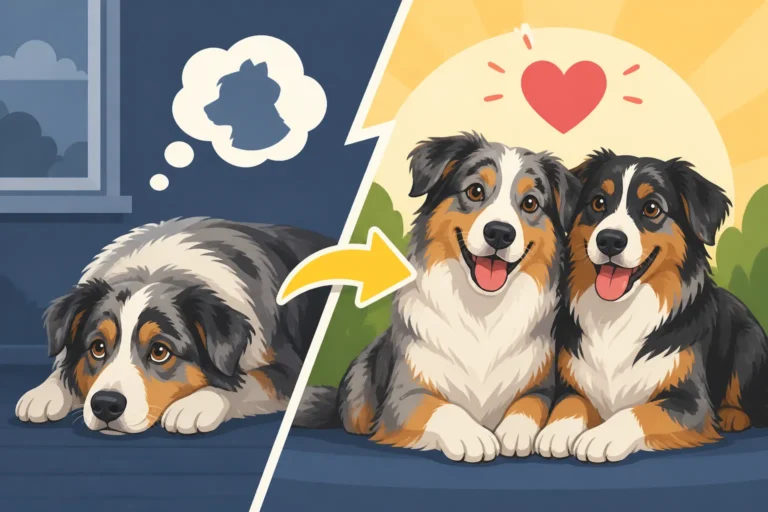
- Fear and anxiety: Your dog learns that expressing a natural urge results in punishment, leading to stress and fear of interacting with you or specific situations.
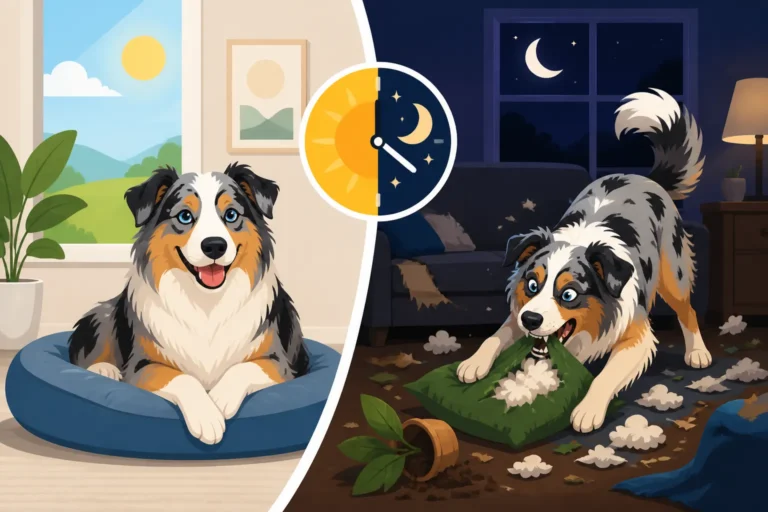
- Displacement behaviors: The suppressed energy might manifest in other, often more problematic ways, such as obsessive licking, destructive chewing (especially when left alone), or even aggression born out of fear.
- Loss of bond: Your dog may become hesitant to engage with you, fearing your unpredictable reactions.
- Redirection, on the other hand, means acknowledging the instinct and providing acceptable, safe, and fulfilling outlets for it. Instead of punishing the nip, you provide a tug toy. Instead of scolding the chase, you introduce a flirt pole. This strategy teaches your Aussie what to do instead of what not to do, channeling that powerful energy into productive activities that strengthen your bond and make them a happier, better-adjusted companion. A great example is Redirecting an Aussie Onto a Tug Instead of a Heel.
The Dangers of Trying to Extinguish Natural Drives
Attempting to completely extinguish an Aussie's natural herding drive can be incredibly detrimental to their mental and emotional well-being. Think about a high-performance engine that's never allowed to rev. It builds up pressure, overheats, and eventually breaks down. A high-drive working dog like an Aussie needs an outlet for that energy.
Without appropriate redirection, you might see:
- Increased anxiety and stress: The dog feels a constant internal pressure to "work" but has no way to release it. This can lead to pacing, whining, excessive barking, or destructive behaviors as they try to self-soothe or find an outlet.
- Obsessive behaviors: Staring at shadows, chasing reflections, or compulsive licking can emerge as the dog tries to channel its intense focus onto something.
- Reactivity and aggression: A frustrated, anxious dog is much more likely to react negatively to novel stimuli. This could be lunging at other dogs, snapping at people, or resource guarding. The dog is essentially saying, "I'm overwhelmed, and I don't know how to cope!"
- Depression or apathy: In some cases, severe suppression can lead to a shutdown, where the dog becomes withdrawn, lethargic, and loses interest in activities it once enjoyed.
It's crucial to remember that these are intelligent, sensitive animals. They thrive when they have purpose and when their natural abilities are recognized and guided, not stifled.
Recognizing the Signs of Frustration and Stress
An Australian Shepherd that isn't having its herding instincts met in an appropriate way will often show clear signs of stress and frustration. Learning to read these signals is vital for their well-being.
Here are some common indicators:
- Excessive barking, especially "demand barking": They might bark at you, the kids, or other animals to try and initiate movement or get attention, feeling a need to control their environment.
- Destructive chewing: Tearing up furniture, walls, or shoes often points to pent-up energy and anxiety.
- Pacing or restlessness: An inability to settle, constantly moving from one spot to another, even after physical exercise. You might notice they're never truly settled, even indoors.
- Hyper-vigilance: Constantly scanning their environment, reacting to every little sound or movement. This can be especially noticeable with An Australian Shepherd That Stares at Everything.
- Increased nipping or chasing: The herding behaviors become more intense and persistent, as if the dog is desperate to engage in its natural drive.
- Exaggerated startle responses: Being jumpy or overly reactive to sudden noises or movements, indicating an underlying state of tension.
- Difficulty concentrating: Despite their intelligence, a highly frustrated Aussie might struggle to focus during training, easily distracted by their environment because their internal drive is so overwhelming.
- Loss of appetite or digestive upset: Stress can manifest physically, impacting their eating habits or causing stomach issues.
These behaviors aren't just annoying; they are a cry for help. Your Aussie is telling you that their fundamental needs are not being met. Ignoring these signs can lead to a deeper behavioral crisis.
Effective Strategies for Managing and Redirecting Herding Instinct
Since you can't "train away" the herding instinct, the goal becomes intelligent management and redirection. This involves providing outlets, teaching self-control, and integrating their natural tendencies into your daily life in a positive way.
Providing Appropriate Outlets for Their Drive
The best way to manage herding drive is to give it a job! Aussies are brilliant and need to use their brains as much as their bodies. Physical exercise alone is rarely enough; as we discuss in Why Physical Exercise Alone Never Settles an Aussie, their minds need to be engaged.
Here are some fantastic outlets:
-
Dog Sports: This is where many Aussies truly shine.
- Herding: If you have access to livestock, even just a few sheep or ducks, an actual herding class can be profoundly fulfilling. It allows them to use their natural instincts in a controlled environment.
- Agility: Navigating obstacles like jumps, tunnels, and weave poles requires immense focus, speed, and communication with their handler. Check out Aussie Agility Class and Trial Entry Fees for more.
- Disc Dog/Flyball: These high-energy sports appeal to their chase drive and love of movement.
- Treibball: An excellent "urban herding" option where dogs herd large exercise balls into a goal using their nose and body, mimicking gathering livestock. You can learn more about Urban Herding an Aussie With an Exercise Ball.
- Scent Work/Nosework: While not directly herding, it taps into their natural prey drive and focus, providing incredible mental stimulation. This falls under Scent Games That Tire an Australian Shepherd.
-
Structured Play: Not just aimless running, but play with a purpose.
- Flirt Poles: These are fantastic for engaging their chase and stalk drive in a safe, controlled way. A long pole with a lure at the end allows you to mimic prey movement, and your Aussie can chase and "catch" without actually nipping at anything. Just be sure to teach an "out" command.
- Herding Balls: Large, indestructible balls that your Aussie can push and move around the yard can satisfy their urge to gather and control.
- Tug-of-War: An excellent way to engage their mouth and release energy, especially if you have an Aussie that tries to nip. Always use a clear "take it" and "leave it" command. This helps with Redirecting an Aussie Onto a Tug Instead of a Heel.
-
"Jobs" Around the House:
- Carrying things: Teach your Aussie to carry the mail, a basket of laundry, or their own toys.
- "Help" with chores: Some Aussies love to "help" by holding something for you or retrieving a specific item.
- "Find it" games: Hide treats or specific toys and have them use their nose to find them. This is another form of Mental Work That Actually Tires an Australian Shepherd.
Remember, the key is to engage both their body and their mind. A tired body isn't enough; a tired mind is what leads to a truly calm Aussie. As the saying goes, Whether an Aussie Needs a Job to Be Calm, the answer is almost always yes.
Training for Impulse Control and Self-Regulation
Beyond providing outlets, you need to teach your Aussie when and how to use their instincts appropriately, and more importantly, when not to. This is where impulse control training comes in.
- "Leave It" and "Drop It": These are foundational commands that teach your Aussie to disengage from something tempting. Practice with toys, treats, and then gradually introduce distractions like people walking by or a rolling ball.
- "Wait" and "Stay": Teaching your Aussie to hold still before being released for food, a toy, or to go through a doorway helps build their capacity for self-control.
- Mat Work/Place Training: Teach your Aussie to go to a designated "place" (a mat or bed) and stay there calmly, even amidst activity. This is fantastic for helping them learn to settle and develop an "off switch." This is often called Mat Settle Training for a Restless Aussie.
- Leash Manners: A well-trained loose-leash walk is crucial. If your Aussie is constantly pulling or lunging at passing bikes or joggers, they are practicing and reinforcing their herding behaviors in an inappropriate context. Use a front-clip harness or head halter if needed, and practice in calm environments before tackling busy ones.
- Emergency Recall: A solid recall is non-negotiable for an Aussie, especially one with a strong chase drive. Practice it constantly, in varied environments, always making coming back to you the most rewarding choice. Teaching an Aussie to Come Off a Chase is a critical life skill.
- Gate Protocol: If your Aussie tries to "gate" doorways, teach them to sit and wait patiently before you open the door or allow them to pass. This reinforces that you control movement, not them.
Consistency is paramount with impulse control. Everyone in the household needs to be on the same page, reinforcing the same rules and commands.
Living Harmoniously with a Herding Dog: Practical Tips
Integrating a herding dog into a non-herding lifestyle requires thought and proactive strategies.
-
Manage the Environment:
- Supervise interactions: Especially with children or other pets, always supervise. Teach kids how to interact safely and not to run screaming, which can trigger herding. A short leash for your Aussie indoors can be a temporary management tool during busy times.
- Secure Fencing: Aussies are athletic and intelligent. A secure yard is essential to prevent them from chasing after perceived "flock" outside.
- Car barriers: If your Aussie tries to herd passing cars from the back seat, a car barrier or crate can prevent this dangerous behavior.
- Avoid Triggers When Possible: If you know certain activities (e.g., skateboards, loud children) trigger intense herding, gradually expose your dog to them under threshold, rewarding calm behavior, or simply avoid them during initial training phases.
-
Enrichment is Key:
- Puzzle Toys: These require your dog to work for their food or treats, engaging their problem-solving skills. Companies like KONG make great durable options.
- Chew Toys: Provide appropriate, safe chew toys, especially when you can't actively engage with them. Many Aussies love Nylabones or West Paw Zogoflex toys available on Amazon.
- Rotation: Rotate toys regularly to keep things fresh and interesting.
-
Consistent Routine: Dogs thrive on predictability. A consistent daily schedule for exercise, feeding, training, and rest helps reduce anxiety and provides structure for their powerful minds.
-
Early Socialization: Proper socialization as a puppy exposes your Aussie to a wide variety of sights, sounds, people, and experiences in a positive way. This helps them learn what is "normal" and reduces reactivity later on.
Table: Redirection vs. Suppression
| Aspect | Redirection Strategy | Suppression Strategy (Avoid!) |
|---|---|---|
| Approach | Acknowledge instinct, provide alternatives | Punish/stop the natural behavior |
| Goal | Channel energy, teach appropriate outlets | Eliminate the behavior entirely |
| Tools | Flirt pole, tug, puzzle toys, dog sports, training | Physical punishment, harsh verbal corrections, isolation |
| Dog's Learning | "When I feel this urge, I can do this instead." | "When I feel this urge, I will be punished. I don't know what to do." |
| Outcome | Happier, well-adjusted dog; stronger bond; appropriate outlets | Anxious, stressed dog; potential for new behavioral problems; strained bond |
| Long-Term Effect | Sustainable, enriching life for dog | Potential for fear-based aggression or emotional shutdown |
When Professional Help is Essential
Sometimes, despite your best efforts, managing a high-drive Australian Shepherd can feel overwhelming. There's absolutely no shame in seeking professional guidance. In fact, it's often the smartest thing you can do for both you and your dog.
Identifying When You're Out of Your Depth
It's easy to feel like you "should" be able to handle it, but some situations truly warrant expert intervention. You might need professional help if:
- The behaviors are dangerous: Your Aussie is consistently nipping children hard enough to bruise, chasing cars into the street, or showing aggression towards people or other animals that you cannot control.
- You feel constantly frustrated or overwhelmed: If you dread walks, avoid guests, or feel like your dog's behaviors are consuming your life, a trainer can provide a roadmap and support.
- Your attempts at redirection aren't working: You've tried various strategies, but your Aussie's herding drive remains unmanageable or seems to be getting worse.
- Your dog is showing signs of severe anxiety or fear: Excessive pacing, destructive behavior when alone, or significant reactivity beyond what you can safely manage indicates a need for a professional behavior consultant.
- You're seeing sudden, unexplained behavioral changes: While less common for herding instinct specifically, any sudden shift in behavior should always prompt a vet visit first to rule out underlying medical issues.
Don't wait until the situation is unbearable. Early intervention is always more effective and less stressful for everyone involved.
Finding a Trainer Who Understands Herding Breeds
Not all dog trainers are created equal, and finding one with specific experience in high-drive herding breeds like Australian Shepherds is critical. A trainer who primarily works with calmer breeds might not fully appreciate the intensity and nuance of an Aussie's instinctual behaviors.
Here’s what to look for when seeking a professional:
- Experience with Herding Breeds: Ask specifically about their experience with Australian Shepherds, Border Collies, or other herding dogs. They should understand the breed's unique drives and challenges.
- Positive Reinforcement Focus: Look for a trainer who uses modern, force-free, positive reinforcement methods. These methods build trust and a strong bond, which is essential for working with intelligent and sensitive Aussies. Avoid trainers who advocate harsh corrections, alpha rolls, or shock collars, as these can severely damage your dog's emotional state and create new behavioral problems.
- Behavioral Consultations: A good trainer will offer an initial consultation to observe your dog, discuss your concerns in detail, and create a customized training plan. They won't offer a one-size-fits-all solution.
- Clear Communication: They should be able to explain why certain behaviors are happening and how their proposed training plan will address them in a way you understand.
- Certification and Continuing Education: Look for trainers certified by reputable organizations (e.g., CCPDT, KPA-CTP). This indicates a commitment to professional standards and ongoing learning.
- Referrals and Reviews: Ask for references or check online reviews. A trainer's reputation speaks volumes.
Some online resources, like BAXTER & Bella's online puppy program, can be a great starting point for foundational training and understanding your Aussie's needs from an early age, but for severe herding-related issues, hands-on, in-person professional help is often best. Finding a knowledgeable trainer can transform your relationship with your Australian Shepherd, turning challenges into opportunities for growth and a deeper bond.
Disclaimer
This article is for general informational purposes only and does not constitute professional advice. Laws, prices and regulations vary by location and change over time. Consult a qualified professional for guidance on your specific situation.