The Drugs an MDR1 Australian Shepherd Cannot Take
It's incredibly stressful when your beloved Australian Shepherd isn't feeling well and needs medication. That worry is compounded tenfold when you know your dog carries the MDR1 gene mutation, leaving you constantly wondering which drugs are safe and which could cause a life-threatening reaction. This guide will meticulously break down the drugs an MDR1 Australian Shepherd cannot take, those requiring careful dosage, and how to confidently advocate for your furry friend.
Understanding the MDR1 Gene and Its Impact
The Multidrug Resistance 1 (MDR1) gene mutation is a significant concern for many Australian Shepherd owners. It's not just a genetic quirk; it has profound implications for how your dog's body processes certain medications. Ignorance of this gene can lead to severe, even fatal, adverse drug reactions.
What is the MDR1 Mutation?
At its heart, the MDR1 gene is responsible for producing a crucial protein called P-glycoprotein. Think of P-glycoprotein as your dog's personal bouncer, standing guard at various cellular barriers throughout the body, including the brain, intestines, kidneys, and liver. Its job is to pump certain drugs and toxins out of cells and prevent them from accumulating to dangerous levels. For instance, in the brain, this protein is a vital part of the blood-brain barrier, protecting neurological tissue from harmful substances.
When an Australian Shepherd has the MDR1 mutation, this P-glycoprotein either doesn't work correctly or isn't produced in sufficient quantities. This means the "bouncer" isn't doing its job effectively. Drugs that would normally be expelled from the brain or other organs are instead allowed to build up. This accumulation can lead to toxicity because the body can't clear the medication as it should. It's a fundamental difference in physiology that makes what's safe for other dogs potentially perilous for an MDR1 Aussie. To learn more about this crucial gene, you can explore resources like The MDR1 Mutation Half of Australian Shepherds Carry.
How an MDR1 Aussie Reacts to Certain Medications
The consequence of this impaired P-glycoprotein function is often neurological toxicity, especially when drugs accumulate in the brain. Instead of the drug being safely metabolized and eliminated, it lingers and affects the central nervous system. This can manifest in a terrifying array of symptoms. Owners might see their dog become disoriented, uncoordinated, or extremely sedated, far beyond the expected effect of the medication. Seizures are also a serious risk, as is blindness, coma, and even death in severe cases.
It's a scary thought, but understanding what MDR1 does inside an Australian Shepherd brain is key to preventing these reactions. Imagine giving your dog a standard dose of an otherwise common medication, only to have them collapse or start having tremors. This isn't just an allergic reaction; it's a systemic poisoning because their body can't process the drug as it's designed to. The effects can be immediate and dramatic, or they can build up over several doses, making early recognition and proactive prevention absolutely vital for your Aussie's health.
Testing for the MDR1 Gene
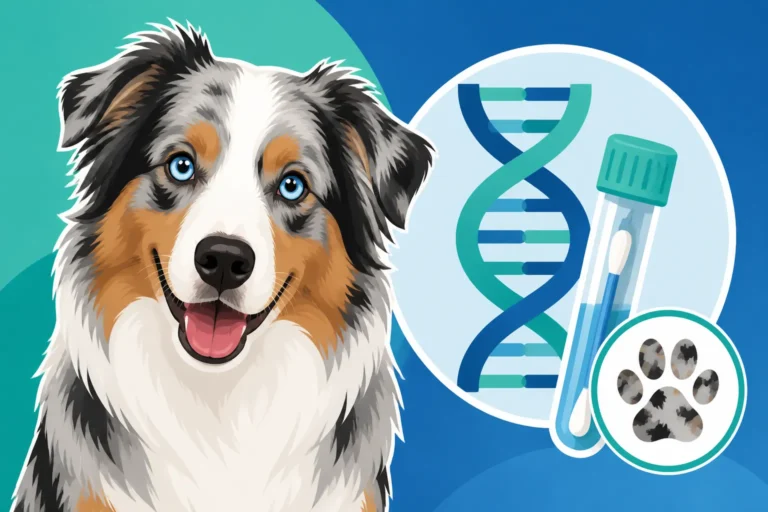
The good news is that you don't have to guess whether your Australian Shepherd carries this mutation. Genetic testing is readily available, simple, and relatively inexpensive, often performed with a quick cheek swab. Knowing your dog's MDR1 status is one of the most proactive steps you can take for their health and safety. The results typically come back as one of three genotypes:
- N/N (Normal/Normal): Your dog does not carry the mutation and can process drugs normally.
- M/N (Mutant/Normal) or Carrier: Your dog carries one copy of the mutated gene. While they generally don't show adverse reactions to standard doses, caution is still advised, and your vet might opt for lower doses or alternative drugs.
- M/M (Mutant/Mutant) or Affected: Your dog carries two copies of the mutated gene. These dogs are highly susceptible to adverse drug reactions and require strict avoidance or significant dosage adjustments for specific medications.
Getting your dog tested, especially if you have a puppy, means you can share this vital information with your vet from day one. This knowledge empowers your veterinary team to make informed decisions, ensuring your Aussie receives safe and effective treatment throughout their life. Many breeders will provide this test with their puppies, but if not, it’s a crucial one to get done. Find out more about Testing an Australian Shepherd for MDR1.
The Absolute No-Go Zone: Drugs to Strictly Avoid
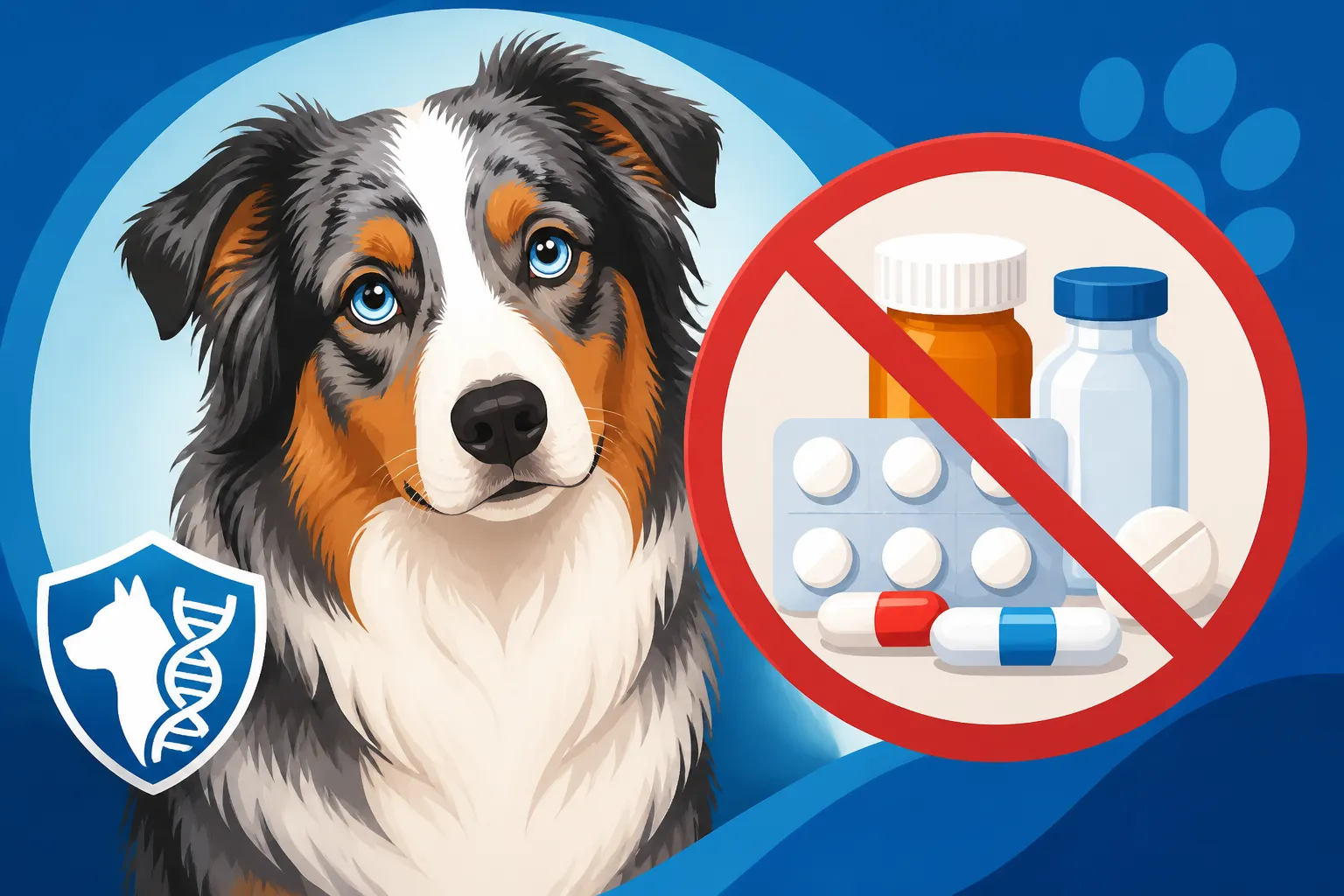
For an MDR1 affected Australian Shepherd, some medications are simply off-limits. These drugs pose such a significant risk of severe toxicity that they should be avoided entirely, or only used under the most extreme, life-saving circumstances with intensive monitoring.
Ivermectin and Macrocyclic Lactones
This category contains some of the most well-known culprits. Ivermectin, a common antiparasitic drug, is perhaps the most notorious. While safe at low doses for heartworm prevention (more on that later!), even slightly higher doses, such as those used for treating mites or other parasites, can be profoundly toxic to an MDR1 affected Aussie. The drug crosses the blood-brain barrier unchecked, leading to severe neurological symptoms. It's terrifying to think how an MDR1 Australian Shepherd reacts to Ivermectin, which can include tremors, seizures, blindness, coma, and even death.
Beyond ivermectin, other macrocyclic lactones in the "no-go" zone include doramectin and moxidectin when given at high, anti-parasitic doses (though low-dose moxidectin in heartworm preventatives is generally safe). It's crucial to always check the active ingredients of any dewormer, topical flea/tick treatment, or injectable parasite medication. If your Aussie is M/M for MDR1, any high-dose macrocyclic lactone should be strictly avoided. Always communicate your dog's MDR1 status to your vet and groomer before any treatments.
Loperamide and Other Opioids
Loperamide, commonly known by the brand name Imodium, is an over-the-counter anti-diarrhea medication. For most dogs, it's considered relatively safe for temporary use. However, for an MDR1 affected Australian Shepherd, loperamide is extremely dangerous. This drug works by binding to opioid receptors in the gut to slow down intestinal movement. Ordinarily, P-glycoprotein prevents significant amounts of loperamide from entering the brain. But with a faulty MDR1 gene, loperamide can flood the brain, acting like a potent opioid overdose.
Symptoms can include profound sedation, respiratory depression, coordination problems, and severe lethargy. Just like with ivermectin, this can be a life-threatening situation. It's a stark reminder that what's safe for humans or other dog breeds can be deadly for an MDR1 Aussie. You'll want to review Loperamide and Other Drugs That Harm an MDR1 Aussie to ensure you're completely up to speed on this particular medication. Always consult your vet for diarrhea treatment for an MDR1 dog; there are safer alternatives available.
Certain Chemotherapy Drugs
While hopefully not a concern for most owners, if your Australian Shepherd ever faces a cancer diagnosis, their MDR1 status becomes paramount in treatment planning. Many chemotherapy drugs are substrates for P-glycoprotein, meaning their elimination from the body and protection from sensitive tissues (like the brain and bone marrow) rely on a functioning MDR1 gene.
Chemotherapy agents such as vincristine, vinblastine, doxorubicin, and paclitaxel can lead to severe and potentially fatal toxicity in MDR1 affected dogs. This isn't just about neurological issues; it can cause profound bone marrow suppression, gastrointestinal distress, and other systemic problems at standard doses. A veterinarian specializing in oncology will be well aware of this, but it underscores the critical importance of a complete genetic panel before any serious medical interventions. If cancer treatment is ever on the table, ensure your vet thoroughly reviews your Aussie's MDR1 status to tailor a safe and effective protocol.
Handle with Extreme Caution: Medications Needing Dosage Adjustment
Beyond the "absolute no-go" drugs, there's a category of medications that aren't strictly forbidden but require significant caution, dosage adjustments, or alternative choices for an MDR1 affected Australian Shepherd. This is where vigilant communication with your vet becomes even more critical.
Anesthetics and Sedatives
Any time your Aussie needs to go under anesthesia or requires sedation for a procedure, their MDR1 status must be at the forefront of the veterinary team's mind. Drugs like acepromazine (a common tranquilizer) and butorphanol (an opioid pain reliever and sedative) are known substrates for P-glycoprotein. If these drugs are given at standard doses to an MDR1 M/M dog, the effects can be greatly prolonged and intensified. Your dog might remain excessively sedated for much longer than anticipated, or experience more severe respiratory depression.
Imagine your Aussie needing a dental cleaning, a routine procedure, but because their MDR1 status wasn't considered, they're groggy and unstable for 24 hours afterward instead of just a few. It's a scary scenario. Vets treating an MDR1 Aussie should opt for lower doses, use alternative anesthetics and sedatives that aren't affected by MDR1, or have reversal agents readily available. Many clinics now have protocols in place specifically for MDR1 dogs. It's not about avoiding these procedures, but ensuring they're done safely. For a deeper dive into adjusting protocols, check out Anesthetics That Need Adjusting for an MDR1 Aussie.
Steroids and Immunosuppressants
Corticosteroids like prednisone and dexamethasone are powerful anti-inflammatory and immunosuppressive drugs, frequently used for allergies, autoimmune conditions, or certain types of cancer. While often safe at standard doses for most dogs, MDR1 affected Australian Shepherds may experience exaggerated effects or delayed clearance, especially at higher or prolonged doses. For example, higher levels could lead to more severe side effects like increased thirst, urination, appetite, and even muscle weakness or gastrointestinal upset.
Similarly, other immunosuppressants like cyclosporine, used for conditions such as severe allergies or autoimmune diseases, are also P-glycoprotein substrates. This means that an MDR1 dog might achieve higher drug concentrations in their body at standard doses, potentially increasing the risk of side effects or toxicity. If your Aussie requires long-term steroid or immunosuppressant therapy, your vet will need to carefully monitor blood levels and adjust the dosage to find the safest and most effective regimen. Open communication about your dog's genetic status is paramount here.
Anti-Parasitic Treatments
We've already covered high-dose ivermectin, but it's worth noting other anti-parasitic treatments that might need careful review for an MDR1 Australian Shepherd. While most modern monthly heartworm preventatives are generally safe at their low, preventative doses (e.g., Heartgard Plus which contains ivermectin, or Sentinel Spectrum which contains milbemycin), it’s crucial to understand the distinction. These doses are significantly lower than therapeutic doses used to treat existing parasitic infestations, which would be dangerous. In fact, Why Heartworm Doses Are Still Safe for an MDR1 Aussie is a great resource to learn more about this.
Beyond heartworm, some flea, tick, and other worming treatments may contain ingredients that are P-glycoprotein substrates. For instance, some over-the-counter dewormers or combination parasite products might contain milbemycin or other macrocyclic lactones that, at higher therapeutic doses, could pose a risk. Always read labels carefully, and more importantly, always confirm with your vet that any new preventative or treatment is safe for your MDR1 Aussie. This vigilance helps prevent accidental exposure to dangerous levels of medication.
Medications Generally Considered Safe (But Always Discuss with Your Vet)
While the list of drugs to avoid or use with caution might seem daunting, it's important to remember that many common veterinary medications are generally safe for MDR1 Australian Shepherds. This understanding can bring immense peace of mind to owners, but the golden rule always remains: always discuss with your vet.
Common Antibiotics and Anti-Inflammatories
Most commonly prescribed antibiotics, such as amoxicillin, cephalexin, or doxycycline, are generally not significantly affected by the MDR1 gene. This means if your Aussie gets a bacterial infection, you can typically proceed with treatment without excessive worry about an MDR1 interaction. Similarly, many non-steroidal anti-inflammatory drugs (NSAIDs) like carprofen (Rimadyl) or meloxicam are often considered safe for MDR1 dogs, though individual tolerance and liver/kidney function should always be monitored, as with any dog on NSAIDs.
However, "generally safe" doesn't mean "never ask." Always double-check with your veterinarian, even for these routine medications. They might have a preferred brand or a specific dosage adjustment based on your dog's individual health profile. The key is to be informed and proactive, ensuring no stone is left unturned when it comes to your Aussie's well-being. Knowing your dog has a robust insurance plan, like one from Healthy Paws, can also provide comfort, knowing that unforeseen health issues will be covered regardless of the medication needed.
Vaccinations and Routine Preventatives
Routine vaccinations are incredibly important for your Australian Shepherd's overall health and protection against serious diseases like rabies, distemper, parvovirus, and adenovirus. The good news is that vaccinations themselves, which stimulate the immune system, are generally considered safe for MDR1 affected dogs. There is no known interaction between the MDR1 gene and vaccine components.
Similarly, most monthly heartworm preventatives (as mentioned before, at their preventative doses) and many flea and tick preventatives are safe. Products like NexGard (afoxolaner), Bravecto (fluralaner), or Simparica (sarolaner) for fleas and ticks, and the low-dose ivermectin or milbemycin in heartworm meds, typically fall into the safe category. The crucial thing is to verify the specific active ingredients with your vet, especially if you're trying a new product or an over-the-counter option. Your vet will be able to confirm if a specific brand of flea product is safe for an MDR1 Aussie. This diligent approach ensures your Aussie gets the protection they need without unnecessary risk.
Managing Pain and Discomfort
When your Australian Shepherd is in pain, whether from an injury, arthritis, or post-operative discomfort, providing relief is paramount. Besides NSAIDs, other pain management options are typically available and safe for MDR1 dogs. Gabapentin, often used for neuropathic pain or as a mild sedative, is generally considered safe and not significantly impacted by the MDR1 gene. Amantadine, another drug sometimes used for chronic pain, also falls into this category.
For severe pain, your vet might consider certain opioids like tramadol, but these still require caution and potentially lower doses, similar to anesthetics. The goal is always to find the most effective pain relief with the least risk. For joint health, which is a common concern for active Aussies, supplements like glucosamine and chondroitin are safe to use and can be beneficial as they are not pharmaceuticals that interact with the MDR1 pathway. Remember, an Australian Shepherd arthritis after years of work is common, and having safe pain management options is crucial.
Advocating for Your MDR1 Australian Shepherd at the Vet
Having an MDR1 Australian Shepherd means you become an even more crucial advocate for their health. It's not enough to just know their status; you need to ensure every veterinary professional who cares for them is aware and takes it into account, especially in unexpected situations.
Informing Every Veterinary Professional
This might sound obvious, but it's worth reiterating: every single time your Aussie sees a new vet, a different tech, or even a specialist, you need to explicitly state their MDR1 status. Don't assume it's in their file or that they've checked it. Human error happens, and in the case of MDR1, it can have dire consequences. I recommend having it prominently displayed on their file, perhaps even on a brightly colored sticker.
Consider getting a medical alert tag for their collar that clearly states "MDR1 Positive" or "MDR1 M/M." This is especially vital if your dog ever gets lost or needs emergency care from an unfamiliar vet. When you schedule appointments, make sure the front desk staff adds a note to your dog's chart. When you arrive, reiterate it. It might feel repetitive, but it's a small effort that could save your Aussie's life. Being prepared means fewer worries, and a good pet insurance plan, like Healthy Paws, is there to help cover the costs should unexpected issues arise, giving you one less thing to stress about.
Emergency Situations and Unfamiliar Vets
Emergency situations are where the MDR1 gene can become most dangerous. In a high-stress, fast-paced environment, medical staff might not immediately check for genetic predispositions. This is why having a clear, concise plan is essential. Carry a laminated card in your wallet and your car with your Aussie's name, your contact info, their MDR1 status, and a short list of absolute "no-go" drugs.
If your Aussie ever needs care from an emergency vet, present this information immediately. Even if your regular vet has sent over records, verbal confirmation and a physical reminder can prevent errors. Discuss with your primary veterinarian the specific drugs they would recommend avoiding and which they would consider safe alternatives for an emergency context. This proactive approach ensures that even under pressure, the medical team has the critical information they need to treat your Australian Shepherd safely. For more guidance on this, refer to Emergency Vet Instructions for an MDR1 Australian Shepherd.
Keeping a Detailed Health Record
Organization is your best friend when managing an MDR1 Australian Shepherd's health. You should keep a dedicated folder, both physical and digital, containing all their medical records. This includes:
- MDR1 Genetic Test Results: The official report showing their N/N, M/N, or M/M status.
- Full Genetic Panel Results: Beyond MDR1, your Australian Shepherd needs a full genetic panel to screen for other common conditions like Collie Eye Anomaly in an Australian Shepherd, Hereditary Cataracts Clouding an Aussie Eye, and more. This gives a holistic view of potential health risks.
- Current Medication List: A running list of all medications, supplements, and preventatives your Aussie is currently taking, including dosages and frequency.
- Known Drug Sensitivities: A list of drugs specifically identified by your vet as unsafe or requiring caution for your dog.
- Emergency Contact Information: Your vet's number, nearest emergency vet, and a trusted friend or family member.
This comprehensive record acts as your dog's medical passport. It's invaluable for you, your vet, and any future care providers. Think of it as your dog's detailed autobiography of their health journey, making it easier for anyone involved in their care to make informed decisions. An Australian Shepherd parent needs access to The Health Tests Every Australian Shepherd Parent Needs, and this helps to ensure it.
MDR1 Drug Interaction Quick Reference Table
To help you keep track, here's a quick reference table for common drug categories and their general safety for MDR1 affected Australian Shepherds. Remember, this is a general guide, and always consult your veterinarian for specific advice regarding your individual dog.
| Drug Category | Examples (Common Names/Types) | MDR1 Risk Level | Notes for MDR1 Affected (M/M) Aussies |
|---|---|---|---|
| High-Risk/Strictly Avoid | Ivermectin (high doses), Loperamide (Imodium), Doramectin, Vinblastine, Vincristine, Doxorubicin, Paclitaxel | HIGH | Can cause severe neurological toxicity (seizures, coma, death). Strict avoidance for M/M dogs. Even M/N dogs should avoid high doses. |
| Caution/Dosage Adjustment | Acepromazine, Butorphanol, Prednisone (high doses), Dexamethasone (high doses), Cyclosporine, Erythromycin, Doxycycline, Ondansetron | MEDIUM | May require significant dosage reduction or alternative drugs. Effects can be prolonged or exaggerated. Close monitoring essential. Discuss with vet. |
| Generally Safe | Amoxicillin, Cephalexin, Carprofen (Rimadyl), Meloxicam, Gabapentin, Metronidazole, Most Vaccines, Low-dose Heartworm Preventatives (e.g., Heartgard, Sentinel), Flea/Tick Preventatives (e.g., NexGard, Bravecto) | LOW | Typically safe, but always inform your vet of MDR1 status and monitor for any unusual reactions. |
This table is not exhaustive, but it covers some of the most common medications. When in doubt, always default to caution and seek professional veterinary advice.
Disclaimer
The information provided in this article is for general informational purposes only and does not constitute veterinary medical advice. Always consult with a qualified veterinarian for any health concerns or before making any decisions about your Australian Shepherd's medical care, especially concerning the MDR1 gene mutation. Drug interactions and appropriate dosages can vary based on individual circumstances and the specific formulation of medications.