Testing an Australian Shepherd for MDR1
It’s a truly frightening thought: giving your beloved Australian Shepherd a medication prescribed by a veterinarian, only for them to suffer a severe, life-threatening reaction. This isn't a rare anomaly; it's a very real concern for many Aussie owners due to a genetic mutation called MDR1. Understanding and testing for this mutation is one of the most proactive steps you can take to safeguard your dog’s health, ensuring they receive appropriate care without unnecessary risk. This guide will walk you through everything you need to know about MDR1 testing, from what the gene does to how to interpret your results and advocate for your dog.
Understanding MDR1 in Australian Shepherds
The Multi-Drug Resistance 1 (MDR1) gene, also known as ABCB1, is a fascinating and critical component of your dog's natural defenses. For Australian Shepherds, however, it can also be a hidden danger. Unpacking what this gene does and why it's so prevalent in the breed is the first step toward understanding its impact.
What the MDR1 Gene Does
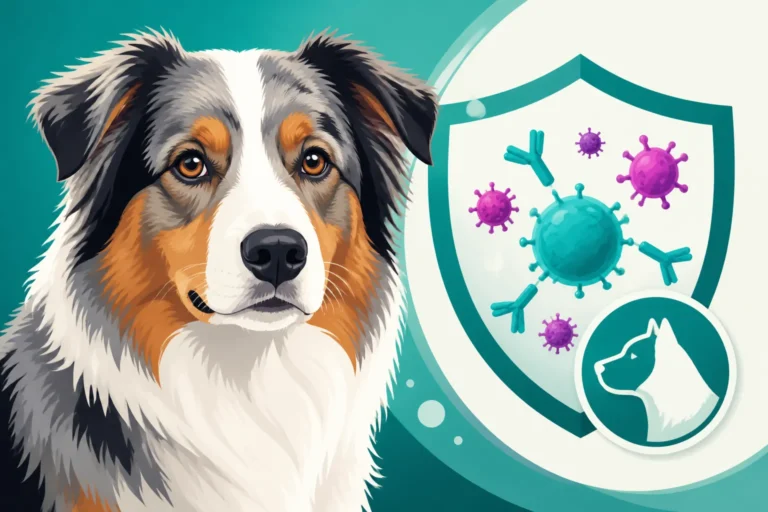
At its core, the MDR1 gene is responsible for producing a protein called P-glycoprotein. Think of P-glycoprotein as a diligent bouncer or a biological security guard for your dog's body. Its main job is to pump certain drugs and toxins out of cells, particularly those in the brain, intestines, kidneys, and liver. Most importantly, it's a key player in maintaining the integrity of the blood-brain barrier. This barrier is a protective filter that prevents harmful substances from reaching the delicate brain tissue, while still allowing essential nutrients to pass through.
When the MDR1 gene is functioning correctly, this P-glycoprotein efficiently removes drugs from the brain, preventing them from accumulating to toxic levels. It’s like having a well-oiled machine constantly flushing out potential dangers. However, in dogs with the MDR1 mutation, this gene is defective, meaning the P-glycoprotein either isn't produced at all or isn't produced in sufficient, functional quantities. This compromise leaves the blood-brain barrier vulnerable, allowing drugs that would normally be expelled to instead cross into the brain. Once these drugs cross the barrier and accumulate, they can cause severe, sometimes fatal, neurological damage.
Why Australian Shepherds Are Affected
The MDR1 mutation isn't unique to Australian Shepherds, but it's certainly highly prevalent within the breed, affecting approximately half of all Aussies. This genetic quirk is also seen in other herding breeds like Collies, Shetland Sheepdogs, Border Collies, and some mixed breeds with herding ancestry. The mutation is thought to have originated in a common ancestor of these breeds many generations ago and has since been passed down.
It's an autosomal dominant trait, which means a dog only needs to inherit one copy of the mutated gene from either parent to be affected. However, the severity of drug sensitivity can vary depending on whether a dog inherits one copy (N/M, meaning normal/mutant, or a carrier) or two copies (M/M, meaning mutant/mutant, or affected) of the mutated gene. Dogs with two copies typically exhibit more severe reactions at lower drug dosages. The widespread nature of this mutation means that even if a dog doesn't exhibit symptoms, they could still be a carrier and pass the gene on to their offspring if proper genetic testing isn't conducted by breeders. The story of How MDR1 Spread Through Australian Shepherd Lines is a testament to how quickly a single genetic trait can become endemic within a breed without careful management.
Recognizing the Signs of MDR1 Sensitivity
The consequences of an MDR1 mutation can range from subtle to catastrophic when affected dogs are exposed to certain medications. Knowing what to look for and which drugs pose a risk is paramount for any Australian Shepherd owner.
Common Drug Reactions and Symptoms
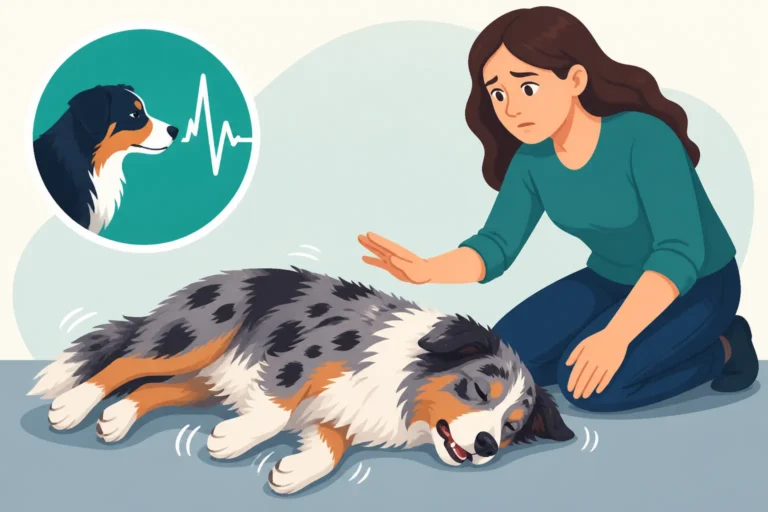
When an Australian Shepherd with the MDR1 mutation is given a problematic drug, the signs can appear quickly and be extremely distressing. Because the defective P-glycoprotein can't effectively pump these substances out of the brain, they accumulate and begin to disrupt normal neurological function. Owners often report symptoms such as disorientation, staggering or loss of coordination (ataxia), excessive drooling, tremors, and dilated pupils. In more severe cases, dogs can experience seizures, blindness, coma, or even death. These reactions aren't always immediate; sometimes it takes a few hours for the drug to reach critical levels in the brain.
Some of the most notorious offenders include Ivermectin, a common ingredient in many heartworm preventatives and parasiticides. While most modern heartworm doses are too low to cause an issue in carriers, higher doses used for other parasitic treatments can be extremely dangerous. Other critical drugs to avoid or use with extreme caution include Loperamide (an anti-diarrheal drug often found in over-the-counter preparations), Acepromazine (a tranquilizer), and certain chemotherapy drugs. It's crucial for owners to be aware of The Drugs an MDR1 Australian Shepherd Cannot Take and to discuss their dog's MDR1 status with every veterinarian and emergency vet team they encounter. Being vigilant for Neurological Signs an Aussie Is Reacting to a Drug is key to getting prompt treatment if an accidental exposure occurs.
Over-the-Counter and Veterinary Medications to Watch For
It's not just powerful prescription drugs that can pose a risk. Many common over-the-counter medications and routine veterinary treatments can also be dangerous for an MDR1-affected Australian Shepherd. For instance, while certain flea and tick medications are generally safe, some brands or active ingredients may interact negatively. Products containing spinosad, selamectin, or milbemycin are often considered safe, but it's always best to verify with your vet and the product manufacturer, especially given that some products are used off-label at higher doses for specific conditions. You can delve deeper into The Flea Products Dangerous to an MDR1 Aussie to ensure your choice is safe.
Beyond parasiticides, anesthetic protocols need to be carefully adjusted. Drugs like butorphanol, a commonly used pre-anesthetic sedative, or some general anesthetics, may require reduced dosages or alternative choices for an MDR1-positive dog to prevent prolonged recovery or adverse neurological effects. Understanding Anesthetics That Need Adjusting for an MDR1 Aussie is critical before any surgical procedure, even a routine dental cleaning. Even common pain relievers or anti-nausea medications might need to be evaluated. This underscores why having your Aussie's MDR1 status on file with your veterinarian, and informing any emergency clinic, groomer, or boarding facility, is non-negotiable.
The Importance of MDR1 Testing
Given the potential severity of drug reactions, testing your Australian Shepherd for the MDR1 mutation isn't just a good idea; it's an essential part of responsible pet ownership. This simple test provides invaluable information that can literally save your dog's life.
Why Every Australian Shepherd Needs to Be Tested
Imagine the heartbreak of an emergency situation where your dog needs immediate medical attention, but you can't confidently give the vet crucial information about their drug sensitivities. This scenario is a real possibility for owners of untested Australian Shepherds. Knowing your dog's MDR1 status allows your veterinarian to tailor treatment plans, avoid dangerous medications, and select safe alternatives. This is particularly vital in emergencies, where quick decisions are often made under pressure. Without this knowledge, vets might unwittingly administer a drug that could cause severe neurological damage.
Testing also plays a critical role in responsible breeding practices. While this guide focuses on individual dog care, it's worth noting that breeders use this test to ensure they don't produce puppies with a higher risk of severe drug sensitivity, or to make informed decisions about breeding pairs. For the average pet owner, however, the primary benefit is peace of mind and proactive health management. Investing in The Genetic Panel Every Australian Shepherd Needs often includes MDR1 testing, providing a comprehensive overview of potential inherited health risks beyond just drug sensitivities. Even if your Australian Shepherd is a beloved pet and not intended for breeding, knowing their status is a gift of safety. Understanding Whether an MDR1 Australian Shepherd Should Be Bred is a separate, complex topic for those with breeding considerations.
Protecting Your Aussie from Harm
Once you have your Australian Shepherd's MDR1 test results, you become a powerful advocate for their safety. The results inform every aspect of their medical care. For instance, if your dog is M/M (affected), your vet will know to avoid all problematic drugs. If your dog is N/M (a carrier), they might still be sensitive to higher doses of certain drugs, or require careful monitoring. This level of precision in veterinary care is simply not possible without the test results.
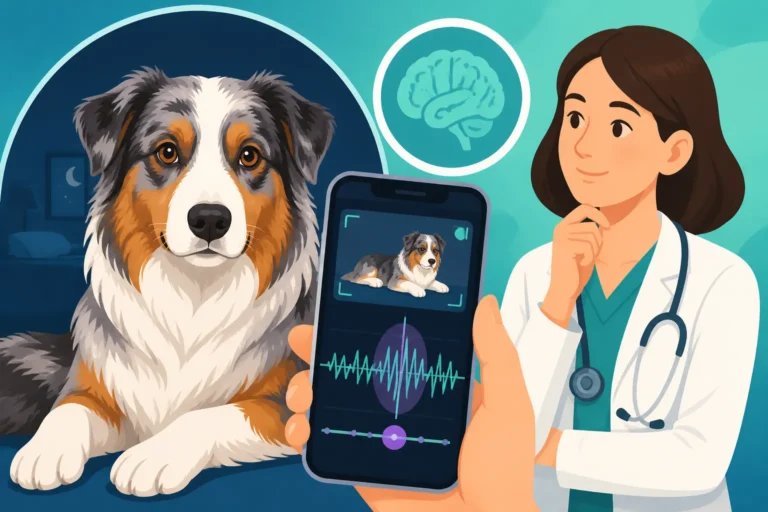
Imagine your Aussie needs surgery. Knowing their MDR1 status allows the veterinary team to choose appropriate pre-anesthetic sedatives and general anesthetics, potentially preventing a prolonged and dangerous recovery. If your dog develops an illness requiring medication, your vet can consult their MDR1-safe drug list. It’s not just about avoiding drugs; it's about having a clear, informed path for treatment. Make sure to actively engage with your vet, providing them with the results and discussing any concerns. When you're talking to your vet, being clear about Telling Your Vet an Australian Shepherd Is MDR1 Positive ensures they understand the implications for your dog's care plan. For unexpected situations, having Emergency Vet Instructions for an MDR1 Australian Shepherd prepared can be a lifesaver. This empowers you to make informed decisions and ensures your dog receives the safest possible treatment, no matter the circumstance.
The MDR1 Testing Process
The good news is that testing your Australian Shepherd for the MDR1 mutation is incredibly straightforward and non-invasive, requiring nothing more than a simple cheek swab. This accessibility means there's really no reason not to get your dog tested.
How the Test is Conducted
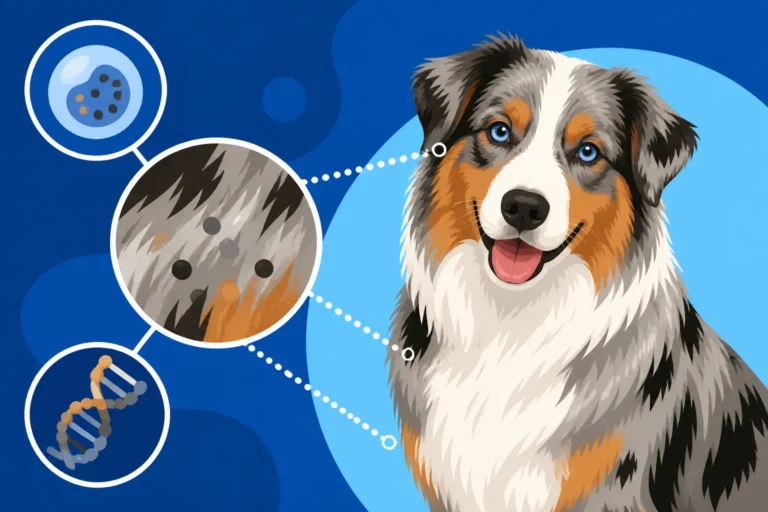
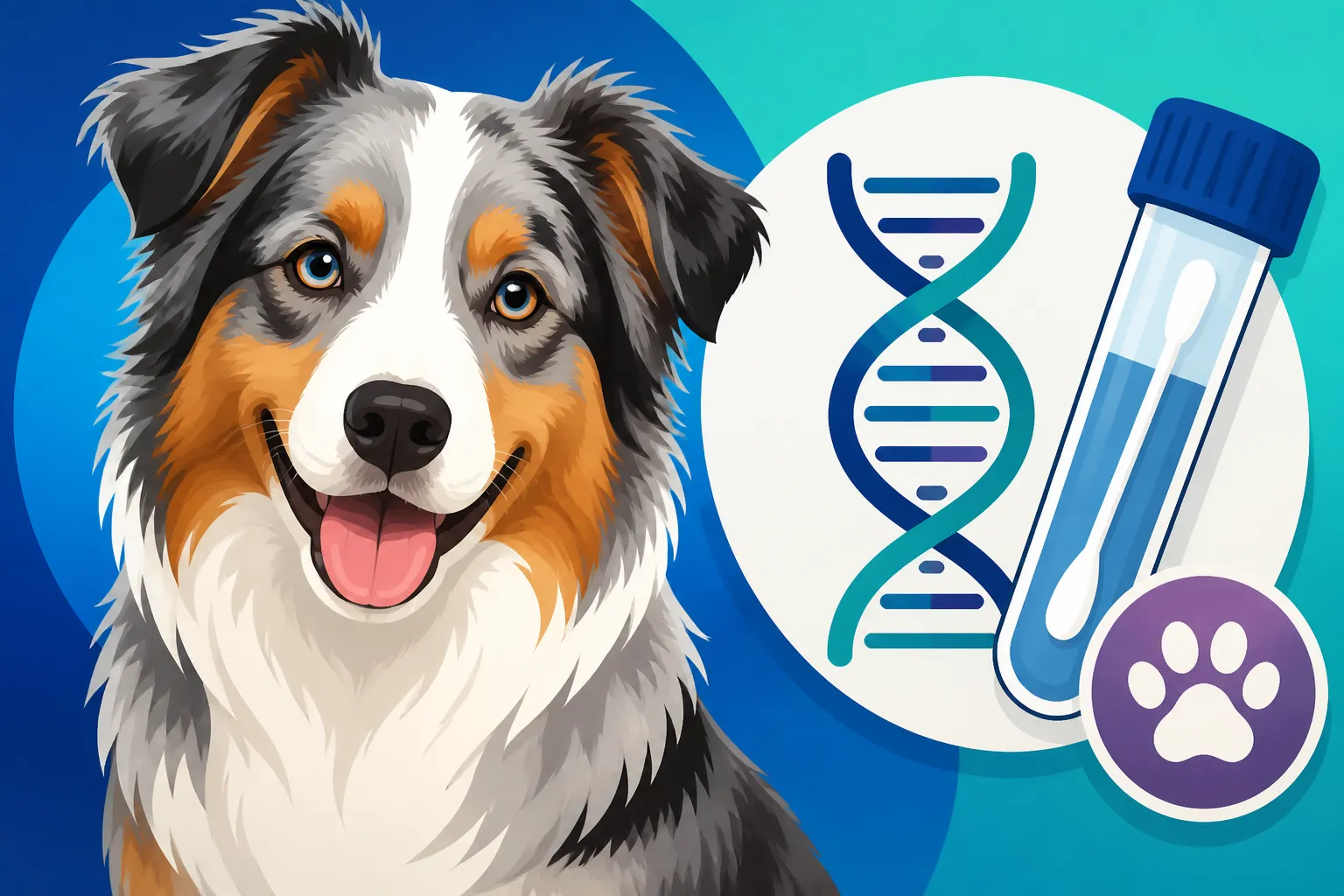
The process for testing an Australian Shepherd for MDR1 is wonderfully simple. It typically involves a buccal swab, which is just a fancy term for a cheek swab. You can often obtain a testing kit directly from a veterinary genetic testing laboratory or sometimes through your veterinarian. The kit usually contains sterile cotton swabs, instructions, and forms to fill out with your dog's information.
To collect the sample, you gently rub the swab along the inside of your dog's cheek and gum line for about 10-20 seconds. The goal is to collect cells, not just saliva. It's important to make sure your dog hasn't eaten or drunk anything for at least an hour before swabbing to avoid food contamination that could interfere with the DNA extraction. Once you've collected the sample, you allow the swab to air dry completely, place it in the provided protective sleeve or envelope, and mail it back to the laboratory. Some vets offer to perform the swab for you, especially if it's part of a larger health screening, but it's easily done at home. Many owners find The Cheek Swab That Tests Australian Shepherd MDR1 to be a quick and stress-free process for both themselves and their dog.
Understanding Your Aussie's Results
Once your sample has been processed by the laboratory, you'll receive a report detailing your Australian Shepherd's MDR1 genotype. This report will typically show one of three possible results:
- N/N (Normal/Normal or Homozygous Normal): This means your Australian Shepherd has two normal copies of the MDR1 gene. Their P-glycoprotein functions correctly, and they are not expected to be sensitive to MDR1-related drugs. They cannot pass the mutated gene on to their offspring. This is the "clear" status.
- N/M (Normal/Mutant or Heterozygous Affected, also known as a Carrier): This means your Australian Shepherd has one normal copy and one mutated copy of the MDR1 gene. While they do produce some functional P-glycoprotein, their system is less efficient. They may exhibit sensitivity to certain MDR1-related drugs, particularly at higher doses. They can pass the mutated gene to their offspring.
- M/M (Mutant/Mutant or Homozygous Affected): This means your Australian Shepherd has two mutated copies of the MDR1 gene. They produce little to no functional P-glycoprotein and are highly sensitive to MDR1-related drugs. Even standard doses of these drugs can cause severe, life-threatening reactions. They will always pass a mutated copy of the gene to their offspring.
Reading an Aussie MDR1 Result Line by Line can seem daunting at first, but laboratories usually provide clear explanations. It's important to remember that even if your dog is a carrier (N/M), caution is still warranted, and your vet needs to be informed. Some carriers may never show a reaction, leading owners to question Whether an MDR1 Carrier Australian Shepherd Ever Reacts, but the risk is always present and depends on the specific drug and dosage.
Here's a quick overview of what the genotypes mean for your Aussie:
| Genotype | Description | P-glycoprotein Function | Drug Sensitivity Risk | Breeding Implications |
|---|---|---|---|---|
| N/N | Homozygous Normal (Clear) | Normal, fully functional | None expected | Will not pass on the mutated MDR1 gene |
| N/M | Heterozygous Affected (Carrier) | Reduced but still present function | Moderate | Can pass one mutated gene copy to 50% of offspring |
| M/M | Homozygous Affected (Affected) | Little to no functional P-glycoprotein | High | Will pass two mutated gene copies to 100% of offspring |
Living with an MDR1 Positive or Carrier Aussie
Receiving an MDR1-positive or carrier result for your Australian Shepherd isn't a death sentence or a cause for panic. Instead, it's a call to informed action. With proper management and clear communication, your Aussie can live a full, healthy life.
Everyday Management and Precautions
The first step after getting a positive or carrier result is to inform everyone involved in your dog's care. This includes your primary veterinarian, any specialists, emergency veterinary clinics, your groomer, and anyone who might care for your dog while you're away, such as a pet sitter or boarding facility. It’s a good idea to create a laminated card or a clear tag for your dog's collar or harness that states "MDR1 Positive: Alert Vet to Drug Sensitivities." Many owners also choose to put Putting MDR1 on an Australian Shepherd's Collar Tag for immediate visibility. This ensures that in an emergency, or even a routine visit, the information is immediately apparent.
Beyond informing professionals, be mindful of over-the-counter human medications that might accidentally be ingested. Many households have Loperamide (Imodium) for human use, which is highly toxic to MDR1-affected dogs. Keep all medications, human or pet, securely stored out of your Aussie's reach. Always double-check any new product, from supplements to flea preventatives, with your vet to confirm its safety. While it might seem daunting, establishing these habits quickly becomes second nature. If, despite all precautions, your Aussie experiences a reaction, having pet insurance like Healthy Paws can be incredibly helpful for covering unexpected veterinary costs, especially for emergency care or specialized treatments that might arise from drug sensitivities.
Advocating for Your Dog at the Vet
You are your Australian Shepherd's most important advocate. Even with test results on file, it's always wise to proactively remind your veterinary team of your dog's MDR1 status at every appointment. This is especially true when discussing new medications, vaccinations, or upcoming procedures like dental cleanings or surgeries. Don't be afraid to ask questions. A good question to ask is, "Are there any drugs in this treatment plan that could be problematic for an MDR1-positive dog, and what are the safe alternatives?"
It's also beneficial to keep a personal record of your dog's MDR1 status and a list of drugs to avoid or use with caution. While your vet will have this on file, having your own copy can be invaluable, particularly if you travel or need to see an unfamiliar veterinarian. Remember, the veterinary field is vast, and while MDR1 is well-known, a new technician or an emergency vet who doesn't typically treat Aussies might overlook it in a busy moment. Your active participation in discussions about your dog’s treatment ensures that their unique needs are always at the forefront of their care. You're building a partnership with your vet, with your Aussie's health as the shared priority.
Disclaimer
The information provided in this guide is for educational purposes only and is not intended to be a substitute for professional veterinary advice. Always consult with your veterinarian for diagnosis and treatment of any medical condition or before making any decisions related to your pet's health.