How Long an Aussie Coat Blow Lasts
If you share your home with an Australian Shepherd, you know that twice a year, your living space transforms into a veritable snow globe of fur. That dreaded "coat blow" isn't just a nuisance; it's a full-blown event that can leave even the most dedicated Aussie parent wondering if they'll ever see the bottom of their vacuum cleaner again. This guide is here to shed some light on why it happens, how long it typically lasts, and what you can do to survive (and even thrive!) through this fluffy ordeal.
Understanding the Australian Shepherd Coat Blow Cycle
The sheer volume of hair that comes off an Australian Shepherd during a coat blow is astonishing, and it's something every owner eventually learns to anticipate. It’s not just random shedding; it's a deeply ingrained biological process tied to their heritage as working dogs.
Why Aussies Shed So Much Twice a Year
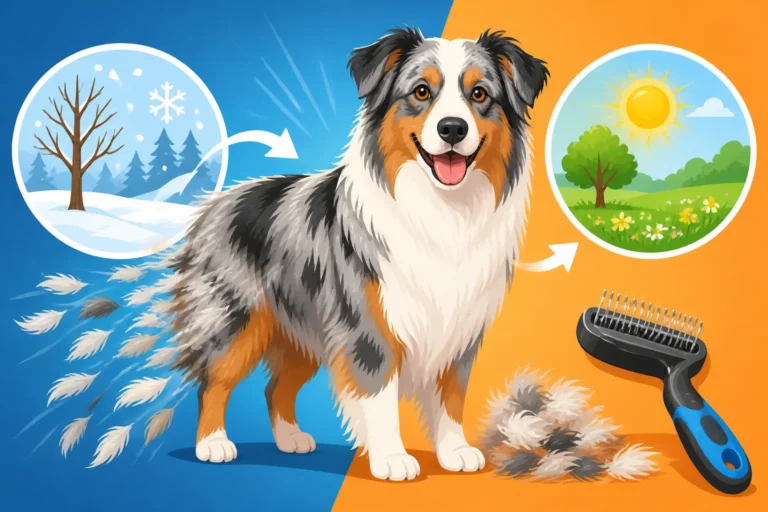
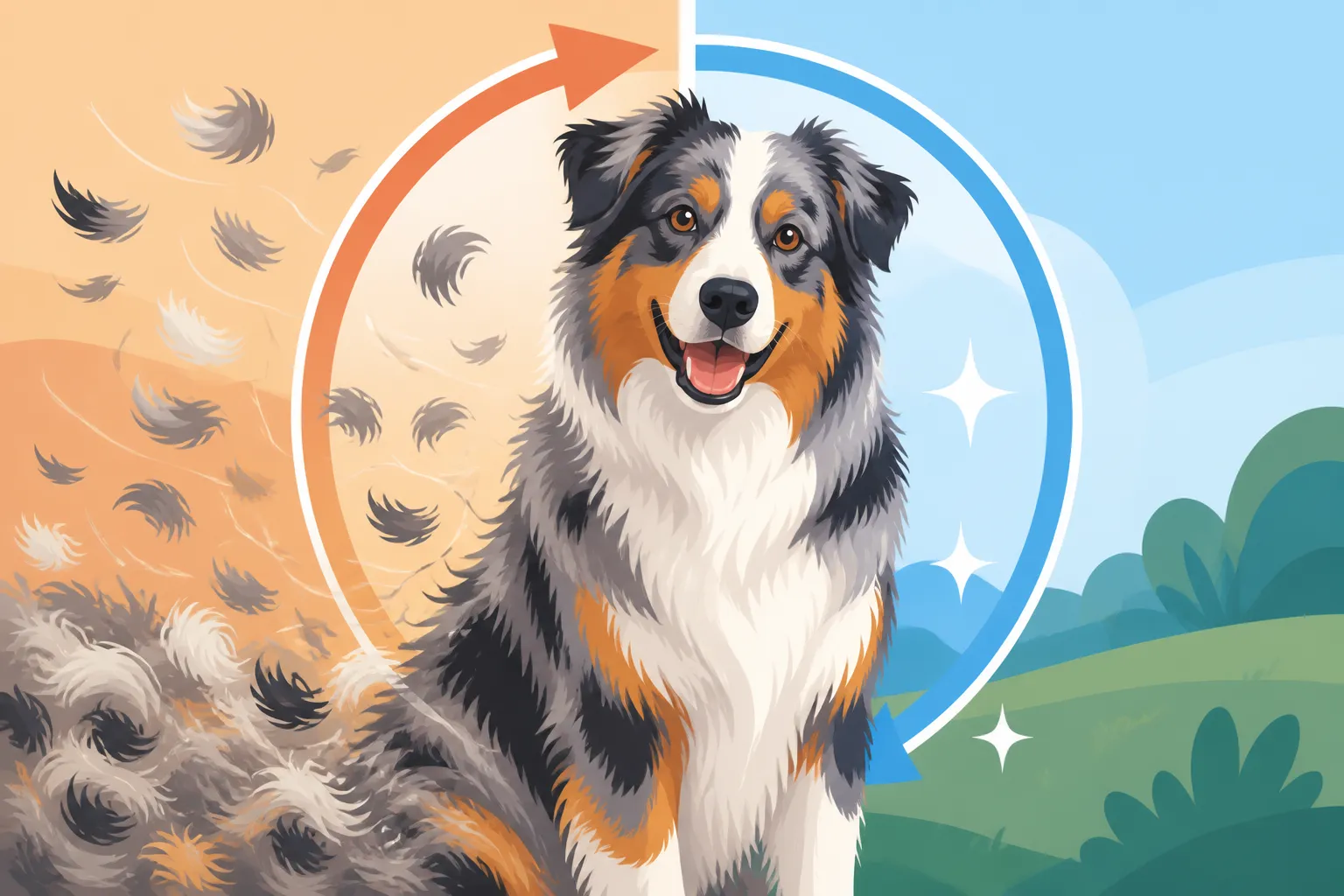
Australian Shepherds are equipped with a magnificent double coat, a testament to their working origins in varied climates. This coat is designed for protection and insulation, keeping them warm in winter and cool in summer. The outer coat consists of longer, coarser guard hairs that repel water and dirt, while the undercoat is incredibly dense, soft, and provides the bulk of their thermal regulation. When the seasons shift, their bodies instinctively prepare for the change in temperature and daylight hours. In spring, they shed the thick winter undercoat to make way for a lighter summer layer, and in fall, they blow the summer coat to grow in a denser winter one.
This isn't just a minor hair release; it's a massive overhaul. Imagine wearing a heavy winter coat and then needing to switch to a light jacket as summer approaches – your Aussie does something similar, but with thousands upon thousands of hairs. Many owners feel completely overwhelmed by the tumbleweeds of fur that seem to appear out of nowhere. It's a natural function, but that doesn't make cleaning it up any less of a chore! For a deeper dive into their fur, check out The Australian Shepherd Double Coat Explained.
The Typical Duration of a Full Coat Blow
While it might feel like an eternity, a typical Australian Shepherd coat blow generally lasts anywhere from two to four weeks. However, this isn't a hard and fast rule, and the actual duration can vary significantly. Some Aussies might breeze through it in a couple of weeks with diligent grooming, while others, particularly those with exceptionally dense coats or certain health factors, might stretch it out for over a month. It’s important to remember that it's a process, not a sudden event where all the hair drops at once. You'll likely notice a gradual increase in shedding, hitting a peak, and then slowly tapering off.
Factors like age, overall health, diet, and even whether your Aussie is spayed or neutered can play a role. Spayed or neutered dogs, for instance, sometimes develop a "spay coat" or "neuter coat," which can be even denser and prone to more persistent shedding due to hormonal changes. Twice-Yearly Coat Blow in an Australian Shepherd offers more context on this seasonal shedding. Don't be surprised if your older Aussie takes a little longer to cycle through their coat changes than a younger, more vigorous dog. Every dog is an individual, and their coat blow will be uniquely theirs.
Managing the Intense Shedding Phase
Successfully navigating an Aussie's coat blow requires a proactive and consistent approach. You can't stop it from happening, but you can absolutely minimize the mess and discomfort for both you and your dog. It's all about diligent management.
Brushing Strategies to Cope with Coat Blow
Brushing becomes your daily ritual, and often, your twice-daily ritual during a coat blow. The goal is to remove as much dead undercoat as possible before it falls out onto your floors, furniture, and clothes. Investing in the right tools is crucial here. An undercoat rake, designed with long teeth to reach through the guard hairs to the dense undercoat, is an absolute lifesaver. Tools like the Furminator, available on platforms like Chewy or Amazon, are also popular for carefully removing dead undercoat, but must be used judiciously to avoid damaging the topcoat or irritating the skin. A good slicker brush can also help catch loose hairs from the topcoat and work through smaller tangles.
The key technique is "line brushing" or "pin brushing." This involves parting the coat and brushing in small sections, from the skin out, ensuring you're getting all the way down to the root. If you just brush the top layer, you'll miss most of the shedding undercoat, leading to matting and a prolonged blow. Dedicate a specific time each day to this, perhaps outside or in an area easy to clean. You'll be amazed at the amount of fur you can remove, and it provides a great bonding experience too! For specific tool recommendations, see The Rake That Reaches an Aussie Undercoat. Even during less intense shedding, Brushing an Australian Shepherd Twice a Week is important, but during coat blow, it becomes an almost constant activity, where you'll be Brushing Every Day While an Aussie Sheds.
Bathing and Drying During Coat Blow
A warm bath can work wonders in loosening dead undercoat, making it easier to brush out. Use a good quality shampoo and conditioner designed for double coats. The trick isn't just the wash; it's the rinse and, most importantly, the drying. A thorough rinse ensures no shampoo residue is left behind, which can irritate the skin. Then, the real magic happens with a high-velocity force dryer (like those used by professional groomers). These powerful dryers don't just dry the fur; they physically blow out vast quantities of dead undercoat that brushing alone might miss. It's like a mini hurricane for your dog's coat!
If you don't have a force dryer, you can still achieve good results with a regular hairdryer on a cool setting and a lot of patience, combined with continuous brushing as the coat dries. However, ensure the coat is completely dry down to the skin, especially the dense areas like the ruff, trousers, and tail. Leaving an Aussie's double coat damp can lead to skin issues and matting, making the coat blow even more problematic. If home bathing and drying feel too daunting, a professional groomer can be an invaluable resource during this time, with their specialized equipment and expertise in Washing Right Down to an Aussie's Skin and Drying an Australian Shepherd Double Coat.
Factors Influencing Coat Blow Duration and Severity
While coat blow is a natural process, several factors can influence how long it lasts and how intense it feels. Understanding these can help you better support your Australian Shepherd through their seasonal shedding.
Impact of Diet and Overall Health
What you feed your Australian Shepherd has a direct and significant impact on their coat health, and by extension, the quality and duration of their shedding cycles. A high-quality diet rich in essential fatty acids, particularly Omega-3s, can promote a healthier skin barrier and a stronger, more resilient coat. Think about supplements like fish oil, which many owners swear by for reducing shedding and improving coat shine. You can find excellent supplements and quality foods on reputable pet supply sites like Chewy or specialty brands like Ollie, known for fresh, human-grade ingredients. A well-nourished coat means healthier hair follicles, which can potentially lead to a more efficient and less protracted coat blow.
Conversely, a dog on a poor diet or one with nutritional deficiencies might experience a dull, brittle coat and excessive, sometimes year-round, shedding that's not part of a normal coat blow. Beyond diet, underlying health conditions can also manifest as coat problems. Hormonal imbalances, allergies, parasites, or even stress can all impact the skin and coat, leading to abnormal shedding patterns. If you notice unusual bald patches, skin irritation, or shedding that seems out of sync with seasonal changes, it's always wise to consult your veterinarian to rule out any health issues. Fish Oil for an Aussie Double Coat can be a great addition to their diet to support coat health. If you are ever worried about your Aussie's skin, a visit to the vet is a good idea to rule out Australian Shepherd Skin, Coat and Allergy Problems.
Hormonal Changes and Environmental Factors
Hormones play a powerful role in regulating an Aussie's coat cycles. Spaying or neutering, while beneficial for many reasons, can sometimes lead to a noticeable change in coat texture and shedding patterns. Some spayed/neutered Aussies develop an incredibly dense, soft "spay coat" or "neuter coat" that can be more challenging to manage, prone to matting, and may shed more profusely or for longer periods. This is due to the alteration in sex hormones, which influence hair growth cycles. It's not necessarily a bad thing, but it does mean extra dedication to grooming.
Environmental factors are also significant. Dogs that live predominantly indoors, exposed to artificial light and consistent temperatures, might experience a less distinct coat blow cycle. Instead of two massive seasonal sheds, they might shed a moderate amount more consistently throughout the year, as their bodies don't get strong signals for drastic seasonal changes. However, for working Aussies or those who spend a lot of time outdoors, the natural light cycles and temperature fluctuations will trigger those robust twice-yearly coat blows. The geographical climate also plays a role; an Aussie living in a mild, stable climate might have a different shedding pattern than one in an area with extreme seasonal temperature shifts.
Long-Term Coat Care Beyond the Blow
While the coat blow is intense, it's just one part of your Australian Shepherd's year-round grooming needs. Establishing a consistent routine between these periods is crucial for their overall coat health and can even make the next coat blow more manageable.
Regular Grooming Routine Year-Round
Think of year-round grooming as preventative maintenance for your Aussie's coat. Even when they're not actively blowing their undercoat, regular brushing—at least a couple of times a week—is essential. This consistent attention helps to remove loose hairs, distribute natural oils, and, most importantly, prevent mats and tangles from forming. Aussies, especially with their longer feathering on their legs, belly, and tail, are prone to matting in these areas. If mats get out of control, they can be painful, pull on the skin, and even hide skin infections. Catching small tangles early saves a lot of heartache and professional grooming fees down the line.
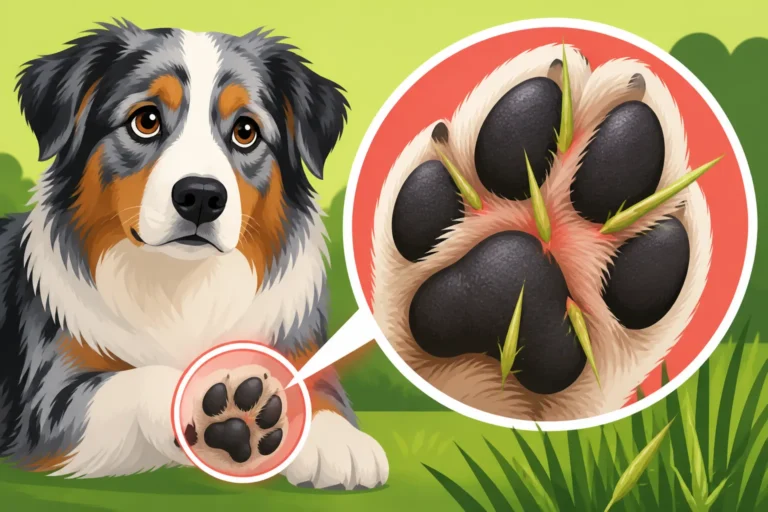
Beyond brushing, regularly checking their paws for debris, trimming nails, and inspecting their ears should be part of the routine. For active Aussies who spend time outdoors, especially in fields or wooded areas, diligently checking for burrs, grass seeds, and foxtails is paramount after every outing. These seemingly innocent plant materials can work their way deep into the coat, or even into ears and paw pads, causing serious irritation or infection. Addressing these issues proactively helps keep their coat healthy and ready for anything. Pay special attention to areas like Mats in an Aussie Ruff and Trousers, which are common trouble spots.
When to Consult a Vet or Professional Groomer
While shedding is normal, there are times when it signals something more serious or simply when you need extra help. If your Australian Shepherd is experiencing excessive shedding outside of the normal coat blow seasons, or if you notice bald patches, redness, flaky skin, or constant itching, it's time for a vet visit. These symptoms could indicate allergies, parasites, fungal infections, hormonal imbalances, or other dermatological issues that require medical attention. A vet can diagnose the problem and recommend appropriate treatment, which might include medicated shampoos, dietary changes, or specific medications.
Sometimes, despite your best efforts, the coat blow becomes overwhelming, or mats develop that you just can't tackle at home. This is when a professional groomer becomes your best friend. They have the specialized tools, expertise, and facilities (like high-velocity dryers) to efficiently and safely handle severe shedding and matting. Many groomers offer "deshedding" services specifically designed to strip out the undercoat quickly and effectively. Don't feel guilty about seeking professional help; it's often the kindest and most efficient solution for both you and your Aussie. They can also provide guidance on your home grooming routine.
Here’s a quick overview of some popular grooming tools for Aussies:
| Tool Type | Purpose | Best Used For | Frequency During Coat Blow |
|---|---|---|---|
| Undercoat Rake | Reaches deep to pull out loose undercoat | Dense areas like neck, back, hindquarters | Daily |
| Slicker Brush | Removes loose hair, detangles lighter mats | All over, especially feathering and sensitive areas | Daily |
| Deshedding Tool | Removes large amounts of dead undercoat | Main body, back | 2-3 times a week, with care |
| Pin Brush | General brushing, removes surface tangles | Overall coat, softer areas, lighter shedding | Daily |
| Metal Comb | Checks for tangles, finishes brushing | All over, especially behind ears, tail, legs | Daily |
| High-Velocity Dryer | Blows out dead undercoat and dries coat quickly | Post-bath, all over | After baths |
Disclaimer
This article is for general informational purposes only and does not constitute professional advice. Laws, prices and regulations vary by location and change over time. Consult a qualified professional for guidance on your specific situation.