Sanitary Trims on an Australian Shepherd
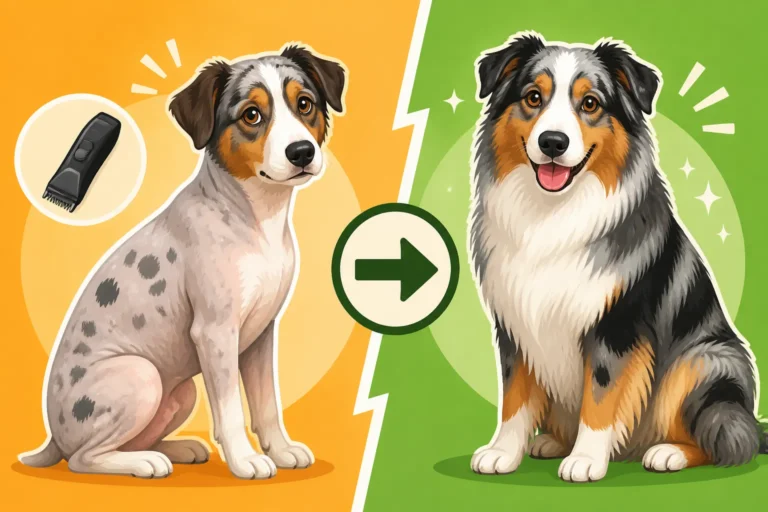
Living with an Australian Shepherd means embracing their magnificent, flowing coat, but sometimes, the less visible areas need just as much attention as their flashy merle patterns or impressive feathering. Neglecting the hair around your Aussie's private parts can quickly lead to painful mats, uncomfortable skin irritation, and some frankly unsanitary situations that no one wants to deal with. This guide will walk you through the essential steps for performing safe and effective sanitary trims, ensuring your beloved companion stays clean, comfortable, and healthy.
The Overlooked Necessity: Why Sanitary Trims Are Crucial for Your Aussie
It's easy to focus on the glorious full coat of an Australian Shepherd, meticulously brushing out the ruff and maintaining those beautiful trousers. But let's be honest, the areas "downstairs" often get forgotten until there's a problem. Neglecting these spots isn't just about aesthetics; it's about your dog's health and comfort, and trust me, ignoring it can lead to some truly unpleasant situations for both of you.
Preventing Unwanted Mats and Skin Irritation
The long, dense hair around your Aussie's rear end and belly can quickly become a tangled mess, especially if they have an active lifestyle or a softer coat texture. These mats aren't just unsightly; they're incredibly painful. They pull on the delicate skin, creating hot spots for irritation, infections, and significant discomfort. Imagine trying to walk around with a constant tugging sensation in such a sensitive area. It's truly miserable for your dog.
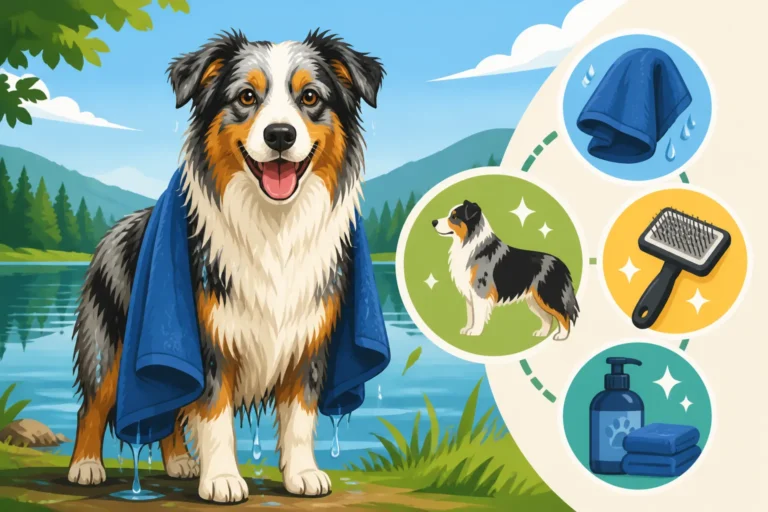
Consider a typical Aussie day: a romp in the creek followed by a dusty trail walk. That damp hair quickly collects dirt, burrs, leaves, and anything else it can grab. If not brushed out and kept tidy, these areas can mat right down to the skin. This creates a perfect, moist environment for bacteria or yeast to flourish, leading to nasty skin infections that are a nightmare to clear up. A simple, regular trim can prevent a lot of heartache, discomfort, and potentially expensive vet bills down the line.
For Aussies who absolutely love swimming or getting muddy, these areas are particularly prone to matting. The combination of persistent moisture and friction from movement can cause the hair to felt together rapidly, sometimes in a matter of days. Before you know it, you've got solid chunks of hair clinging tightly to sensitive skin, making grooming a battle and causing significant pain for your dog. Regular checks and proactive trims are your first line of defense against this common and easily preventable issue.
Maintaining Optimal Hygiene and Comfort
Let's talk about the less glamorous side of dog ownership: fecal matter and urine. With long hair around the anus and vulva or penis, it’s almost inevitable that waste will get trapped. This isn't just gross; it's a hygiene nightmare for your dog and, by extension, your home. You end up with a constantly soiled area, leading to unpleasant smells, potential stains on your furniture and carpets, and an increased risk of infections.
A clean sanitary area drastically improves your dog's overall comfort. Imagine having dried fecal matter caked into your hair or urine constantly irritating your skin – it’s a terrible thought, isn’t it? For male Aussies, long belly hair can become saturated with urine, leading to staining and skin irritation. For females, excess hair around the vulva can trap urine, leading to "urine scald" and discomfort. Keeping these areas neatly trimmed ensures they stay cleaner between baths, making life much more pleasant for both you and your loyal companion.
This simple act of trimming can also help prevent issues like urinary tract infections in females, as bacteria have fewer places to harbor and thrive. For both sexes, it significantly reduces the likelihood of "dingleberries" – those lovely dried clumps of poop that cling stubbornly to the fur. Nobody wants to be picking those out of their dog's coat after every bathroom break. A little proactive trimming goes a very long way in preventing these persistent and unpleasant problems.
Equipping Yourself: Tools and Techniques for a Smooth Trim
Once you understand why a sanitary trim is so important, the next step is to gather your tools and learn the safest way to get the job done. This isn't a task to be rushed, and having the right equipment makes all the difference in keeping both you and your Aussie calm and safe throughout the process.
Selecting the Right Shears and Clippers
For the delicate work of a sanitary trim, safety is paramount. You'll want small, blunt-nosed scissors, often specifically called "grooming shears" or "safety scissors." These have rounded tips designed to prevent accidental pokes or nicks if your Aussie makes a sudden, unexpected movement. It's crucial that you never use sharp-pointed household scissors for this job; the risk of injury to your dog is simply too high.
Alternatively, a small, quiet pair of pet clippers designed for sensitive areas can be incredibly effective and often quicker. Look for clippers that are cordless for ease of maneuverability and have a small head, sometimes referred to as "finishing clippers." Brands like Wahl and Andis offer popular models, readily available on platforms like Amazon or Chewy, that are quiet enough not to startle most dogs and have blades that won't overheat quickly. They glide through hair efficiently, reducing the time your dog has to stand still.
When choosing clippers, their noise level is a key consideration. A loud, buzzing clipper can make an already nervous dog even more agitated and resistant. Many modern pet clippers are specifically designed with low vibration and noise levels, which can significantly reduce the stress of the experience for your Aussie. Always ensure the clipper blades are clean, sharp, and cool before you start, as dull or hot blades can pull hair uncomfortably or even burn the delicate skin.
Preparing Your Aussie for a Stress-Free Experience
Before you even think about picking up the tools, it's vital to set your Aussie up for success by ensuring they are as calm and cooperative as possible. This often means a good exercise session beforehand to burn off some of that renowned Australian Shepherd energy. A tired dog is generally a more compliant dog. You definitely don't want to attempt a sanitary trim with an Aussie that's bursting with the need to chase a ball or herd the family cat.
Ensure the specific area you'll be trimming is clean and completely dry. A full bath a day or two before the trim is ideal, as this ensures there's no dirt, debris, or existing tangles to complicate the process. Wet hair can also be notoriously difficult to cut cleanly and can cause your clippers to rust. Most importantly, brush out any existing mats gently before attempting to trim, as trying to clip through matted hair can be excruciatingly painful for your dog and greatly increases the risk of injury. Use a wide-toothed comb or a slicker brush to detangle the area as much as possible, which you can easily find at pet supply retailers like Chewy.
Finally, set up a positive and calm environment. Have plenty of high-value treats on hand – small pieces of cheese, cooked chicken, or even a lick mat smeared with peanut butter can be a fantastic distraction. Talk to your dog in a calm, soothing voice. If they’re new to this experience, start with very short sessions, just a minute or two, and reward heavily for any cooperation. The overarching goal is to make this a neutral or even pleasant experience, rather than a scary one. This might mean just handling the tools around them for a few days before actually performing any trimming. The Aussie Puppy Curriculum Month by Month includes getting your pup used to handling.
Step-by-Step Guide to a Safe Sanitary Trim
Here’s how to approach the actual trim, focusing on safety and precision for your Australian Shepherd:
-
Positioning Your Aussie: Have your Aussie stand or lie on their side, whichever is more comfortable for them and gives you the best access to the areas you need to trim. If you're using a grooming table, ensure they are securely fastened. If on the floor, place a non-slip mat to prevent accidental slips. A helper can be incredibly invaluable here to gently steady your dog, offer treats, and keep them calm.
-
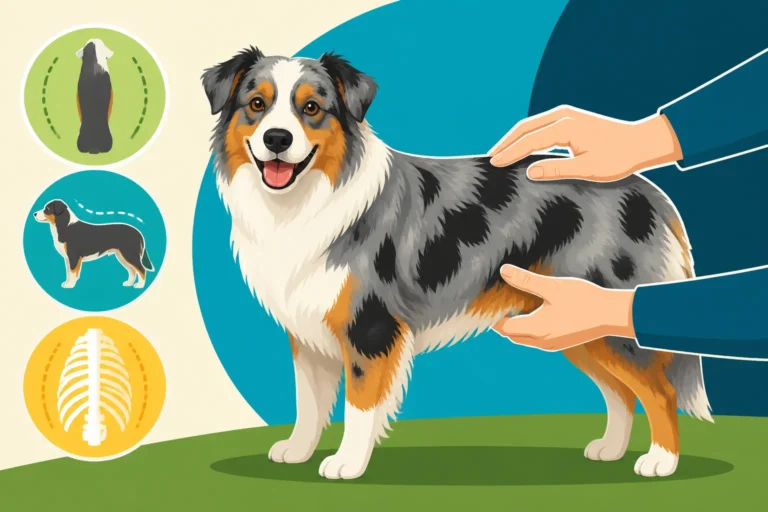
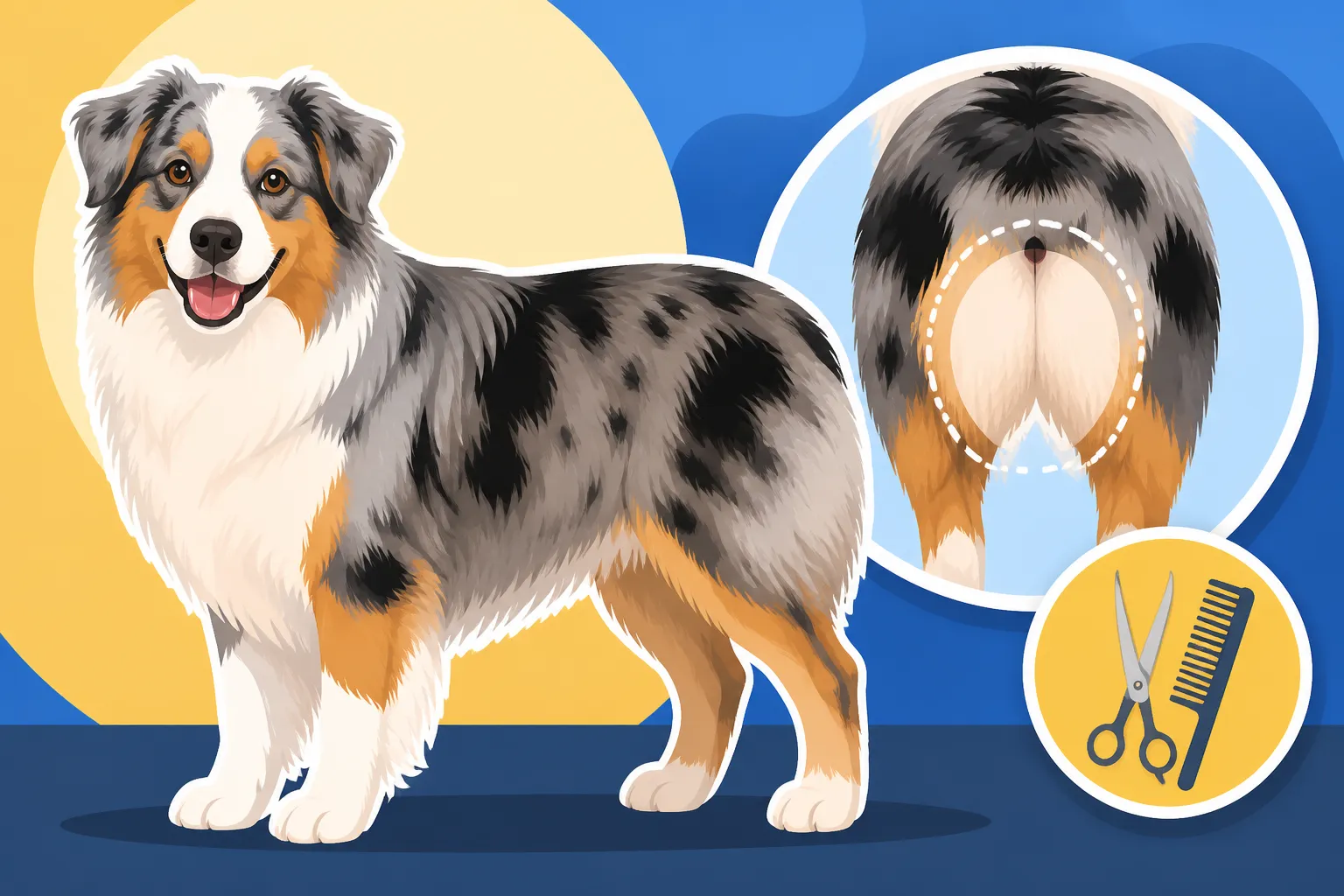
Trimming the Perianal Area (Rear): Gently lift your Aussie’s tail upwards and out of the way, holding it securely. With your non-dominant hand, carefully pull the skin taut around the anus. This action flattens the skin and pulls it slightly away from the rectum, significantly reducing the risk of nicks or cuts. Using your blunt-nosed scissors or small clippers, trim the hair in this area. You want to create a clean, circular perimeter of about 1-2 inches around the anus, effectively removing any hair that could collect fecal matter. Always point the blades away from the skin or use a clipper with a guard for extra safety.
-
Addressing the Genital Area (Belly/Underside):
- For females: The hair around the vulva can grow quite long and thick. Carefully pull the skin taut around the vulva and gently trim away any excess hair, aiming for about 1-2 inches of clear space. Be incredibly gentle and always point the scissors or clippers away from the body, being mindful of sensitive folds of skin.
- For males: The hair around the prepuce (sheath) can also get long and easily collect urine, leading to staining and irritation. Gently pull the skin taut, away from the penis, and trim the hair short enough to prevent it from touching the ground or becoming saturated with urine. You don't necessarily need to shave the entire belly, just focus on the area directly surrounding the genitals that contributes to hygiene issues.
-
Managing the Groin and Inner Thighs: This area is particularly prone to matting because of the friction from the legs rubbing against the body, especially during active play or herding work. You can perform a lighter trim here, often referred to as a "groin trim," to prevent these mats from forming and to allow for better airflow, which can help prevent skin irritation. Use your clippers with a longer guard (perhaps a #10 or #15 blade with an attachment comb) or very carefully use scissors to shorten the hair to about ½ to 1 inch. Again, keep the skin taut to avoid catching any skin folds or wrinkles. Work in small sections, always checking for any existing skin tags or moles.
-
Post-Trim Care: After successfully completing the trim, give your Aussie lots of praise, affectionate scratches, and, of course, plenty of treats. Check the freshly trimmed areas for any signs of irritation, redness, or missed spots. You might consider using a pet-safe soothing spray or a very light dusting of baby powder (ensure it's cornstarch-based and check ingredients for anything harmful like talc) if the skin looks a little red or sensitive. Make sure you brush out any loose hair from the trim to prevent it from irritating the skin or working its way into the rest of the coat.
Navigating the Tricky Bits: Avoiding Common Pitfalls
Even with the best intentions and the right tools, performing a sanitary trim can present its challenges. Knowing what to watch out for and how to handle a less-than-cooperative canine can save you a lot of stress (and potentially a costly trip to the emergency vet!).
Preventing Accidental Nicks and Cuts
This is every dog owner's biggest fear when trimming sensitive areas, and for good reason. The skin around the sanitary region is thin, delicate, and often has natural wrinkles or folds that can easily be snagged by scissors or clippers. The absolute golden rule here is to always keep the skin taut. Pull the skin firmly (but gently) so that it is flat and smooth, presenting an even surface for your tools. This significantly minimizes the chance of catching a fold of skin.
Using blunt-nosed scissors is a crucial safety measure that cannot be overstated. Their rounded tips physically prevent you from accidentally poking your dog, even if they make an unexpected lurch or shift. If you're using clippers, always ensure the blade is running parallel to the skin, not perpendicular, and use a very light touch, never pressing down hard. If your dog is particularly squirmy, take extremely small snips or make very brief passes with the clippers, and consider breaking the session into shorter segments rather than trying to do it all at once. Remember, slow and steady wins the race when it comes to safety and avoiding painful injuries. The First Year Mistakes Aussie Owners Make often include rushing important grooming tasks like this.
Dealing with a Wiggly, Anxious, or Reactive Aussie
Not every Australian Shepherd will stand like a statue for grooming, especially when it involves sensitive areas. Some might be naturally nervous, while others are simply too full of boundless energy. For a wiggly Aussie, having a second person can be an absolute game-changer. One person can gently hold the dog, offer calming words, and provide constant treats, while the other focuses solely on the trimming task. You can also try a "doggy burrito" – wrapping your Aussie snugly in a towel or blanket, leaving only the area you need to trim exposed, which can offer a comforting sense of security and limit movement.
For an anxious or reactive Aussie, patience and positive reinforcement are your absolute best friends. Never force the situation. If your dog is showing clear signs of stress – such as lip licking, excessive yawning, a stiff body posture, or actively trying to escape – stop immediately. Pushing them will only make future trims harder and increase their aversion. Instead, work in tiny increments. Start by simply touching the clippers to their body (turned off), then on (briefly), then making one tiny pass, rewarding profusely at each successful stage. Consider using a lick mat with a high-value, long-lasting treat, perhaps from a premium brand like Ollie, to provide a distraction and create a strong positive association during the process. This counter-conditioning can slowly but surely build their confidence over time. For safety, Muzzle Training an Australian Shepherd can also be a useful tool if you have a particularly nervous or reactive dog, but it should always be introduced positively and systematically.
Knowing When to Call in a Professional Groomer
While performing DIY sanitary trims is definitely doable for many Australian Shepherd owners, there are specific times when it’s simply best to defer to a professional groomer. If your Aussie's sanitary area is severely matted, attempting to cut these out yourself can be incredibly painful for your dog and carries a high risk of injury due to how tightly mats pull on the delicate skin. A professional groomer possesses specialized tools, training, and techniques to safely and efficiently remove even the most stubborn mats without harming your dog.
Furthermore, if your Aussie is particularly fear-reactive to grooming tools, or if you've had unsuccessful attempts that have only increased their anxiety and distrust, a professional groomer can often work wonders. They have extensive experience with a wide range of temperaments and can often get the job done efficiently and with significantly less stress for your dog. If you're unsure about the process, worried about potential injuries, or simply prefer not to tackle this delicate task, a qualified groomer is an invaluable resource. The cost of a professional groom, which typically includes a sanitary trim, is a worthwhile investment for your dog's comfort and your own peace of mind. For an idea of typical pricing, Australian Shepherd Grooming at $50 to $100 a Session can give you a general expectation.
The Bigger Picture: Integrating Trims into Your Aussie's Full Grooming Routine
A sanitary trim isn't a standalone event; it's an integral and often unsung part of your Australian Shepherd's overall grooming and health regimen. By weaving it into a consistent routine, you ensure your Aussie stays comfortable, clean, and happy year-round, preventing small issues from escalating into major problems.
How Often Should You Perform a Sanitary Trim?
The frequency of sanitary trims depends on several factors: your Aussie's individual coat growth rate, their general activity level, and the current season. Generally, most Australian Shepherds benefit from a sanitary trim every 4-6 weeks to keep things neat and tidy. For some, especially those with particularly fast-growing or incredibly dense feathering, it might be necessary as often as every 2-3 weeks. Dogs that spend a lot of time outdoors, in muddy conditions, or frequently swimming might also require more frequent trims to prevent the accumulation of dirt and the rapid formation of mats.
During "coat blow" seasons, when your Aussie is shedding their undercoat heavily (which typically happens twice a year), you might find that the hair around the sanitary area also grows more rapidly or becomes significantly more prone to matting as dead hair gets trapped. Twice-Yearly Coat Blow in an Australian Shepherd can make all grooming tasks feel more challenging, but consistent attention to the sanitary area is absolutely key during these times. Keep a close eye on the area; if you start noticing hair collecting or feeling damp after potty breaks, or if you can feel new tangles forming, it’s definitely time for a trim.
Linking Trims to Overall Coat Health
Think of the sanitary trim as a crucial preventative measure for the health of your entire Aussie coat. By consistently keeping these critical areas neat, clean, and free of excess hair, you significantly reduce the chances of mats forming and spreading. Mats that start in the sanitary area can quickly extend to the inner thighs, hindquarters, and even the main belly fur, turning a relatively small, manageable problem into a much larger, more painful, and significantly more difficult-to-resolve one. A well-maintained sanitary area also contributes to a healthier overall coat and skin by promoting better airflow and preventing moisture traps, which can lead to fungal or bacterial issues.
Regular sanitary trims also make full baths much more effective. When the sanitary area is free of long hair and mats, shampoo can penetrate the coat more effectively, and rinse-out is more complete, preventing any shampoo or conditioner residue buildup. This, in turn, helps to keep the skin healthier, reduces itching, and lowers the likelihood of developing skin irritations or infections. It’s all interconnected: a truly healthy coat starts with clean, well-maintained skin, and good hygiene in the sanitary region is an absolutely vital part of that comprehensive equation. Ignoring these spots can exacerbate Australian Shepherd Skin, Coat and Allergy Problems elsewhere on the body.
Essential Products for Ongoing Hygiene Maintenance
Beyond the trim itself, there are several convenient products that can help you maintain optimal hygiene in the sanitary area between full grooming sessions. Pet-safe hygiene wipes, which are readily available on online retailers like Chewy or at your local pet store, are excellent for a quick clean-up after potty breaks, especially beneficial for female Aussies or those prone to accidental dribbles. They can effectively remove urine residue and help keep the area fresh and clean.
For unexpected messes or just to freshen up your Aussie's coat between baths, waterless shampoos or dry shampoo sprays can be incredibly useful. Simply spray a small amount, gently work it into the fur around the area, and then brush it out thoroughly. This type of product can help absorb excess oils and neutralize odors. Additionally, during regular baths, ensure you're using high-quality shampoos and conditioners that won't strip the natural oils from your Aussie's precious double coat but will still clean thoroughly. Look for products specifically designed for sensitive skin if your Australian Shepherd is prone to irritation.
Keeping a clean and healthy coat also extends to addressing internal health. A balanced and nutritious diet, for example, plays a significant role in contributing to healthier skin and coat, which can reduce excessive shedding or skin issues that might complicate grooming. While primarily a food service, brands like Ollie focus on providing fresh, balanced nutrition which can reflect positively in your dog's overall coat quality, often making it easier to manage. Remember, a shiny, healthy, and easy-to-maintain coat truly starts from the inside out.
Comparing DIY vs. Professional Sanitary Trims
Deciding whether to tackle your Australian Shepherd's sanitary trim yourself or to rely on a professional groomer often comes down to your personal comfort level, available time, and your dog's individual temperament. Both options have their distinct merits, and understanding the differences can help you make the most informed and best choice for your unique situation and your Aussie.
| Feature | DIY Sanitary Trim | Professional Sanitary Trim |
|---|---|---|
| Cost | Initial investment in tools (clippers, scissors), then essentially free per session. | Typically $50-$100+ as part of a full groom, or a smaller fee for a stand-alone trim. |
| Convenience | Can be performed anytime, at your own home; no travel or appointments required. | Requires scheduling appointments, travel to the grooming salon, and adherence to their hours. |
| Skill Required | Basic knowledge of tools, significant patience, and practice. Higher risk of nicks if inexperienced. | High skill level; professional groomers are trained and experienced with various breeds and temperaments. |
| Time Commitment | Can be done in short bursts, flexibly fitting into the owner's schedule. | Appointment duration (1-3 hours for a full groom) plus travel time. |
| Equipment | Owner provides their own blunt-nosed scissors, small clippers, etc. | Groomer provides all specialized, professional-grade equipment. |
| Dog's Comfort | Highly dependent on the dog's temperament and the owner's patience and technique. | Groomers are often skilled at handling anxious or difficult dogs, using various calming techniques. |
| Mat Removal | Difficult, time-consuming, and potentially risky for severe mats; best avoided by amateurs. | Safe, efficient, and effective mat removal by trained staff using specialized tools. |
| Overall Benefits | Cost-effective long-term, can build owner-dog bond, maximum scheduling flexibility. | Expert results, less stress for the owner, can include comprehensive grooming and health checks. |
This table clearly illustrates the trade-offs involved in each approach. If you're confident in your abilities, possess ample patience, and your Aussie is generally cooperative, a DIY trim can save you money and potentially strengthen your bond. However, for a perfectly clean finish, comprehensive care, or if you have a dog who struggles immensely with grooming, the professional route is often the superior choice. Many owners find success with a hybrid approach: regular DIY maintenance trims, supplemented by occasional professional full grooms to keep everything in tip-top shape. This balances cost savings with expert care. Understanding Australian Shepherd Grooming and Shedding Costs can help you budget for either option.
Disclaimer
This article is for general informational purposes only and does not constitute professional advice. Laws, prices and regulations vary by location and change over time. Consult a qualified professional for guidance on your specific situation.