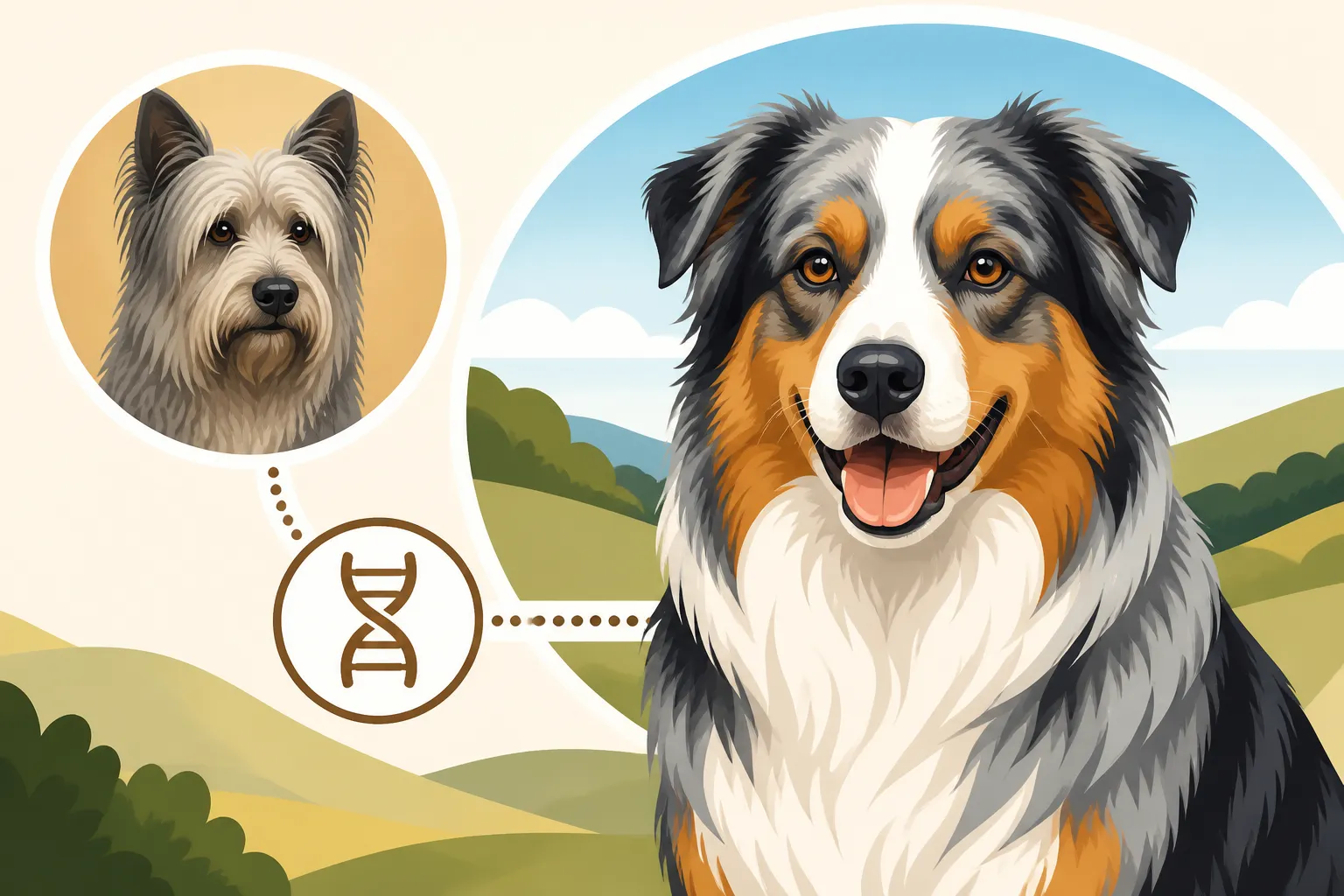
Pyrenean Shepherds in the Australian Shepherd Line
It’s a common moment for new Australian Shepherd parents: you learn about your beloved dog's history, only to find out they aren't actually from Australia! This can be a bit of a head-scratcher, creating confusion about where this remarkable breed truly comes from. The truth is, the Australian Shepherd's lineage is deeply rooted in the American West, shaped by the practical needs of ranchers and the diverse herding dogs brought over from Europe, with a particularly strong and often overlooked influence from the hardy Pyrenean Shepherd. This guide will explore how the Pyrenean Shepherd played a crucial role in forging the Australian Shepherd we know and love today.
The Misleading Name: Australian Shepherd's True Genesis
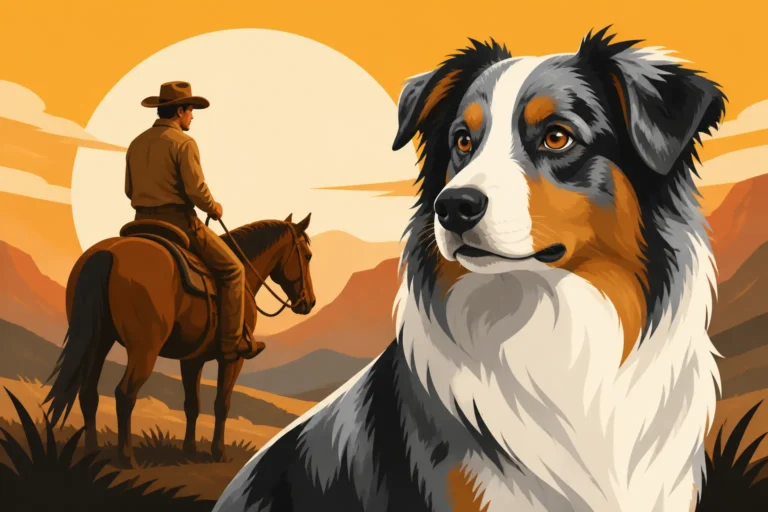
The name "Australian Shepherd" is, admittedly, quite deceptive, leading many to believe their dog's ancestors roamed the vast landscapes Down Under. The reality is far more complex and fascinating, pointing to a rich history intertwined with human migration and the burgeoning livestock industry of the American West. The breed's true origins are firmly planted in the United States, primarily in the ranching communities of states like California, Idaho, and Colorado, during the 19th and early 20th centuries. The "Australian" part of the name is a nod to a particular route some of their ancestral sheep and dogs took, not their actual place of development.
Tracing the Basque Connection to the American West
To understand the Australian Shepherd's roots, we first need to look to the rugged Pyrenees mountains, straddling the border between France and Spain. This region is home to the Basque people, renowned for their sheepherding traditions and their equally hardy working dogs. As the American West opened up, particularly during the Gold Rush era and later as vast sheep ranches became established, many Basque shepherds immigrated, bringing with them their invaluable herding companions. These dogs were not a single, standardized breed as we understand it today, but rather a type of agile, intelligent, and resilient herding dog, perfectly adapted to managing flocks in challenging terrains. Many of these Basque immigrants and their sheep often came to the United States after a stopover in Australia or New Zealand, leading local American ranchers to associate their dogs with "the ones from Australia." This indirect connection gave the developing American breed its enduring, if slightly inaccurate, name. You can read more about The Basque Herders Who Brought Aussie Ancestors for a deeper dive into this fascinating migration story.
The Ranchers' Vision: Breeding for a Versatile Western Herder
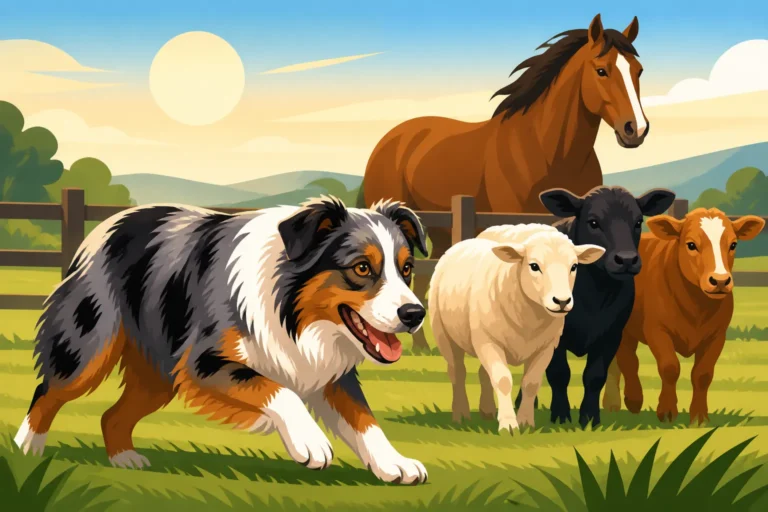
The American West presented unique challenges for livestock management. Ranches were often vast, encompassing diverse landscapes from open plains to rugged mountains, and herds included not just sheep, but cattle and even poultry. Ranchers needed a dog that was more than just a sheepdog; they required an all-around utility dog capable of handling different types of livestock with a strong, yet controllable, herding instinct. These dogs needed stamina for long days, intelligence to work independently, and courage to face stubborn animals. The Basque dogs, with their innate herding abilities and robust nature, became a crucial foundation stock. American ranchers then began to selectively breed these imported dogs with other local herding types, aiming to enhance specific traits that suited their demanding environment. This pragmatic approach to breeding, focused purely on working ability rather than appearance, was instrumental in shaping the Australian Shepherd. It was less about adhering to a fancy pedigree and more about getting the job done efficiently and tirelessly, a testament to What Ranchers Wanted From an Australian Shepherd.
The Distinct Influence of the Pyrenean Shepherd
Among the various European herding dogs that made their way to the American West, the Pyrenean Shepherd stands out as a particularly significant contributor to the Australian Shepherd's genetic blueprint. While not the only ancestor, its traits are clearly discernible in the early development and enduring characteristics of the Aussie. These dogs offered a unique combination of qualities that ranchers found invaluable, directly influencing the type of herding dog they were trying to create.
Key Characteristics of the Pyrenean Shepherd
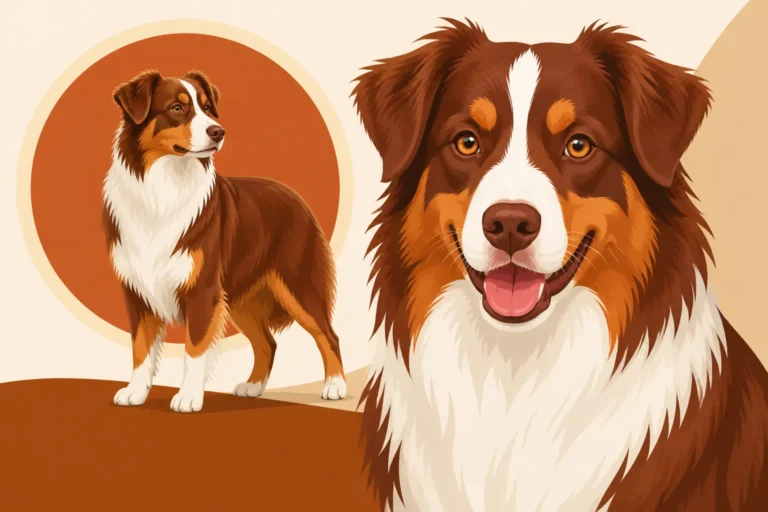
The Pyrenean Shepherd is an ancient, medium-sized herding dog native to the Pyrenees mountains. There are two main varieties: the smooth-faced (or face rase) and the rough-faced. Both are known for their incredibly keen intelligence, boundless energy, and an almost hyper-aware sensitivity to their environment. They are typically agile, quick, and possess a tenacious herding style that involves a lot of "eye" and quick movements to control sheep. Their coat, whether rough or smooth, is dense and weather-resistant, perfect for harsh mountain conditions. In terms of temperament, they are fiercely loyal to their families but can be reserved, even wary, of strangers – a trait often observed in many Australian Shepherds. They are problem-solvers, constantly assessing situations and reacting with lightning speed. This combination of intense work ethic, intelligence, and protective instincts made them prime candidates for contributing to a new breed designed for the challenges of the American frontier. They thrive on having a job to do and can become quite anxious or destructive if under-exercised or under-stimulated, a trait many Aussie owners understand all too well.
Identifying Pyrenean Traits in Early Australian Shepherds
When you look at the characteristics of the Pyrenean Shepherd, it's easy to see how their genetic contributions would shape the emerging Australian Shepherd. The Australian Shepherd's renowned intelligence, quick wit, and incredible agility are direct echoes of its Pyrenean ancestors. Their intense focus on work, often displaying a strong "eye" when herding, is a hallmark shared with Pyrenean Shepherds. Early Aussies were praised for their ability to react quickly and precisely, to "read" livestock, and to think independently – all qualities deeply ingrained in the Pyrenean working style. Even the Australian Shepherd's famous loyalty and tendency to be reserved with strangers can be traced back to the protective instincts of dogs like the Pyrenean Shepherd, who guarded their flocks and shepherds with unwavering devotion. The robust health and stamina that allowed these early dogs to work long days in diverse climates also speaks to the resilience inherited from mountain breeds. Observing the intense drive and sharp intelligence of an Aussie fetching a disc or navigating an agility course, you can almost see the shadow of a Pyrenean Shepherd expertly gathering its flock on a windswept mountain pasture.
A Melting Pot of Herding Talent: Beyond Just One Ancestor
While the Pyrenean Shepherd provided a foundational element, the Australian Shepherd isn't the product of a single, pure lineage. It emerged from a pragmatic approach to breeding, where ranchers crossed various types of herding dogs, prioritizing working ability over breed purity. The goal was to create the ultimate ranch dog, and this meant drawing from a diverse pool of talent.
The Role of British Collies and Other Herding Stock
Beyond the Basque dogs, other European herding breeds also contributed to the genetic tapestry of the Australian Shepherd. British Collies, including various types of Border Collies and Scotch Collies, were imported to the United States during the same period. These dogs were also highly prized for their herding prowess, intelligence, and trainability. Their influence brought different herding styles, perhaps a stronger "gather" instinct, and certainly contributed to the Australian Shepherd's overall versatility and sharp mind. The exact mix varied from ranch to ranch, but it’s clear that a blend of these European working dogs, combined with what was already present in the American frontier, formed the mosaic of the early Australian Shepherd. This cross-pollination of genes from various expert herders created a dynamic and adaptable working dog, capable of handling everything from a flock of sheep to a herd of cattle. For more on this, check out Collie Blood in the Australian Shepherd. This blending process wasn't always documented with formal pedigrees, but rather by the effectiveness of the dogs in the field.
Geographic Hotbeds of Aussie Development
The development of the Australian Shepherd wasn't a centralized effort but rather a grassroots movement across various ranching communities in the American West. States like California, Idaho, and Colorado became key "hotbeds" where this type of versatile herding dog was refined. In these regions, shepherds and ranchers were constantly experimenting, breeding dogs that excelled at managing their particular livestock in their specific environments. They valued intelligence, stamina, biddability, and a natural instinct to herd above all else. Where Aussie Ancestors Worked in California, for instance, became a prominent area for this development, where vast ranches needed dogs that could work large tracts of land and a variety of animals. This decentralized, performance-driven breeding meant that early Australian Shepherds might have looked quite varied, but they shared a common thread: an unparalleled ability to work livestock. Many of these ranchers likely ordered supplies for their growing kennels from retailers like Chewy, ensuring their working dogs were well-fed and equipped for the demanding life on the range.
The Lasting Legacy in the Modern Australian Shepherd
The diverse ancestry, with a strong Pyrenean Shepherd thread, has left an indelible mark on the modern Australian Shepherd. From their innate behaviors to their physical traits, the echoes of their working past are clear, reminding us that these dogs were bred for a purpose far beyond mere companionship. Understanding this legacy helps us appreciate their unique qualities and address their specific needs.
Enduring Herding Instincts and Intelligence
One of the most defining characteristics of the Australian Shepherd, directly inherited from its hardworking ancestors like the Pyrenean Shepherd, is its incredibly strong herding instinct. This isn't just a quaint historical fact; it's the very operating system of an Aussie. They are keen observers, always scanning their environment, and possess an inherent desire to gather, direct, and control movement. This can manifest in playful ways, like circling children in the yard, or in more challenging behaviors, such as nipping at heels or attempting to "herd" bicycles and cars. Their high intelligence, a hallmark of their Pyrenean lineage, means they are quick learners, but this also means they need mental stimulation as much as physical exercise. Without a "job" to do, whether it's formal herding, agility, or complex puzzle toys, an Aussie can become bored, destructive, or develop problematic behaviors. This drive is so deeply ingrained that it’s simply The Australian Shepherd Herding Drive You Cannot Train Out. Providing appropriate outlets for this intelligence and instinct is paramount for a happy and well-adjusted Aussie. You might find a wide variety of engaging puzzle toys and training aids on sites like Chewy to keep those brilliant minds busy.
Health and Temperament Reflections of Ancient Lines
The intermingling of various herding lines, including the Pyrenean Shepherd, has also contributed to some of the health and temperament predispositions seen in Australian Shepherds today. While generally robust, like their tough mountain ancestors, Aussies can be prone to certain genetic conditions. For instance, the MDR1 mutation, which affects how dogs process certain drugs, is common in many collie-type breeds, hinting at the diverse genetic contributions. Similarly, eye conditions like Collie Eye Anomaly (CEA) or hereditary cataracts also reflect the blending of different herding dog ancestries.
Comparison of Ancestral and Modern Aussie Traits
| Trait | Pyrenean Shepherd Characteristics (Ancestral) | Australian Shepherd Characteristics (Modern) |
|---|---|---|
| Size | Medium (20-30 lbs), agile, lean build | Medium (40-65 lbs), athletic, slightly more substantial frame |
| Coat Type | Rough or smooth, dense, weather-resistant, moderate shedding | Double-coated, medium length, weather-resistant, significant seasonal shedding |
| Temperament | Intelligent, intense, loyal, wary of strangers, high energy | Intelligent, loyal, energetic, reserved with strangers, can be sensitive |
| Herding Style | Intense "eye," quick movements, tenacious, close-working | Strong "eye," versatile, adaptable to different livestock, gathers and drives |
| Trainability | Highly intelligent, independent thinkers, quick learners | Highly intelligent, eager to please, requires consistent mental stimulation |
| Physical Needs | Requires extensive exercise and mental work; prone to anxiety if bored | Requires significant daily exercise and mental challenges; prone to destructive behavior if under-stimulated |
| Socialization | Needs early, careful socialization to prevent excessive wariness | Needs early, positive socialization to develop confidence and appropriate reactions |
Temperamentally, the protective nature and wariness of strangers often seen in Pyrenean Shepherds are mirrored in Australian Shepherds. While deeply devoted to their families, Aussies can be aloof or cautious with new people, a trait that stems from their heritage as guardians of livestock and property. This isn't shyness; it's a discerning nature, a desire to "read the room" before offering full trust. Early and consistent socialization is key to helping them develop into well-adjusted adults. Understanding these historical links, from their origins with Basque shepherds who might have used a specialized dog food from a supplier like Chewy to the ranching needs of the American West, helps us provide the best possible care for these remarkable dogs.
Disclaimer
This article is for general informational purposes only and does not constitute professional advice. Laws, prices and regulations vary by location and change over time. Consult a qualified professional for guidance on your specific situation.