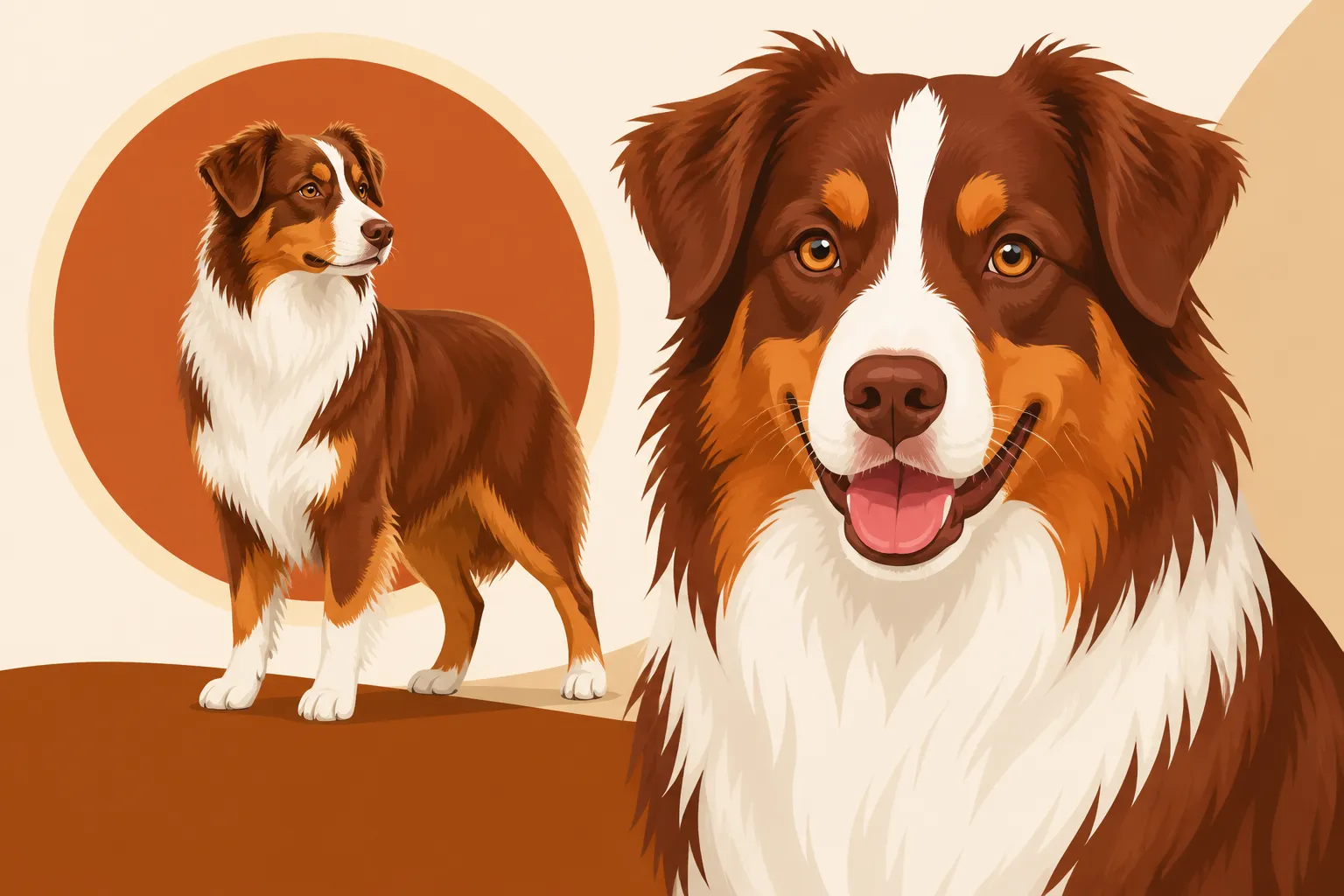
Red Tricolor Australian Shepherds
There's a special kind of magic that comes with welcoming an Australian Shepherd into your life, and for many, the rich, warm hues of a red tricolor Aussie are simply irresistible. If you've ever found yourself wondering about the specific genetics behind that stunning red coat, the exact nuances of their distinctive white and copper markings, or if a "red tri" actually acts differently than other colors, you're not alone. This comprehensive guide will pull back the curtain on everything you need to know about the beloved Red Tricolor Australian Shepherd, ensuring you appreciate their beauty and understand their unique care needs.
What Makes an Australian Shepherd "Red Tricolor"? Unpacking the Genetics of Pigment
The magnificent "red" in a Red Tricolor Australian Shepherd isn't just a simple color; it's a specific expression of pigment genetics that gives these dogs their warm, earthy tones. Unlike the dominant black pigment, red is a recessive trait, meaning both parents must carry the red gene for a puppy to inherit this beautiful hue. If you’ve ever seen a litter and noticed that the red puppies seem to pop out amidst a sea of black, it’s all thanks to this genetic interplay. This recessive nature is why a breeder might have mostly black tri or blue merle dogs, but occasionally produce a stunning red tri or red merle pup if the right genetic combination aligns.
The Science Behind the Red Pigment
At a basic level, all canine coat colors boil down to two fundamental pigments: eumelanin (black pigment) and phaeomelanin (red/yellow pigment). In the case of a red Australian Shepherd, the dog's genetic code dictates that only phaeomelanin will be produced in the areas typically colored black. This isn't just a lighter shade of black; it's an entirely different pigment. Imagine having a paint palette where the black tube is simply empty, and you're left with all the beautiful reds, oranges, and yellows to work with. That's essentially what's happening genetically. The intensity of this red can vary, from a deep, rich liver color to a lighter, almost cinnamon tone, often influenced by other modifying genes. This is why you'll see a spectrum even within the "red" category.
Understanding these genetics is crucial, especially for breeders. They meticulously study pedigrees and genetic test results to predict litter colors. For instance, if you breed two black Aussies, but both carry the recessive red gene, there’s a statistical chance some of their puppies will be red. Conversely, if one parent doesn't carry the red gene, you'll never see red puppies, even if the other parent is a vibrant red. It’s a fascinating puzzle that breeders are always working to solve, aiming for specific colors or just celebrating the beautiful variety that naturally occurs. You can delve deeper into the complexities of genetics with topics like The Merle Gene and How It Dilutes Aussie Coat and DNA Testing for the Merle Allele in an Aussie.
Distinguishing Red Tri from Other Aussie Colors
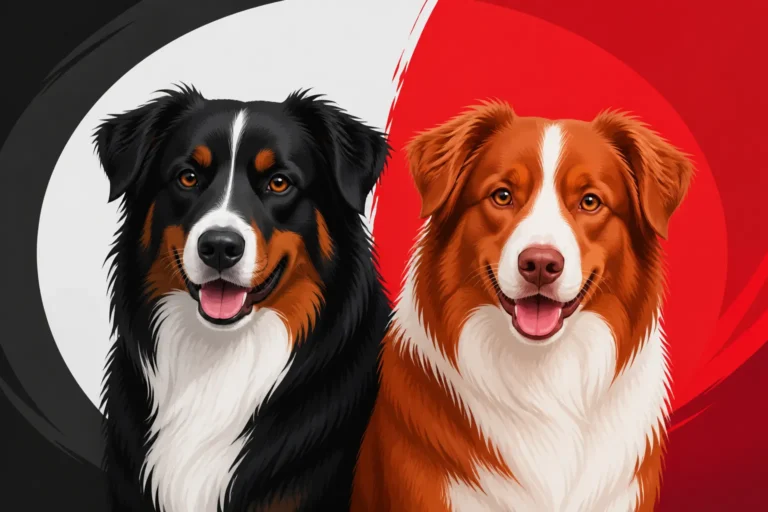
When you compare a Red Tricolor Australian Shepherd to other popular Aussie colors, the differences become quite clear. A Black Tricolor, for example, shares the white and copper markings, but its primary body color is a dense, true black. There's no mistaking the rich, almost chocolatey brown of a red tri for the ink-black of a black tri. Similarly, when you look at merles—Red Merle and Blue Merle—you'll see a mottled pattern across the coat. A Red Merle has patches of red and lighter red/cream, along with white and copper. The red tri, however, has a solid red body color, unbroken by merle patching.
This solid, consistent red body is a hallmark. While the depth of red can vary, it should be uniform across the main areas of the coat where black would typically appear on a black tri. This distinct appearance is a big part of why red tris are so adored; they stand out with their warm, eye-catching presence. It’s not just about aesthetics either; knowing your Aussie's base color helps with things like identifying potential skin issues or understanding how their coat might react to sun exposure. It's truly a foundational aspect of their identity.
The Distinctive Markings of a Red Tricolor Aussie
Beyond the stunning red base color, it’s the "tricolor" aspect that truly defines these beautiful dogs. This means they carry three distinct colors: the primary red body color, white markings, and copper (or tan) points. These markings aren't random; they follow a specific pattern that is characteristic of the breed, giving each Red Tricolor Australian Shepherd its unique, often symmetrical, artistry. These markings are what draw so many admirers and make them instantly recognizable among other breeds.
White Markings: Blaze, Collar, and Chest
The white markings on a Red Tricolor Australian Shepherd are often the most prominent and can vary quite a bit in their extent and placement. Typically, you'll see a white blaze running up the muzzle and between the eyes, sometimes extending onto the forehead. This blaze can be narrow and precise or wide and splashy, creating a very expressive face. Some red tris will also have a full or partial white collar around their neck, which can be striking against their red coat. This collar might be perfectly symmetrical or break on one side, adding to their individual charm.
The chest is another common area for white, often extending up from the underside of the neck, forming a distinct "apron." White can also be found on the legs, typically on the feet and sometimes extending up the forelegs or hind legs, like socks. The tip of the tail, if present, is also frequently white. These white areas are part of the breed standard and contribute significantly to the overall aesthetic appeal of the Red Tricolor Australian Shepherd. It's these bright white contrasts against the deep red and rich copper that create the truly captivating tricolor look. For more on what breeders look for, you might check out Australian Shepherd Proportions in the Standard.
Copper Points: Eyebrows, Cheeks, and Legs
The "points" refer to the tan or copper markings that appear in specific locations on the dog's body. These are often what give the Aussie its soulful, expressive face and distinctive look. On a Red Tricolor, these points will be a lovely shade of copper, ranging from a light cream to a deep, burnished reddish-brown, perfectly complementing the red body coat. The most common locations for these copper points are above the eyes, often referred to as "eyebrows," giving them a perpetually concerned or curious expression. These eyebrow points are a key feature and truly soften their gaze.
You’ll also find copper on their cheeks, sometimes extending down to their jawline. On their legs, the copper points typically appear on the lower part of the front legs and the inside of the hind legs, often just above the white socks. They also often have copper on the underside of their tail. These copper points, while sometimes subtle, are essential to the tricolor designation and complete the three-color picture. Without them, the dog would be considered a "bicolor" (red and white), which is not typical for the breed standard. The combination of red, white, and copper is what makes the red tri so undeniably attractive. If you're curious about all the possible color combinations, you can read Copper and White Markings on an Aussie.
Eye Color and Pigmentation with Red Tricolors
Eye color in Australian Shepherds is incredibly varied and often adds another layer of uniqueness to each dog. For Red Tricolor Aussies, eye color can range from brown to amber, and even the striking blue often associated with merles. It's not uncommon to see "split eyes," where one eye is a different color than the other, or "marbled eyes," which have flecks of two or more colors within a single iris. While some may think blue eyes are only for merles, a red tri can absolutely have blue eyes, especially if they carry the merle gene even if it's not expressed in their coat, or if they have a strong genetic predisposition.
The pigmentation around the eyes and nose typically corresponds to the dog's base color. For a Red Tricolor, the nose leather will be liver-colored (a reddish-brown) rather than black. The eye rims will also be liver, or sometimes a darker reddish-brown. This liver pigmentation is a direct result of the recessive red gene; if a dog is genetically red, all areas that would normally be black pigment (nose, eye rims, paw pads) will instead be liver. This creates a cohesive, soft look that is characteristic of red-based Aussies. Always keep an eye on any changes in nose or eye rim color, as this can sometimes indicate health issues, though it’s rare. For more on this, consider exploring Australian Shepherd Eye Colors and Split Eyes.
Here's a quick comparison of pigment in a few common Aussie colors:
| Feature | Black Tricolor | Red Tricolor | Blue Merle | Red Merle |
|---|---|---|---|---|
| Primary Body | Solid Black | Solid Red (Liver/Brown) | Blue-Grey Mottling/Patches | Red/Cream Mottling/Patches |
| White Markings | Present (Blaze, Collar) | Present (Blaze, Collar) | Present (Blaze, Collar) | Present (Blaze, Collar) |
| Copper Points | Present (Tan) | Present (Copper) | Present (Tan/Copper) | Present (Copper) |
| Nose Pigment | Black | Liver (Reddish-Brown) | Black or Liver (depending on base) | Liver |
| Eye Color | Brown, Amber, Blue | Brown, Amber, Blue | Blue, Amber, Brown, Marbled | Blue, Amber, Brown, Marbled |
| Paw Pad Color | Black | Liver | Black or Liver (depending on base) | Liver |
Caring for the Coat and Color of Your Red Tricolor Australian Shepherd
The stunning coat of a Red Tricolor Australian Shepherd is one of its most defining features, but it's also a double-edged sword. While beautiful, that thick, luxurious double coat requires consistent care to keep it healthy, free of mats, and vibrant. A well-cared-for coat not only looks good but also contributes to your Aussie's overall health and comfort, acting as insulation against both heat and cold. Neglecting it can lead to painful matting, skin issues, and a dull appearance.
Grooming Essentials for a Red Tri Coat
Australian Shepherds have a medium-length double coat, consisting of a soft, dense undercoat and a coarser, weather-resistant outer coat. This design is perfect for their working heritage, providing insulation and protection. For a Red Tricolor, the same grooming principles apply as for any Aussie, but you might be extra vigilant about keeping their vibrant color clean. Regular brushing is paramount, especially during their twice-yearly "coat blow" periods when they shed their undercoat. Investing in good quality grooming tools is a game-changer. A sturdy slicker brush, an undercoat rake, and a de-shedding tool are your best friends.
Aim to brush your Red Tri at least 2-3 times a week, and daily during shedding season. This helps remove loose hair, prevent matting, and distribute natural oils, keeping their coat shiny and healthy. Pay particular attention to areas prone to matting, such as behind the ears, in the "armpits," and on their feathery trousers. It's easy for burrs, foxtails, or just general debris to get caught in these longer strands, turning quickly into tight, painful mats. Many owners find excellent brushes and shampoos for their Aussie's thick coat at pet supply stores like Chewy, which makes it easy to keep up with routine care. You can find more detailed tips in Brushing an Australian Shepherd Twice a Week and Brushing Every Day While an Aussie Sheds.
Sun Exposure and Coat Health
While the red pigment itself is natural, excessive sun exposure can, over time, subtly affect the vibrancy of a Red Tricolor's coat. Just like human hair, prolonged exposure to harsh UV rays can lead to a slight lightening or dulling of the red tones. While it won't turn them into a different color, you might notice the deeper reds becoming a bit more faded or brassy. This is a purely cosmetic concern, not a health one, but something to be aware of if maintaining that rich, deep red is important to you.
Providing shade during peak sun hours, especially during long outdoor activities, can help. If your Aussie loves to spend hours lounging in a sunny spot in the yard, consider providing a shaded area or bringing them indoors during the hottest parts of the day. Certain shampoos and conditioners formulated to enhance red coats can also help maintain the vibrancy, but their primary purpose is to keep the coat healthy. Remember, never shave an Australian Shepherd, even if you think it will keep them cooler. Their double coat provides natural insulation and protects them from sunburn; shaving can disrupt this natural system and even lead to issues like "post-clipping alopecia" where the coat grows back incorrectly. This is a common concern discussed in Why an Australian Shepherd Should Never Be Shaved.
Common Skin and Coat Issues for Aussies
Australian Shepherds, regardless of color, can be prone to certain skin and coat issues. Due to their dense double coat, hot spots, which are localized areas of skin inflammation and infection, can develop quickly, especially in humid conditions or if the dog constantly licks or chews at an itch. Regular grooming helps you spot these early. Allergies, both environmental (like seasonal pollen) and food-related, are also relatively common and can manifest as itchy skin, redness, or excessive shedding beyond normal coat blows. A dull or greasy coat can also sometimes be a symptom of underlying health issues, such as thyroid problems.
If you notice your Red Tri scratching excessively, has red patches, flaky skin, or if their coat suddenly changes texture or becomes dull, it’s always best to consult your vet. They can help diagnose the issue, whether it’s allergies, parasites, or something more serious. Proper nutrition, including high-quality food and potentially omega fatty acid supplements, can also play a huge role in maintaining skin and coat health. Many pet parents find great skin and coat support products on Chewy, from specialized shampoos to supplements that target itchy skin. Knowing your Aussie's baseline coat condition during regular grooming makes it easier to spot when something isn't quite right. For more insights on this, you can refer to Australian Shepherd Skin, Coat and Allergy Problems.
Temperament and Traits: Is a Red Tri Aussie Different?
It’s a common misconception that coat color in dogs dictates temperament or personality. For Australian Shepherds, this simply isn't true. Whether your Aussie is a striking Red Tricolor, a classic Black Tricolor, or a captivating Blue Merle, their core temperament is defined by the breed's genetics and heritage, not the specific shade of their fur. The traits that make Aussies so beloved—their intelligence, loyalty, and boundless energy—are universal across all acceptable coat colors.
The True Aussie Temperament
Australian Shepherds are, first and foremost, working dogs. They were bred to herd livestock, and this deeply ingrained instinct shapes their personality. They are incredibly intelligent, eager to please, and thrive on having a "job" to do, whether that's herding sheep, excelling in dog sports, or being your devoted companion on daily adventures. A Red Tricolor Aussie will exhibit the same high energy levels, requiring significant mental and physical exercise to stay happy and well-behaved. Without adequate stimulation, any Aussie, regardless of color, can become bored, destructive, or develop problematic behaviors.
They are known for being fiercely loyal to their families, often forming a strong bond with one particular person. They can be reserved or aloof with strangers, a trait stemming from their protective herding instincts. This isn't shyness or aggression, but rather a cautious, observant nature. Early and extensive socialization is crucial for all Aussies to ensure they grow into well-adjusted adults who are comfortable in various environments and around different people and animals. The temperament the Aussie standard requires emphasizes a stable, intelligent, and eager-to-please nature, which holds true for all colors. For a deeper dive into their inherent characteristics, read The Temperament the Aussie Standard Requires.
Debunking Color-Related Personality Myths
You might occasionally hear anecdotal claims that certain Aussie colors are "calmer" or "more spirited" than others. For example, some might say red Aussies are more laid-back or black Aussies are more intense. However, there is no scientific or breed-standard evidence to support these claims. A dog's individual personality is shaped by a complex interplay of genetics (beyond just coat color), early socialization, training, and environment. A Red Tricolor Aussie from a working line with parents that have high drive is likely to be just as energetic and intense as a Blue Merle from similar lineage. Conversely, a Red Tricolor from a show line bred for a slightly mellower disposition might be calmer than a working-line Black Tricolor.
It’s vital to look beyond superficial traits like coat color when choosing an Australian Shepherd. Instead, focus on the breeding lines, the temperament of the parents (if you’re getting a puppy), and the specific needs of the individual dog. When bringing an Aussie home, be prepared for a dog that needs engagement, training, and plenty of exercise, regardless of their beautiful red coat. Their vibrant color is merely a visual characteristic, a stunning wrapper for the same brilliant, loyal, and driven spirit that defines every Australian Shepherd. Looking into Whether a First-Time Owner Should Get an Aussie can help set realistic expectations.
Socialization and Training Needs
The socialization and training needs of a Red Tricolor Australian Shepherd are identical to those of any other Australian Shepherd. Starting early is key. Puppy classes, exposure to various sights, sounds, people, and safe, vaccinated dogs are all crucial for developing a confident and well-adjusted companion. Their intelligence means they pick up commands quickly, but it also means they need consistent training to channel that brainpower constructively. Obedience, agility, herding, or even advanced trick training can all be excellent outlets for their sharp minds.
Because of their strong herding drive, Red Tricolor Aussies can be prone to nipping at heels (especially children's or other pets'), chasing moving objects, or attempting to "gather" family members. These are natural instincts that need to be managed through consistent training and redirection, not suppressed entirely. Providing appropriate outlets, like a flirt pole or supervised play with a herding ball, can satisfy these innate urges. Remember, a well-exercised and mentally stimulated Aussie is a happy and well-behaved Aussie, no matter their coat color. For more on managing their natural instincts, refer to The Australian Shepherd Herding Drive You Cannot Train Out and The Australian Shepherd Socialization Checklist.
Disclaimer
This article is for general informational purposes only and does not constitute professional advice. Laws, prices and regulations vary by location and change over time. Consult a qualified professional for guidance on your specific situation.