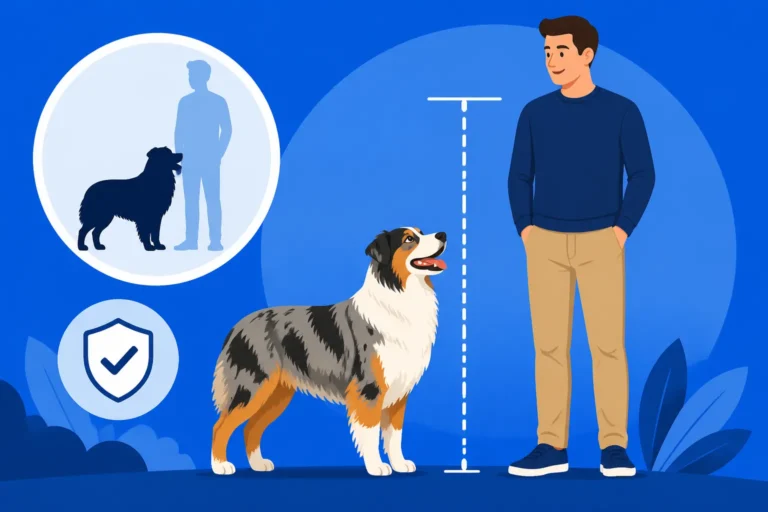
Australian Shepherds in Apartments
One of the biggest misconceptions about Australian Shepherds is that they absolutely need a sprawling ranch or a huge backyard to be happy. As an owner living in a smaller space, you might feel a pang of guilt every time someone suggests your high-energy Aussie isn't cut out for apartment life. The truth is, while their instincts certainly lean towards wide-open spaces and a full day's work, an Australian Shepherd can absolutely thrive in an apartment, but it takes a dedicated, intentional approach to meeting their unique needs. This guide will walk you through exactly how to create a fulfilling life for your Aussie in an urban environment, addressing the common challenges and offering practical solutions to ensure both you and your furry companion are happy and well-adjusted.
Understanding the Australian Shepherd's Core Needs Beyond Just Space
Before we dive into apartment-specific strategies, it's crucial to grasp what truly drives an Australian Shepherd. It's not just about the square footage; it's about their inherent temperament and historical purpose. These aren't lounge lizards by nature, and understanding their core requirements is the first step to successful apartment living.
The Unyielding Drive for a "Job"
Australian Shepherds were bred for intelligence, agility, and an intense desire to work alongside their human partners. They thrive on having a purpose, a "job" to do, whether that's herding sheep, running an agility course, or simply solving a challenging puzzle toy. Without this mental engagement, an Aussie can quickly become bored, and a bored Aussie is often a destructive Aussie, regardless of how much space they have. In an apartment, where physical boundaries are naturally limited, providing ample mental stimulation becomes paramount.
Think about it: a dog with acres to roam but no interaction or mental challenge will still be a frustrated dog. Conversely, an Aussie in a cozy apartment, consistently engaged with training, puzzle games, and quality one-on-one time, can be incredibly content. This is where you, as their human, step in as their primary source of meaningful activity. This isn't just about walks; it's about channeling their innate intelligence and drive into acceptable and rewarding outlets. For more insight into this fundamental aspect of their character, explore Australian Shepherd Temperament and Working Character.
Physical Exercise: Quality Over Quantity
While it's true that Australian Shepherds are high-energy dogs, the type of exercise matters far more than simply the duration or the size of the yard. An hour-long, undirected romp in a large backyard can be far less tiring for an Aussie than 20-30 minutes of structured fetch, a brisk run, or a focused training session. In an apartment setting, you don't have the luxury of letting them "self-exercise" in a huge space, which forces you to be more intentional and efficient with their physical activity.
Your focus should be on activities that truly engage their bodies and minds simultaneously. This might mean a fast-paced game of frisbee at a local park, a challenging hike on a trail, or even a session of urban herding with a large exercise ball. The key is to burn off that explosive energy in a way that feels productive and stimulating to them. A couple of vigorous, structured exercise sessions a day will be much more beneficial than a full day spent pacing a small apartment or aimlessly wandering a yard. You can find excellent advice on this in How Much Daily Exercise an Australian Shepherd Needs.
The Importance of Mental Enrichment Indoors
Since outdoor physical activity might be more structured and less continuous in an apartment, indoor mental enrichment becomes the cornerstone of preventing boredom and anxiety. This isn't just a "nice-to-have"; it's an absolute necessity for an Australian Shepherd. Their sharp minds need to be put to work, even when they're inside.
This means regularly rotating a variety of puzzle toys, engaging in short training sessions throughout the day, and teaching them "settle" commands. Consider things like snuffle mats for their meals, Kongs stuffed with goodies, or even hiding treats around the apartment for them to "hunt." These activities tap into their problem-solving skills and predatory instincts in a safe, apartment-friendly way. For ideas on really tiring out their brains, check out Mental Work That Actually Tires an Australian Shepherd. A dog whose brain is tired will often be much calmer and more relaxed indoors than a dog whose body is exhausted but whose mind is still buzzing.
Making Apartment Life Work for Your Aussie
Successfully living with an Australian Shepherd in an apartment isn't about wishing away their instincts; it's about cleverly integrating their needs into your urban lifestyle. It requires consistency, creativity, and a proactive approach.
Structuring a Daily Routine in an Apartment
A consistent daily routine is a lifesaver for an apartment-dwelling Aussie. Dogs thrive on predictability, and knowing when to expect walks, meals, and playtime can significantly reduce anxiety and help them settle indoors. Without a yard for quick potty breaks, your schedule will need to be meticulous, especially for puppies or seniors.
Start your day with a substantial outing. This isn't just a potty break; it's their most vigorous exercise session of the day. A brisk walk, a run, or a trip to a dog park for some off-leash play. Mid-day, even if you're at work, aim for a shorter walk or arrange for a dog walker. Evenings should include another good stretch of exercise and dedicated mental work or training. Weekends are your chance to really go big with longer hikes or trips to new places. Potty breaks should be frequent, especially for puppies, perhaps every 2-4 hours initially, gradually extending as they mature.
| Time Block | Activity Type | Purpose |
|---|---|---|
| Early Morning | Vigorous Exercise | Energy burn, mental stimulation, first potty |
| Mid-Morning | Potty Break / Short Walk | Relief, stretch legs, sensory input |
| Mid-Day | Enrichment / Nap | Mental work, rest, quiet time |
| Late Afternoon | Vigorous Exercise | Energy burn, mental stimulation, second potty |
| Evening | Training / Calm Play | Brain work, bonding, winding down |
| Before Bed | Last Potty | Final relief before sleep |
This structured approach ensures their needs are met regularly, reducing the likelihood of destructive behaviors or excessive barking born out of boredom.
Maximizing Outdoor Time and Adventures
Since a private yard isn't available, your local surroundings become your Aussie's personal playground. This means exploring every dog-friendly park, trail, and open space within reach. Don't fall into the trap of just visiting the same dog park every day; novelty is key for these intelligent dogs. New smells, new sights, and new challenges are incredibly enriching.
Consider rotating your exercise locations: one day, it's a long leash walk through a bustling neighborhood to practice polite leash manners and exposure to different stimuli; the next, it's a trip to a quiet nature trail for sniffing and exploring; and another, it's a fenced-in dog park for controlled off-leash play. If you're fortunate enough to have access to a safe, quiet field, consider investing in a long line and working on their recall or playing fetch. Giving an Australian Shepherd a Job Instead of a Walk offers more ideas on how to make these outings truly count. Remember, a change of scenery can be as mentally tiring as physical exertion, offering a valuable way to enrich your apartment-dwelling Aussie's life.
Creating an Engaging Indoor Environment
When your Aussie is inside the apartment, their environment needs to be set up for success. This means having a dedicated "den" or crate, an assortment of rotating toys, and strategies for quiet downtime. The entire apartment doesn't need to be a dog park, but it should offer engaging options.
A comfortable, appropriately sized crate can serve as their safe haven and is invaluable for managing alone time or ensuring quiet periods. You can find excellent options on Chewy for different sizes and styles. Beyond the crate, have a rotating selection of chew toys, puzzle toys, and snuffle mats. Don't leave all toys out all the time; rotate them to keep them novel and exciting. Designate a specific spot for quiet chewing or puzzle work, perhaps a dog bed in a corner. Short, frequent training sessions – teaching new tricks, practicing obedience commands, or even scent work games – can happen anywhere in the apartment and are fantastic for mental stimulation. For instance, hiding high-value treats and having them "find" them taps into their natural scenting abilities.
Common Apartment Challenges and Solutions
Living in close quarters with a clever, high-drive dog like an Australian Shepherd comes with its own set of challenges. Proactive solutions are essential to prevent minor annoyances from escalating into major problems.
Noise Sensitivity and Barking
Australian Shepherds are often alert dogs, and in an apartment building, every hallway noise, every elevator ding, and every neighbor's conversation can become a trigger for barking. This can quickly lead to frustrated neighbors and a stressed-out dog (and owner!). Addressing noise sensitivity and barking requires consistency and understanding.
Firstly, identify the triggers. Is it every time someone walks past the door? The mail delivery? Start with management: use white noise machines or a radio to mask external sounds. If your Aussie is prone to barking at movement outside windows, use frosted window film or keep blinds closed during peak times. Then, work on counter-conditioning. When a trigger sound happens, instead of letting your dog bark, immediately reward them for not barking or for looking at you instead. This teaches them that the sound predicts a treat, not an alarm. For a deeper dive into this, refer to An Australian Shepherd Barking at Everything That Moves Outside. Never punish alert barking, as it can suppress the warning without addressing the underlying anxiety, potentially leading to other issues.
Managing Destructive Chewing and Boredom
A bored Australian Shepherd in an apartment is a recipe for disaster. Chewing on furniture, digging at carpets, or destroying personal items are classic signs of unmet needs and under-stimulation. This isn't naughtiness; it's often a desperate attempt to self-entertain.
The primary solution here is proactive prevention: ensure their physical and mental exercise needs are consistently met. This includes those vigorous outdoor sessions and engaging indoor enrichment. Secondly, provide appropriate chew outlets. Offer a variety of durable chew toys, Nylabones, or even safe, long-lasting edible chews (always supervised). Puzzle toys filled with their meals or high-value treats are excellent for keeping them occupied for extended periods. When you leave, make sure they have access to these appropriate items. If your Aussie has separation anxiety or is particularly prone to destructive behavior when alone, consider crate training, ensuring the crate is a positive, comfortable space for them. If your Aussie is showing signs of destroying things when left alone, it's worth reading An Australian Shepherd Destroying Doors When Alone.
Potty Training and Schedule Adherence
Without a backyard, potty training an Aussie puppy in an apartment, or even managing an adult dog's schedule, requires strict adherence to a routine. Accidents indoors are frustrating, but with consistency, even a high-drive Aussie can master apartment potty etiquette.
For puppies, frequent, scheduled trips outside are non-negotiable – every 2-3 hours during the day, immediately after waking up, after eating, and before bed. Always take them to the same spot, and reward lavishly with praise and a small treat immediately after they potty outside. Avoid distractions during potty breaks. For adult dogs, ensure you provide ample opportunities for them to relieve themselves, especially after exercise. If you work long hours, a mid-day dog walker is an excellent investment to prevent accidents and give your dog a much-needed break. Remember, even with a strong routine, access to a clean potty area for an Australian Shepherd is essential for their comfort and health.
Essential Gear and Resources for Apartment-Dwelling Aussies
Living successfully in an apartment with an Australian Shepherd often comes down to having the right tools and knowing when to leverage external resources. These aren't just conveniences; they're vital components of a balanced life.
Crate Training and Safe Spaces
A crate isn't a jail; it's a den, a safe, personal space where your Australian Shepherd can relax undisturbed. For apartment living, a crate is invaluable. It provides a secure place for them when you're out, preventing destructive behaviors, and it offers them a quiet retreat when the apartment might be busy or noisy.
When introducing a crate, ensure it's a positive experience. Make it comfortable with soft bedding and offer special treats or toys only used inside the crate. Never use the crate for punishment. The crate should be large enough for your Aussie to stand up, turn around, and lie down comfortably. For a 50-pound Aussie, this usually means a substantial crate. Many excellent, durable crates are available through retailers like Chewy, offering wire or plastic options. Consistent, positive crate training makes it a valuable tool for managing an energetic dog in a smaller space. Learn more about choosing the right size in The Crate a Fifty Pound Aussie Needs.
Enrichment Tools and Interactive Toys
To combat boredom and provide mental stimulation indoors, a well-curated collection of enrichment tools and interactive toys is essential. These items help tap into your Aussie's natural instincts to forage, chew, and problem-solve.
- Puzzle Feeders: These force your Aussie to work for their food, slowing down mealtime and engaging their brain. Look for different difficulty levels to keep them challenged.
- Chew Toys: Durable rubber toys, such as those from Kong, that can be stuffed with treats or peanut butter provide long-lasting mental and physical engagement. Rotate them to maintain novelty.
- Snuffle Mats: Great for encouraging natural foraging behavior by hiding kibble or treats within fabric strands.
- Flirt Poles: While traditionally used outdoors, a smaller flirt pole can be used in a larger apartment space or a communal hallway (if allowed) for short, intense bursts of predatory play.
Variety is key. Don't expect one toy to keep your Aussie entertained indefinitely. Regularly rotating toys and introducing new challenges will keep their interest piqued. For a comprehensive list of ideas, check out Puzzle Feeders and Enrichment Gear for an Aussie.
Finding the Right Support: Daycares, Walkers, and Trainers
Let's be realistic: you can't be your Aussie's sole source of entertainment and exercise 24/7, especially if you work full-time. Recognizing when to enlist professional help is a sign of a responsible owner, not a failing one.
- Dog Daycare: A reputable dog daycare can be a godsend for an apartment-dwelling Aussie. Look for facilities that offer structured play, mental enrichment, and experienced staff who understand herding breeds. Daycare can provide several hours of vigorous activity and socialization. You might find useful information in Australian Shepherd Daycare and Whether It Helps.
- Dog Walkers: If you're unable to provide a mid-day exercise break, a professional dog walker can be invaluable. Ensure they are experienced with high-energy breeds and willing to engage your Aussie in more than just a quick stroll.
- Professional Trainers: For specific behavioral challenges (like excessive barking or leash reactivity), or if you want to delve into dog sports like agility or obedience, a qualified professional trainer is a must. They can help you channel your Aussie's energy and intelligence constructively. Finding a trainer who understands the Australian Shepherd's unique herding drive is particularly important.
These resources can complement your efforts, ensuring your Aussie gets the varied stimulation and activity they need, even in an apartment setting. Retailers like Chewy often have resources for finding local services or training aids.
Realism and Expectations: Is Apartment Life Truly Sustainable?
While an Australian Shepherd can absolutely thrive in an apartment, it's not a decision to be taken lightly. It demands significant commitment and a realistic understanding of what you're signing up for.
Self-Assessment: Is This Lifestyle Truly for Me?
Bringing an Australian Shepherd into an apartment requires an honest self-assessment of your lifestyle, energy levels, and dedication. These aren't dogs that are content with a few short walks around the block. They need active engagement, every single day.
Ask yourself:
- Am I truly committed to at least 1-2 hours of intentional, vigorous exercise daily, regardless of weather? This isn't just letting them out; it's active play, running, hiking, or structured walks.
- Can I consistently provide mental stimulation through training, puzzle toys, and interactive play every day?
- Am I prepared for the potential challenges of noise, shedding (oh, the shedding!), and managing their strong herding instincts in close quarters?
- Do I have the financial resources for potential dog walkers, daycare, or specialized training? The Cost of Keeping a High-Energy Australian Shepherd Busy covers many of these considerations.
If you can honestly answer yes to these questions, then an Aussie in an apartment is definitely within the realm of possibility. If not, it might be worth reconsidering if this breed is the right fit for your current living situation.
The Aussie That Thrives in an Apartment
Certain Australian Shepherds, and certain owners, are particularly well-suited for apartment living. It often comes down to a combination of individual temperament and consistent management. An Aussie that genuinely thrives in an apartment usually has:
- A solid "off switch": While still high-energy outdoors, they can settle calmly indoors. This is often a trait that needs to be actively trained from puppyhood through methods like mat training or enforced naps.
- Excellent impulse control: They're less prone to reactive barking at every little sound or lunging at every passing stimulus. This is a result of consistent training and socialization.
- A strong bond with their owner: They view their human as the primary source of engagement and joy, making indoor training and play highly rewarding.
- An owner who is dedicated and creative: Someone who sees the apartment as a canvas for enrichment, not a limitation.
Some Aussies may naturally be a bit lower drive or more relaxed, but generally, it's the owner's commitment to meeting their needs that defines success.
Recognizing When Apartment Life Isn't Working
Despite your best efforts, there might be signs that apartment living simply isn't providing enough for your Australian Shepherd. Recognizing these signs early is crucial for your dog's welfare and your own sanity.
Look for persistent behavioral issues that don't improve with increased exercise or training:
- Chronic Destructive Behavior: If your Aussie is consistently chewing furniture, digging, or destroying items despite ample chew toys and enrichment, it's a red flag. This points to deeply unmet needs.
- Excessive and Inconsolable Barking: Beyond alert barking, if your dog barks constantly out of frustration, anxiety, or boredom, especially when left alone, it's a sign they're struggling. An Aussie That Cannot Be Left With Nothing to Do explores this further.
- Anxiety or Depression: Pacing, excessive panting, repetitive behaviors, lethargy, or loss of appetite can all be signs of chronic stress or depression.
- Aggression or Reactivity: While some reactivity can be trained, an increase in aggression towards people or other dogs, or extreme leash reactivity, might indicate overwhelming stress from their environment or lack of appropriate outlets.
- Difficulty Settling: If your Aussie can never truly relax indoors, constantly pacing, whining, or demanding attention, they may be overstimulated or under-exercised mentally.
If you observe these patterns, it's time to re-evaluate. This might mean investing in more professional help, exploring more rigorous exercise routines (like dog sports), or, in some rare cases, considering if a different living arrangement or even rehoming to a more suitable environment would be best for your dog's long-term happiness. Your Aussie's well-being should always be the top priority.
Disclaimer
This article is for general informational purposes only and does not constitute professional advice. Laws, prices and regulations vary by location and change over time. Consult a qualified professional for guidance on your specific situation.