Why No Australian Shepherd Existed Before America
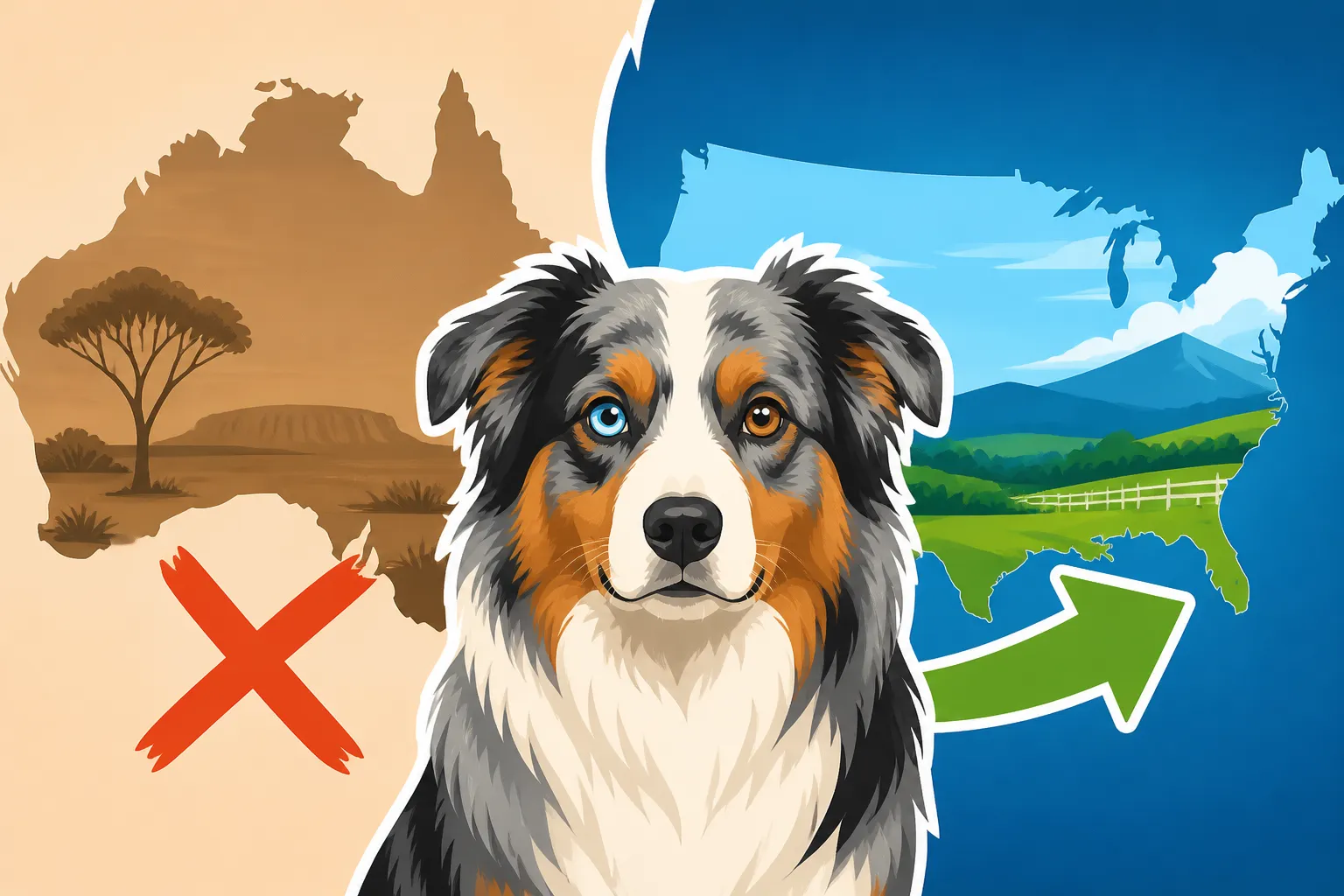
It's incredibly confusing, isn't it? You hear "Australian Shepherd" and naturally assume this intelligent, energetic breed hails from the land down under, maybe herding kangaroos or sheep on vast Outback stations. But the truth is, the Australian Shepherd, as we know it today, has absolutely no ancestral ties to Australia whatsoever. Instead, its origins are deeply rooted in the American West, a fact that often puzzles new owners and even long-time enthusiasts. This guide will unravel the fascinating history behind this beloved breed, explaining exactly why it emerged on American soil and how it came to bear such a misleading name.
The Misleading Name: Unpacking the "Australian" Part
One of the biggest misconceptions about the Australian Shepherd is right there in its name. It’s a name that has led countless people to believe the breed originated in Australia, when in fact, its development was entirely an American endeavor. This misnomer isn't just a quirky historical accident; it speaks to a complex interplay of migration, livestock, and the practical needs of ranchers in the burgeoning American West. Understanding this starts with looking at the sheep that came to America, and the dogs that came with them.
Basque Shepherds and Their Migratory Journey
The true ancestors of what would become the Australian Shepherd didn't come from Australia, but rather from the Basque region nestled between France and Spain in the Pyrenees mountains. These dedicated shepherds brought their highly skilled herding dogs with them as they migrated, first to Australia and New Zealand, and then in larger numbers to the United States during the 19th and early 20th centuries, particularly drawn by the Gold Rush and the expanding sheep industry. These dogs were critical to their livelihood, invaluable partners in managing vast flocks. These migrations directly led to The Basque Shepherds Who Brought Aussie Ancestors. The dogs they brought were robust, intelligent, and possessed an innate herding drive—qualities that American ranchers would soon come to admire and cultivate. Without these migrations, the breed we know today would simply not exist.
The Gold Rush Connection and Early American Development
The mid-1800s saw a massive influx of people and, importantly, sheep into the American West, fueled by the California Gold Rush. Many of these sheep, often Merinos, had been imported from Australia, accompanied by the dogs of the Basque shepherds. It's here, in the American West, that the narrative of the Australian Shepherd truly begins. As these Basque shepherds settled, their dogs, which were incredibly effective at handling the rugged terrain and large flocks, caught the eye of local American ranchers. These ranchers were desperately seeking versatile, resilient dogs to work their own cattle and sheep operations. It was a time of immense opportunity and equally immense challenges, demanding a new kind of working dog. This period of rapid development and cross-breeding is central to Where the Australian Shepherd Was Actually Developed, laying the groundwork for the breed's future. The dogs were essential tools for the ranchers managing The Gold Rush Flocks That Made the Aussie.
Forging a Breed: The American Rancher's Vision
American ranchers quickly recognized the exceptional capabilities of these imported herding dogs. They weren't just looking for any dog; they needed a specific set of traits to manage the diverse livestock and challenging conditions of the American landscape. This wasn't about aesthetics or show rings initially; it was purely about utility and efficiency. The ranchers had a very clear vision for the ultimate working dog, and they set about selectively breeding to achieve it.
Traits Valued in the American West
The vast, open ranges of the American West, with their diverse terrain and often harsh weather, demanded a dog with exceptional athleticism, stamina, and a strong work ethic. Ranchers needed dogs that could handle both sheep and cattle, often working independently or with minimal direction. Intelligence, agility, and an unflappable temperament were paramount. The dogs had to be tough enough to withstand long hours of work, agile enough to navigate rocky hillsides, and smart enough to outthink a stubborn steer. Crucially, they needed a natural herding instinct, but one that could be refined and directed. This emphasis on working ability over appearance during the breed's formative years is key to understanding What Ranchers Wanted From an Australian Shepherd. They weren't breeding for a specific look; they were breeding for performance.
Influential Breeds in the Aussie Ancestry
While the exact "recipe" for the Australian Shepherd isn't perfectly documented, it's widely accepted that the Basque dogs were crossbred with a variety of other European herding dogs already present in America. This melting pot of genetics likely included various types of collies and other sheepdogs brought over by settlers from the British Isles. The British Sheepdogs in Aussie Ancestry played a significant role, contributing to the breed's intelligence, trainability, and distinctive appearance. Similarly, Working Collies in the Aussie Family Tree undoubtedly added to the keen herding instinct and biddable nature that are hallmarks of the Australian Shepherd today. These early crosses were not formal or documented breedings in the way we think of them today; they were pragmatic choices made by ranchers seeking to combine the best traits of available working dogs to create the most effective partner possible.
Here's a simplified look at the ancestral influences:
| Ancestral Group | Key Contribution | Primary Origin |
|---|---|---|
| Basque Dogs | Strong herding drive, adaptability, resilience | Pyrenees (France/Spain) |
| British Sheepdogs | Intelligence, trainability, keen eyesight | British Isles |
| Various Collies | Herding instinct, athleticism, biddable nature | British Isles |
It's clear that the blend was distinctly American, shaped by the demands of a new continent.
Solidifying the Breed Type in the United States
The Australian Shepherd didn't just appear fully formed; it evolved organically over decades as ranchers continued to refine their working dogs. It was a slow, practical process, driven by the desire for efficiency and effectiveness on the farm. While its origins were humble, its eventual rise to prominence was fueled by a unique American phenomenon: the rodeo circuit.
The Post-War Rodeo Boom and Popularity
After World War II, the American West experienced a surge in popularity, bringing with it a booming interest in rodeos. These events weren't just about cowboy skills; they showcased incredible equine and canine talent. This is where the Australian Shepherd truly stepped into the spotlight. Known for their agility, intelligence, and showmanship, these dogs became incredibly popular performers in rodeo arenas. They were often used to work stock before, during, and after events, captivating audiences with their quick reflexes and command of livestock. This exposure outside of the ranch environment was critical to their spread and recognition. Australian Shepherds in Rodeo Arenas became a common sight, performing tricks and demonstrating their herding prowess. This period saw the breed's "type" begin to solidify, as certain dogs became famous and their offspring highly sought after, accelerating the development of the distinct Australian Shepherd characteristics we recognize today.
Formal Recognition and Breed Clubs in America
As the breed's popularity grew, so did the desire for formal recognition and standardization. Dedicated enthusiasts and breeders, many of whom had deep roots in ranching and rodeo, began to organize. This led to the formation of breed clubs in the United States, such as the Australian Shepherd Club of America (ASCA), which was established in 1957. These clubs were instrumental in defining the breed standard, preserving its working qualities, and maintaining careful records. It took some time for the American Kennel Club (AKC) to formally recognize the breed, with the Australian Shepherd finally admitted to the AKC Herding Group in 1993. This formal recognition marked a significant milestone, solidifying the breed's status and ensuring its future. By this point, How Aussie Type Settled by the 1950s was well-established, and the collective efforts of breeders, many with names like Flintridge and Woods, developed The Kennels That Founded American Aussie Lines. You can often find historical accounts of these foundational dogs and kennels on platforms like Chewy or other online pet resources, showcasing the breed's deep American roots.
Why the Name Stuck: A Historical Hypothesis
So, if the Australian Shepherd isn't from Australia, why on earth is it called that? This is where historical conjecture meets practical observation. There isn't a single, definitive answer etched in stone, but the most widely accepted theories point to a simple, logical explanation tied directly to the circumstances of their arrival and early work in America.
The "Australian" Connection Through Imported Sheep
The most compelling theory behind the "Australian" moniker links back to the sheep themselves. As mentioned, many of the Merino sheep flocks that the Basque shepherds brought to the American West had first spent time in Australia. These sheep were often referred to as "Australian sheep" by American ranchers. When they observed the highly effective dogs working these "Australian sheep," it was a natural, albeit slightly imprecise, leap to refer to the dogs as "Australian Shepherds." It wasn't a comment on the dog's origin, but rather on the origin of the sheep they were so adept at handling. This shorthand likely became ingrained in the ranching communities, passed from one generation to the next, until it simply became the accepted name. It's a testament to the strong association between the working dog and its charge. If you’re ever browsing for sheep-herding books or supplies on Chewy, you might even see references to similar historical connections.
Early Nomenclature and Regional Influences
In the early days of breed development, formal naming conventions were far less rigid than they are today. Dogs were often named descriptively, by their function, their owner, or the origin of their most prominent association. The term "shepherd" was obviously fitting, given their primary role. The "Australian" prefix, even if technically inaccurate regarding the dog's geographical origin, served as a useful identifier in a time before widespread genetic testing or comprehensive breed registries. Different regions in the American West likely had their own informal names for these dogs, but the "Australian Shepherd" stuck, perhaps because it resonated with the perceived quality and effectiveness of the dogs working those valuable Merino flocks. It's a quirky piece of history that highlights how names can evolve and persist, even when they don't tell the full story. Today, it serves as a fun conversation starter for anyone interested in Why the Australian Shepherd Carries That Name, a breed that is thoroughly American in its spirit and heritage, despite its international-sounding title. Caring for an Australian Shepherd, whether you call it Aussie or by its full name, involves selecting the right food, toys, and grooming tools. Thankfully, online retailers like Chewy make it easy to find everything you need.
Disclaimer
This article is for general informational purposes only and does not constitute professional advice. Laws, prices and regulations vary by location and change over time. Consult a qualified professional for guidance on your specific situation.